Plot Explained Spoilers guaranteed!
Plot Explained

Browse by genre

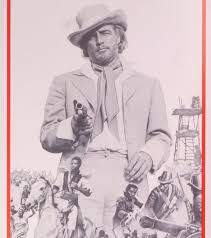
The Other Francisco (1975) movie poster

Timeline

The Other Francisco (1975) Timeline Explained – Every Event in Order

Release, runtime and language
1975 · 97 mins · Spanish
Directed by
Sergio Giral
Starring
Susana Pérez, Miguel Benavides, Adolfo Llauradó, Ramón Veloz, Armando Bianchi, Alina Sánchez

Based on Anselmo Suárez y Romero’s novel *Francisco*, the film reexamines the story as a socio‑economic study of slavery and class conflict. It contrasts the novel’s romanticized plantation view with a stark depiction of enslaved life across the Americas, and shows how the author’s background shaped his liberal, humanitarian dramatic choices.

On this page (4)
  1. 1 Events in order (15)
  2. 2 Timeline questions answered
  3. 3 Movie threads
  4. 4 Every angle

15 events in order · contains spoilers

The Other Francisco Timeline: Events in Chronological Order

Every key event of The Other Francisco (1975) in order, scene by scene, with when and where it takes place. Use it to untangle flashbacks, time jumps and parallel storylines, to refresh your memory before the sequel or to find the exact scene you are thinking of.

  1. Francisco's sale and education

    Francisco is sold to a sugar cane plantation and is taught to read and write by Señora Mendlzabal. He begins working in the stables and forms a bond with Dorota, a plantation maid. The education he receives sets him apart and frames the story’s perspective on slavery and humanity.

    When
    early 1800s
    Where
    Sugar cane plantation, Cuba
  2. Francisco and Dorota fall in love; marriage hopes

    Francisco and Dorota fall in love while he works in the stables. He pleads with Señora Mendlzabal to allow them to marry, but she repeatedly denies him. Their forbidden romance becomes the central conflict of the tale.

    When
    early 1800s
    Where
    Stables, plantation
  3. Love discovered; punishment

    Their secret romance is discovered by Señora Mendlzabal, who stops it by whipping Francisco and moving Dorota away to work for a Frenchman. The separation intensifies their longing and shifts the plantation’s power dynamics. Francisco’s punishments begin to escalate afterward.

    When
    early 1800s
    Where
    Plantation
  4. Incident and punishment

    While Dorota is away, Francisco is implicated in an incident involving an overseer and released horses. He is subjected to harsher punishment as a result, marking a turning point in his treatment on the plantation. The accusation consolidates the overseers’ control.

    When
    early 1800s
    Where
    Stables/Fields
  5. Forced labor and Dorota's plea

    Francisco is forced to work long hours in the fields under an overseer, with Ricardo showing a hidden attraction to Dorota. Dorota returns to plead for Francisco’s pardon, but Señora remains unforgiving. The tension between Dorota, Francisco, and the plantation authorities deepens.

    When
    early 1800s
    Where
    Fields
  6. Ricardo's coercion and shifting blame

    Ricardo’s attempts to force himself on Dorota reveal his ruthlessness. When things go wrong on the plantation, blame is repeatedly placed on Francisco, making him the scapegoat for broader failures. The cycle of punishment continues to escalate.

    When
    early 1800s
    Where
    Plantation
  7. Whipping and nursing home; Dorota's bargain

    Francisco undergoes severe punishment, leaving him nearly dehydrated. He is found barely conscious after the whipping at a nursing home site. Meanwhile, Dorota agrees to sleep with Ricardo to calm his anger and save Francisco, a decision that haunts their relationship.

    When
    early 1800s
    Where
    Fields/Nursing home
  8. Pardon granted; Dorota's rejection

    Francisco is pardoned by Señora and told he can marry Dorota, but she rejects him after the revelation of her compromise to save him. The rebuff deepens Francisco’s sense of loss and bitterness. The couple’s final chance at happiness slips away.

    When
    early 1800s
    Where
    Plantation
  9. Revelation of Dorota's sacrifice

    Dorota reveals to Francisco that she slept with Ricardo to save his life and to spare him further suffering. She urges him to forget her and move on. The disclosure drives Francisco into despair and he retreats into the woods.

    When
    early 1800s
    Where
    Woods
  10. Francisco's death

    Francisco is later discovered to have hanged himself, a tragic culmination of heartbreak and unyielding oppression. His death underscores the brutal costs of love and subjugation within the plantation system. The scene casts a shadow over the narrative’s earlier romance.

    When
    early 1800s
    Where
    Woods
  11. Author interview framing the film

    An interview with Anselmo Suárez y Romero explains why the story centers on a love triangle rather than a straightforward slave tragedy. He reflects on his youth and his aim to soften the brutality of slavery while still addressing its realities. The interview frames the film’s thematic intent.

    When
    film framing
    Where
    Interview setting
  12. Second act: slave’s escape attempt and bond with Francisco

    In the second act, a slave attempts to run away but is dragged back, chained and left in a shed with a cowbell. Francisco offers him water, and the two men form a bond that grows into mutual trust amid the plantation’s tensions. The moment deepens the enslaved community’s solidarity.

    When
    early 1800s
    Where
    Plantation
  13. Rebellion planning and destruction

    The bonded slave and Francisco attend a rebellion meeting where they plan sabotage of the plantation’s machinery, culminating in the burning of a bagasse shed. The act intensifies the conflict between slaves and overseers and signals a move toward organized revolt.

    When
    early 1800s
    Where
    Bagasse shed, plantation
  14. British interests and the revolt’s stakes

    Richard Madden, a British Empire agent, explains that the rise of machines threatens slavery and that economic interests drive imperial power to suppress the slave trade. He visits the plantation to monitor treaty compliance, adding a geopolitical dimension to the local struggle.

    When
    early 1800s
    Where
    Plantation / Madden's visit
  15. Sabotage, punishment, and the uprising's eruption

    A slave sabotages a sugar cane machine, and Ricardo demands the overseer identify the saboteur. Francisco is blamed and brutally whipped to death, which inflames the enslaved community and fuels a broader rebellion across Cuba. The uprising is framed as part of a wider early 1800s resistance.

    When
    early 1800s
    Where
    Plantation

Last updated: October 05, 2025 at 12:07

Was this helpful?

Timeline questions answered

The Other Francisco Timeline Explained: Your Questions Answered

When does it happen, and why in that order? The questions people ask about the chronology of The Other Francisco (1975): time jumps, flashbacks, cause and effect between scenes and the correct order of events, each answered with spoilers.

Q1

Why does Dorota sleep with Ricardo?

Dorota sleeps with Ricardo to save Francisco from further brutal punishment. After Francisco is whipped nearly to death and left in the nursing area, Dorota believes that giving in to Ricardo's advances will calm his rage and spare Francisco's life. It is a devastating sacrifice she makes out of love, trusting that this act will protect the man she cares for.

Foreshadowing: Earlier, Ricardo shows a hidden attraction to Dorota while she pleads for Francisco's pardon, making his coercion possible.

  • dorota
  • ricardo
  • sacrifice
  • francisco
  • love
  • survival
  • coercion
Q2

Why does Dorota reject Francisco after he is pardoned?

Dorota rejects Francisco because the compromise she made with Ricardo has shattered her sense of worth and possibility. Even when Señora grants Francisco permission to marry Dorota, she cannot accept, she tells him to forget her because she believes her sacrifice has made her unworthy of the life they dreamed of together. The very act that was meant to save him has destroyed her ability to believe in their future.

Foreshadowing: Dorota's tearful confession in the woods reveals the depth of her shame and the impossible position her sacrifice has created.

  • dorota
  • francisco
  • rejection
  • marriage
  • shame
  • sacrifice
  • love
Q3

Why does Francisco hang himself?

Francisco hangs himself because the combined weight of relentless punishment, heartbreak, and loss of hope becomes unbearable. After learning that Dorota slept with Ricardo to save him, he experiences devastating betrayal and shame despite understanding her sacrifice. Unable to bear the pain of loving Dorota after what happened, and trapped in the oppressive plantation system, he retreats to the woods where he takes his own life.

Foreshadowing: The film builds toward this moment through escalating punishments, Francisco's deepening despair, and his growing isolation from Dorota.

  • francisco
  • suicide
  • death
  • despair
  • dorota
  • heartbreak
  • woods
Q4

Why is Francisco blamed for the sabotage?

Francisco is blamed for the sabotage because the overseer, under pressure from Ricardo, needs a target for the slaves' act of resistance. Francisco has already been established as a troublemaker through his relationship with Dorota, his earlier punishments, and his growing connection with the rebelling slaves. The accusation is less about evidence than about maintaining control, making an example of someone who already stands out as a threat to the plantation's authority.

Foreshadowing: Francisco's bond with the escaped slave and his attendance at rebellion meetings have marked him as suspicious in the overseers' eyes.

  • francisco
  • sabotage
  • blame
  • whipping
  • ricardo
  • overseer
  • rebellion
Q5

Why does Señora Mendlzabal forbid Francisco and Dorota from marrying?

Señora Mendlzabal forbids the marriage because she maintains strict control over the enslaved people on her plantation. While she allowed Francisco an education, a rarity that sets him apart, she treats the prospect of marriage between enslaved individuals as something requiring her approval. Her refusal reflects the plantation's power structure, where even personal relationships are subject to authority. Some viewers interpret her as disappointed or jealous, though the film keeps her true motivations ambiguous.

Foreshadowing: Señora Mendlzabal educates Francisco but simultaneously punishes him for forming human connections, establishing her complex and controlling nature.

  • senora mendlzabal
  • marriage
  • prohibition
  • francisco
  • dorota
  • control
  • plantation
Q6

Why does the film include interviews with the author?

The author interview serves as a metatextual framing that complicates the narrative. Anselmo Suárez y Romero explains that he chose to center a love triangle rather than depicting raw brutality of slavery because he was young and wanted to reach a broad audience. This softening, he acknowledges, obscures the harsher truths of oppression. The interview invites viewers to question how stories about slavery are told and who gets to control the narrative, a layer of self-reflection built into the film itself.

Foreshadowing: The interview appears early and returns periodically, signaling that it is integral to understanding the film's approach to depicting slavery.

  • author interview
  • anselmo suarez y romero
  • framing
  • narrative
  • slavery
  • perspective
Q7

What is Richard Madden's role in the film?

Richard Madden, a British Empire agent, represents the geopolitical context surrounding slavery's decline. He explains that machines are making enslaved labor increasingly unnecessary and that the Spanish Empire could end the slave trade while still profiting through mechanization. His presence adds a layer of political and economic commentary, showing that abolition is driven partly by changing economic interests rather than pure moral progress, a reminder that the fight against slavery involves larger imperial forces.

Foreshadowing: Madden visits the plantation to monitor treaty compliance, connecting local events to broader historical currents.

  • richard madden
  • british empire
  • abolition
  • economics
  • machines
  • slavery
  • politics
Q8

Why does Francisco help the enslaved man with the cowbell?

Francisco helps the enslaved man who was dragged back and chained with a cowbell because he recognizes their shared suffering. Offering water to the punished man creates a moment of solidarity between enslaved people, a small act of humanity in a brutal system. This connection grows into trust, and the man eventually invites Francisco to a rebel gathering, marking Francisco's entry into organized resistance against the plantation.

Foreshadowing: Francisco's act of kindness occurs shortly after his own brutal punishments, showing his empathy despite his suffering.

  • cowbell
  • slave
  • solidarity
  • francisco
  • punishment
  • rebellion
  • connection
Q9

What triggers the final slave rebellion?

The rebellion erupts after Francisco is brutally whipped to death as punishment for the sabotage he did not commit. His public execution inflames the enslaved community, who already share grievances over brutality and lost hope. The death of someone they know, particularly a man who showed solidarity with others, becomes the catalyst for open revolt. The slaves burn crops and bagasse sheds, kill overseers, and the uprising spreads across Cuba as part of the early 1800s resistance.

Foreshadowing: Francisco's bond with the rebelling slaves and his accusation for sabotage directly lead to his fatal punishment.

  • rebellion
  • uprising
  • francisco death
  • whipped
  • cuba
  • slaves
  • violence
Q10

What does Ricardo want from Dorota?

Ricardo, Señora's son, harbors a concealed attraction to Dorota throughout the story. He uses his position of power to attempt to force himself on her, and his desire becomes entangled with the plantation's broader dynamics of control and coercion. His attraction is connected to the shifting blame onto Francisco, when things go wrong on the plantation, Francisco becomes the scapegoat, partly because of his connection to Dorota whom Ricardo desires.

Foreshadowing: Ricardo shows hidden attraction to Dorota early in the story, which later manifests as coercion.

  • ricardo
  • dorota
  • desire
  • coercion
  • power
  • plantation
  • francisco
Q11

Why is Francisco taught to read and write?

Francisco is taught to read and write by Señora Mendlzabal herself, which is unusual on a plantation and sets him apart from other enslaved people. This education gives him a perspective that others lack and shapes the film's framing of the story, it is told somewhat through his educated perspective. However, this education does not protect him from the system's brutality, making it a poignant detail about the limits of privilege even amid oppression.

Foreshadowing: Francisco's education distinguishes him and informs how the story is presented, creating an unusual narrative voice for an enslaved protagonist.

  • francisco
  • education
  • reading
  • writing
  • senora mendlzabal
  • plantation
  • perspective
Q12

How does the film compare to the original novel?

The film reexamines Anselmo Suárez y Romero's novel *Francisco* as a socio-economic study of slavery rather than a romanticized tale. Where the novel presents a more softened, plantation-friendly view of enslaved life, the film contrasts it with stark depictions and acknowledges the author's own admission that he softened the brutality to reach a broader audience. The film essentially deconstructs its own source material, questioning how stories about slavery are told and who benefits from romanticized narratives.

Foreshadowing: The author interview directly addresses this dynamic, making the film's critical stance explicit.

  • novel
  • film
  • comparison
  • Anselmo Suárez y Romero
  • Francisco
  • adaptation
  • slavery
  • criticism

Movie threads

More Movies Like The Other Francisco, by Mood & Story

Curated lists built around what makes The Other Francisco tick: the same mood, the same kind of story or the same emotional payoff. Each list explains why these movies belong together.

Historical Revisionist Dramas like The Other Francisco

Films that critically reexamine the past through a modern, unflinching lens. For viewers who appreciated the critical lens of The Other Francisco. This section features movies that deconstruct historical myths, offering stark reexaminations of past events with a focus on political and social critique, similar to films that challenge traditional narratives.

  • sobering
  • critical
  • unflinching
  • political
  • analytical
  • grim
  • Tone: dark, critical, sobering
  • Pacing: steady, analytical
Why these movies?

The story pattern: These narratives often unfold by juxtaposing a popular or accepted version of history with a harsher reality. They involve investigative or analytical frameworks, breaking down events to their socio-political roots and highlighting the suffering and resistance of those who were historically silenced.

Why they belong together: Movies are grouped here for their shared commitment to historical critique. They connect through a dark, sobering tone, a methodical pace that allows for deep analysis, and a complex structure that often layers multiple perspectives to challenge the viewer's understanding of the past.
Bleak Stories of Oppression like The Other Francisco

Unflinching stories about the crushing weight of systemic injustice and rebellion. If you were affected by the grim depiction of slavery in The Other Francisco, explore these movies. They share a focus on the brutal realities of oppression, themes of tragic love and rebellion within inhuman systems, and emotionally devastating conclusions.

  • oppressive
  • brutal
  • grim
  • somber
  • melancholic
  • rebellious
  • Tone: dark, grim, brutal
  • Pacing: steady, relentless
Why these movies?

The story pattern: Stories in this thread typically follow characters trapped within an unforgiving system—be it slavery, totalitarianism, or extreme poverty. A central conflict arises from the tension between survival and rebellion, often intertwined with a tragic personal relationship. The narrative arc is typically downward, culminating in sacrifice, defeat, or a pyrrhic victory that underscores the system's devastating power.

Why they belong together: These movies are united by their oppressive atmosphere, high emotional intensity, and bleak conclusions. They share a dark tone, steady pacing that builds dread, and a heavy emotional weight derived from themes of brutality, betrayal, and the high cost of resistance.

Every angle

The Other Francisco (1975) Explained: Plot, Timeline & Characters

Everything about The Other Francisco in one place: what happens in the plot summary, the timeline in chronological order, the characters and meaning and a spoiler-free summary. What's After the Movie adds the cast, box office and post-credit scenes.

Coming soon on iOS and Android

The Plot Explained Movie Summary App

Plot summaries, endings explained and timelines on your phone. Catch up on any movie in minutes, save your favorites and never miss a twist again.

Be the first to know when we launch. Your email stays private, always.

Learn more about the app