Year: 1975
Runtime: 97 mins
Language: Spanish
Director: Sergio Giral
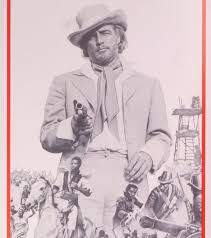
Based on Anselmo Suárez y Romero’s novel *Francisco*, the film reexamines the story as a socio‑economic study of slavery and class conflict. It contrasts the novel’s romanticized plantation view with a stark depiction of enslaved life across the Americas, and shows how the author’s background shaped his liberal, humanitarian dramatic choices.
Get a spoiler-free look at The Other Francisco (1975) with a clear plot overview that covers the setting, main characters, and story premise—without revealing key twists or the ending. Perfect for deciding if this film is your next watch.
The film transports viewers to a sun‑baked Cuban sugar plantation in the early nineteenth century, where the glittering promise of prosperity rests on the backs of enslaved laborers. By re‑examining Anselmo Suárez y Romero’s novel, the director trades the original’s romantic veneer for a stark, socio‑economic portrait that feels both intimate and journalistic. The cinematography alternates between lush, golden fields and claustrophobic interior spaces, reinforcing a mood that is simultaneously beautiful and oppressive, inviting the audience to sense the contradictions of a world built on domination.
At the heart of this world is Francisco, a boy sold to the estate at ten who, against the odds, learns to read and write under the exacting eye of Senora Mendlzabal, the plantation’s formidable matriarch. In the stables he forms a quiet, forbidden connection with Dorota, a maid whose presence offers a rare glimpse of tenderness amid the routine of labor. Their bond, observed and often constrained by the rigid hierarchy that also includes Ricardo, Senora’s son with his own ambiguous desires, creates a delicate web of affection, ambition, and suppressed yearning that propels the narrative forward.
The story is framed by reflective interludes that pull back from the personal to the political. Interviews with the novel’s author reveal his youthful liberal aspirations and the compromises he made in portraying slavery for a wide audience, while a commentary from Richard Madden, a British Empire agent, sketches the shifting economic calculations that make the institution of bondage increasingly untenable. These layered perspectives turn the film into a meditation on memory, class conflict, and the simmering impulse toward resistance, setting a tone that is as analytical as it is emotionally resonant.
Last Updated: December 04, 2025 at 18:17
Discover curated groups of movies connected by mood, themes, and story style. Browse collections built around emotion, atmosphere, and narrative focus to easily find films that match what you feel like watching right now.
Films that critically reexamine the past through a modern, unflinching lens.For viewers who appreciated the critical lens of The Other Francisco. This section features movies that deconstruct historical myths, offering stark reexaminations of past events with a focus on political and social critique, similar to films that challenge traditional narratives.
These narratives often unfold by juxtaposing a popular or accepted version of history with a harsher reality. They involve investigative or analytical frameworks, breaking down events to their socio-political roots and highlighting the suffering and resistance of those who were historically silenced.
Movies are grouped here for their shared commitment to historical critique. They connect through a dark, sobering tone, a methodical pace that allows for deep analysis, and a complex structure that often layers multiple perspectives to challenge the viewer's understanding of the past.
Unflinching stories about the crushing weight of systemic injustice and rebellion.If you were affected by the grim depiction of slavery in The Other Francisco, explore these movies. They share a focus on the brutal realities of oppression, themes of tragic love and rebellion within inhuman systems, and emotionally devastating conclusions.
Stories in this thread typically follow characters trapped within an unforgiving system—be it slavery, totalitarianism, or extreme poverty. A central conflict arises from the tension between survival and rebellion, often intertwined with a tragic personal relationship. The narrative arc is typically downward, culminating in sacrifice, defeat, or a pyrrhic victory that underscores the system's devastating power.
These movies are united by their oppressive atmosphere, high emotional intensity, and bleak conclusions. They share a dark tone, steady pacing that builds dread, and a heavy emotional weight derived from themes of brutality, betrayal, and the high cost of resistance.
Don't stop at just watching — explore The Other Francisco in full detail. From the complete plot summary and scene-by-scene timeline to character breakdowns, thematic analysis, and a deep dive into the ending — every page helps you truly understand what The Other Francisco is all about. Plus, discover what's next after the movie.
Read a complete plot summary of The Other Francisco, including all key story points, character arcs, and turning points. This in-depth recap is ideal for understanding the narrative structure or reviewing what happened in the movie.
Track the full timeline of The Other Francisco with every major event arranged chronologically. Perfect for decoding non-linear storytelling, flashbacks, or parallel narratives with a clear scene-by-scene breakdown.
Discover the characters, locations, and core themes that shape The Other Francisco. Get insights into symbolic elements, setting significance, and deeper narrative meaning — ideal for thematic analysis and movie breakdowns.
Visit What's After the Movie to explore more about The Other Francisco: box office results, cast and crew info, production details, post-credit scenes, and external links — all in one place for movie fans and researchers.