Plot Explained Spoilers guaranteed!
Plot Explained

Browse by genre

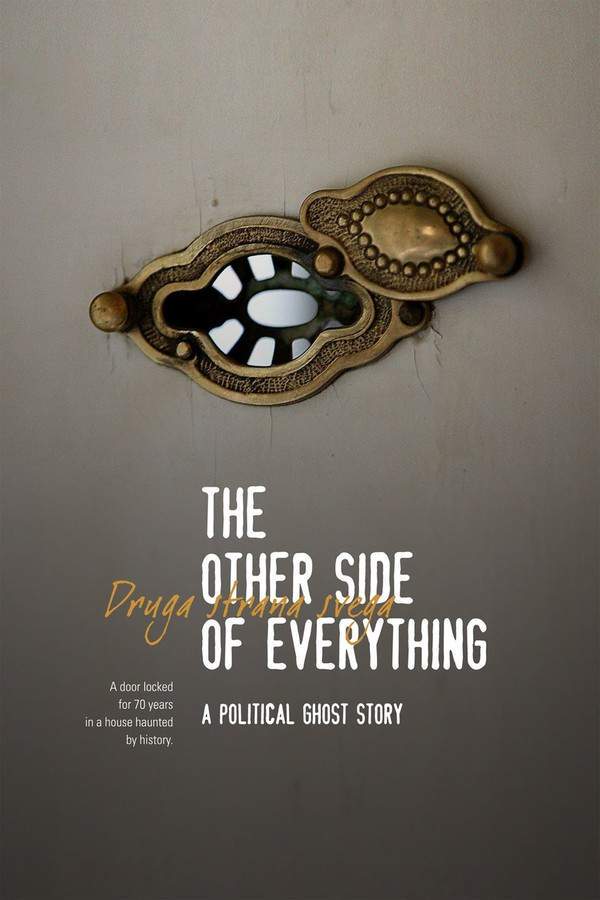
The Other Side of Everything (2018) movie poster

Timeline

The Other Side of Everything (2018) Timeline Explained – Every Event in Order

Release, runtime and language
2018 · 100 min · Serbian
Echo score 89
Directed by
Mila Turajlic

This documentary explores a Belgrade family's history through the lens of a unique door in their home. Director Mila Turajlić engages in a revealing conversation with her mother, the activist Srbijanka Turajlić, uncovering a wealth of untold stories. The house itself becomes a powerful symbol of Serbia's complicated past, revealing how personal experiences are inextricably linked to the nation's political and historical landscape. Through intimate recollections, the film examines the intersection of family, activism, and the enduring impact of history.

On this page (6)
  1. 1 Events in order (15)
  2. 2 Timeline questions answered
  3. 3 Movie threads
  4. 4 Movies like The Other Side of Everything
  5. 5 Categories
  6. 6 Every angle

15 events in order · contains spoilers

The Other Side of Everything Timeline: Events in Chronological Order

Every key event of The Other Side of Everything (2018) in order, scene by scene, with when and where it takes place. Use it to untangle flashbacks, time jumps and parallel storylines, to refresh your memory before the sequel or to find the exact scene you are thinking of.

  1. Introduction to Jake Hannaford

    The film opens in the early 1970s, introducing Jake Hannaford, an aging and once-prominent Hollywood director. It is revealed that he is celebrated and reviled in equal measure, struggling to revive his career on the cusp of his 70th birthday.

    When
    1970s
  2. Hannaford’s Birthday Party

    On the day of his birthday, guests gather at an Arizona ranch to celebrate Hannaford’s life and career. Tensions arise regarding the unfinished film, 'The Other Side of the Wind,' which has become a topic of speculative discussion among the attendees.

    When
    Hannaford's Birthday
    Where
    Arizona Ranch
  3. Failed Film Production

    The audience learns about the troubles surrounding Hannaford's latest film, which was marred by chaos when its star, John Dale, stormed off the set during a pivotal scene. This incident highlights the turmoil of Hannaford’s creative process and the challenges he faces.

  4. Screening of Unfinished Film

    An incomplete screening of 'The Other Side of the Wind' is held in an effort to secure funding from studio boss Max David. With Hannaford absent, former child star Billy Boyle awkwardly attempts to explain the film’s meaning, leaving the audience perplexed.

    Where
    Private Screening Room
  5. Journalists at the Party

    Amidst the festivities, journalists incessantly bombard Hannaford with invasive questions, particularly regarding his rumored sexuality. This reflects the scrutiny he faces and the public's fascination with his private life, despite his macho image.

    Where
    Arizona Ranch
  6. John Dale's Controversial Absence

    Several guests express concern over the absence of John Dale, the leading man who was discovered by Hannaford on the brink of suicide. As the party carries on, unsettling revelations unfold regarding Dale’s true intentions for leaving.

    Where
    Arizona Ranch
  7. Hannaford's Desperation

    As the night progresses, Hannaford’s drinking escalates, leading him to a moment of vulnerability. In the bathroom, he openly admits to Otterlake his desperation for assistance to reignite his career, signaling a shift in their dynamic.

    When
    During the Party
    Where
    Bathroom
  8. Power Outages

    A series of sudden power outages disrupt the party, casting a surreal tone over the evening. Guests continue to socialize by lantern-light, illustrating the chaotic and unpredictable nature of Hannaford’s life.

    Where
    Arizona Ranch
  9. Emotional Farewells

    With the realization that Otterlake will not provide the financial backing he hoped for, Hannaford and Otterlake have a poignant exchange. Their friendship faces a heartbreaking conclusion as they come to terms with their diverging paths.

    When
    Dawn
  10. Confrontation with Juliette Rich

    Intrusive journalist Juliette Rich pushes Hannaford to confront the most explicit questions regarding his sexuality. In a drunken rage, Hannaford slaps Rich, highlighting his deep frustrations and the consequences of public scrutiny.

    Where
    Arizona Ranch
  11. John Dale's Arrival

    As dawn breaks, an emotionally burdened John Dale finally arrives at the party, struggling to comprehend the tumultuous night that unfolded. He walks through the house, feeling the weight of missed connections and unspoken words.

    When
    Dawn
    Where
    Arizona Ranch
  12. The Final Drive

    In a final moment of desperation, Hannaford tries to coax Dale into his sports car, seeking camaraderie. When Dale refuses, Hannaford drives away alone, setting the stage for his tragic fate.

    When
    Dawn
    Where
    Arizona Ranch
  13. The Fatal Car Accident

    As Hannaford speeds away from the ranch, he meets a tragic end in a car crash. This event marks a definitive conclusion to his turbulent life, overshadowed by his fading legacy and unresolved personal conflicts.

    When
    Shortly After Dawn
    Where
    Road
  14. Screening Closure

    As the tragic events unfold, the screening of Hannaford’s symbolic film concludes with the few remaining viewers. The actress who starred in it is the last person watching, signifying the lonely aftermath of his life’s work.

    When
    Dawn
    Where
    Empty Drive-In Cinema
  15. Closing Narration

    In the aftermath of Hannaford's demise, his film’s closing narration plays out, reflecting on his turbulent experiences and the legacy he leaves behind. It becomes a poignant reminder of the complexities of his life and career.

Last updated: December 13, 2024 at 06:47

Was this helpful?

Timeline questions answered

The Other Side of Everything Timeline Explained: Your Questions Answered

When does it happen, and why in that order? The questions people ask about the chronology of The Other Side of Everything (2018): time jumps, flashbacks, cause and effect between scenes and the correct order of events, each answered with spoilers.

Q1

Why did John Dale storm off the set of Hannaford's film?

John Dale left the project because he was distressed by Hannaford's off-screen provocations during a vital scene. The screening reveals Dale exiting abruptly while clearly upset, though the exact nature of Hannaford's actions remains ambiguous. This departure left the film incomplete and became a central mystery at the birthday party.

Foreshadowing: Earlier hints at tension between the director and his star emerge during conversations about the film's troubled production.

  • john dale
  • storm off set
  • hannaford
  • film production
  • exit
Q2

What causes Hannaford's fatal car crash?

Hannaford dies in a car accident shortly after dawn. After John Dale refuses his offer for a ride in his sports car, Hannaford drives away alone and crashes. The precise cause isn't detailed, but his intoxicated state and emotional distress from the night's confrontations and rejections clearly contributed to the tragedy.

Foreshadowing: The build-up of alcohol consumption and emotional breakdowns throughout the evening foreshadows this tragic conclusion.

  • jake hannaford
  • car crash
  • death
  • accident
  • fatal
Q3

Was John Dale's suicide attempt real?

John Dale's suicide attempt was a ruse. Hannaford discovered Dale preparing to jump into the Pacific Ocean and rescued him, believing he was saving a desperate man. However, it later emerges that Dale had journeyed to Mexico specifically to find Hannaford, suggesting the suicide attempt was staged to get close to the director.

Foreshadowing: The mysterious circumstances surrounding Dale's discovery and Hannaford's unusual story about finding him plant seeds of doubt.

  • john dale
  • suicide attempt
  • mexico
  • ruse
  • hannaford
Q4

Why do journalists keep asking about Hannaford's sexuality?

Journalists persistently question Hannaford's sexual orientation because of his contradictory public persona. Despite projecting an overtly masculine image, he has a history of seducing the partners of his leading men. The invasive questions reflect the public's speculation about whether he is a closeted homosexual, and journalist Juliette Rich pushes these questions aggressively throughout the party.

Foreshadowing: Hannaford's pattern of pursuing his leading men's partners establishes his ambiguous relationships early in the narrative.

  • journalists
  • sexuality
  • questions
  • juliette rich
  • speculation
Q5

What is the relationship between Hannaford and Brooks Otterlake?

Brooks Otterlake is Hannaford's former protégé who achieved success by emulating his mentor's style. At the birthday party, Otterlake represents Hannaford's legacy and potential future. Hannaford desperately seeks financial support from Otterlake to complete his film, but Otterlake refuses, leading to a fractured friendship. The dynamic represents the passing of the torch and the tension between old and new Hollywood.

Foreshadowing: Otterlake's admission that his achievements came from carefully observing Hannaford establishes their mentor-student bond.

  • brooks otterlake
  • protégé
  • mentor
  • friendship
  • financial support
Q6

What is Hannaford's unfinished film about?

Hannaford's experimental film 'The Other Side of the Wind' was intended to revive his failing career but remains incomplete. The screening at his party shows garbled segments featuring gratuitous scenes of sex and violence that yield mixed, indecipherable results. Billy Boyle awkwardly attempts to explain its meaning but only adds to the confusion. The film within the film appears to be a symbolic, provocative work that reflects Hannaford's own turbulent artistic struggles.

Foreshadowing: The constant references to the film's troubled production and the secretive nature of its content build anticipation.

  • unfinished film
  • the other side of the wind
  • screening
  • billy boyle
  • experimental
Q7

What causes the power outages during the party?

The power outages during Hannaford's party are sudden and unexplained, creating a surreal atmosphere. They force guests to gather by lantern light and continue viewing the unfinished film at the drive-in cinema. The outages seem to reflect the chaotic, unpredictable nature of Hannaford's life and add to the film's melancholic, surreal tone.

Foreshadowing: The outages arrive after Hannaford's emotional breakdown in the bathroom, intensifying the sense of decline.

  • power outage
  • party
  • ranch
  • drive-in
  • surreal
Q8

Why does Hannaford break down in the bathroom?

Hannaford breaks down in the bathroom because his desperation to revive his failing career becomes overwhelming. intoxicated, he pleads with Otterlake for help to rejuvenate his faltering career, revealing his vulnerability. This moment marks a shift in his persona from the confident director to a desperate man facing the end of his legacy.

Foreshadowing: Earlier scenes of journalists' invasive questions and the scrutiny of his personal life build the psychological pressure.

  • bathroom
  • breakdown
  • drunk
  • desperation
  • otterlake
Q9

What does the final narration mean?

The final narration states 'The story must go on' as Hannaford's film concludes on the empty drive-in screen. This line reflects the film's thematic core, that art and legacy persist despite personal ruin. It is bittersweet: Hannaford is dead, but his work survives in some form, suggesting that creative expression transcends the artist's mortality.

Foreshadowing: The title 'The Other Side of the Wind' and the experimental nature of Hannaford's film hint at themes of transformation and continuation.

  • final narration
  • the story must go on
  • legacy
  • conclusion
  • meaning
Q10

Why does Billy Boyle explain the unfinished film?

Billy Boyle, Hannaford's former child star and loyal friend, is tasked with explaining the unfinished film's content during the private screening because Hannaford himself is absent. However, Boyle's explanations fall flat and only add to the audience's confusion about the film's meaning, reflecting the chaos and incomprehensibility of Hannaford's final artistic vision.

Foreshadowing: Boyle's long-standing loyalty to Hannaford is established early, explaining why he would attempt this difficult task.

  • billy boyle
  • screening
  • explain
  • unfinished film
  • max david
Q11

Why does Hannaford slap Juliette Rich?

Hannaford slaps journalist Juliette Rich because she persistently pushes invasive questions about his sexuality despite his intoxication and obvious distress. Her bold intrusiveness finally triggers his rage, leading to the violent reaction that highlights his frustration with public scrutiny and his inability to control his narrative.

Foreshadowing: Rich's earlier aggressive questioning establishes her as a persistent antagonist throughout the evening.

  • juliette rich
  • slap
  • journalist
  • confrontation
  • sexuality
Q12

Why won't Otterlake financially support Hannaford's film?

Otterlake refuses to provide the financial support Hannaford desperately needs, though the exact reasons are not explicitly stated. The refusal leads to a sorrowful realization that their friendship may be irreparably fractured. This moment represents Hannaford's complete abandonment by those who benefited from his legacy, underscoring his tragic isolation.

Foreshadowing: The tension between them builds throughout the evening as Hannaford's desperation increases.

  • otterlake
  • financial support
  • refusal
  • friendship
  • fracture

Movie threads

More Movies Like The Other Side of Everything, by Mood & Story

Curated lists built around what makes The Other Side of Everything tick: the same mood, the same kind of story or the same emotional payoff. Each list explains why these movies belong together.

Documentaries of Personal History like The Other Side of Everything

A family's story becomes a powerful lens on a nation's turbulent history. If you liked The Other Side of Everything, explore more movies that use intimate family stories to unpack national history. These documentaries connect personal memories to political landscapes, offering a deeply human perspective on major events. Films in this thread share a reflective, melancholic tone and a focus on legacy.

  • reflective
  • historical
  • melancholic
  • intimate
  • nostalgic
  • unraveling
  • Tone: melancholic, reflective
  • Pacing: steady, contemplative
Why these movies?

The story pattern: Stories in this thread unfold through personal recollections, family artifacts, and interviews, weaving together individual lives with the fabric of a nation's past. The narrative often moves between past and present, revealing how historical forces have directly shaped personal identities and family dynamics.

Why they belong together: These films are grouped by their unique approach to history, prioritizing emotional truth and personal testimony over objective facts. They share a melancholic, reflective tone and a steady pacing that allows for deep immersion into the connections between the private and the political.

Movies with Bittersweet Legacies like The Other Side of Everything

Stories where a heavy past leads to a complex, bittersweet conclusion. Find movies similar to The Other Side of Everything that explore heavy themes and end on a bittersweet note. If you appreciated its complex look at legacy and history, you'll find more stories here with a melancholic tone, high emotional weight, and a focus on how the past informs the present.

  • melancholic
  • bittersweet
  • grieving
  • reflective
  • heavy
  • anxious
  • Tone: melancholic, bittersweet
  • Pacing: steady, immersive
Why these movies?

The story pattern: The narrative pattern involves characters confronting a burdensome past—be it familial, national, or creative. The central conflict is often internal, a struggle to reconcile with history. The journey is emotionally taxing, leading to an ending that acknowledges loss and pain but also finds a sliver of meaning, continuity, or fragile hope within the ruins.

Why they belong together: These movies are united by a specific emotional mix: a high-intensity, heavy viewing experience dominated by melancholy, paired with a pacing that allows for deep reflection, and culminating in a bittersweet resolution that acknowledges complexity rather than offering simple closure.

If you liked this

Movies Like The Other Side of Everything

Similar movies to The Other Side of Everything: the same genre, themes or kind of story. Each one comes with its own plot summary, timeline and ending explained.

Browse all movie summaries

Categories

Movie Lists Featuring The Other Side of Everything

The Other Side of Everything appears in these hand-built movie categories. Each one groups movies by a specific mood, theme or story type, with their plot summaries and endings explained.

View all movie categories

Every angle

The Other Side of Everything (2018) Explained: Plot, Timeline & Characters

Everything about The Other Side of Everything in one place: what happens in the plot summary, the timeline in chronological order, the characters and meaning and a spoiler-free summary. What's After the Movie adds the cast, box office and post-credit scenes.

Coming soon on iOS and Android

The Plot Explained Movie Summary App

Plot summaries, endings explained and timelines on your phone. Catch up on any movie in minutes, save your favorites and never miss a twist again.

Be the first to know when we launch. Your email stays private, always.

Learn more about the app