Year: 1972
Runtime: 108 min
Language: English
Director: Robert Mulligan
During a sweltering summer in 1935, a small American farm experiences a string of disturbing and violent incidents. The unsettling events draw the attention of two strikingly similar twin girls and their strained family, forcing them to confront a sinister presence hidden beneath the seemingly peaceful community. As the mysteries deepen, the family must grapple with the dark forces at play and the secrets that threaten to tear them apart.
Warning: spoilers below!
Haven’t seen The Other yet? This summary contains major spoilers. Bookmark the page, watch the movie, and come back for the full breakdown. If you're ready, scroll on and relive the story!
Read the complete plot breakdown of The Other (1972), including all key story events, major twists, and the ending explained in detail. Discover what really happened—and what it all means.
In the quiet rural town of Pequot Landing, Connecticut, in 1935, the life of 12-year-old Niles Perry (Chris Udvarnoky) is shaped by a mixture of innocence, curiosity, and the dark shadows cast by recent tragedies. Niles shares his world with his mischievous twin brother, Holland (Martin Udvarnoky), whose impish nature often leads them into trouble. A significant family heirloom, a family emblem ring decorated with a peregrine falcon, holds sentimental value and was handed down from their grandfather after their father’s untimely death the year before. Holland, once the bearer of the ring, later presents it to Niles, symbolizing their bond amidst the troubling events surrounding their family.
Their home is filled with a cast of characters, including their widowed mother, Alexandra (Diana Muldaur), who struggles with emotional fragility since her husband’s death, and their caring grandmother, Ada (Uta Hagen), whose gentle guidance offers Niles comfort. The family also includes Aunt Vee (Norma Connolly), Uncle George (Lou Frizzell), their daughter Torrie (Jenny Sullivan) and her new baby, as well as other relatives and farmhands, all living amidst the serene but sometimes unsettling countryside.
The story begins with Niles’ innocent admiration for his family heirloom and the sense of pride he feels in belonging to his family’s lineage. But this idyllic innocence is soon disrupted by Holland’s mischievous actions, such as sneaking into Mrs. Rowe’s house, where an incident with a jar of preserves results in breaking it — Holland’s attempt to steal turning into blame-shifting. During their escapades, Niles is often caught up in Holland’s schemes, including a dangerous visit to the cellar, which has been off-limits since their father’s tragic death when the cellar door collapsed. Holland’s reckless acts intensify as he kills a pet rat in a fit of anger, and Niles is left devastated, burying the creature and seeking solace with his mother, Alexandra, who remains reclusive and emotionally distant, overwhelmed by grief.
The children’s curiosity leads them into other adventures, like sneaking into a carnival freak show where Niles becomes fascinated by a magician named Chan-yu, noticing how tricks are performed and imagining his own magical game. This interest in illusions reflects Niles’ longing for control and understanding in a world filled with confusing and sometimes frightening events. Holland, dressed as a magician, later offers a sinister twist on this magic by presenting a harmless trick that turns into a disturbing demonstration involving a live rat, further highlighting the darker edge of their childhood innocence.
Niles’ bond with Ada deepens as she teaches him to imagine himself as a soaring crow, a symbol of freedom and escape, which briefly offers solace from the turmoil around them. However, the peace is shattered when they hear an ear-shattering scream — Russell, their cousin, has impaled himself on a pitchfork in the hay, an event that leaves Niles overwhelmed with grief and confusion. The accident becomes a pivotal moment as Niles witnesses Leno Angelini, a farmhand, deeply distressed, taking responsibility for the tragedy, though Niles quietly reassures him it was an accident.
As the story unfolds, Niles uncovers disturbing secrets involving the family’s past and the dark deeds linked to his brother Holland’s reckless behavior. He finds a severed finger wrapped in tissue, a keepsake that hints at Holland’s violent acts. Memories of Holland’s death, which Niles recalls happened on their last birthday, come rushing back, revealing that Holland had fallen into the old well while attempting a gruesome prank. The revelation plunges Niles into despair and confusion, especially when Ada explains death as an essential part of life’s cycle, sharing her own childhood fears and how she found comfort in the idea of angels.
Tragedy continues to strike as Holland’s influence seems impossible to escape. The family’s problems culminate in a series of horrifying events, including the mysterious disappearance of their baby sister during a thunderstorm, and the disturbing realization that Holland, who is presumed dead, may still be tormenting Niles. Overcome with fear, Niles confronts the presence of his dead brother, accusing him of terrible deeds, including setting the fatal trap for Russell and causing harm to their mother, Alexandra. This culminates in a devastating scene where Alexandra is injured falling down the stairs, rendering her paralyzed and voiceless, adding to the family’s pain.
The climax builds as Niles, with the haunting memory of Holland’s like-in-death guidance, attempts to retrieve the sinister ring from his brother’s swollen hand by cutting off Holland’s finger. The scene is surreal and tragic, symbolizing Niles’ desperate attempt to hold onto his brother’s memory while facing the horrifying reality. The narrative reaches a tense moment with the discovery of the murdered baby’s body in a wine barrel, leading Ada to desperately attempt to contain the chaos by pouring kerosene around the barn to prevent Holland’s supposed return.
In the final scenes, the burned barn stands as a burnt memorial to the family’s tragedy, with Niles quietly watching from the sidelines as the house and barn remain scarred by the horrors that unfolded. Amidst the destruction, life continues—Torrie and Rider return with their new baby, and Niles resumes his innocent act of reading and imagining, carrying the emotional scars of a childhood overshadowed by loss, violence, and the haunting presence of a brother lost to time and death, or perhaps something darker still.
Last Updated: July 29, 2025 at 06:43
Discover curated groups of movies connected by mood, themes, and story style. Browse collections built around emotion, atmosphere, and narrative focus to easily find films that match what you feel like watching right now.
Creeping dread and dark family truths unearthed in isolated, pastoral settings.If you liked the slow-burn dread and family secrets of The Other, explore more movies like it. This thread features psychological thrillers and gothic dramas set in isolated rural communities, where a sinister past threatens to destroy a fragile present. These films share a melancholic tone, heavy emotional weight, and a focus on secrets that fester in close-knit settings.
Stories in this thread often begin with a seemingly idyllic or mundane rural setting that hides a deep-seated rot. The plot revolves around the gradual uncovering of a family secret, a historical tragedy, or a supernatural presence tied to the land. The narrative builds steadily, using the isolation to create a pressure cooker effect, leading to a climax where the hidden truth is violently or tragically exposed.
Movies are grouped here because they share a specific atmospheric blend: the use of a rural setting not just as a backdrop but as an active element of oppression. They combine a dark, melancholic tone with a steady pacing that methodically builds unease, focusing on themes of familial guilt, buried trauma, and the psychological impact of isolation.
Unsettling stories where a child's psyche fractures under the weight of grief and terror.For viewers who appreciated The Other's exploration of grief and trauma through a child's eyes, this thread collects similar movies. These films are heavy psychological dramas or horror stories centered on a child protagonist grappling with profound loss, family secrets, or a fractured sense of reality. They share a dark tone, high emotional intensity, and a focus on the haunting effects of trauma.
The narrative pattern follows a child protagonist who experiences a traumatic event, such as a death in the family. The story unfolds from their perspective, where reality becomes unreliable. Ghosts, visions, or malevolent forces may be real or manifestations of their grief and guilt. The plot steadily escalates the psychological pressure, culminating in a revelation or tragedy that underscores the enduring scars of the trauma.
These movies are grouped together because their primary source of unease and horror is the psychological state of a child. They share a high emotional weight, a dark tone, and a deliberate pacing that allows the audience to sit with the character's deteriorating mental state. The central theme is the exploration of how trauma warps perception and reality.
Don't stop at just watching — explore The Other in full detail. From the complete plot summary and scene-by-scene timeline to character breakdowns, thematic analysis, and a deep dive into the ending — every page helps you truly understand what The Other is all about. Plus, discover what's next after the movie.
Track the full timeline of The Other with every major event arranged chronologically. Perfect for decoding non-linear storytelling, flashbacks, or parallel narratives with a clear scene-by-scene breakdown.
Discover the characters, locations, and core themes that shape The Other. Get insights into symbolic elements, setting significance, and deeper narrative meaning — ideal for thematic analysis and movie breakdowns.
Get a quick, spoiler-free overview of The Other that covers the main plot points and key details without revealing any major twists or spoilers. Perfect for those who want to know what to expect before diving in.
Visit What's After the Movie to explore more about The Other: box office results, cast and crew info, production details, post-credit scenes, and external links — all in one place for movie fans and researchers.
Discover movies like The Other that share similar genres, themes, and storytelling elements. Whether you’re drawn to the atmosphere, character arcs, or plot structure, these curated recommendations will help you explore more films you’ll love.
The Other (1972) Scene-by-Scene Movie Timeline
The Other (1972) Movie Characters, Themes & Settings
The Other (1972) Spoiler-Free Summary & Key Flow
Movies Like The Other – Similar Titles You’ll Enjoy
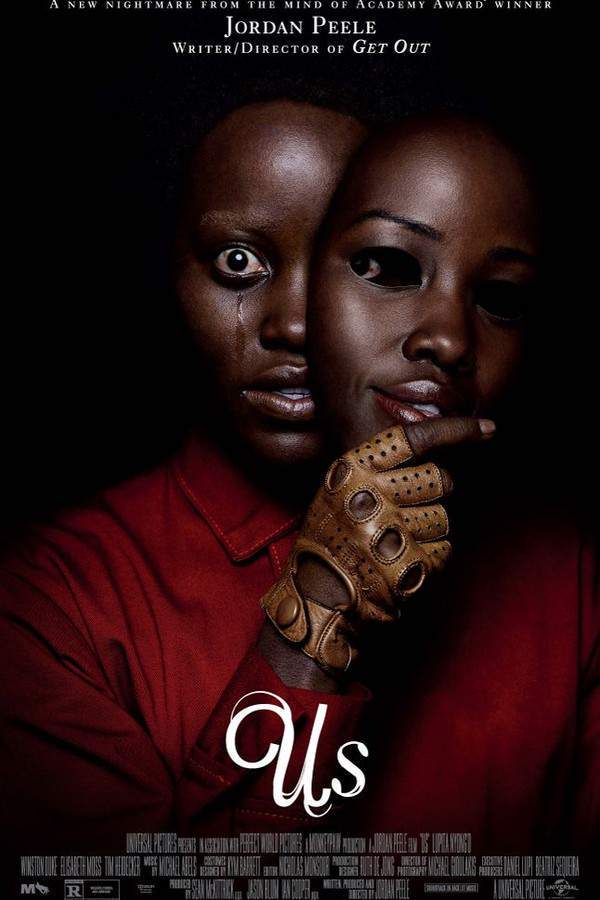
Us (2019) Full Movie Breakdown
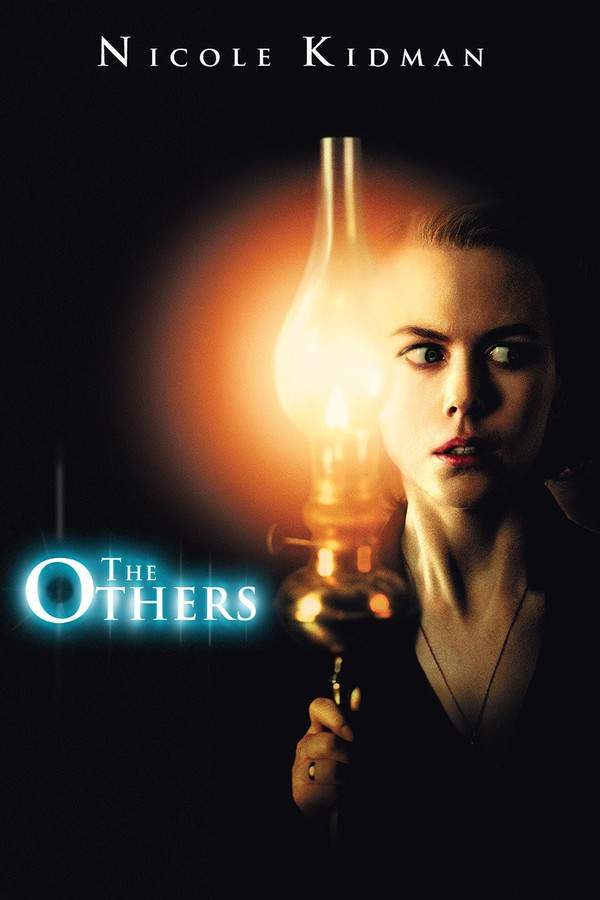
The Others (2001) Film Overview & Timeline
The Dark (2018) Story Summary & Characters
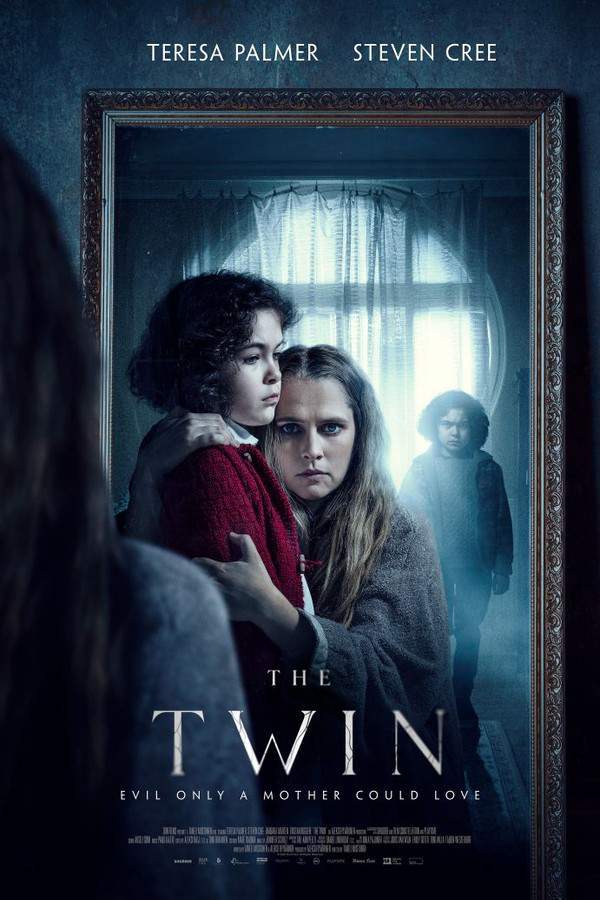
The Twin (2022) Full Summary & Key Details
The Other Side of the Door (2016) Movie Recap & Themes
The New Daughter (2009) Detailed Story Recap
The Other Side of the Street (2005) Film Overview & Timeline
The Other Lamb (2019) Ending Explained & Film Insights
Other Voices (2000) Full Movie Breakdown
The Other Hell (1981) Ending Explained & Film Insights
Missing: The Other Side (1000) Full Summary & Key Details
The Other Man (1994) Spoiler-Packed Plot Recap
The Other (1946) Detailed Story Recap
The Good Son (1993) Plot Summary & Ending Explained
The Other Woman (1992) Film Overview & Timeline