Plot Explained Spoilers guaranteed!
Plot Explained

Browse by genre

The Godsend (1980) movie poster

Plot Summary

The Godsend (1980) Plot Summary Explained

Release, runtime and language
1980 · 90 mins · English
Directed by
Gabrielle Beaumont
Starring
Anna Wing, Patrick Barr, Angela Pleasence, Corinne Skinner-Carter, James Snell, Malcolm Stoddard

When a pregnant stranger vanishes after giving birth, an English family of six adopts her infant, naming her Bonnie. As the children begin to die under mysterious circumstances, the parents grow increasingly convinced that the seemingly innocent girl may be harboring a deadly, supernatural secret. Mother vanished; deaths feel tied to Bonnie.

On this page (5)
  1. 1 What happens: full plot
  2. 2 Plot questions answered
  3. 3 Movie threads
  4. 4 Movies like The Godsend
  5. 5 Every angle

Full plot summary · contains spoilers

What Happens in The Godsend: Full Plot Summary

The whole story of The Godsend (1980) explained, from the opening scene to the final frame: every key event, every twist and what it all adds up to. Read it as a quick recap before the sequel, to check a scene you missed, or to finally understand what really happened.

Alan Marlowe and his wife Kate Marlowe are out for a walk with their kids—Davy, Lucy, Sam, and their baby Bonnie. A pregnant stranger, The Stranger, catches their attention, and she is invited into their home. From the moment she arrives, there’s something uneasy about her—the way she stares at [Alan Marlowe], a moment that doesn’t go unnoticed by him. When left briefly alone, she cuts their telephone line, and what begins as a tense intrusion quickly turns into something far more unsettling: she goes into labor, and Kate assists in delivering a baby girl. The next day, the woman has vanished, leaving behind the infant they’ve quietly started to care for, Bonnie, whom they decide to raise despite Alan’s misgivings.

The household is thrown into tragedy as Matthew, their own baby, is found dead in a playpen—an eerie coincidence that seems to shadow Bonnie’s arrival. At a family picnic, [Davy] and Bonnie wander off, and a desperate search ensues. Kate discovers Bonnie along a creek bank, hands scratched, while Alan discovers that [Davy] has drowned. An exhausting attempt at CPR proves futile for Davy. The family grapples with the notion that the scratches on Bonnie might be the price of Davy’s life, and the atmosphere fills with suspicion and grief. As time passes, Bonnie’s behavior grows increasingly destabilizing: she begins to break things, and [Sam] becomes the scapegoat in the eyes of others, even though he insists he didn’t do the damage. Kate finds herself torn between protection and fear, interpreting Sam’s alleged jealousy as a child’s response to their new sister.

During a hide-and-seek game, a chilling incident unfolds: [Sam] is found dead in a barn, and later Bonnie’s ribbon is found near the site where Sam died, deepening the sense that Bonnie is somehow connected to the family’s misfortunes. The Marlowes start receiving anonymous letters accusing them of harming their children, pushing Kate into a deepening depression. A reporter’s visit to the house unsettles Kate further, prompting Alan to propose moving the family to London in search of a safer, steadier life. Bonnie falls ill with the mumps, and she purposefully kisses Alan while he is resting, triggering his own illness and triggering a dream-like flashback to the earlier deaths and Bonnie’s involvement in each instance.

In a playground scene, Alan narrowly saves [Lucy] from harm when Bonnie, perhaps testing her power, sends an unoccupied swing toward Lucy’s path. The chains twist, but Lucy escapes unharmed, and Alan expresses his growing worry to Kate that Bonnie isn’t normal. Kate remains in denial, insisting Bonnie’s affection for Lucy mirrors her love for the three boys, even as Alan’s suspicions deepen. He articulates a theory about Bonnie—the notion of a sparking “cuckoo in the nest” that could be pushing others aside for Bonnie’s own attention—and pleads with Kate to consider sending Bonnie away. When Kate refuses, Alan absconds with Lucy, presenting Kate with a grim ultimatum: Bonnie or Lucy. She refuses to choose, and he leaves.

A wrenching turn follows: Kate is hospitalized after an accident, and Alan rushes back to London only to learn that Kate had been pregnant but miscarried due to the crash. Back at home, a neighbor, Mr. Taverner, reveals that Mrs. Taverner had taken Bonnie on a trip after Kate’s fall. Kate confronts Alan at his workplace to demand a divorce. The tension peaks when Alan discovers Bonnie is left home alone with Lucy. He calls Lucy to move next door to the Taverners, while Bonnie locks them inside and then uses some unseen control to coax Lucy into leaping from a window to her death. Alan fights Bonnie, but Mr. Taverner intervenes, pulling him away. Kate, faced with incredible pain and fear, decides to stay with Bonnie, while Alan walks away from the marriage and the house he once shared with them.

In the final moments, the reflective, anxious tone returns as Alan sits in a park and glimpses the pregnant stranger once more. The woman is accompanied by the mother who welcomed Bonnie into the world, a scene that hints at a disturbing cycle continuing beyond the family’s door. Alan chases after them, trying to warn the family circle, but the mysterious trio has already slipped away, leaving behind a haunting sense that some forces, and some fates, are larger than a single family’s attempt to live normal life.


Last updated: October 09, 2025 at 15:00

Was this helpful?

Plot questions answered

The Godsend Plot Explained: Your Questions Answered

The questions people ask most about The Godsend (1980): what happens in the confusing scenes, why the characters do what they do, the twists, hidden details and what the ending means. Each answer contains spoilers.

Q1

Why did the pregnant stranger leave her baby with the Marlowe family?

The pregnant stranger, who appears to be a supernatural being, deliberately chose the Marlowe family and gave birth in their home before vanishing. She left behind no explanation, but the ending reveals she is pregnant again, suggesting she intentionally inflicts these children on families as part of a repeating cycle. The family never learns her true motivations, and she disappears without a trace after the birth.

Foreshadowing: The woman stares at Alan intently from the moment she arrives, indicating she has selected him specifically.

  • pregnant stranger
  • baby bonnie
  • abandonment
  • supernatural mother
Q2

How did Davy die and why did Bonnie have scratches?

During a family picnic, Davy wandered away from the group and drowned in a creek. When Kate found Bonnie, she had scratches on her hands. The family interpreted this as Davy trying to save Bonnie from something in the water, though the exact circumstances remain unclear. The scratches became the first piece of evidence that linked Bonnie to the tragedies, though whether Bonnie caused the drowning or was merely present remains ambiguous.

Foreshadowing: The stranger's unsettling presence and the cut telephone line hint at her sinister nature before any deaths occur.

  • davy death
  • creek drowning
  • bonnie scratches
  • first death
Q3

Why does Kate refuse to send Bonnie away despite the deaths?

Kate develops an obsessive attachment to Bonnie, defending her even as evidence of her involvement accumulates. She interprets any suggestion of Bonnie's guilt as an attack on her own judgment for accepting the child. Kate's denial stems from her need to believe she made the right choice in keeping Bonnie, and she projects maternal affection onto Bonnie while dismissing the danger as paranoia. This refusal ultimately leads to the deaths of Sam and Lucy.

Foreshadowing: Kate immediately takes Bonnie's side when Sam is blamed for breaking things, showing her protective bias early.

  • kate marlowe
  • denial
  • protection
  • refuses bonnie
Q4

How did Sam die and what was the significance of Bonnie's ribbon?

During a game of hide and seek, Sam was found dead in a barn. When Kate investigated, she discovered Bonnie's ribbon near the scene. This concrete evidence, that Bonnie was present at the location where Sam died, deepened the family's suspicion that she was responsible. The specific detail of the ribbon moving from Bonnie to the crime scene suggests either direct involvement or that Bonnie somehow orchestrated the tragedy.

Foreshadowing: Earlier, Bonnie had been breaking things in the house while Sam was blamed, showing her destructive capability.

  • sam death
  • barn
  • ribbon evidence
  • mysterious death
Q5

What did Alan's dream reveal about Bonnie's involvement?

After Bonnie deliberately kisses Alan while he is ill with mumps, he experiences a dream-like sequence that shows flashbacks to each of his sons' deaths, Davy drowning and Sam in the barn, with Bonnie always present nearby. The dream confirms Alan's growing suspicion that Bonnie is responsible for the tragedies, suggesting she possesses some form of supernatural awareness or control over these events. It serves as a narrative device to connect all the deaths directly to Bonnie.

Foreshadowing: Alan's earlier observation of Bonnie as a 'cuckoo in the nest' attempting to push others aside foreshadows this revelation.

  • alan dream
  • flashback
  • death memories
  • supernatural vision
Q6

Why did Bonnie try to harm Lucy at the playground?

At a London playground, Bonnie deliberately causes an unoccupied swing to swing toward Lucy. The chain tangles dangerously, but Alan intervenes and saves Lucy. This incident demonstrates that Bonnie is willing to harm other children, not just the boys. It appears to be a test of her powers or an attempt to eliminate competition for parental attention. Lucy is the only child Kate explicitly says Bonnie loves, making this attempt at Lucy's life particularly significant.

Foreshadowing: Earlier, Kate notes Bonnie shows affection for Lucy specifically, making the attack an unexpected betrayal of that claimed bond.

  • playground attack
  • lucy
  • attempted murder
  • swing
Q7

How did Lucy die and was Bonnie responsible?

Alan leaves Lucy with the Taverner neighbors while he goes to work, but Bonnie locks Lucy inside the apartment and uses some unseen control to force Lucy to leap from a window to her death. Alan arrives too late to prevent it. This final tragedy cements the family's belief that Bonnie possesses mind-control abilities and is deliberately killing the children. It is the only death shown from start to finish as a direct result of Bonnie's actions.

Foreshadowing: The playground incident proved Bonnie could influence objects to harm others, this time applying that power to people directly.

  • lucy death
  • jump
  • window
  • mental control
  • killing
Q8

Is Bonnie a supernatural creature and what is she?

The film strongly implies Bonnie is not a normal child but a supernatural being. Evidence includes: the mysterious pregnant stranger who deliberately abandons her, the children's deaths occurring exclusively in her presence, her ability to cause objects to move without physical contact, and the dream sequence confirming her involvement in each death. The ending reveals the pregnant stranger is pregnant again, suggesting Bonnie is one of possibly many supernatural children born to harm families. The exact nature remains ambiguous, she could be demonic, cursed, or part of a wider predatory species.

Foreshadowing: From arrival, the stranger's unsettling behavior (cutting the phone line, intense staring) signals she is not human.

  • supernatural
  • demonic
  • origin
  • power
  • stranger
Q9

Who sent the anonymous letters accusing the Marlowes of murder?

The anonymous letters arrive after Sam's death, accusing the Marlowe parents of killing their own children. The source of these letters is never identified in the film. They may have come from neighbors suspicious of the family's tragedy, a tabloid reporter's campaign, or possibly supernatural forces attempting to further destabilize the family. The letters contribute to Kate's depression and the family's isolation, but their origin remains one of the film's unresolved mysteries.

Foreshadowing: The letters arrive shortly after Sam's death, intensifying external pressure on the grieving parents.

  • anonymous letters
  • accusations
  • mysterious letters
  • harassment
Q10

Why did Alan kidnap Lucy to force Kate to choose?

After the playground incident proves Bonnie tried to kill Lucy, Alan becomes desperate to remove Bonnie from the family. He kidnaps Lucy and presents Kate with an ultimatum: Bonnie leaves or Lucy leaves. Alan believes he can save at least one child by forcing Kate to finally acknowledge the danger. When Kate refuses to choose between them, Alan takes Lucy and leaves, though this ultimately fails to protect her since Bonnie follows them to London.

Foreshadowing: Alan had repeatedly pleaded with Kate to send Bonnie away, and his theory about Bonnie being a 'cuckoo' pushing others out shows his desperation.

  • kidnap
  • ultimatum
  • alan
  • choice
  • desperation
Q11

What does the ending scene mean with the pregnant stranger?

In the final scene, Alan spots the original pregnant stranger in a park, now visibly pregnant again. She is speaking with Bonnie's mother, the woman who raised Bonnie after birth. Alan chases after them to warn the family they are with, but the trio vanishes. This ending strongly suggests the entire cycle is repeating: the supernatural beings are deploying another child into another family, implying Bonnie was never an isolated incident but part of an ongoing predatory pattern.

Foreshadowing: The opening established the stranger chose the Marlowes deliberately; the ending confirms this was not unique.

  • ending
  • cycle
  • pregnant stranger
  • repeating pattern
  • warning
Q12

Why does Kate choose to stay with Bonnie after Lucy dies?

After Lucy jumps from the window, Alan attempts to kill Bonnie but is restrained by Mr. Taverner. Despite witnessing Lucy's death and having lost three of her own children to Bonnie's apparent influence, Kate chooses to remain with Bonnie. This choice represents her complete psychological break, she cannot accept that her decision to keep Bonnie was wrong, so she clings to the remaining relationship rather than face her own culpability. Her attachment to Bonnie has become more important to her than her surviving family.

Foreshadowing: Kate's earlier refusal to send Bonnie away, even when evidence mounted, predicted this final choice.

  • kate choice
  • stays with bonnie
  • family destroyed
  • denial

Movie threads

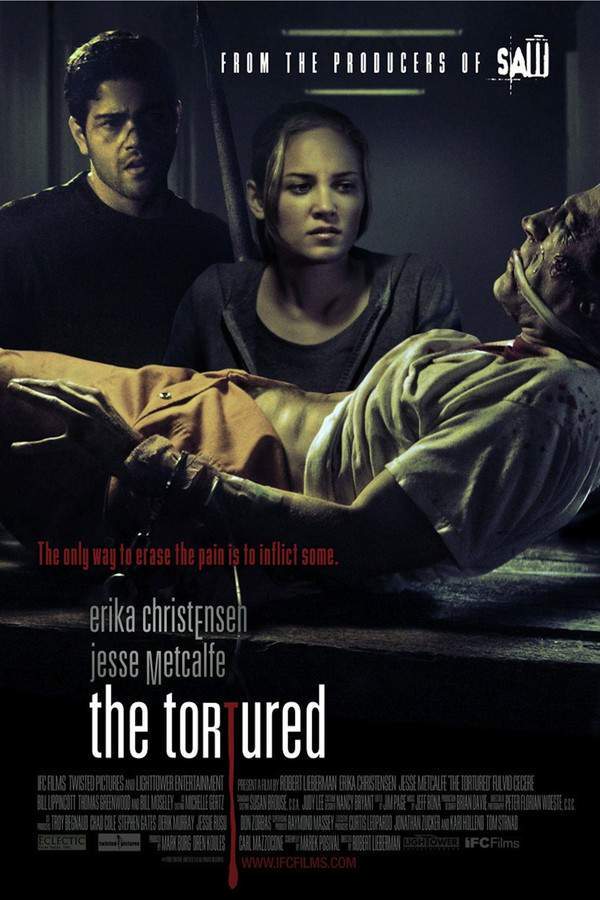
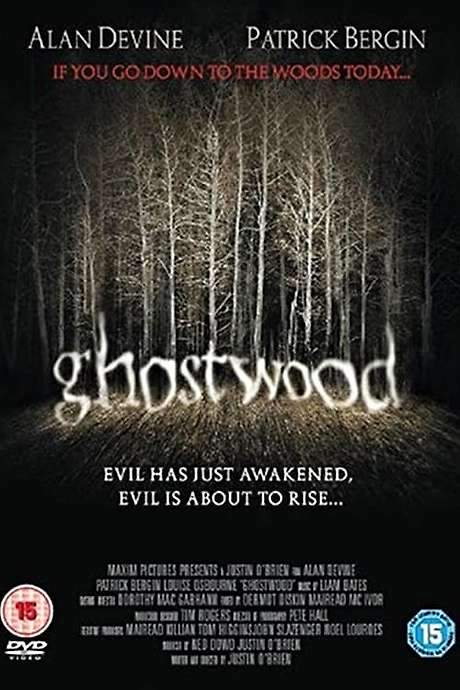
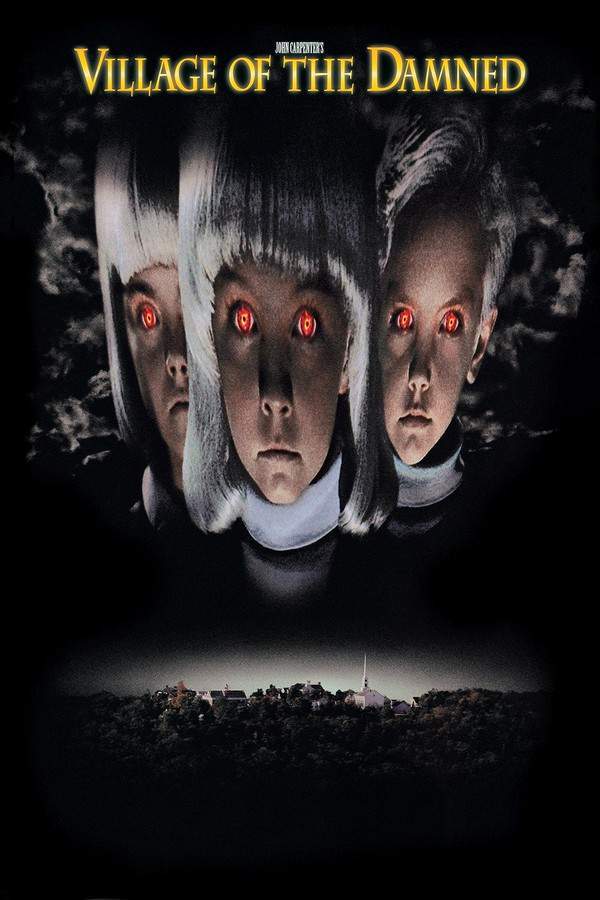
More Movies Like The Godsend, by Mood & Story

Curated lists built around what makes The Godsend tick: the same mood, the same kind of story or the same emotional payoff. Each list explains why these movies belong together.

Supernatural evil child movies like The Godsend

Stories where a seemingly innocent child harbors a malevolent, otherworldly threat. If you liked the chilling premise of The Godsend, explore more movies where a child is the source of supernatural terror. These films focus on the unease of a threat from within the family, blending psychological dread with supernatural horror for a uniquely unsettling experience.

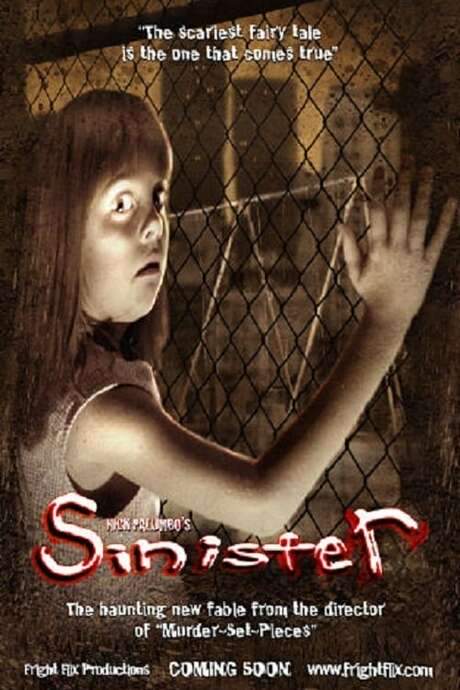
  • sinister
  • unsettling
  • paranoid
  • oppressive
  • dread-filled
  • supernatural horror
  • Tone: dark, sinister, unsettling
  • Pacing: steady, methodical
Why these movies?

The story pattern: Narratives in this thread typically follow a pattern of gradual discovery, where initial strange events escalate into undeniable supernatural occurrences. The central conflict involves family members or guardians slowly realizing the truth about the child, leading to a struggle between their protective instincts and the need to confront a horrifying reality.

Why they belong together: Movies are grouped here for their shared focus on the 'evil child' archetype as a central, supernatural antagonist. They create a specific brand of horror rooted in the violation of safety and trust, often leading to tragic consequences and a pervasive sense of paranoia.

Family tragedy horror films similar to The Godsend

Horror stories where a family is systematically destroyed by an unstoppable force. Find movies like The Godsend that deliver horror through the lens of family tragedy. If you were affected by the heavy emotional weight and bleak portrayal of a family unraveling, these recommendations offer similar experiences of grief and loss within a suspenseful framework.

  • grieving
  • downbeat
  • oppressive
  • suspenseful
  • tragic
  • psychological thriller
  • Tone: bleak, oppressive, grieving
  • Pacing: steady, unrelenting
Why these movies?

The story pattern: These stories unfold as a series of devastating losses, stripping away the family's members and sanity one by one. The emotional journey is central, charting a path from normalcy to profound grief and despair, often leaving survivors broken and the family structure irreparably shattered.

Why they belong together: These films are connected by their commitment to exploring the horror of familial collapse. The similarity lies in the oppressive mood, the high emotional weight centered on grief, and the bleak endings that emphasize the finality and devastation of the tragedy.

If you liked this

Movies Like The Godsend

Similar movies to The Godsend: the same genre, themes or kind of story. Each one comes with its own plot summary, timeline and ending explained.

Browse all movie summaries

Every angle

The Godsend (1980) Explained: Plot, Timeline & Characters

Everything about The Godsend in one place: what happens in the plot summary, the timeline in chronological order, the characters and meaning and a spoiler-free summary. What's After the Movie adds the cast, box office and post-credit scenes.

Coming soon on iOS and Android

The Plot Explained Movie Summary App

Plot summaries, endings explained and timelines on your phone. Catch up on any movie in minutes, save your favorites and never miss a twist again.

Be the first to know when we launch. Your email stays private, always.

Learn more about the app