Plot Explained Spoilers guaranteed!
Plot Explained

Browse by genre

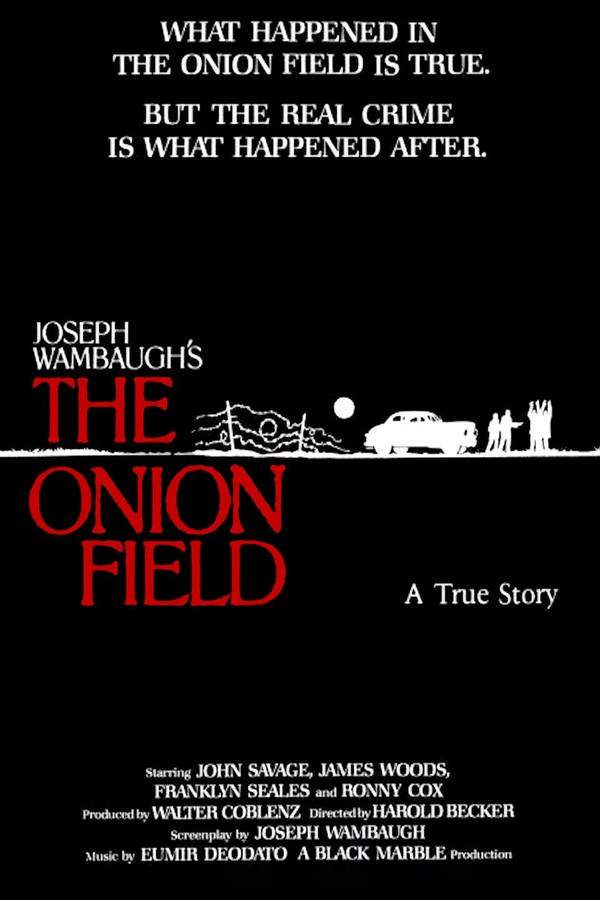
The Onion Field (1979) movie poster

Characters & Themes

The Onion Field (1979) Characters, Setting & Themes Explained

Release, runtime and language
1979 · 122 min · English
Loading streaming availability…
Directed by
Harold Becker
Starring
David Huffman, John Savage, Ronny Cox, James Woods, Christopher Lloyd, Ted Danson

In 1963 Los Angeles, Greg Powell, a manipulative and dangerous criminal, unexpectedly joins forces with Jimmy Youngblood, a small-time thief. Their lives take a dark turn when they are stopped by police officers, Detectives Hettinger and Campbell. A horrific crime leads to Hettinger's harrowing survival and a relentless pursuit of justice. The two criminals employ deceptive strategies to avoid capture, while Detective Hettinger is increasingly tormented by guilt and a burning desire for revenge.

On this page (8)
  1. 1 Where to watch
  2. 2 Characters explained (4)
  3. 3 Where & when it takes place
  4. 4 Themes & meaning (3)
  5. 5 Character & meaning questions
  6. 6 Movie threads
  7. 7 Movies like The Onion Field
  8. 8 Every angle
Loading streaming availability…

4 main characters · contains spoilers

The Onion Field Characters Explained: Who Is Who

The main characters of The Onion Field (1979), heroes and villains: what drives them, how they change over the course of the story and what each of them reveals about the film's bigger ideas.

  • Karl Hettinger

    played by David Huffman

    Karl Hettinger is a complex character haunted by guilt after surviving a tragic encounter that claimed his partner's life. His emotional turmoil manifests in various struggles, including nightmares and a decline in mental health. As he attempts to rebuild his identity, his journey reflects the challenges of overcoming trauma.

    • 🧑‍✈️ Police Officer
    • 😔 Survivor
  • Ian Campbell

    played by John Savage

    Ian Campbell is a dedicated LAPD officer whose life is tragically cut short during a fateful encounter. His character serves as a catalyst for Hettinger's subsequent guilt and emotional turmoil. Campbell’s death profoundly impacts the narrative, highlighting the fragility of life and the unpredictability of violence.

    • 👮 Officer
    • ⚰️ Tragedy
  • Greg Powell

    played by Ronny Cox

    Greg Powell is portrayed as a cunning and ruthless criminal whose actions directly lead to the harrowing events faced by the detectives. His character embodies the darkness that exists within individuals driven to violence. Powell's eventual fate raises questions about justice and accountability in the system.

    • 🔫 Criminal
    • ⚖️ Antagonist
  • Jimmy 'Youngblood' Smith

    played by James Woods

    Jimmy 'Youngblood' Smith is an accomplice in the criminal duo that terrorizes the detectives. His role adds to the tension of the narrative, reflecting the chaotic nature of their violent actions. Like Powell, Smith's character presents a challenge to notions of morality and justice.

    • 🔪 Accomplice
    • 🔥 Lawlessness

Last updated: October 22, 2024 at 23:21

Was this helpful?

Setting

Where and When Does The Onion Field Take Place?

The setting of The Onion Field (1979): the year and time period, the places and locations, and how they shape the characters, the mood and the tension of the story.

Time period

1963

The events take place in 1963, a time characterized by social upheaval and significant change in America. This period saw the emergence of numerous social movements and changes in law enforcement practices, particularly concerning issues of justice and capital punishment. The historical context adds depth to the characters' struggles, reflecting broader societal challenges.

Location

Los Angeles, Bakersfield, California

The story unfolds primarily in Los Angeles, known for its vibrant culture and bustling streets. The grim turning point occurs in the eerie onion fields near Bakersfield, California, symbolizing a dark chapter in the narrative. These fields serve not only as a backdrop for the abduction but also as a reminder of the choices that led the characters into a harrowing ordeal.

  • 🏙️ City
  • 🌾 Agricultural

Last updated: October 22, 2024 at 23:21

Was this helpful?

3 major themes

The Onion Field Meaning: Themes & Message Explained

What is The Onion Field (1979) really about? The emotional, social and philosophical themes the film keeps returning to, its symbolism and the message beneath the surface.

  • Justice

    The theme of justice is central to the narrative as it explores the consequences of crime and the flawed legal system. The abduction and murder highlight the failures within the law, leading to a complex relationship between the perpetrators and the justice they ultimately receive. Hettinger's journey reflects a personal quest for justice, as he seeks redemption amidst his guilt.

  • Guilt

    Guilt permeates the film, especially through Hettinger, who grapples with the loss of his partner. The emotional and psychological toll of surviving such a traumatic experience showcases the weight of unresolved feelings. This theme underscores the complexities of trauma and the lifelong impact it can have on an individual's psyche.

  • Redemption

    The pursuit of redemption is a significant aspect of Hettinger's journey, representing a desire to reclaim his life post-tragedy. His transition from a police officer to a gardener illustrates a yearning for renewal and healing. The theme of redemption highlights the possibility of starting anew, even after experiencing profound loss and guilt.

Last updated: October 22, 2024 at 23:21

Was this helpful?

Character & theme questions

The Onion Field Characters & Meaning: Your Questions Answered

The questions people ask about The Onion Field (1979): who the characters really are, their relationships, what the symbols mean, where it takes place and what the movie is really about. Each answer contains spoilers.

Q1

Where does the story take place?

The movie primarily takes place in Los Angeles, with a pivotal and haunting scene occurring in the onion fields near Bakersfield, California. These two locations contrast the urban environment where the detectives work with the remote, eerie setting of the abduction.

  • los angeles
  • bakersfield
  • onion fields
  • california
  • setting
Q2

What time period does the movie depict?

The events occur in 1963 Los Angeles, a period marked by significant social upheaval and changes in American society. This era saw the rise of various social movements and shifts in law enforcement practices, particularly regarding justice and capital punishment.

  • 1963
  • 1960s
  • time period
  • los angeles history
Q3

What is the significance of the onion fields in the story?

The onion fields near Bakersfield serve as the grim backdrop for the abduction and murder of Detective Campbell. This location symbolizes the darkness that descends upon the characters and represents the choices that lead them into tragedy, contrasting sharply with the bustling city life of Los Angeles.

  • onion fields
  • bakersfield
  • abduction scene
  • location symbolism
Q4

What does the movie say about justice?

The film explores how the criminal justice system fails both the victims and society at large. Hettinger's personal quest for justice drives his actions after surviving the attack, while the fate of the criminals raises questions about whether true accountability exists within the legal system.

  • justice
  • legal system
  • criminal justice
  • accountability
Q5

How does the movie explore guilt?

Guilt is central to Hettinger's character, as he grapples with surviving the attack that killed his partner Campbell. The psychological trauma manifests through nightmares and mental decline, showing how unresolved guilt can permanently affect someone's life and identity.

  • guilt
  • ptsd
  • trauma
  • survivor guilt
  • psychological impact
Q6

What does the film say about redemption?

Hettinger attempts to find redemption by leaving police work and starting a gardening business, representing a desire for renewal after profound loss. However, the movie presents this as a fragile escape rather than true healing, suggesting redemption is elusive after such trauma.

  • redemption
  • new beginning
  • healing
  • renewal
  • starting over
Q7

Who is Karl Hettinger?

Karl Hettinger is the central detective who survives a brutal attack that kills his partner Ian Campbell. Haunted by guilt and trauma, he becomes the emotional core of the film as he struggles with nightmares, mental decline, and a desperate attempt to rebuild his life after the tragedy.

  • karl hettinger
  • detective
  • survivor
  • protagonist
Q8

Who is Greg Powell?

Greg Powell is the cunning and ruthless criminal who leads the attack on the detectives. His manipulative nature and capacity for violence drive the central conflict of the movie, and his eventual fate raises questions about justice and accountability.

  • greg powell
  • criminal
  • villain
  • manipulator
Q9

Who is Jimmy Youngblood?

Jimmy 'Youngblood' Smith is the accomplice who works with Greg Powell in committing the violent crimes against the detectives. His role adds to the chaotic brutality of their actions and represents the moral darkness that exists within individuals capable of such violence.

  • jimmy youngblood
  • accomplice
  • criminal
  • secondary villain
Q10

Who is Ian Campbell?

Ian Campbell is the LAPD detective who is murdered alongside Hettinger during the violent encounter. His death serves as the catalyst for Hettinger's lifelong struggle with guilt and trauma, highlighting the randomness and fragility of life in the face of violence.

  • ian campbell
  • detective
  • victim
  • partner
Q11

Why is 1963 significant to the story?

The year 1963 was a time of significant social change in America, with emerging civil rights movements and evolving law enforcement practices. This historical context adds depth to the characters' struggles and reflects broader societal challenges around justice and institutional failures.

  • 1963
  • social change
  • civil rights
  • law enforcement history

Movie threads

More Movies Like The Onion Field, by Mood & Story

Curated lists built around what makes The Onion Field tick: the same mood, the same kind of story or the same emotional payoff. Each list explains why these movies belong together.

Movies about psychological survival like The Onion Field

Intense portrayals of the long, devastating road to recovery after a traumatic event. Discover a selection of movies like The Onion Field that explore the heavy psychological toll of surviving trauma. These films depict the gritty, often painful reality of life after a catastrophic event, focusing on themes of PTSD, survivor's guilt, and the struggle for normalcy.

  • harrowing
  • somber
  • haunted
  • desperate
  • psychological
  • grim
  • Tone: dark, somber, haunting
  • Pacing: steady, character-focused
Why these movies?

The story pattern: These narratives typically follow a two-act structure: a harrowing inciting event followed by an extended, sometimes lifelong, second act focused on the survivor's psychological deterioration. The conflict is internal, pitting the character against their own memories, fears, and guilt, often with a system that fails to provide adequate support.

Why they belong together: Movies are grouped here for their unflinching focus on the internal, emotional consequences of trauma. They share a heavy, somber mood, a character-driven pace that allows for deep psychological exploration, and a commitment to portraying the messy, non-linear reality of recovery.

Bleak true crime procedurals like The Onion Field

Gritty, fact-based crime stories where the legal process and psychological fallout are the real drama. If you liked the procedural realism and psychological grit of The Onion Field, explore these similar true crime stories. These films focus on the grinding details of criminal investigations and trials, often leading to somber or tragic conclusions that highlight the deep human cost of violence.

  • gritty
  • realistic
  • grim
  • procedural
  • somber
  • tense
  • Tone: dark, grim, realistic
  • Pacing: steady, procedural
Why these movies?

The story pattern: The narrative pattern is linear and procedural, meticulously following real events from crime to arrest to trial. The drama arises from the psychological strain on the characters—the trauma of victims, the manipulation by perpetrators, and the often-frustrating journey through the legal system—rather than from action set pieces.

Why they belong together: These films are united by their commitment to a realistic, unglamorous portrayal of crime and justice. They share a dark, grim tone, a steady, methodical pacing, and a heavy emotional weight driven by the focus on authentic human suffering and the complexities of the legal aftermath.

If you liked this

Movies Like The Onion Field

Similar movies to The Onion Field: the same genre, themes or kind of story. Each one comes with its own plot summary, timeline and ending explained.

Browse all movie summaries

Every angle

The Onion Field (1979) Explained: Plot, Timeline & Characters

Everything about The Onion Field in one place: what happens in the plot summary, the timeline in chronological order, the characters and meaning and a spoiler-free summary. What's After the Movie adds the cast, box office and post-credit scenes.

Coming soon on iOS and Android

The Plot Explained Movie Summary App

Plot summaries, endings explained and timelines on your phone. Catch up on any movie in minutes, save your favorites and never miss a twist again.

Be the first to know when we launch. Your email stays private, always.

Learn more about the app