Plot Explained Spoilers guaranteed!
Plot Explained

Browse by genre

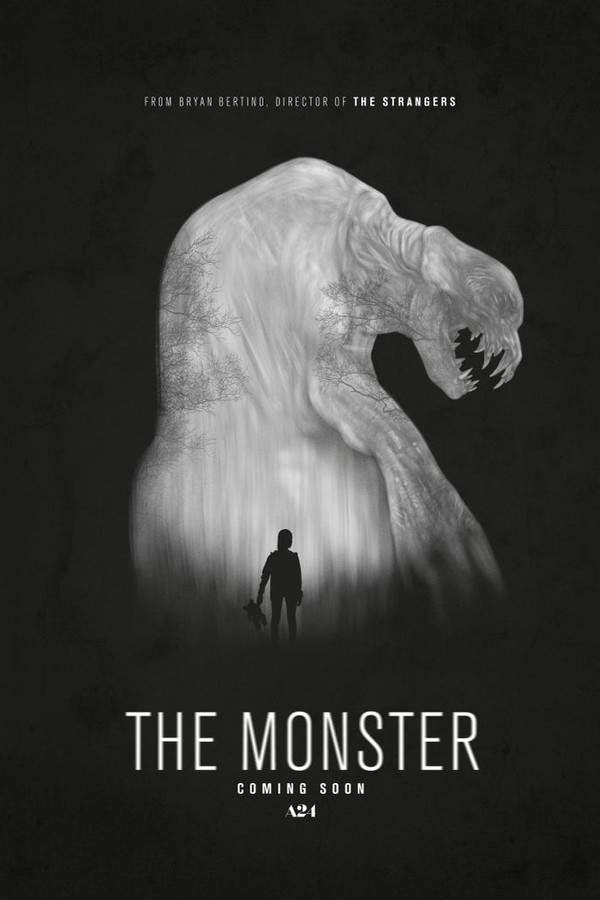
The Monster (2016) movie poster

Ending Explained

The Monster (2016) Ending Explained – Final Scene & Meaning

Release, runtime and language
2016 · 91 min · English
Loading streaming availability…
Directed by
Bryan Bertino

During a fierce storm, a mother and daughter set out on a late-night drive to visit the girl’s father. A sudden accident leaves them isolated on a deserted road, and they soon realize they are not alone. A terrifying presence emerges from the surrounding woods, stalking them and determined to keep them trapped in a nightmare.

On this page (7)
  1. 1 Where to watch
  2. 2 What happens at the end
  3. 3 Final events in order
  4. 4 Ending questions answered
  5. 5 Movie threads
  6. 6 Movies like The Monster
  7. 7 Every angle
Loading streaming availability…

Ending explained · contains spoilers

What Happens at the End of The Monster?

How The Monster (2016) ends, what the final scene means, which earlier moments set it up and how to read the ending if the film leaves it open. The full ending explained, with every spoiler.

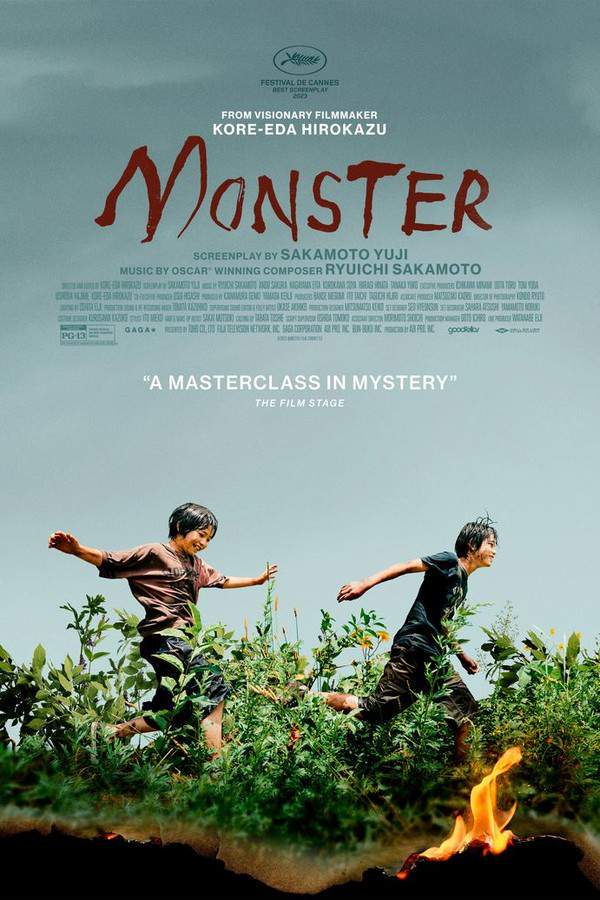
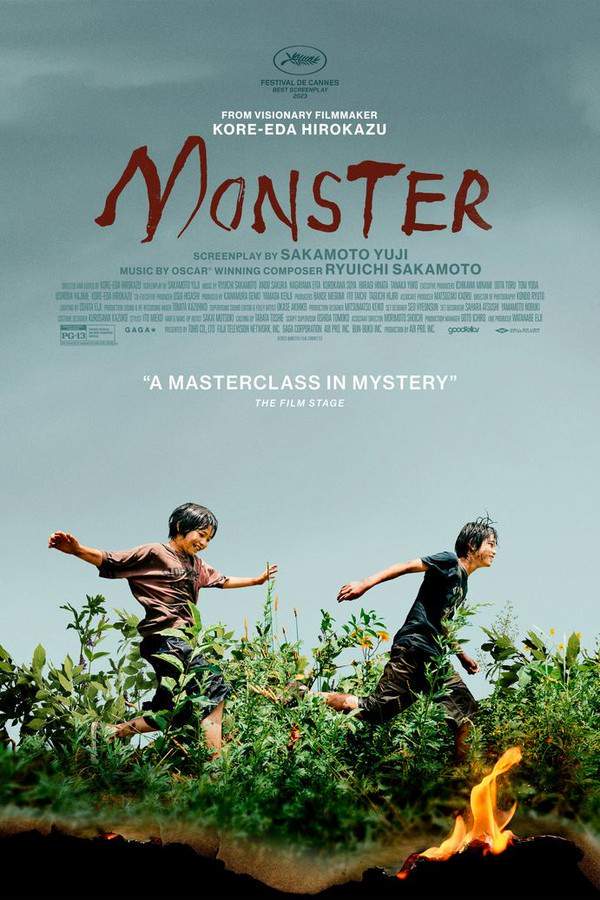
The ending of Monster is a profound reflection on innocence, misunderstanding, and the societal forces that shape our perceptions of right and wrong. Throughout the film, Minato’s lies and the accusations against Mr. Hori create a web of confusion and suspicion, blurring the lines between guilt and innocence. As the story unfolds, it becomes clear that many of the perceived threats—Hori’s nervousness, the bullying, the rumors—are based on misunderstandings fueled by societal prejudices and parental insecurities. Hori's perspective reveals that he was wrongly accused, his actions driven by a desire to intervene and protect in a moment of chaos, not by malice.

The story also explores the complex relationship between Minato and Yori, highlighting how societal expectations and family traumas distort their realities. Minato, shaped by his mother’s overprotectiveness and her denial of past family abuses, struggles with internal conflicts about his feelings and identity. Yori’s abusive father, the source of Yori's insecurities, reflects how toxic environments instill belief in monsters instead of safety. The children’s shared moments of happiness in their secret hideaway symbolize their longing for freedom from these crushing expectations and fears.

The film’s ending underscores a powerful wish: that Minato and Yori might escape the hurt, lies, and societal monsters that threaten to consume them. Despite the uncertain likelihood of their survival, the ending leans into hope, imagining a future where the children can run free and live authentically. It emphasizes that true happiness and innocence should not be confined by societal norms or family secrets and that, ideally, these children should find safety and acceptance beyond the chaos that surrounds them. Ultimately, the film leaves us with a poignant reminder that the fight for genuine understanding and love is ongoing, and that the monsters we fear often come from within or are shaped by the world’s prejudices. The ending invites viewers to reflect on what should be—truth, kindness, and freedom—over the harsh realities of what is.

Last updated: June 25, 2025 at 08:59

Was this helpful?

The last 4 events

How The Monster Ends: The Final Events in Order

The last events of The Monster (2016) in chronological order, the run-up to the ending explained above. The complete timeline has all 14 events, scene by scene.

Open the full timeline
  1. Kathy's Demise

    Tragically, Kathy is attacked, leaving her lifeless body lying in the woods. Lizzy's rage and grief propel her to confront the creature head-on as she prepares for a final stand.

    When
    Night
    Where
    Dense Woods
  2. Final Confrontation

    Using her mother’s lighter and a spray can, Lizzy creates a blaze to lure the monstrous creature towards her. In a desperate struggle, she ensures the creature's defeat by delivering a final blow with a large stick.

    When
    Night
    Where
    Dense Woods
  3. Flashback of Regret

    In a haunting flashback, Lizzy remembers a bitter confrontation with her mother, where Kathy, under the influence of alcohol, expressed her fears that Lizzy would surpass her in life. This memory adds emotional depth to Lizzy's journey.

  4. Emergence into Dawn

    As dawn breaks, Lizzy emerges from the dark woods, symbolizing her transformation and resilience after facing unimaginable horrors. This moment signifies not just survival, but a new beginning and hope for her future.

    When
    Dawn
    Where
    Dense Woods

Ending questions answered

The Monster Ending: Your Questions Answered

The questions people ask most about the ending of The Monster (2016): what the final scene means, how the twist works, what happens to each character and how to read the ending. Each answer contains spoilers.

Q1

Why was Mr. Hori wrongly accused by Minato?

Mr. Hori was wrongly accused because Minato's lies created a web of confusion and suspicion. During a moment of chaos, Hori was simply trying to intervene and protect the children, but his nervousness and the rumors spread by other students fueled misunderstandings. These misunderstandings were amplified by societal prejudices and parental insecurities, leading everyone to believe Hori had malicious intentions when he was actually acting out of concern.

Foreshadowing: Earlier scenes showing Hori's nervous demeanor around the children set the groundwork for the false accusations.

  • mr hori
  • minato
  • accusation
  • false accusation
  • teacher
Q2

What happens to Minato and Yori at the end?

The ending implies that Minato and Yori escape the hurt, lies, and societal pressures that have been consuming them. While the film acknowledges their survival is uncertain, it leans toward hope, imagining a future where the children can run free and live authentically, away from the toxic environments that distorted their realities.

Foreshadowing: Their secret hideaway throughout the film represents their longing for freedom.

  • minato
  • yori
  • ending
  • escape
  • future
Q3

Why did Minato lie about Mr. Hori?

Minato's lies were shaped by his mother’s overprotectiveness and her denial of past family abuses. This environment created internal conflicts about his feelings and identity, causing him to act out in ways that inadvertently accused an innocent man. His distorted reality was a product of the trauma and societal expectations placed upon him.

Foreshadowing: Minato's troubled relationship with his mother is established early in the film.

  • minato
  • lie
  • motivation
  • mother
  • trauma
Q4

What do the societal monsters represent in the ending?

The societal monsters represent the prejudices, family secrets, and toxic expectations that harm children. The film suggests that the real monsters are not literal creatures but the harmful forces within families and society, abusive fathers, overprotective parents spreading misinformation, and community rumors that destroy innocent people's reputations. These forces trap children in fear rather than providing safety.

Foreshadowing: Yori's abusive father and the bullying throughout school establish the theme of toxic environments.

  • societal monsters
  • prejudice
  • toxic family
  • abuse
  • theme
Q5

What is the message about truth and understanding in the ending?

The ending delivers a poignant reminder that the fight for genuine understanding and love is ongoing. It invites viewers to reflect on what should be, truth, kindness, and freedom, over the harsh realities of what actually exists. The film argues that true happiness and innocence should not be confined by societal norms or family secrets, and that children deserve safety and acceptance beyond the chaos that surrounds them.

Foreshadowing: The contrast between the children's hope and the adults' prejudices builds this theme throughout.

  • truth
  • understanding
  • message
  • theme
  • innocence
Q6

How do family traumas affect the children in the story?

Family traumas deeply distort the children's realities. Minato is shaped by his mother’s overprotectiveness and denial of past abuses, while Yori's abusive father instills insecurities and a belief in monsters rather than safety. These toxic environments cause the children to perceive threats where there may be none and struggle with their identities and relationships.

Foreshadowing: Yori's fear and Minato's conflicting loyalty to his mother hint at their respective family issues.

  • family trauma
  • abuse
  • parenting
  • effects on children
Q7

Why is the ending considered hopeful despite the darkness?

The ending is hopeful because it imagines Minato and Yori escaping the hurt and lies to find freedom. Even though their survival is uncertain within the story's reality, the narrative leans toward possibility, visualizing a future where they can live authentically, free from societal norms and family secrets that have been holding them captive. It represents a wish for genuine happiness beyond the chaos.

Foreshadowing: Their secret hideaway moments represent hope throughout the film.

  • hopeful ending
  • freedom
  • future
  • escape
  • hope

Movie threads

More Movies Like The Monster, by Mood & Story

Curated lists built around what makes The Monster tick: the same mood, the same kind of story or the same emotional payoff. Each list explains why these movies belong together.

Claustrophobic survival horror movies like The Monster

Trapped characters fight external horrors while confronting profound personal demons. If you liked the intense, trapped feeling and mother-daughter dynamic in The Monster, explore these movies. This thread gathers films where a small group, often family, must survive a confined nightmare, blending raw horror with heavy emotional stakes in a similar high-tension, steady-paced manner.

  • claustrophobic
  • terrifying
  • tense
  • grim
  • heartfelt
  • courageous
  • Tone: dark, tense, heartfelt
  • Pacing: steady, relentless
Why these movies?

The story pattern: Stories in this thread typically involve characters isolated in a confined space, facing a direct physical threat. The narrative uses this high-stakes scenario to peel back layers of character history and unresolved conflict, making survival as much an emotional battle as a physical one. The pacing is often steady, building dread through constant peril.

Why they belong together: These movies are grouped together because they share a potent mix of high-intensity horror and deep emotional drama. They create a specific vibe of claustrophobic dread where the external monster is mirrored by internal struggles, resulting in a heavy, character-driven horror experience.
Movies with bittersweet horror endings like The Monster

Stories where survival is achieved, but at a profound and traumatic personal sacrifice. For viewers who appreciated the poignant, costly victory in The Monster, this section finds similar films. These stories feature protagonists who survive a harrowing experience but are forever changed by trauma and loss, resulting in a bittersweet or bleak ending feel that resonates long after the credits roll.

  • grim
  • heartfelt
  • somber
  • traumatic
  • courageous
  • devastating
  • Tone: bittersweet, grim, heavy
  • Pacing: steady, escalating
Why these movies?

The story pattern: The narrative pattern follows a character through a harrowing trial where they demonstrate great courage. The climax involves a victory over the antagonistic force, but this success is directly tied to the sacrifice of a loved one or a fundamental part of themselves. The story ends on a note of solemn survival, emphasizing the lasting emotional impact over pure triumph.

Why they belong together: These films are united by their specific emotional conclusion: a win that feels like a loss. They explore the theme that surviving horror can be a traumatic achievement, creating a powerful and melancholic resonance. The focus is on the emotional aftermath and the weight of survival.

If you liked this

Movies Like The Monster

Similar movies to The Monster: the same genre, themes or kind of story. Each one comes with its own plot summary, timeline and ending explained.

Browse all movie summaries

Every angle

The Monster (2016) Explained: Plot, Ending, Timeline & Characters

Everything about The Monster in one place: what happens in the plot summary, the timeline in chronological order, the characters and meaning, the ending explained and a spoiler-free summary. What's After the Movie adds the cast, box office and post-credit scenes.

Coming soon on iOS and Android

The Plot Explained Movie Summary App

Plot summaries, endings explained and timelines on your phone. Catch up on any movie in minutes, save your favorites and never miss a twist again.

Be the first to know when we launch. Your email stays private, always.

Learn more about the app