Plot Explained Spoilers guaranteed!
Plot Explained

Browse by genre

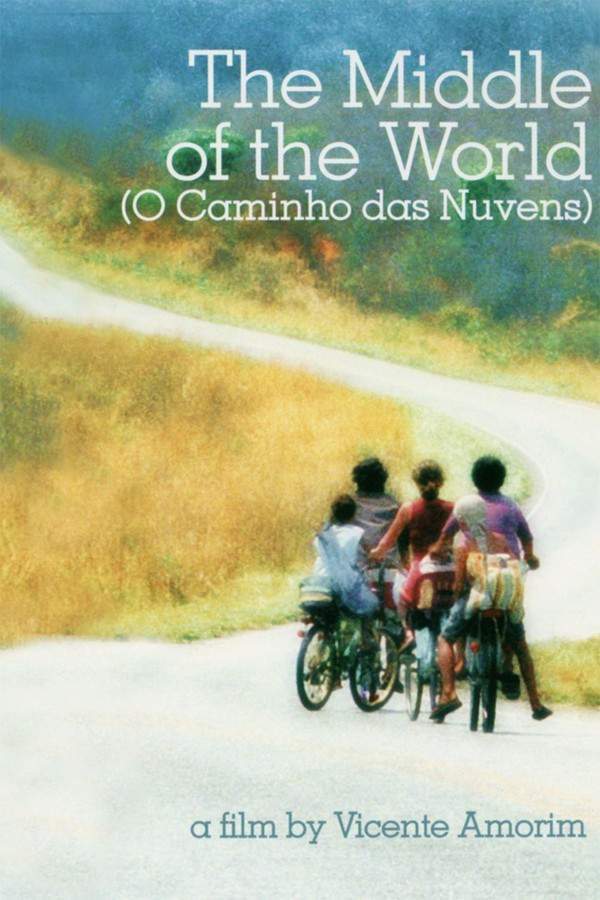
The Middle of the World (2004) movie poster

Timeline

The Middle of the World (2004) Timeline Explained – Every Event in Order

Release, runtime and language
2004 · 85 min · Portuguese
Directed by
Vicente Amorim
Starring
Wagner Moura, Cláudia Abreu, Ravi Ramos Lacerda

Facing unemployment, a truck driver and his family undertake a challenging 2,000-mile journey across the country by bicycle. They are searching for a new life and opportunities that can restore dignity and prosperity to their family. The arduous trip tests their resilience and determination as they navigate the open road.

On this page (4)
  1. 1 Events in order (13)
  2. 2 Timeline questions answered
  3. 3 Movie threads
  4. 4 Every angle

13 events in order · contains spoilers

The Middle of the World Timeline: Events in Chronological Order

Every key event of The Middle of the World (2004) in order, scene by scene, with when and where it takes place. Use it to untangle flashbacks, time jumps and parallel storylines, to refresh your memory before the sequel or to find the exact scene you are thinking of.

  1. Family decides to bicycle to Rio de Janeiro

    Romão and Rose decide to leave Paraíba in search of work paying around R$1,000 a month, which Romão sees as the minimum to feed his children. They pack their five kids and begin a grueling bicycle journey toward Rio de Janeiro. The family clings to hope that better opportunities await them at the end of the road.

    When
    early morning
    Where
    Paraíba
  2. Earning money on the road

    Along the way they earn some money by washing cars and performing Roberto Carlos songs. The small earnings keep them moving, but the family remains precariously stretched. The road tests their resolve as fatigue and hunger set in.

    When
    days after departure
    Where
    On the road
  3. First job offer from a criminal

    A criminal offers them work but, in a menacing tone, says he can only hire 'sons of bitches'. The family hesitates, recognizing the coercive and exploitative nature of the offer. The moment foreshadows how they will be pulled into precarious schemes.

    When
    early
    Where
    Along the road
  4. Promise of jobs by Severino, councilman

    They are promised jobs by Severino, a councilman from São Bento, but the arrangement drags on too long. Frustrated by the delays and hollow promises, they decide to move on instead. The detour marks a turning point toward taking risks for quick opportunities.

    When
    days later
    Where
    São Bento
  5. Prayer at Padre Cícero statue; lifting the table

    In Juazeiro do Norte they pray by the statue of Padre Cícero. Romão tries to lift the 'table of Padre Cícero' and faints after the attempt, a moment that feels like a blessing or omen. The event highlights their credulous hope for miracles on the road.

    When
    mid-journey
    Where
    Juazeiro do Norte
  6. Gideão directs to Filadélfia

    A lone traveler named Gideão directs them to Filadélfia to seek help from Neguiça, who is said to offer shelter. They follow his advice and head inland. The encounter pushes them farther from home in search of hospitality.

    When
    soon after
    Where
    Juazeiro do Norte to Filadélfia
  7. Neguiça offers shelter but no jobs; Antônio seeks party

    In Filadélfia Neguiça offers shelter but no steady work. Antônio tries to go to a local night party but feels out of place and flees. The family’s fragile optimism begins to crack under the weight of poverty.

    When
    evening
    Where
    Filadélfia
  8. Money stolen from church; tickets bought

    In Filadélfia a church cash box is smashed and Antônio takes the money, giving in to temptation. Later, in Feira de Santana, Antônio uses that money to buy bus tickets to Rio for everyone. When Romão asks where the money came from, Antônio confesses, and Romão tears up the tickets.

    When
    Filadélfia (theft) then Feira de Santana (tickets)
    Where
    Filadélfia; Feira de Santana
  9. Meet Panamá and Callado; great opportunity

    They encounter Panamá and Callado, who recruit people of all ages for a supposedly great opportunity with no special skills required. Romão reluctantly agrees to allow the bikes to be taken on the truck plus three family members. The plan promises a fast path to a better life but feels like another lure.

    When
    later
    Where
    Porto Seguro
  10. Caminho das Nuvens: fake Pataxó ritual

    The opportunity turns out to be a fake Pataxó quarup ritual in a Porto Seguro club, Caminho das Nuvens. Romão and three of his children dress as Pataxó while Panamá poses as a foreign entertainer. Antônio sneaks in, Romão leaves mid-ritual, and the family exits in frustration, realizing the deceit.

    When
    night
    Where
    Porto Seguro, Caminho das Nuvens club
  11. Antônio meets Sereia; morning aftermath

    Antônio meets Sereia and spends time with her; the morning after, Rose reprimands him for his disappearance. He announces he will stay in Porto Seguro. Romão, disappointed, leaves with the rest of the family.

    When
    morning after
    Where
    Porto Seguro
  12. Return toward Rio; distant bricklayer job

    As they approach Rio de Janeiro, Romão arranges a bricklayer job for Antônio in a city far from Rio, hoping for a more stable future. The family continues their journey while still clinging to fragile hope. The plan foreshadows a life split between work and home.

    When
    near arrival to Rio
    Where
    Rio de Janeiro region
  13. Arrival in Rio; Christ the Redeemer and a final decision

    The family arrives in Rio de Janeiro and visits Christ the Redeemer. Romão asks a man for directions to Brasília, signaling search for a new path. Rose declares she is not going back to the road, signaling a pivotal shift in their plans.

    When
    final moment
    Where
    Rio de Janeiro

Last updated: November 22, 2025 at 15:58

Was this helpful?

Timeline questions answered

The Middle of the World Timeline Explained: Your Questions Answered

When does it happen, and why in that order? The questions people ask about the chronology of The Middle of the World (2004): time jumps, flashbacks, cause and effect between scenes and the correct order of events, each answered with spoilers.

Q1

Why does Romão try to lift the table at the Padre Cícero statue?

Romão attempts to lift the table as a test of faith, believing that whoever can lift it will receive a blessing. The legend promises prosperity to those who prove their worth through this physical challenge. After lifting the table, Romão faints, which he and his family interpret as either a sign of divine intervention or a personal omen for their journey ahead.

Foreshadowing: Earlier in the journey, the family has been surviving on minimal earnings, making them desperate for any sign of hope or miracle.

  • padre cícerotable blessing
  • romão faith
  • juazeiro do norte
  • miracle hope
Q2

Why does Antônio steal money from the church?

Antônio, a teenager under immense pressure from poverty, succumbs to temptation when he and his brother Clévis accidentally discover a cash box full of money in the church. The family's constant struggle and lack of steady income create the conditions for his moment of weakness. He rationalizes the theft as a way to help his family reach Rio de Janeiro faster.

Foreshadowing: The family has been struggling to earn money washing cars and singing, barely surviving each day.

  • antônio theft
  • church money
  • stealing temptation
  • family poverty
Q3

Why does Romão tear up the bus tickets to Rio?

When Romão asks Antônio where he got the money for the bus tickets, Antônio confesses it was stolen from the church. Romão, morally opposed to theft, tears up the tickets in anger rather than let his family benefit from stolen money. This act reinforces Romão's strong moral character despite their desperate circumstances and forces the family to continue their grueling bicycle journey.

Foreshadowing: Antônio's theft in Filadélfia has created a moral dilemma that was always going to surface.

  • bus tickets torn
  • romão anger
  • theft confession
  • moral values
Q4

Why does the family agree to participate in the fake Pataxó ritual?

Desperate and exhausted after months on the road with no stable income, the family agrees when Panamá and Callado offer a great opportunity requiring no special skills. The promise of quick money and a shortcut to their dreams blinds them to the obvious red flags. Romão reluctantly agrees partly because he feels trapped and partly because he hopes this could finally be the break they need.

Foreshadowing: Earlier, a criminal offered work but with exploitative conditions, and councilman Severino made empty promises, both foreshadowing how the vulnerable are preyed upon.

  • pataxó ritual
  • panamá scam
  • caminho das nuvens
  • exploitation deception
Q5

Why does Antônio decide to stay in Porto Seguro?

Antônio decides to stay in Porto Seguro after meeting Sereia, a girl his own age who hands out flyers for Caminho das Nuvens. The teenage rebellion and desire for independence, combined with his conflict with his father over the stolen money, push him toward staying. When Rose scolds him for disappearing, he chooses to remain rather than continue the difficult journey with his family.

Foreshadowing: Antônio has already shown rebellious tendencies, stealing money, sneaking into the club during the ritual, and feeling out of place in unfamiliar surroundings.

  • antônio stays
  • porto seguro
  • sereia
  • teenage rebellion family split
Q6

Why does Romão ask for directions to Brasília when they arrive in Rio?

When the family finally reaches Rio de Janeiro, Romão asks a man for directions to Brasília rather than to their final destination. This signals that even after completing their original journey, Romão cannot stop searching for a better life. Brasília represents another opportunity, another path forward, demonstrating how the endless pursuit of prosperity has become ingrained in his mindset.

Foreshadowing: The entire journey has been about searching for the next opportunity; arriving in Rio doesn't end that quest.

  • brasília directions
  • rio arrival
  • romão search opportunity
  • never ending journey
Q7

Why does Rose say she is not going back to the road?

Rose declares she is not going back to the long road upon arriving in Rio, marking a pivotal moment of exhaustion and resistance. After months of bicycle travel, poverty, and watching her family be exploited, she refuses to continue this life of constant movement and hardship. Her statement represents a breaking point and a demand for stability, even though their future in Rio remains uncertain.

Foreshadowing: Rose has endured the journey silently but her patience reaches its limit at the final moment.

  • rose refuses road
  • family exhaustion
  • arrival rio
  • end journey
Q8

Why does the criminal offer work only to sons of bitches?

The criminal's offer to hire only sons of bitches is a test of willingness to abandon dignity for survival. He exploits the family's desperation by forcing them to either accept degrading terms or refuse and continue suffering. This moment establishes the pervasive exploitation the family faces throughout their journey.

Foreshadowing: This early encounter establishes the pattern of predators targeting vulnerable families searching for work.

  • criminal offer
  • exploitation desperation
  • work conditions
  • poverty coercion
Q9

Why can't Neguiça offer steady work in Filadélfia?

Neguiça provides shelter but has no steady employment to offer the family. Filadélfia represents another dead end in their search, hospitality exists but economic opportunity does not. This forces Antônio to seek entertainment at a local party, where he feels out of place and returns to his family.

Foreshadowing: The pattern of false hope continues: people offer help but cannot provide actual jobs.

  • neguiça shelter
  • filadélfia no work
  • family dead end
  • hospitality poverty
Q10

Why does Antônio buy bus tickets instead of continuing by bicycle?

Antônio uses the stolen church money to buy bus tickets to Rio, believing this would give his family a faster and easier journey. His intention appears genuine, he wants to help ease their suffering. However, the source of the money ultimately invalidates his good intentions when Romão discovers the truth.

Foreshadowing: This act sets up the moral confrontation that fractures the family's unity.

  • bus tickets rio
  • antônio stolen money
  • quick solution
  • good intentions corrupted
Q11

Why does Romão leave the Pataxó ritual mid-way?

Romão leaves the fake Pataxó ritual when he spots Antônio sneaking into the club. His son's presence confirms that this entire scheme is wrong and dangerous. Romão's departure triggers the family's exit, marking one of the few moments he asserts moral authority over desperate circumstances.

Foreshadowing: Earlier, Romão reluctantly agreed to let Panamá take the bikes and three family members, showing his desperation, but seeing Antônio changes everything.

  • romão leaves ritual
  • antônio discovered
  • pataxó scam exposed
  • family exits
Q12

Why does Romão arrange a bricklayer job for Antônio far from Rio?

When the family nears Rio, Romão arranges a bricklayer job for Antônio in a distant city. This represents Romão's attempt to give his son a stable, honest future despite their fractured relationship. By separating Antônio from the family but ensuring he has legitimate work, Romão tries to redirect his son's life toward respectability.

Foreshadowing: The stolen money incident and Antônio's decision to stay in Porto Seguro have already damaged their relationship.

  • bricklayer job antonio
  • romão son future
  • distance separation
  • stable work

Movie threads

More Movies Like The Middle of the World, by Mood & Story

Curated lists built around what makes The Middle of the World tick: the same mood, the same kind of story or the same emotional payoff. Each list explains why these movies belong together.

Gritty Journey Dramas like The Middle of the World

Arduous physical journeys that test the spirit and bonds of ordinary people. If you liked The Middle of the World, explore more movies about arduous physical journeys that test the human spirit. These films feature ordinary people pushed to their limits, searching for a better life on the open road against a backdrop of hardship and determination.

  • gritty
  • hopeful
  • resilient
  • somber
  • desperate
  • melancholic
  • Tone: melancholic, determined
  • Pacing: steady, deliberate
Why these movies?

The story pattern: These stories follow a linear, often episodic structure as characters move from point A to point B. The primary conflict is external—the environment, poverty, distance—but its true impact is internal, revealing character flaws and strengths. The journey itself is the plot, with each milestone bringing new hardships and small, hard-won victories.

Why they belong together: They are grouped by their shared focus on a physical quest as a metaphor for survival. The mood is consistently somber and desperate, punctuated by moments of resilience. The pacing is steady and deliberate, mirroring the long, grueling nature of the trip, and the emotional weight is consistently heavy.

Somber Family Survival Stories like The Middle of the World

Families clinging to dignity while navigating systems of poverty and exploitation. Find movies similar to The Middle of the World that explore themes of economic hardship and family resilience. These dramas depict the struggle for dignity against poverty, often featuring a bittersweet ending where survival comes with a personal cost.

  • somber
  • desperate
  • melancholic
  • gritty
  • hopeful
  • resilient
  • Tone: melancholic, somber
  • Pacing: steady, character-driven
Why these movies?

The story pattern: Narratives typically follow a downward spiral or a difficult quest where the characters are vulnerable to forces beyond their control. The central tension is between hope and despair, with victories feeling partial and losses feeling profound. The ending is often ambiguous or bittersweet, acknowledging the struggle more than a clear triumph.

Why they belong together: They share a heavy, melancholic mood driven by themes of poverty and the fragility of the family unit. The pacing is steady, building a somber reality. The emotional journey is defined by a mix of desperate determination and the sobering reality of systemic hardship, culminating in a conclusion that is poignant rather than purely happy or sad.

Every angle

The Middle of the World (2004) Explained: Plot, Timeline & Characters

Everything about The Middle of the World in one place: what happens in the plot summary, the timeline in chronological order, the characters and meaning and a spoiler-free summary. What's After the Movie adds the cast, box office and post-credit scenes.

Coming soon on iOS and Android

The Plot Explained Movie Summary App

Plot summaries, endings explained and timelines on your phone. Catch up on any movie in minutes, save your favorites and never miss a twist again.

Be the first to know when we launch. Your email stays private, always.

Learn more about the app