Plot Explained Spoilers guaranteed!
Plot Explained

Browse by genre

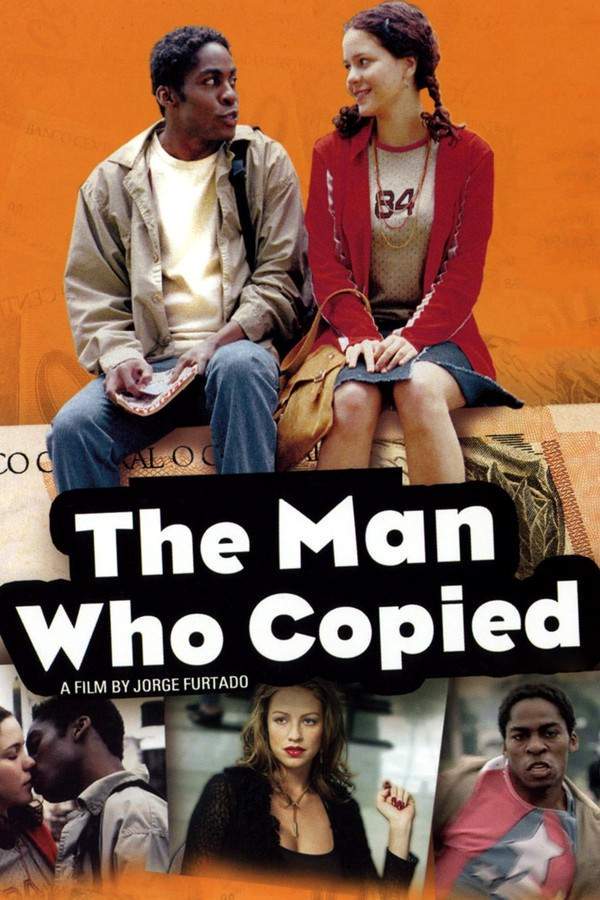
The Man Who Copied (2005) movie poster

Timeline

The Man Who Copied (2005) Timeline Explained – Every Event in Order

Release, runtime and language
2005 · 124 min · Portuguese
Directed by
Jorge Furtado

A quiet office worker's life is disrupted when he falls for his attractive neighbor. Determined to impress her, he embarks on a scheme of creative counterfeiting. However, their burgeoning romance faces unexpected challenges as the risks and consequences of his actions escalate, threatening to expose his unusual methods and test the foundations of their connection.

On this page (5)
  1. 1 Events in order (15)
  2. 2 Timeline questions answered
  3. 3 Movie threads
  4. 4 Movies like The Man Who Copied
  5. 5 Every angle

15 events in order · contains spoilers

The Man Who Copied Timeline: Events in Chronological Order

Every key event of The Man Who Copied (2005) in order, scene by scene, with when and where it takes place. Use it to untangle flashbacks, time jumps and parallel storylines, to refresh your memory before the sequel or to find the exact scene you are thinking of.

  1. André's Monotonous Life

    In Porto Alegre, nineteen-year-old André Maciel leads a dull life as a photocopy machine operator at a convenience store. His aspirations to become an illustrator are repeatedly crushed by publishers, leaving him disillusioned and yearning for wealth.

    Where
    Porto Alegre
  2. Curiosity About Sílvia

    André finds himself captivated by his neighbor Sílvia, who lives with her father. Each evening, he retreats to his room, where he draws his frustrations and watches her from his window, dreaming of a life that feels just out of reach.

    Where
    André's home
  3. The Invitation to Sílvia's Work

    One morning, André follows Sílvia to her workplace, ‘Sílvia’s,’ a luxurious lingerie store. Unexpectedly, she invites him inside and encourages him to consider buying a robe for his mother, which ignites a flicker of hope and responsibility in André.

    Where
    Sílvia's
  4. Meeting Marinês

    In the evenings, André develops a connection with Marinês, a charming co-worker at his convenience store. She introduces him to Cardoso, who at first charms André with his sophistication but soon reveals a more self-serving nature.

    Where
    Convenience Store
  5. Cardoso's True Nature

    André witnesses Cardoso’s failed advance towards Marinês, exposing his superficial charm. Marinês reveals her true motivations, indicating a gold-digging side that shakes André's faith in their friendship and the world around him.

  6. Lottery Delusions

    As André grapples with his dwindling finances, he indulges in gambling with Cardoso using the counterfeit bills he printed. When he shares his belief in the winning combination ‘1 2 3 4 5 6,’ Cardoso ridicules him, deepening their rivalry.

    Where
    Lottery Booths
  7. The Proposal

    The bond between André and Sílvia grows, and he proposes to her, which she initially resists. However, when he confesses about his counterfeit earnings, Sílvia is taken aback, prompting André to devise a plan that could jeopardize their future.

  8. The Bank Heist

    André and Cardoso embark on a bank heist after securing a firearm from the nefarious Feitosa. The heist is successful but take a dark turn when André accidentally kills Sílvia's father, Antunes, in their escape, sealing a fate that spirals out of control.

    Where
    Bank
  9. Winning the Lottery

    After the heist, André wins the lottery, but his excitement quickly turns to anxiety about claiming his prize. The victory feels tainted by the looming threat of recognition from the police regarding his involvement in the robbery.

  10. Shopping Spree

    With newfound wealth, André, Cardoso, and Marinês indulge in shopping sprees and luxurious experiences. André proposes to Sílvia again, but his hesitance grows as he fears her father's disapproval, putting a strain on their relationship.

  11. Confrontation with Antunes

    André learns about Sílvia's indifference towards her father, but a clandestine meeting leads Antunes to recognize him. He demands half of André’s lottery winnings, creating a tense scenario that hangs over their plans.

    Where
    Restaurant
  12. Threat from Feitosa

    André finds himself cornered by Feitosa, who has linked him to the bank robbery. Faced with threats against his life, André reluctantly agrees to pay Feitosa back, leading him to further criminal entanglement.

  13. Dark Proposal from Sílvia

    Sílvia confronts André about Antunes, revealing her knowledge of his criminal activities. She chillingly suggests that they eliminate Antunes altogether, further drawing André into a web of deceit and violence.

    Where
    André's home
  14. Executing the Plan

    The group initially struggles in their attempt to eliminate Antunes, but eventually, they succeed and frame him for the bank heist. This act further solidifies their descent into criminality and betrayal among friends.

  15. Climax at Christ the Redeemer

    As the film concludes, the group gathers at the iconic Christ the Redeemer statue, reflecting on their choices. A surprising twist reveals Sílvia's hidden motives, intertwining their fates and showcasing her quest for identity and belonging.

    Where
    Christ the Redeemer, Rio de Janeiro

Last updated: November 22, 2024 at 12:05

Was this helpful?

Timeline questions answered

The Man Who Copied Timeline Explained: Your Questions Answered

When does it happen, and why in that order? The questions people ask about the chronology of The Man Who Copied (2005): time jumps, flashbacks, cause and effect between scenes and the correct order of events, each answered with spoilers.

Q1

Why does André start making counterfeit money?

André starts counterfeiting after Sílvia suggests he buy a R$38 robe for his mother's birthday. Being a low-paid photocopy operator who can't afford it, he succumbs to temptation when his boss gives him a real R$50 bill for errands. He photocopies it, creating fake bills that he uses for gambling at lottery booths. His desperation to appear worthy of Sílvia and his frustration at being poor despite having artistic talent drive him to this illegal solution.

Foreshadowing: Earlier, André watches Sílvia from his window each evening, dreaming of a life that feels out of reach, establishing his desperate longing for wealth and connection.

  • counterfeiting
  • André
  • Sílvia
  • money
  • robbery
Q2

How did André accidentally kill Antunes?

During the bank heist escape, André and Cardoso are pursued by police. As they flee in their car, Antunes unexpectedly runs into the street, possibly trying to get help or fleeing himself. In the chaos and panic of the high-speed chase, André's gun fires accidentally, killing Sílvia's father. This tragic accident occurs while André is already on edge from the robbery, and it seals his fate as he becomes entangled in a web of crime and cover-up.

Foreshadowing: The film establishes early on that André is desperate and willing to take risks, having already engaged in counterfeiting and gambling.

  • Antunes
  • André
  • killing
  • bank heist
  • accident
Q3

Why does Sílvia want to kill her own father?

Sílvia's motivation for wanting her father dead is revealed through the film's twist ending, she is searching for her true identity. She believes Antunes is not her biological father and has been using the relationship with André as a cover to investigate her origins. When she discovers André can be manipulated into eliminating Antunes, she sees an opportunity to remove someone who represents her uncertain past while also ensuring André's commitment to her through shared guilt.

Foreshadowing: Early in the film, Sílvia tells André during a restaurant meeting that she feels indifferent toward her father, hinting at her lack of emotional attachment.

  • Sílvia
  • Antunes
  • murder
  • father
  • identity
Q4

What was Sílvia's secret motive throughout the movie?

Sílvia's hidden agenda is revealed at the film's end when she encounters Paulo at Christ the Redeemer and believes he is her long-lost father. Throughout the film, she has been calculating and orchestrating her encounters with André, using their relationship as a means to investigate her true parentage. Her willingness to engage with a man involved in crime and her proposal to kill Antunes demonstrate her cold, manipulative nature driven by her quest for identity rather than genuine love.

Foreshadowing: The timeline notes that Sílvia cleverly orchestrated some of their earlier encounters, showcasing her steely resolve from the beginning.

  • Sílvia
  • Paulo
  • father
  • identity
  • manipulation
Q5

Why doesn't André just claim his lottery winnings?

After winning the lottery with his number sequence 1-2-3-4-5-6, André cannot claim the prize publicly because he fears being recognized by police. The bank heist is still fresh in investigators' minds, and a police sketch exists of one of the robbers. If André claims the substantial prize, his identity and face would become known, potentially linking him to the robbery and the murder of Antunes. This forces him to enlist Marinês's help to claim the winnings on his behalf.

Foreshadowing: The film establishes early that André is paranoid about recognition, having used a disguise during the heist.

  • lottery
  • André
  • winnings
  • police
  • claim
Q6

Why does Antunes blackmail André?

After recognizing André during a clandestine meeting at a restaurant, Antunes deduces that André has come into significant money, likely from criminal activity connected to the bank heist. Antunes, who has no real fatherly affection for Sílvia and cares primarily about financial gain, demands half of André's lottery winnings in exchange for keeping silent about André's involvement in the robbery. This blackmail creates a tense standoff that contributes to the group's decision to eliminate Antunes.

Foreshadowing: Sílvia mentions earlier that she feels her father is indifferent to her, setting up Antunes as a morally corrupt character motivated by money.

  • Antunes
  • blackmail
  • André
  • money
  • lottery
Q7

How did Sílvia orchestrate her early encounters with André?

The film reveals as a twist that Sílvia deliberately engineered several of her early meetings with André. When André first follows her to her lingerie store, she unexpectedly invites him inside, something that appears spontaneous but is actually calculated. This manipulative behavior stems from her larger plan to use André as a means to escape her current life and search for her true father. Her calculated approach demonstrates her agency and cunning throughout the narrative.

Foreshadowing: The meta notes specifically highlight that Sílvia cleverly orchestrated some of their earlier encounters, a detail that only makes sense in retrospect.

  • Sílvia
  • André
  • manipulation
  • encounters
  • planning
Q8

Why does André agree to rob a bank after winning the lottery?

Even after winning the lottery, André agrees to the bank heist because his counterfeit operation has already drawn attention, and he needs more money to sustain the lifestyle he believes will impress Sílvia. When he confesses that his counterfeit earnings cannot sustain her, he proposes the robbery as a solution. Additionally, his partnership with Cardoso and the easy success of his initial crimes have emboldened him. The heist represents André's escalation from small-time counterfeiting to serious criminality, driven by greed and the false belief that money will solve his problems.

Foreshadowing: Cardoso reveals that he is also obsessed with wealth to win Marinês's affection, showing that André is not alone in believing money is the answer.

  • bank heist
  • André
  • Cardoso
  • money
  • crime
Q9

Why does Feitosa threaten André and what happens?

Feitosa, the drug dealer who sold André the firearm for the bank heist, connects André to the robbery through his probing inquiries about the gun. Recognizing that André is involved in a major crime, Feitosa threatens to expose him unless paid back from the stolen funds. Faced with this danger to his freedom and life, André reluctantly agrees to repay Feitosa. Later, André traps and kills Feitosa, eliminating this threat in another act of violence that deepens his descent into criminality.

Foreshadowing: The film establishes Feitosa as a dangerous criminal figure from the moment he provides the firearm for the heist.

  • Feitosa
  • André
  • threat
  • murder
  • gun
Q10

What is the relationship between Cardoso and Marinês?

Cardoso presents himself as a sophisticated, wealthy man who charms both André and Marinês. However, when Cardoso makes a romantic advance toward Marinês, she rejects him decisively, revealing her true nature as a gold digger who despises his smoking habit and suspects he is financially struggling due to his old shoes. Marinês ultimately teams up with André and Cardoso for the lottery scheme and hotel rendezvous, showing her pragmatic willingness to associate with criminals as long as she benefits financially.

Foreshadowing: The film establishes early that appearances are deceiving, André initially believes Cardoso is wealthy but later discovers he sells junk.

  • Cardoso
  • Marinês
  • gold digger
  • relationship
  • money
Q11

Why does André play the lottery numbers 1 2 3 4 5 6?

André plays the sequential lottery numbers 1-2-3-4-5-6, a combination that Cardoso ridicules as impossible to win because it seems too obvious and patterns are statistically unlikely to hit. Despite the mockery, André persists in playing this specific sequence, demonstrating his stubborn belief in his own luck or system. Ultimately, this exact combination wins, giving André a substantial fortune that enables the group's shopping spree and further criminal activities.

Foreshadowing: André's habit of playing the same numbers each time establishes his character's persistent, almost superstitious nature.

  • lottery
  • André
  • numbers
  • 1-2-3-4-5-6
  • winning
Q12

What does the ending at Christ the Redeemer signify?

The film's climax at the iconic Christ the Redeemer statue in Rio de Janeiro symbolizes the group's moral descent and the ironic contrast between their spiritual surroundings and their corrupted souls. Standing before the statue, a symbol of redemption and hope, the characters are wealthy but guilty of murder and criminality. Sílvia's encounter with Paulo and her belief that he is her father adds a layer of hope for her personal redemption, but the overall tone remains ambiguous about whether any of them will find true salvation.

Foreshadowing: The meta notes describe the ending as 'ambiguous' with the characters wealthy but morally corrupted.

  • Christ the Redeemer
  • ending
  • Rio de Janeiro
  • symbolism
  • resolution

Movie threads

More Movies Like The Man Who Copied, by Mood & Story

Curated lists built around what makes The Man Who Copied tick: the same mood, the same kind of story or the same emotional payoff. Each list explains why these movies belong together.

Quirky Crime for Love stories like The Man Who Copied

Ordinary characters turn to crime in a quirky, desperate bid for romance. If you liked The Man Who Copied, explore more movies where a lonely protagonist commits quirky crimes to win over someone they desire. These films mix dark comedy with romance and escalating consequences, creating a unique blend of anxious charm and moral descent.

  • quirky
  • desperate
  • romantic
  • anxious
  • voyeuristic
  • darkly comedic
  • Tone: dark, quirky, romantic
  • Pacing: steady, character-driven
Why these movies?

The story pattern: The narrative typically follows a disillusioned, ordinary person whose life gains purpose through an obsessive attraction. This infatuation becomes the catalyst for a criminal plan that starts small and quirky but escalates in risk and moral compromise, often blurring the lines between genuine love and dangerous obsession.

Why they belong together: These films share a specific tonal blend: a darkly humorous, almost whimsical approach to crime that is underpinned by a desperate romantic motive and a steady build-up of consequences. The central character's journey from voyeuristic longing to active criminal is a unifying arc.

Moral Descent Heist films similar to The Man Who Copied

A methodical plan unravels as characters are corrupted by their own ambitions. Find movies like The Man Who Copied that explore a character's moral descent through a carefully executed crime. These stories often feature an ambiguous ending, forcing viewers to contemplate the cost of ambition and the corruption of initially sympathetic characters.

  • cynical
  • tense
  • methodical
  • corruption
  • unraveling
  • consequences
  • Tone: dark, cynical, tense
  • Pacing: steady, methodical
Why these movies?

The story pattern: The plot revolves around a seemingly perfect criminal scheme, often born from frustration or a desire for a better life. The initial success is short-lived, as the plan inevitably unravels, exposing the characters' greed, deception, and capacity for violence, leading to an ending that questions whether the payoff was worth the spiritual cost.

Why they belong together: This thread groups films that share a narrative structure of a methodical crime leading to moral corruption. They possess a steady pacing that builds tension, a dark tone, and an emotionally medium-but-complex weight, focusing on the psychological price of the characters' actions rather than just the mechanics of the crime.

If you liked this

Movies Like The Man Who Copied

Similar movies to The Man Who Copied: the same genre, themes or kind of story. Each one comes with its own plot summary, timeline and ending explained.

Browse all movie summaries

Every angle

The Man Who Copied (2005) Explained: Plot, Timeline & Characters

Everything about The Man Who Copied in one place: what happens in the plot summary, the timeline in chronological order, the characters and meaning and a spoiler-free summary. What's After the Movie adds the cast, box office and post-credit scenes.

Coming soon on iOS and Android

The Plot Explained Movie Summary App

Plot summaries, endings explained and timelines on your phone. Catch up on any movie in minutes, save your favorites and never miss a twist again.

Be the first to know when we launch. Your email stays private, always.

Learn more about the app