Year: 1942
Runtime: 102 mins
Language: English
Director: David Miller
Jim Gordon leads the famed Flying Tigers, the American Volunteer Group that battled Japanese forces in China before the United States entered World War II. He must dispatch his outnumbered squadron of fighter pilots against overwhelming odds, while coping with the varied personalities and personal challenges of his fellow aviators.
Warning: spoilers below!
Haven’t seen Flying Tigers yet? This summary contains major spoilers. Bookmark the page, watch the movie, and come back for the full breakdown. If you're ready, scroll on and relive the story!
Read the complete plot breakdown of Flying Tigers (1942), including all key story events, major twists, and the ending explained in detail. Discover what really happened—and what it all means.
Jim Gordon [John Wayne] leads the Flying Tigers, a squadron of volunteer American pilots who fly Curtiss P-40C fighters against Japanese aircraft in the skies over China during the Second Sino-Japanese War. The men are a mixed bag, driven by the lure of bounties for each aircraft downed and by the pure thrill of aerial combat.
One day, Jim’s old friend Woody Jason [John Carroll] shows up—an arrogant, hot-shot aviator who immediately stirs trouble. When the Japanese raid the Flying Tigers’ airbase, Woody darts into action, taking up a P-40 without permission and discovering too late that it has no ammunition. He is shot down, his plane a total wreck, but he survives. As time passes, Woody reveals little respect for teamwork, alienating and endangering the other pilots. He even abandons his wingman, Blackie Bales [Edmund MacDonald], to chase a Japanese aircraft. Blackie is attacked and forced to bail out of his burning P-40, and while suspended in his parachute, he is strafed and killed by the Japanese pilot.
Woody’s reckless streak extends to romance as well, as he pursues nurse Brooke Elliott [Anna Lee], whom many of the Tiger pilots regard as Jim’s girlfriend. On a night out together, Woody’s late return for a patrol prompts Jim to step back and let Hap Davis [Paul Kelly], Jim’s trusted right-hand man who has already been grounded for vision problems at night, take his place. The result is disastrous: Hap misjudges distances in the dogfight and dies in a collision with a Japanese aircraft he is pursuing.
The clash leaves Jim with a hard choice. He confronts Woody and fires him, delivering a blunt message about the discipline the unit must maintain: > It’s out of my hands now. None of these men will ever fly with you again. And they have to fly.
The day following the Pearl Harbor attack—Sunday, December 7, 1941—Jim learns that a vital bridge must be destroyed. The target is heavily defended, and the plan hinges on flying a single, unescorted bomber at very low altitude, a move that feels almost suicidal. Jim volunteers to fly the mission, but Woody insists on joining at the last moment, much to Jim’s irritation. They succeed in destroying the bridge, but too late to prevent a crucial enemy supply train from crossing.
Back in the air, the bomber is struck by flak and set ablaze. Jim bails out, aided by an unexpected push from Woody, who hopes to follow. Yet Woody reveals he has been wounded by flak and cannot escape. He crashes into the train, sacrificing himself to complete the mission.
Last Updated: October 09, 2025 at 14:14
Discover curated groups of movies connected by mood, themes, and story style. Browse collections built around emotion, atmosphere, and narrative focus to easily find films that match what you feel like watching right now.
Stories of commanders facing impossible odds and heavy personal losses.If you liked the command dilemmas in Flying Tigers, explore other movies about military leaders. These films focus on the heavy responsibility of sending people into battle, the strain of command, and the personal sacrifice required in wartime.
These narratives often follow a leader responsible for a unit or squadron, facing overwhelming enemy forces. The plot is driven by high-stakes missions and the moral weight of command decisions, typically resulting in significant character losses and a focus on the burden of leadership.
Movies are grouped here for their shared focus on the command perspective in war, combining tense, high-intensity action with the heavy emotional toll of leadership and the bittersweet cost of victory.
Where battlefield success is achieved only through profound personal loss.Fans of Flying Tigers' bittersweet ending will find similar stories here. These war films explore missions where tactical success comes at a deep personal cost, focusing on themes of redemption and sacrifice.
The narrative pattern involves a group or individual undertaking a critical, dangerous mission. While the objective is ultimately achieved, it is done so through the ultimate sacrifice of key characters, resulting in a victory that feels heavy and poignant rather than purely triumphant.
These films share a specific emotional arc: they deliver the thrill of combat and the satisfaction of a goal accomplished, but temper it with the profound sadness of loss, creating a powerful and memorable bittersweet experience.
Don't stop at just watching — explore Flying Tigers in full detail. From the complete plot summary and scene-by-scene timeline to character breakdowns, thematic analysis, and a deep dive into the ending — every page helps you truly understand what Flying Tigers is all about. Plus, discover what's next after the movie.
Track the full timeline of Flying Tigers with every major event arranged chronologically. Perfect for decoding non-linear storytelling, flashbacks, or parallel narratives with a clear scene-by-scene breakdown.
Discover the characters, locations, and core themes that shape Flying Tigers. Get insights into symbolic elements, setting significance, and deeper narrative meaning — ideal for thematic analysis and movie breakdowns.
Get a quick, spoiler-free overview of Flying Tigers that covers the main plot points and key details without revealing any major twists or spoilers. Perfect for those who want to know what to expect before diving in.
Visit What's After the Movie to explore more about Flying Tigers: box office results, cast and crew info, production details, post-credit scenes, and external links — all in one place for movie fans and researchers.
Discover movies like Flying Tigers that share similar genres, themes, and storytelling elements. Whether you’re drawn to the atmosphere, character arcs, or plot structure, these curated recommendations will help you explore more films you’ll love.
Flying Tigers (1942) Scene-by-Scene Movie Timeline
Flying Tigers (1942) Movie Characters, Themes & Settings
Flying Tigers (1942) Spoiler-Free Summary & Key Flow
Movies Like Flying Tigers – Similar Titles You’ll Enjoy
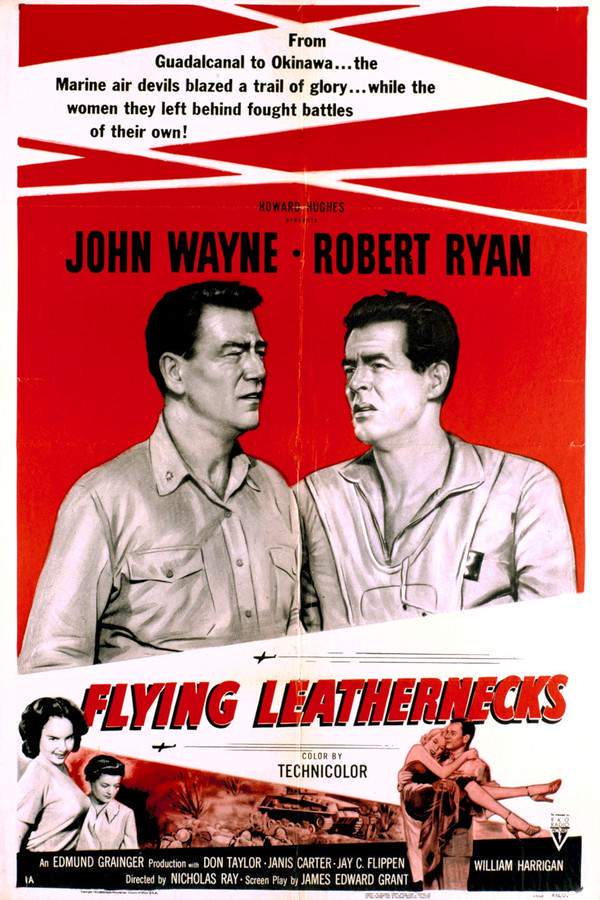
Flying Leathernecks (1951) Movie Recap & Themes
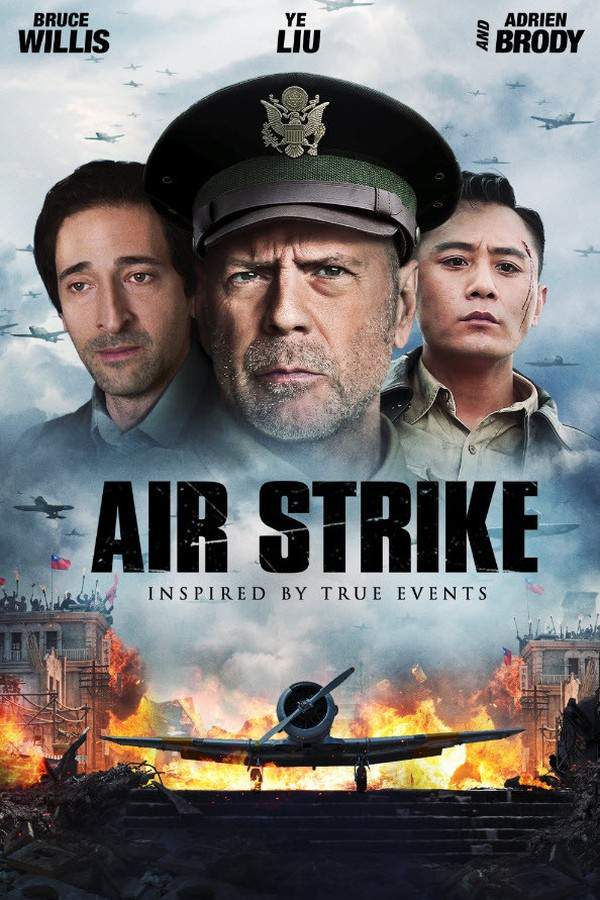
Air Strike (2018) Plot Summary & Ending Explained
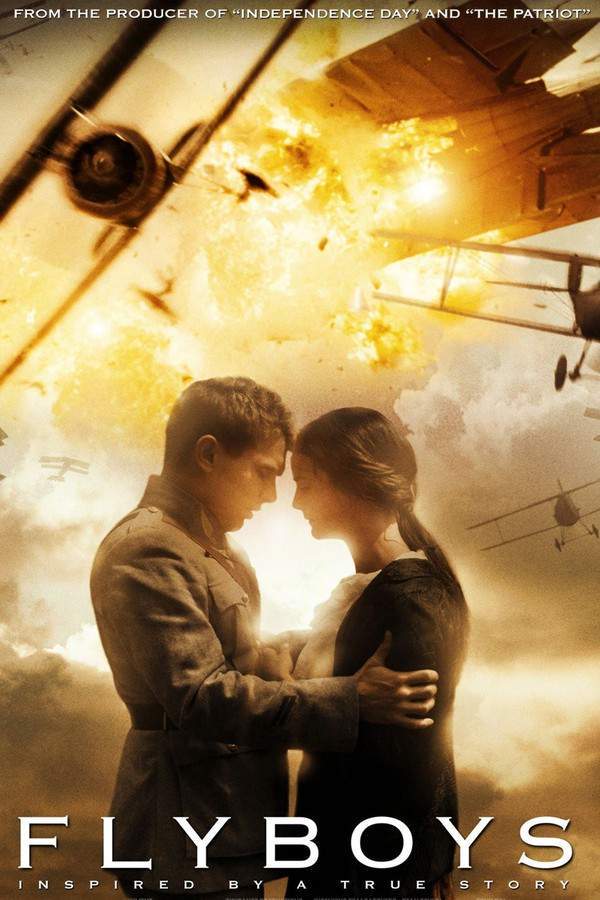
Flyboys (2006) Full Summary & Key Details
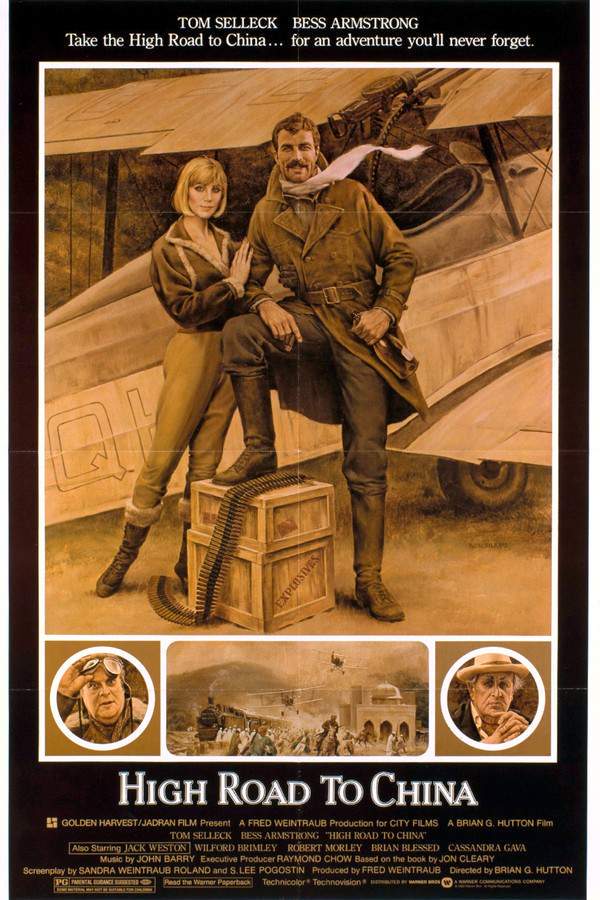
High Road to China (1983) Complete Plot Breakdown
Wings (1929) Detailed Story Recap
Magnificent Warriors (1987) Film Overview & Timeline
The Tuskegee Airmen (1995) Movie Recap & Themes
The War Lover (1962) Plot Summary & Ending Explained
Flight Command (1940) Story Summary & Characters
The Eagle and the Hawk (1933) Complete Plot Breakdown
Heroes of the Eastern Skies (1977) Complete Plot Breakdown
The Wings of Eagles (1957) Movie Recap & Themes
China Venture (1953) Plot Summary & Ending Explained
God Is My Co-Pilot (1945) Plot Summary & Ending Explained
Fighter Squadron (1948) Movie Recap & Themes