Plot Explained Spoilers guaranteed!
Plot Explained

Browse by genre

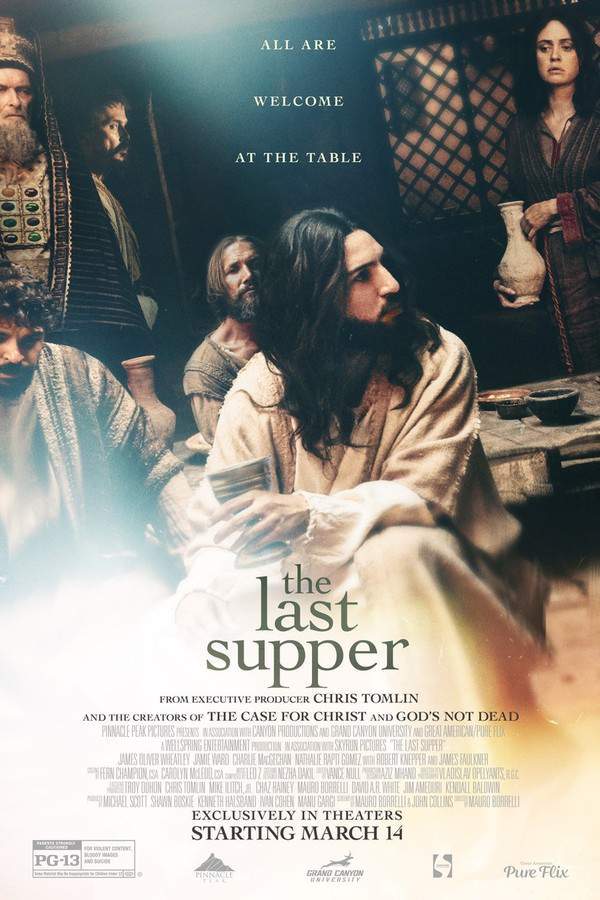
The Last Supper (1995) movie poster

Timeline

The Last Supper (1995) Timeline Explained – Every Event in Order

Release, runtime and language
1995 · 92 mins · English
Directed by
Stacy Title
Starring
Ron Perlman, Courtney B. Vance, Cameron Diaz, Mark Harmon, Bill Paxton, Charles Durning

Love, sex, life and death circle a house where every desire is laid bare. A group of idealistic yet frustrated liberals, tired of their impotence, plot to murder right‑wing pundits whose views they despise, revealing how political zeal can blur the line between conviction and murder.

On this page (5)
  1. 1 Events in order (15)
  2. 2 Timeline questions answered
  3. 3 Movie threads
  4. 4 Movies like The Last Supper
  5. 5 Every angle

15 events in order · contains spoilers

The Last Supper Timeline: Events in Chronological Order

Every key event of The Last Supper (1995) in order, scene by scene, with when and where it takes place. Use it to untangle flashbacks, time jumps and parallel storylines, to refresh your memory before the sequel or to find the exact scene you are thinking of.

  1. Zack arrives and is invited to dinner

    Zack, a Desert Storm veteran and truck driver, helps move Pete's car and is invited to share dinner at the group's house in Iowa. The invitation seems friendly, but Zack's presence foreshadows a clash of ideologies as the liberal students prepare to host him. This marks the beginning of a dangerous encounter.

    When
    Evening
    Where
    Pete's house, Iowa
  2. A tense political debate erupts during dinner

    The conversation reveals Zack's racist, xenophobic and Holocaust-denying views. The five graduate students push back with liberal arguments about equality and civil rights, turning the dinner into a volatile political battleground. The tension foreshadows the violence to come.

    When
    Evening, during dinner
    Where
    Pete's house, Iowa
  3. Zack threatens Marc with a knife

    In a sudden outburst, Zack grips a knife and menaces Marc, threatening to kill him and assault Paulie. The others watch in shock as he becomes increasingly unhinged and aggressive. The threat dramatically shifts the dinner from debate to danger.

    When
    Evening, during dinner
    Where
    Pete's dining room, Iowa
  4. Marc kills Zack and the group schemes to cover it up

    After Zack releases Marc, Marc fatally stabs him in the back, ending the immediate danger. The group immediately discusses and agrees to cover up the murder, setting the stage for their chilling escalation. They begin to consider future dinners as a way to 'make the world a better place' by killing conservatives who disagree with them.

    When
    Night, following the confrontation
    Where
    Pete's house, Iowa
  5. The murder-for-dinners plan is formalized

    The five students draft a ritual for future murders: guests are given a chance to recant; if they fail by dessert, they are poisoned with blue wine from a blue decanter. The plan includes burying the bodies in the vegetable garden. The group rationalizes their actions as a perverted attempt to 'improve' society.

    When
    After initial murder
    Where
    Pete's house, Iowa
  6. First dinner guest murdered: the homophobic Protestant reverend

    During a subsequent dinner, the group executes their plan on a conservative guest, the Reverend who openly denounces gay rights. The guest is given a chance to recant, but fails, and the blue wine is offered as the final step. The body is hidden in the garden as the group moves on.

    When
    Evening, at a later dinner
    Where
    Pete's house, Iowa
  7. Second guest murdered: misogynistic rape apologist

    At the next dinner, the group targets a misogynistic figure who defends rape. After he refuses to abandon his beliefs, the blue wine is administered and he dies, buried in the garden. The murder accelerates their moral decay and deepens their mutual complicity.

    When
    Evening, after the Reverend's death
    Where
    Pete's house, Iowa
  8. Third guest murdered: Neo-Nazi

    Another dinner guest espousing white supremacist views is given the opportunity to recant but refuses. He drinks the poisoned wine and dies, as the group continues their grim ritual. The garden becomes a graveyard for the dinner guests.

    When
    Evening
    Where
    Pete's house, Iowa
  9. Fourth guest murdered: anti-environmentalist

    The guests include a figure who opposes environmental protections. He is confronted with the same coercive choice and ultimately dies from the wine as the group records another execution buried in the garden. The group grows bolder but more unsettled with each murder.

    When
    Evening
    Where
    Pete's house, Iowa
  10. Fifth guest murdered: racist Nation of Islam fundamentalist

    A racist and anti-Semitic fundamentalist from the Nation of Islam is subjected to the murder ritual. He refuses to renounce his beliefs and is killed by the poisoned wine. The group continues burying the bodies and pressing on with their plan.

    When
    Evening
    Where
    Pete's house, Iowa
  11. Sixth guest murdered: anti-abortion activist

    An anti-abortion activist is offered the chance to recant and chooses not to. The wine seals his fate, and another body is buried in the vegetable garden. The group begins to doubt their actions but continues nonetheless.

    When
    Evening
    Where
    Pete's house, Iowa
  12. Seventh guest murdered: censorship advocate

    A censorship advocate is the next target. Like the others, he is given a chance to abandon his beliefs, but fails, leading to his demise via the tainted wine. The house fills with a heavier sense of guilt among the group.

    When
    Evening
    Where
    Pete's house, Iowa
  13. Eighth guest murdered: violent advocate who beats homeless people

    The guest who openly beats homeless people is the only one who momentarily contemplates recanting, but ultimately drinks the poisoned wine and dies. The others begin to question the morality of their ritual, but keep going. The garden grows more crowded with the bodies.

    When
    Evening
    Where
    Pete's house, Iowa
  14. Ninth guest murdered: critics of gay rights

    The final pre-tenure victim is a critic of gay rights. He too fails to recant and drinks the wine, joining the others in the vegetable garden. The group locks themselves into a spiraling moral decay.

    When
    Evening
    Where
    Pete's house, Iowa
  15. Misgivings surface; Luke kills Sheriff Stanley; Norman Arbuthnot invited to dinner

    With ten murders completed, guilt and infighting threaten the group. Luke fatally shoots Sheriff Alice Stanley, who was investigating Jenny Tyler's disappearance, escalating the danger. Later, Luke and Pete meet conservative pundit Norman Arbuthnot during a school break and invite him to a dinner that will test their resolve. Norman joins the dinner, challenges their rhetoric with measured arguments, and, refusing to drink the soiled wine, foreshadows his own political ascent as the closing shot lingers on a painting and his presence with a blue bottle.

    When
    After the tenth murder; later school break
    Where
    Iowa house; Sheriff’s office

Last updated: October 09, 2025 at 11:28

Was this helpful?

Timeline questions answered

The Last Supper Timeline Explained: Your Questions Answered

When does it happen, and why in that order? The questions people ask about the chronology of The Last Supper (1995): time jumps, flashbacks, cause and effect between scenes and the correct order of events, each answered with spoilers.

Q1

Why did the grad students decide to start killing people?

After Zack attacked them with a knife and threatened to rape Paulie, Marc killed Zack in self-defense. Instead of going to the police, the group decided to cover up the murder and began inviting other conservatives to dinner with a plan: give each guest a chance to recant their views, and if they refused, kill them with poisoned wine. They rationalized this as a way to 'improve' society by eliminating people they considered dangerous.

  • self-defense
  • murder
  • political extremism
  • rationalization
  • conservative guests
Q2

How did the murder ritual with the blue decanter work?

The group established a formal procedure: each conservative guest was invited to dinner and given multiple chances to recant their beliefs during the meal. If the guest still refused to abandon their views by dessert, they were served poisoned wine from a distinctive blue decanter. The group would make toasts, and the guest would die. Bodies were then buried in the vegetable garden behind the house.

Foreshadowing: The blue decanter is first introduced during the chaos following Zack's death, foreshadowing its role in future murders.

  • blue decanter
  • poisoned wine
  • ritual
  • murder method
  • dessert
Q3

Why did Luke kill Sheriff Alice Stanley?

Sheriff Alice Stanley was investigating the disappearance of Jenny Tyler and began questioning the grad students. She eventually trespassed into their backyard, discovering evidence linking them to the murders. Luke, who had become increasingly unhinged, shot and killed her to prevent her from exposing their crimes. This act marked a significant escalation in the group's violence, crossing from killing their dinner guests to murdering a law enforcement officer.

Foreshadowing: Luke had shown increasing emotional instability and willingness to use violence throughout the film, particularly during the earlier confrontations.

  • Luke
  • Sheriff Alice Stanley
  • murder
  • escalation
  • law enforcement
Q4

Why didn't Norman Arbuthnot drink the poisoned wine?

Norman Arbuthnot was a sophisticated media figure who had spent years navigating confrontations and hostile environments. When offered the wine, he recognized it might be tainted and refused to drink it. His calm, calculating demeanor suggested he had already figured out what the students were doing. He instead offered a toast to 'the people's will,' demonstrating his ability to manipulate situations to his advantage.

Foreshadowing: Norman was portrayed as a media-savvy pundit who understood confrontational dynamics, making his refusal to drink consistent with his character.

  • Norman Arbuthnot
  • blue wine
  • refusal
  • manipulation
  • pundit
Q5

Why did the group spare the teenage sex education opponent?

The teenage opponent of mandatory sex education was the only guest who showed genuine willingness to reconsider his position. During the dinner, he actually contemplated recanting his views, which caused the group to hesitate. Some members, particularly those with growing doubts about their mission, argued that killing a teenager who might change his mind was too far. They ultimately let him go, marking the first time they deviated from their ritual.

Foreshadowing: Earlier in the film, Paulie and others had begun expressing misgivings about the morality of their killings, foreshadowing their willingness to spare this guest.

  • teenage guest
  • sex education
  • spared
  • doubt
  • moral decay
Q6

What happened to the bodies buried in the vegetable garden?

After each murder, the group buried the bodies in the vegetable garden behind Pete's house. The garden became a mass grave for their victims, which included a reverend, a rape apologist, a Neo-Nazi, an anti-environmentalist, a Nation of Islam member, an anti-abortion activist, a censorship advocate, and a man who beat homeless people. The bodies remained buried until Sheriff Stanley began investigating and discovered evidence in the backyard.

Foreshadowing: The vegetable garden is shown as a seemingly innocent plot of land early in the film, later revealed to be a graveyard.

  • bodies
  • vegetable garden
  • buried
  • victims
  • mass grave
Q7

Why did Marc stab Zack in the back?

After Zack threatened Marc with a knife and threatened to rape Paulie, Pete tried to intervene but was easily overpowered and had his arm broken. When Zack finally released Pete and turned his attention elsewhere, Marc grabbed a knife and fatally stabbed Zack in the back. This was initially presented as self-defense, but it set the precedent for the group's later planned murders, as they had now crossed the line into killing.

Foreshadowing: Zack's threatening behavior and violent outburst created the immediate justification for Marc's action, which the group later used to rationalize their subsequent murders.

  • Marc
  • Zack
  • stabbing
  • self-defense
  • first murder
Q8

What was the significance of the final painting in the movie?

The final shot shows a painting of the five grad students collapsed on the floor, apparently dead, with Norman Arbuthnot standing beside the blue bottle holding a cigar. This painting, created by Marc (the aspiring painter), appears to depict a hypothetical outcome where Norman succeeded in killing them. The image suggests Norman may have anticipated their plan and possibly killed them with the very wine they intended for him, or it represents the moral collapse of the group. The painting serves as a dark irony about who truly controlled the situation.

Foreshadowing: Marc was established as an aspiring painter, and his artistic vision appears to have anticipated or imagined this grim conclusion.

  • painting
  • Marc
  • final scene
  • Norman Arbuthnot
  • irony
Q9

Why did the group begin to doubt their mission?

As the murders continued, the group experienced growing guilt, infighting, and psychological toll. The previously close friends began questioning whether killing people for their beliefs was truly justified. The moment that most clearly marked their doubt was when they spared the teenage sex education opponent, the first time they deviated from their ritual. The escalating violence, including Luke's murder of Sheriff Stanley, pushed them further into moral crisis, leading to their ultimate failure.

Foreshadowing: Early signs of tension appeared after the first few murders, with Paulie lamenting that even their victims had threatened her, showing the beginning of moral reconsideration.

  • moral decay
  • guilt
  • infighting
  • doubt
  • group dynamics
Q10

What did Norman Arbuthnot mean by his presidential announcement at the end?

In the closing audio, Norman discusses a possible presidential bid, suggesting he might run for political office. This ending is chilling because a manipulative media figure who exploits extreme views for attention now contemplates wielding actual political power. The film implies that Norman understood exactly what the students were doing and outmaneuvered them, using their own plan against them or simply walking away to pursue his own ambitions. His presidential speculation leaves viewers with an unsettling question about where ideological extremism leads when confronted with cold calculation.

Foreshadowing: Norman admitted during dinner that he sometimes adopts more extreme views merely for attention, revealing his willingness to manipulate public opinion for personal gain.

  • Norman Arbuthnot
  • presidential bid
  • media manipulation
  • political power
  • ending

Movie threads

More Movies Like The Last Supper, by Mood & Story

Curated lists built around what makes The Last Supper tick: the same mood, the same kind of story or the same emotional payoff. Each list explains why these movies belong together.

Movies about radical idealists like The Last Supper

Stories where political or moral conviction spirals into murderous action. If you liked The Last Supper, explore more movies about political extremism and vigilante justice. These films feature characters whose strong beliefs lead them down a dark path, blurring the line between conviction and crime, perfect for fans of tense, morally complex dramas.

  • unsettling
  • ideological
  • tense
  • moral decay
  • fanatical
  • claustrophobic
  • Tone: dark, tense, morally ambiguous
  • Pacing: steady, deliberate
Why these movies?

The story pattern: These narratives typically follow a group or individual whose deep-seated beliefs are challenged by an opposing force. Frustration and a sense of moral superiority lead them to justify increasingly extreme actions, often violence, creating a plot that examines the psychology of fanaticism and the collapse of ethical boundaries.

Why they belong together: Movies in this thread are united by their central theme of ideological corruption. They share a dark tone, high tension, and a heavy emotional weight, focusing on the psychological descent of characters who believe their cause justifies any means, resulting in a gripping and thought-provoking experience.


Claustrophobic moral thrillers like The Last Supper

Tense stories where secrets and guilt consume characters in confined spaces. Find more movies like The Last Supper that master claustrophobic tension and moral decay. These thrillers often use limited settings to amplify paranoia and anxiety, perfect for viewers who enjoy stories about secrets, lies, and the psychological toll of crime in a confined world.

  • claustrophobic
  • paranoid
  • anxious
  • unsettling
  • grim
  • secretive
  • Tone: dark, bleak, paranoid
  • Pacing: steady, building dread
Why these movies?

The story pattern: The narrative pattern involves a group confined to a primary location—a house, an apartment, an isolated space—where a terrible secret or a series of crimes binds them together. The plot unfolds through rising paranoia, mistrust, and the psychological deterioration of the characters as they grapple with the consequences of their actions within their tight-knit circle.

Why they belong together: These films are grouped by their shared mood of claustrophobia and paranoia, a steady pacing that builds dread, and a bleak tone. They prioritize psychological tension over action, exploring how guilt and secrecy can destroy relationships from the inside out in a constrained environment.

If you liked this

Movies Like The Last Supper

Similar movies to The Last Supper: the same genre, themes or kind of story. Each one comes with its own plot summary, timeline and ending explained.

Browse all movie summaries

Every angle

The Last Supper (1995) Explained: Plot, Timeline & Characters

Everything about The Last Supper in one place: what happens in the plot summary, the timeline in chronological order, the characters and meaning and a spoiler-free summary. What's After the Movie adds the cast, box office and post-credit scenes.

Coming soon on iOS and Android

The Plot Explained Movie Summary App

Plot summaries, endings explained and timelines on your phone. Catch up on any movie in minutes, save your favorites and never miss a twist again.

Be the first to know when we launch. Your email stays private, always.

Learn more about the app