Plot Explained Spoilers guaranteed!
Plot Explained

Browse by genre

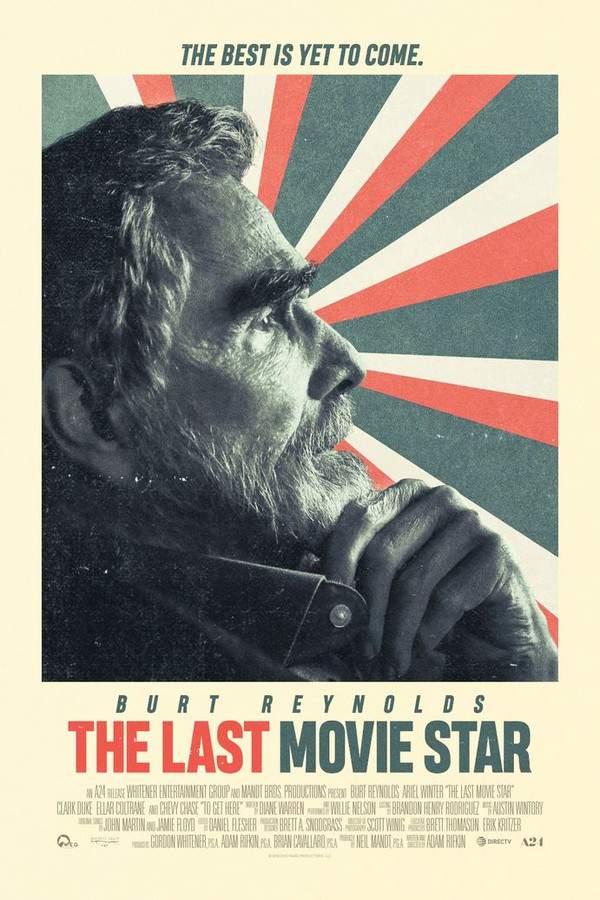
The Last Movie Star (2018) movie poster

Plot Summary

The Last Movie Star (2018) Plot Summary Explained

Release, runtime and language
2018 · 94 min · English
Echo score 60
Directed by
Adam Rifkin
Starring
Burt Reynolds, Nikki Blonsky, Chevy Chase, Clark Duke, Al-Jaleel Knox, Ariel Winter

Hollywood legend Vic Edwards accepts a Lifetime Achievement award at a film festival in Tennessee, setting off a reflective journey through his career. While navigating the eccentricities of small-town life, he confronts past successes and personal struggles. The experience leads to a poignant exploration of his life, offering a touching look at the highs and lows of fame and the enduring power of memory.

On this page (6)
  1. 1 Where to watch
  2. 2 What happens: full plot
  3. 3 Plot questions answered
  4. 4 Movie threads
  5. 5 Movies like The Last Movie Star
  6. 6 Every angle

Where to watch

Where to Watch The Last Movie Star (2018)

Where can you watch The Last Movie Star? Stream, rent or buy it in the US, including on Amazon Video, Apple TV Store and Fandango At Home: current JustWatch availability with up-to-date prices.

Streaming availability powered by JustWatch

Full plot summary · contains spoilers

What Happens in The Last Movie Star: Full Plot Summary

The whole story of The Last Movie Star (2018) explained, from the opening scene to the final frame: every key event, every twist and what it all adds up to. Read it as a quick recap before the sequel, to check a scene you missed, or to finally understand what really happened.

An aging movie star, Vic Edwards, embarks on a reflective journey when he is invited to a local film festival in Nashville. Once celebrated in Hollywood, Vic now grapples with the reality that his best days are behind him.

The narrative opens with Vic, portrayed by Burt Reynolds, as he struggles with mundane activities of daily life. Frustration mounts when an attractive woman in a store overlooks him, reminding him of his faded glory. Over lunch with his friend, Sonny, played by Chevy Chase, Vic learns about receiving a lifetime achievement award from this festival in Tennessee. Intrigued by the prospect of revitalizing his spirits, he reluctantly agrees to attend, only to find out that his flight arrangements are far from first class.

Upon arriving, Vic is greeted by Lil, his personal assistant, identified as Ariel Winter, who not only lacks recognition of his fame but also drives him in a car overflowing with trash. His discontent escalates when he discovers he is staying at a low-budget motel instead of the upscale accommodations he envisioned. With a sardonic remark, he proclaims that Clint Eastwood never would have stayed there.

Once at the festival, which turns out to be a modest events pieced together in the back of a bar, Vic’s irritation peaks. Despite the awe from several dozen attendees, he responds to their admiration with disdain and ultimately storms out after indulging in excessive drinking.

The following day, Vic urges Lil to drive him to his hometown in Knoxville, several hours away. They visit the place where he grew up, reminiscing about his days as a college football star. He recounts a pivotal moment when he scored the winning touchdown, only to suffer an injury that shattered his athletic dreams. While Vic expresses derision toward acting, he clings to the honor he associates with being a football player, allowing bitterness to sweep over him.

During their travels, he shares memories of his first wife, revealing that she was the only one who loved him for who he truly was, and not just for his fame. They finally reach a luxurious hotel, where Vic receives a warm welcome, but Lil grapples with heartbreak upon discovering her boyfriend’s infidelity. Instead of dwelling on it, Vic advises her to move on, drawing from his own painful experiences.

Their next stop is the nursing home where Vic's first wife resides, only to find her suffering from dementia and unable to recognize him. As Vic reflects on his past, he imagines scenes from his iconic movies, such as Smokey and the Bandit and Deliverance, confronting the emotional turmoil he caused, especially towards women in his life.

Determined to reconcile, Vic decides to see his first wife again, leading to a poignant moment where he takes her out of the nursing home to apologize and whimsically proposes a second chance at marriage. Although she is joyful, her confusion is palpable.

Returning to the festival just in time for the finale, Vic now radiates peace and acceptance. As he steps on stage to accept his award, he feels embraced by the crowd, finally recognizing the value of his journey and the love that remains.

Last updated: November 15, 2024 at 16:01

Was this helpful?

Plot questions answered

The Last Movie Star Plot Explained: Your Questions Answered

The questions people ask most about The Last Movie Star (2018): what happens in the confusing scenes, why the characters do what they do, the twists, hidden details and what the ending means. Each answer contains spoilers.

Q1

Why does Vic dismiss the film festival attendees?

Vic's dismissal stems from his bitter realization that the festival is a far cry from his Hollywood glories. After being overlooked in everyday life and learning his fame has faded, he projects his own disappointment onto the small crowd. His disdainful reaction is a defense mechanism, he'd rather reject the homage than accept it as lesser than what he once had.

  • Vic Edwards
  • fame
  • bitterness
  • festival
  • fans
Q2

Why does Vic insist on visiting Knoxville?

Vic wants to revisit his hometown because it's where he was happiest, as a college football star before a career-ending injury forced him into acting. The visit represents his attempt to reconnect with the part of himself that existed before fame, the identity he values most but lost when Hollywood consumed his life.

  • Knoxville
  • hometown
  • football
  • memories
  • past
Q3

What ended Vic's football career?

Vic's football dreams ended when he scored the winning touchdown in college, only to suffer a severe injury immediately after. The injury was so devastating it forced him to abandon athletics entirely, pushing him into acting, a profession he secretly despises despite his success, because it was never his first choice.

  • football
  • injury
  • career
  • college
  • dreams
Q4

Why doesn't Vic's first wife recognize him?

Vic's first wife has dementia and no longer has the cognitive ability to recognize anyone, including the man she married. This tragic reality represents one of the film's central losses, Vic cannot even reconnect with the one person who loved him for himself, not his fame. Her confusion is not personal, but a medical condition.

  • first wife
  • dementia
  • nursing home
  • memories
  • loss
Q5

Why does Vic propose to his wife a second time?

Despite her dementia, Vic proposes because he wants to reclaim what he lost, his genuine connection with someone who loved him unconditionally. The proposal is less about her understanding and more about Vic's need for closure. He finally accepts her joy in the moment, even though she cannot grasp what he's asking.

  • proposal
  • marriage
  • forgiveness
  • closure
  • second chance
Q6

What does Vic mean when he compares himself to Clint Eastwood?

Vic's remark about Clint Eastwood staying at the motel is sardonic self-pity. By invoking Eastwood, a peer who maintained a tougher, more enduring image, Vic contrasts his own decline. The comment highlights his bitterness about receiving second-class treatment despite once being an A-list star.

  • Clint Eastwood
  • motel
  • fame
  • comparison
  • status
Q7

Why does Vic tell Lil to move on after her breakup?

Vic advises Lil to move on because he's learned the hard way that clinging to lost love causes only more pain. His own failed marriage and years of superficial relationships have taught him that acceptance is healthier than resentment. Speaking from experience, he wants her to avoid his mistakes.

  • Lil
  • breakup
  • advice
  • relationships
  • wisdom
Q8

What changes Vic's attitude at the festival finale?

The trip itself transforms Vic. Visiting his hometown, confronting his football past, and especially seeing his wife despite her condition forces him to accept his life story rather than resent it. By the time he returns, he's stopped fighting the reality of aging and found peace with his legacy and the love that remains.

  • acceptance
  • transformation
  • peace
  • award
  • journey
Q9

Why does Vic imagine scenes from his old movies at the nursing home?

The imagined movie scenes represent Vic's guilt over how he treated people, especially the women in his life. At the nursing home, forced to face his past, his mind replays the characters he played, often charming or tough, to contrast with the emotional damage he caused in reality. It's his subconscious confronting the gap between his on-screen persona and real-life actions.

  • memories
  • guilt
  • movies
  • deliverance
  • smokey and the bandit
Q10

Why is Vic's first wife so important to him?

Vic's first wife was the only person who loved him for who he truly was, not his fame. Throughout the film, he contrasts her genuine love with the superficial admiration he received in Hollywood. Even with her dementia, she represents the authentic connection he's been missing since their divorce.

  • first wife
  • love
  • fame
  • authentic connection
  • dementia
Q11

Why does Vic's assistant drive such a messy car?

Lil's trash-filled car symbolizes Vic's current low status, far from the glamorous Hollywood life he once lived. Rather than a high-end assistant with a luxury vehicle, he's stuck with someone who doesn't even recognize his fame, reflecting how far he's fallen in the industry hierarchy.

  • Lil
  • car
  • status
  • fame
  • assistant
Q12

Why does Vic ultimately accept the lifetime achievement award?

Vic accepts the award because he's finally made peace with his life and legacy. After confronting his past, his lost football dreams, his failed marriage, his superficial career, he realizes the recognition matters less than the journey that led him there. He accepts not for vanity, but for the love the audience represents.

  • award
  • acceptance
  • legacy
  • peace
  • recognition

Movie threads

More Movies Like The Last Movie Star, by Mood & Story

Curated lists built around what makes The Last Movie Star tick: the same mood, the same kind of story or the same emotional payoff. Each list explains why these movies belong together.

Movies about aging and acceptance like The Last Movie Star

Elderly characters look back on their lives, navigating nostalgia, regret, and eventual acceptance. Discover films like The Last Movie Star that explore the lives of aging icons and everyday people reflecting on their past. If you enjoyed the bittersweet journey of reconciling fame and memory, you'll find similar movies focused on legacy, regret, and peaceful acceptance in one's later years.

  • reflective
  • poignant
  • nostalgic
  • melancholic
  • grumpy
  • accepting
  • Tone: bittersweet, melancholic, touching
  • Pacing: slow, reflective, conversational
Why these movies?

The story pattern: Stories typically follow a linear, character-driven path where an aging protagonist is prompted by an event (an award, a trip, a reunion) to confront their past. The central conflict is internal, revolving around memory, legacy, and regret, culminating not in dramatic change but in a quiet, hard-won acceptance of one's life story.

Why they belong together: These films are grouped by their shared focus on the emotional landscape of aging. They possess a similar bittersweet tone, slow, reflective pacing, and medium emotional weight, creating a deeply touching and thoughtful viewing experience centered on life's final chapters.

Grumpy character journeys like Vic in The Last Movie Star

Cantankerous characters are slowly softened by an unexpected journey or connection. If you liked the grumpy yet touching arc of Vic Edwards in The Last Movie Star, explore these movies featuring cantankerous characters on a path to softness. These stories balance humorous friction with genuine emotional depth, following outsiders who find unexpected connection and purpose.

  • grumpy
  • heartwarming
  • reluctant journey
  • character growth
  • touching
  • humorous
  • Tone: bittersweet, humorous, touching
  • Pacing: steady, character-driven
Why these movies?

The story pattern: The narrative pattern involves a misanthropic protagonist being forced into a situation they disdain—a trip, a responsibility, or a partnership. The story unfolds through their gradual, often resistant, engagement with the world around them. The conflict is primarily between their stubborn nature and the dawning realization of their need for human connection, leading to a softened, if not fully changed, perspective.

Why they belong together: Movies in this thread share a specific character archetype and emotional arc. They balance a grumpy or cynical tone with underlying warmth, resulting in a bittersweet feel. The pacing is often steady or slow, allowing the character's defenses to melt away believably, creating a satisfying and heartwarming payoff.

If you liked this

Movies Like The Last Movie Star

Similar movies to The Last Movie Star: the same genre, themes or kind of story. Each one comes with its own plot summary, timeline and ending explained.

Browse all movie summaries

Every angle

The Last Movie Star (2018) Explained: Plot, Timeline & Characters

Everything about The Last Movie Star in one place: what happens in the plot summary, the timeline in chronological order, the characters and meaning and a spoiler-free summary. What's After the Movie adds the cast, box office and post-credit scenes.

Coming soon on iOS and Android

The Plot Explained Movie Summary App

Plot summaries, endings explained and timelines on your phone. Catch up on any movie in minutes, save your favorites and never miss a twist again.

Be the first to know when we launch. Your email stays private, always.

Learn more about the app