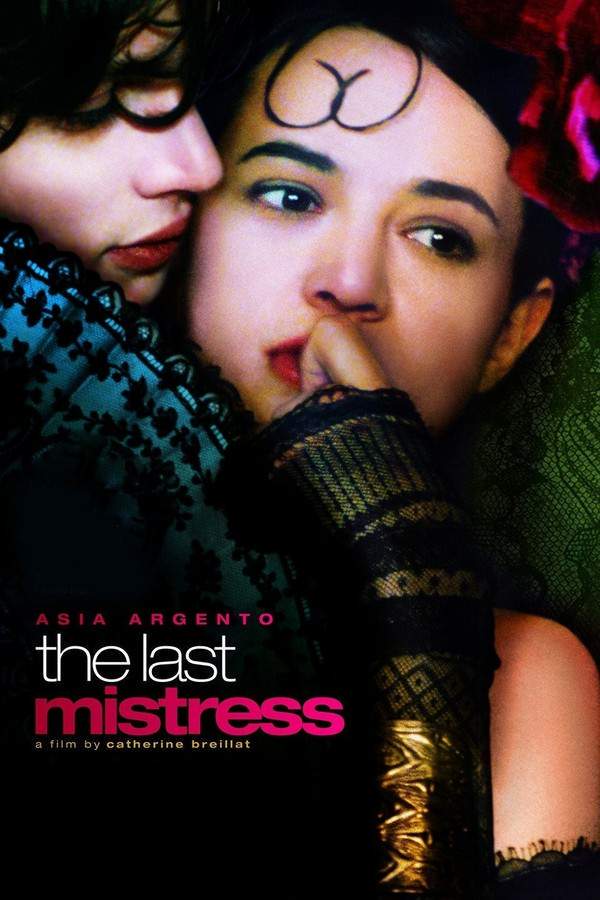
The Last Mistress
Year: 2008
Runtime: 104 min
Language: French
Director: Catherine Breillat
Budget: $6M
Set in 19th century France, the story follows the unconventional marriage between the impoverished Ryno de Marigny and the aristocratic Hermangarde. Rumors swirl around their union as the truth about Ryno’s long-standing affair with the captivating Vellini comes to light. The film explores themes of desire and societal expectations through a wickedly humorous and intensely erotic narrative, challenging conventions and revealing hidden truths.
Where to Watch The Last Mistress?
Find where to stream, rent, or buy The Last Mistress (2008) in the US with current JustWatch availability, up-to-date pricing, and platform listings for subscription, rental, and digital purchase options.


Streaming availability powered by 
Warning: spoilers below!
Haven’t seen The Last Mistress yet? This summary contains major spoilers. Bookmark the page, watch the movie, and come back for the full breakdown. If you're ready, scroll on and relive the story!
Timeline & Setting – The Last Mistress (2008)
Explore the full timeline and setting of The Last Mistress (2008). Follow every major event in chronological order and see how the environment shapes the story, characters, and dramatic tension.
Last updated: January 08, 2026 at 08:31
Main Characters – The Last Mistress (2008)
Meet the key characters of The Last Mistress (2008), with detailed profiles, motivations, and roles in the plot. Understand their emotional journeys and what they reveal about the film’s deeper themes.
Last updated: January 08, 2026 at 08:31
Major Themes – The Last Mistress (2008)
Explore the central themes of The Last Mistress (2008), from psychological, social, and emotional dimensions to philosophical messages. Understand what the film is really saying beneath the surface.
Last updated: January 08, 2026 at 08:31
The Last Mistress (2008) Character & Theme Questions Answered – Info FAQ
Browse frequently asked questions about The Last Mistress (2008) focused on characters, relationships, themes, symbols, setting, and story context. This movie info FAQ gives spoiler-aware explanations for character arcs, world details, and thematic interpretation so readers can better understand what the film is really about.
What are the main locations featured in the film?
The story primarily takes place in 1830s Paris, the center of aristocratic society with its elaborate social rituals. It also flashbacks to Baden, Germany, where Ryno lived his libertine lifestyle, and to Algeria, where the couple suffers a devastating tragedy. The climax unfolds at an isolated castle on the Normandy coast, removing the characters from urban scrutiny and intensifying the sense of scandal and porte-manteau romance.
When does the story take place?
The present action occurs in 1835 Paris, during an era of aristocratic excess and rigid social codes. The narrative also includes a decade-long backstory in Baden and a tragedy-filled period in Algeria, showing how past choices continue to shape the characters' present circumstances.
What does the film say about love and infidelity?
The film centers on a tense love triangle between Ryno, Vellini, and Hermangarde, exploring how raw passion clashes with duty and reputation. Ryno's continued affair with Vellini destabilizes his marriage to Hermangarde, and Vellini's hold over him persists despite social norms. Past heartbreaks intertwine with present desires, driving the characters toward a fateful reckoning.
How does the film portray aristocratic society?
Aristocratic alliances, arranged marriages, and constant gossip drive every character decision. The Marquise de Flers and Comtesse d'Artelles act as gatekeepers of propriety, weighing social status benefits against personal happiness. The narrative reveals how appearances are meticulously protected even as private lives unravel completely.
What role does grief play in the story?
Tragic losses, including the death of a daughter in Algeria and a devastating miscarriage, permeate the central relationship. These events amplify existing guilt and resentment between the lovers. The weight of these losses underscores the profound personal cost of infidelity and the crushing pressure of societal expectations.
Who is Ryno de Marigny?
Ryno is a charismatic but conflicted aristocrat whose carefree libertine lifestyle directly clashes with his impending marriage to Hermangarde. He maintains a dangerous, enduring affair with La Vellini while trying to preserve his public appearance. His indecision and choice of passion over duty ultimately drive the tragic arc of the story.
Who is La Vellini and what is her significance?
La Vellini is a mistress with fierce will and intense passion who challenges social norms through her relationship with Ryno. Her hold over him persists for years, even after his marriage. She repeatedly tests the boundaries between status and desire, propelling the central conflict and embodying the era's tensions between personal passion and societal duty.
Who is Hermangarde in the film?
Hermangarde is the young aristocratic bride-to-be whose innocence and pregnancy anchor the early phase of the marriage. She unknowingly bears the consequences of her husband's affair, and her vulnerability highlights the human cost of adult infidelity. Her stability and hopeful outlook contrast sharply with the chaos surrounding her.
What role does the Marquise de Flers play?
The Marquise de Flers is Ryno's grandmother who orchestrates his marriage to Hermangarde for strategic social gain. She sees the match as beneficial to both parties, embodying pragmatic aristocracy. She balances personal concern for her grandson with cold calculation about social advantage, and her decisions shape the public meaning of the union.
What is the overall tone of the film?
The film balances wickedly humorous social commentary with a fundamentally tragic core, creating a darkly compelling mood. While the dialogue and societal observations often carry sharp wit, the story ultimately explores destructive passions and societal hypocrisy without offering redemption. The ending is decidedly bleak, with the marriage destroyed and no hope for characters to escape their circumstances.

Explore Movie Threads
Discover curated groups of movies connected by mood, themes, and story style. Browse collections built around emotion, atmosphere, and narrative focus to easily find films that match what you feel like watching right now.
Torrid Period Romances like The Last Mistress
Social scandal erupts when obsessive desire shatters aristocratic facades.Movies like The Last Mistress that explore intense, forbidden romances within aristocratic settings. If you enjoyed the themes of destructive passion and societal scandal, you'll find similar stories of tragic love here.
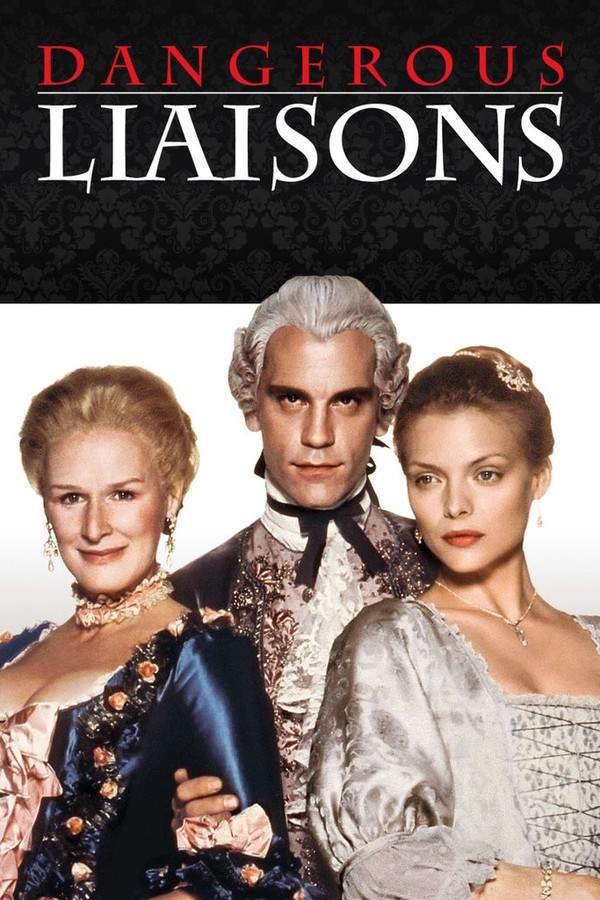
Dangerous Liaisons
1988
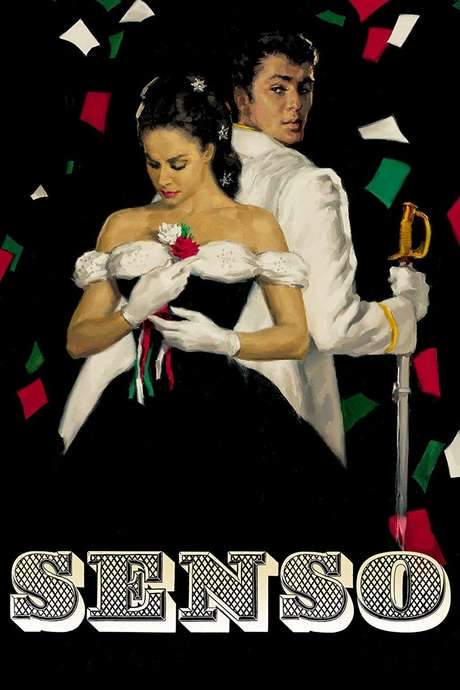
Senso
1954
Dangerous Liaisons (2012)
2012
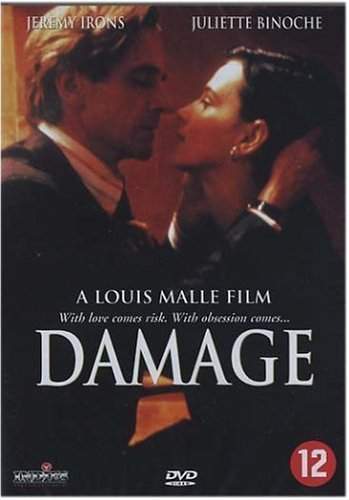
Damage
1993

Desire Under the Elms
1958

Dangerous Liaisons
2022
The Last Mistress
2008

Du Barry, Woman of Passion
1930

The Passion of Anna
1969
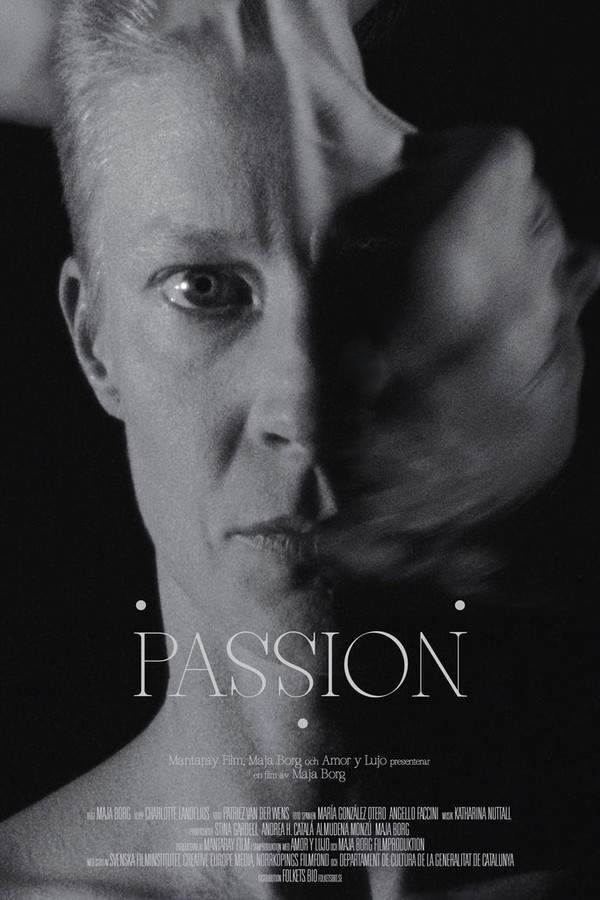
Passion
2013

Temptress
1995
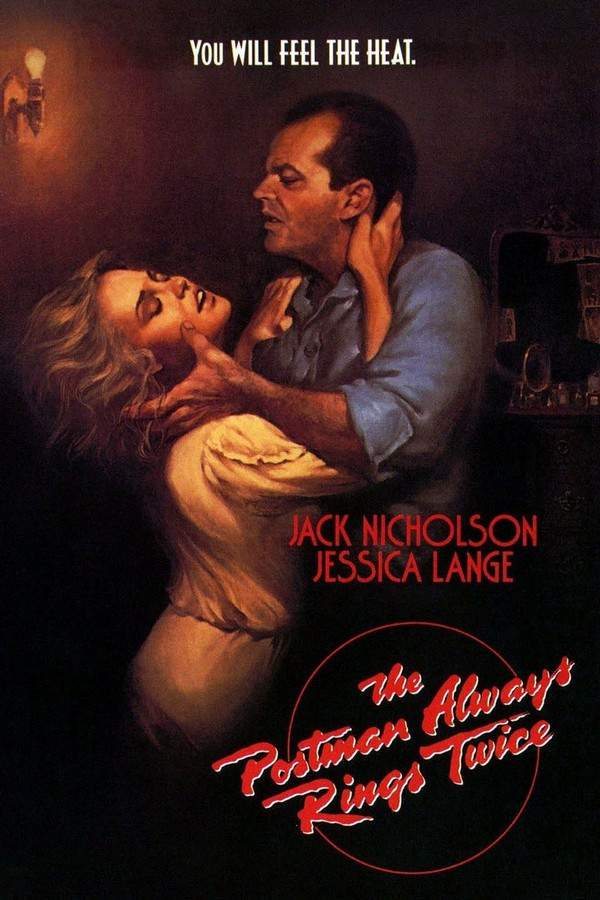
The Postman Always Rings Twice
1946
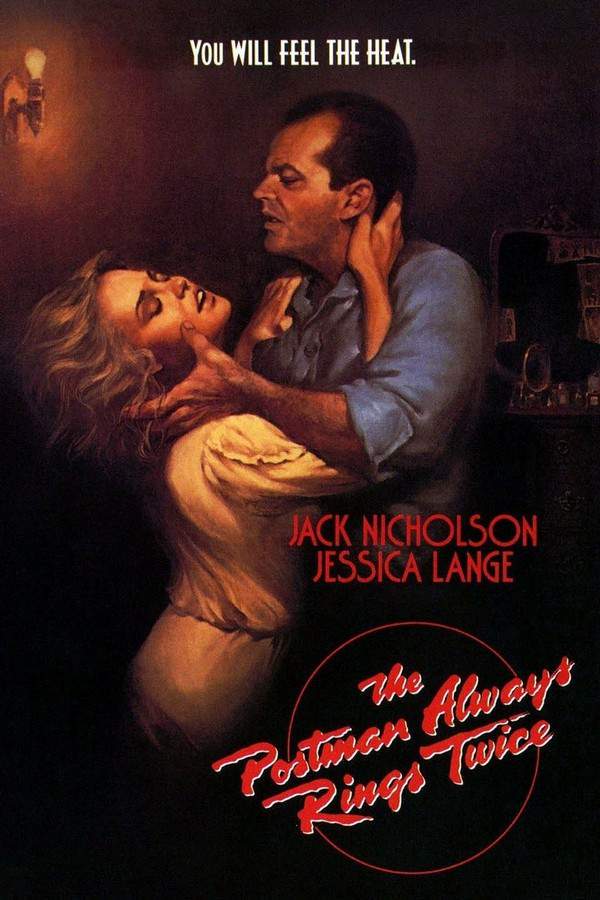
The Postman Always Rings Twice
1981

Edward II
1991
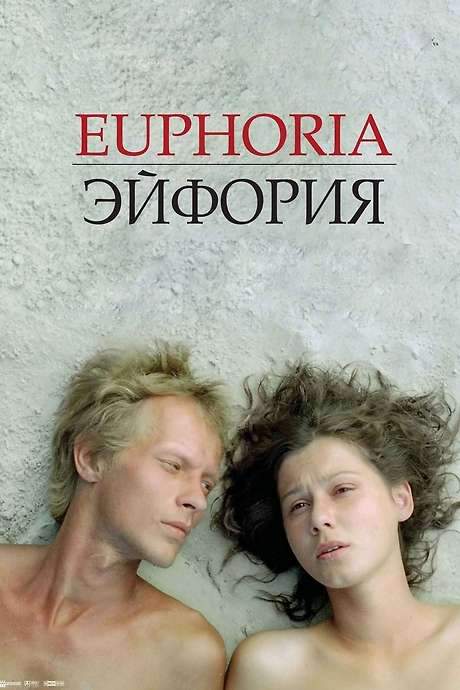
Euphoria
2006
Narrative Summary
Stories in this thread typically follow characters entangled in illicit affairs or obsessive relationships that defy their social standing. The narrative charts a descent from initial euphoria into tragedy, often culminating in the ruin of reputations, broken families, and an irreversible loss of innocence.
Why These Movies?
These films are grouped by their shared focus on 'torrid' romance—a blend of high emotion, sensual tension, and tragic outcomes—set against a backdrop of luxurious but oppressive societal expectations. They offer a similar mix of erotic tension, emotional weight, and dramatic collapse.
Bleak Character Tragedies like The Last Mistress
Intimate character studies where flawed choices lead to an inescapable, grim end.Discover movies with a similar bleak ending feel to The Last Mistress. These films feature complex characters whose actions lead to tragic, unredemptive conclusions, perfect for viewers who appreciate heavy, emotionally resonant storytelling.





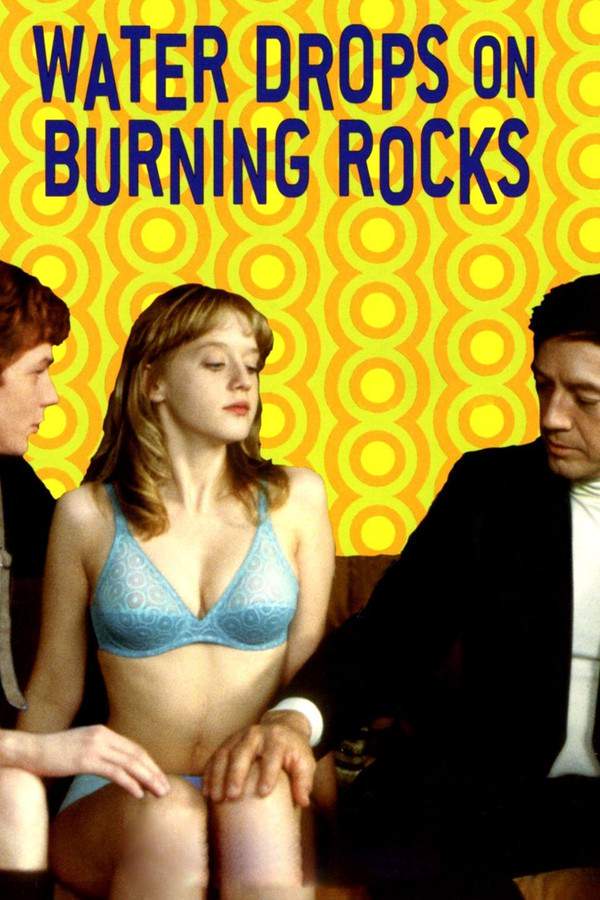
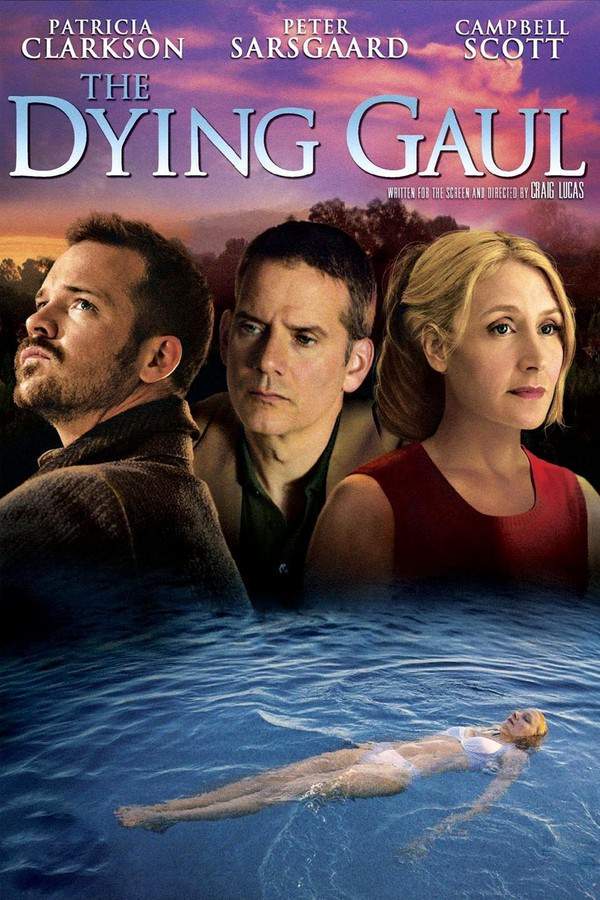
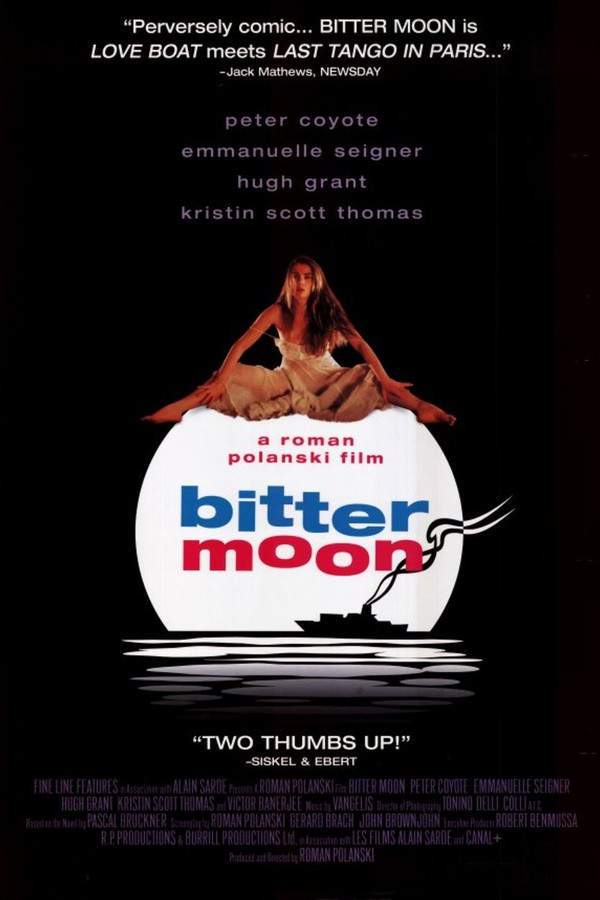


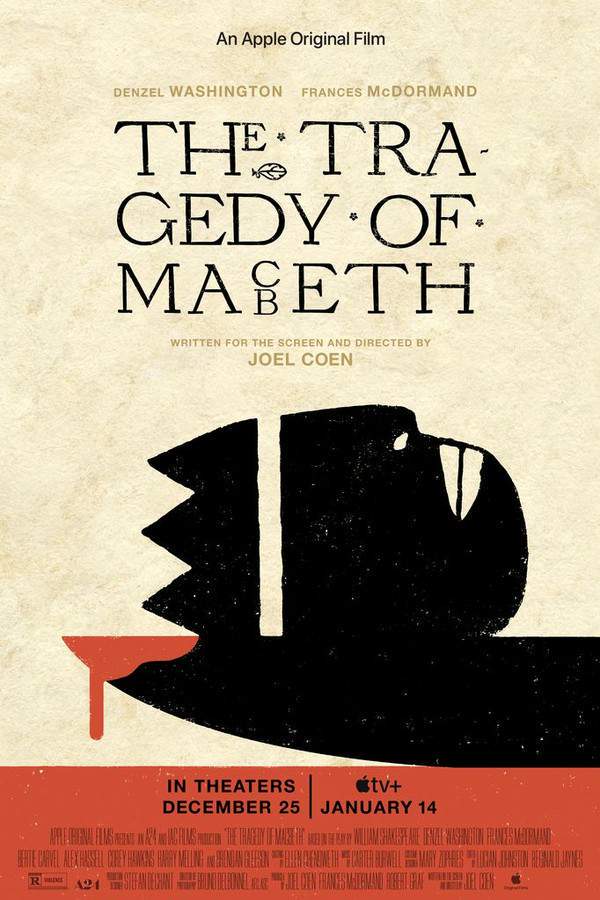
Narrative Summary
The narrative pattern is one of a slow and steady unraveling. Characters make a series of consequential, often selfish, choices that compound over time, creating a snowball effect of misfortune that culminates in a definitive, pessimistic ending devoid of hope or salvation.
Why These Movies?
These films are united by their unwavering commitment to a tragic arc and a bleak emotional payload. They share a dark tone, steady pacing that builds dread, and a conclusion that leaves a profound sense of loss, appealing to viewers who seek stories with heavy emotional consequences.
Unlock the Full Story of The Last Mistress
Don't stop at just watching - explore The Last Mistress in full detail. From the complete plot summary and scene-by-scene timeline to character breakdowns, thematic analysis, and a deep dive into the ending - every page helps you truly understand what The Last Mistress is all about. Plus, discover what's next after the movie.
The Last Mistress Summary
Read a complete plot summary of The Last Mistress, including all key story points, character arcs, and turning points. This in-depth recap is ideal for understanding the narrative structure or reviewing what happened in the movie.

The Last Mistress Timeline
Track the full timeline of The Last Mistress with every major event arranged chronologically. Perfect for decoding non-linear storytelling, flashbacks, or parallel narratives with a clear scene-by-scene breakdown.


