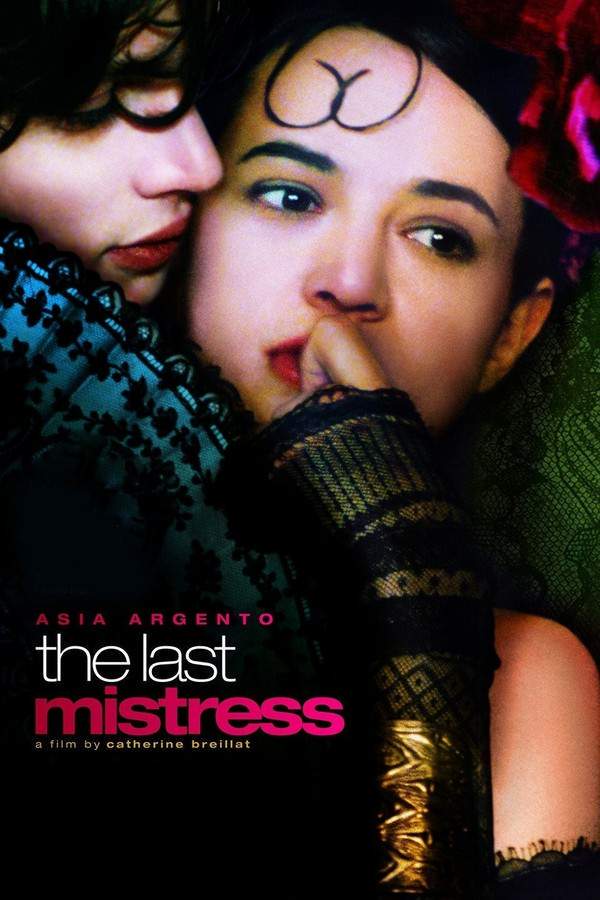
The Last Mistress
Year: 2008
Runtime: 104 min
Language: French
Director: Catherine Breillat
Budget: $6M
Set in 19th century France, the story follows the unconventional marriage between the impoverished Ryno de Marigny and the aristocratic Hermangarde. Rumors swirl around their union as the truth about Ryno’s long-standing affair with the captivating Vellini comes to light. The film explores themes of desire and societal expectations through a wickedly humorous and intensely erotic narrative, challenging conventions and revealing hidden truths.
Where to Watch The Last Mistress?
Find where to stream, rent, or buy The Last Mistress (2008) in the US with current JustWatch availability, up-to-date pricing, and platform listings for subscription, rental, and digital purchase options.


Streaming availability powered by 
Warning: spoilers below!
Haven’t seen The Last Mistress yet? This summary contains major spoilers. Bookmark the page, watch the movie, and come back for the full breakdown. If you're ready, scroll on and relive the story!
The Last Mistress (2008) – Full Plot Summary & Ending Explained
Read the complete plot breakdown of The Last Mistress (2008), including all key story events, major twists, and the ending explained in detail. Discover what really happened, and what it all means.
In 1835 Paris, a tense arrangement unfolds as the Vicomte de Prony visits La Vellini, a beautiful kept woman of Malagan birth, and delivers a blunt message: her long-standing affair with the libertine Ryno de Marigny must end because Ryno is about to be married. On his way out, Prony crosses paths with Ryno, who has decided to visit his mistress one last time. After their reunion, Ryno declares that their relationship is finished, though La Vellini remains doubtful. In the background, the Marquise de Flers, grandmother to Ryno’s prospective bride Hermangarde, and the Comtesse d’Artelles—the wife of Prony—converse about the upcoming nuptials. The Marquise believes the match will profit both Ryno and his innocent bride, while d’Artelles harbors doubts that the penniless rake can truly leave his libertine past behind. As the pair depart, the Marquise hints that Ryno has had a mistress for a decade.
The cast of the household shifts to a dramatic backstory. A decade earlier, Ryno lives a carefree aristocratic life in Baden until a fateful encounter with La Vellini, the wife of an elderly baronet, Sir Reginald. Ryno is instantly drawn to her, but she spurns him at first. A ride in the Bois de Boulogne leads to a failed kiss and a duel challenge from Sir Reginald. Ryno attempts a chivalrous dupe to end the duel, but Reginald shoots him, leaving him gravely wounded. As Ryno lies recovering, Vellini appears and licks the blood from his wound, sparking a torrid affair. Over the next two years, Vellini visits while Ryno convalesces, and eventually leaves her husband, causing a scandal in Paris.
The lovers relocate to Algeria, where they live together and have a daughter. Their daughter’s death—she is stung by a scorpion—drags them into a profound grief, and they even confront mortality in a vivid moment: they make love beside their daughter’s pyre. Back in France, the bond between them remains fraught with tension; they acknowledge mutual loathing in the wake of the tragedy, yet the lure of each other continues to pull them closer. Eventually, Ryno’s feelings for Vellini ebb, and his appetite for their relationship wanes.
Having heard Ryno’s tale, the Marquise de Flers allows the marriage to proceed. The newlyweds, Ryno and Hermangarde, move away from Paris to a castle on the Norman coast, where they enjoy a short period of conjugal bliss. Hermangarde becomes pregnant, and for a time the couple seems settled. Yet the shadow of Vellini follows them. One day, while Ryno takes a solitary walk, Vellini appears again, pressing him to either kill or kiss her. They share a kiss, reigniting the affair even as Hermangarde mostly remains with child in the castle.
As the affair deepens, Hermangarde grows uneasy, noticing Vellini lingering near the estate. One night, she makes a bold move and goes to Vellini’s house, where she discovers her husband and Vellini in the act. The next morning, Hermangarde suffers a miscarriage, a devastating blow that shakes the young wife’s world. The narrative now shifts to Paris, where the Vicomte recounts to the Comtesse that Ryno has resumed a regular—indeed open—visitation of Vellini, displaying a striking indifference to his wife.
In the end, the Comtesse’s wary judgment finds some relief in the passing of the Marquise de Flers, who never had to witness the unraveling of the union she once orchestrated. The story remains a measured, intricate portrait of desire, loyalty, and the inescapable pull of a past that refuses to stay buried.
Last updated: January 08, 2026 at 12:00
The Last Mistress (2008) Plot Questions Answered – Summary FAQ
Explore frequently asked questions about The Last Mistress (2008) with spoiler-rich answers covering the full plot summary, major story beats, character motivations, hidden details, and ending meaning. This movie summary FAQ helps explain confusing scenes, plot twists, and narrative decisions in clear, searchable detail.
Why does Ryno decide to marry Hermangarde despite his long affair with Vellini?
Ryno appears genuinely ready to leave his libertine past behind. Having grown weary of the destructive cycle with Vellini after their daughter's death and years of fraught passion, he sees marriage to the innocent Hermangarde as an opportunity for respectability and a fresh start. The Marquise de Flers permits the match partly because she believes Ryno can provide financial stability, and Ryno himself seems to genuinely intend fidelity, at least initially.
The backstory reveals that after their daughter's death, Ryno and Vellini acknowledged mutual loathing, and Ryno's appetite for the relationship began to wane.
How did Ryno and Vellini first meet and fall into their affair?
They met a decade before the main narrative in Baden, where Ryno was living a carefree aristocratic life. Vellini was married to Sir Reginald, an elderly baronet. Ryno was instantly attracted to her, but she initially rejected him. A ride in the Bois de Boulogne led to a failed kiss attempt, which provoked Sir Reginald to challenge Ryno to a duel. During the duel, Ryno attempted a chivalrous ploy to end it, but Reginald shot him, leaving him gravely wounded. While recovering, Vellini visited him, tended his wound, licking the blood from it, and their torrid affair began.
The initial encounter establishes the pattern of their relationship: intense physical passion mixed with danger and social transgression.
What happened to Ryno and Vellini's daughter in Algeria?
After relocating to Algeria together, Ryno and Vellini had a daughter. The child died from a scorpion sting, a tragic accident that devastated both parents. In the aftermath, they experienced profound grief and even confronted mortality together in a vivid, intense scene: they made love beside their daughter's burning pyre. This tragedy marked a turning point in their relationship, leaving them acknowledging mutual loathing even as their physical attraction persisted.
The loss of their child deepens the toxic entanglement between them, creating a bond forged in shared tragedy that proves impossible to break.
Why does Hermangarde miscarry after discovering Ryno's affair?
Hermangarde deliberately goes to Vellini's house one night and discovers her husband and Vellini together in an explicit scene. The traumatic revelation of this betrayal, combined with the emotional devastation of witnessing the affair firsthand, causes her to suffer a miscarriage the next morning. The loss of her child represents the complete destruction of whatever fragile hope remained in the marriage.
The affair has been openly conducted despite Hermangarde's pregnancy, and her discovery comes as the final psychological blow.
Why does Vellini return to Ryno's life after his marriage to Hermangarde?
Vellini appears at the Norman coast estate where Ryno and Hermangarde have settled, pressing him to either kill or kiss her, an ominous demand that represents the inescapable pull of their decade-long entanglement. Though Ryno attempted to end the relationship, Vellini's return demonstrates that neither she nor Ryno can truly break free from their passionate bond. The affair resumes, eventually becoming open and defiant of social norms.
Even before the marriage, the Marquise hints that Ryno has had a mistress for a decade, suggesting the past cannot be so easily left behind.
What was the Marquise de Flers' role in arranging Ryno and Hermangarde's marriage?
The Marquise de Flers is Hermangarde's grandmother who orchestrates the marriage for practical reasons, she believes the match will profit both the impoverished Ryno and her innocent granddaughter. Despite the Comtesse d'Artelles' doubts about whether a penniless rake can truly leave his libertine past behind, the Marquise permits the union after hearing Ryno's full confession about his past. The Marquise never learns of the marriage's ultimate failure, as she dies before the complete unraveling occurs.
The Marquise's optimism about Ryno's reform proves tragically misplaced, as Vellini's shadow follows the couple to Normandy.
Why can't Ryno truly leave Vellini behind despite wanting to change his life?
Ryno's struggle represents the film's central exploration of destructive passion. Their connection began with intense physical and emotional intensity, the blood-licking scene, the near-death experience, the shared grief of their daughter's death. Even when Ryno attempts to end things, Vellini's return awakens the same powerful pull. The narrative suggests their bond transcends mere desire and becomes a kind of fatal compulsion neither can escape, even when it destroys everything around them.
The story frames their relationship as an addiction that persists despite mutual acknowledgment of its toxicity.
How does The Last Mistress end and what happens to the characters?
The ending is bleak. After Hermangarde's miscarriage destroys any hope for the marriage, Ryno resumes openly visiting Vellini in Paris, displaying striking indifference to his wife. The story concludes with the death of the Marquise de Flers, who never witnessed the marriage's complete failure, bringing some relief to the Comtesse d'Artelles, who had doubted the match from the start. Ryno remains trapped in his cycle with Vellini, with no redemption or escape in sight.
The final image emphasizes the past's refusal to stay buried, as Ryno's patterns repeat without change.
Why does Vicomte de Prony deliver the ultimatum to Vellini about ending the affair?
Prony serves as a representative of Parisian social authority. He visits Vellini to deliver a blunt message: her long-standing affair with Ryno must end because Ryno is about to be married to Hermangarde. This scene establishes the social pressure surrounding Ryno's upcoming marriage and the city's awareness of his scandalous past. Prony also crosses paths with Ryno on his way out, setting up the confrontation that leads to Ryno's final visit to his mistress.
Prony represents the social world that Ryno is attempting to leave, but cannot fully escape.
What does Vellini actually want from Ryno - love, revenge, or something else?
Vellini's desires remain complex and somewhat ambiguous throughout the film. She initially spurned Ryno but became drawn into the affair after his near-death experience. She left her husband for him, causing a Parisian scandal. Even when Ryno attempts to end things, she returns and demands he either kill or kiss her, suggesting she craves intensity above all, even if that intensity is destructive. Her relationship with Ryno seems to fulfill a need for passion and meaning that transcends simple romantic desire.
Her dramatic return to the Norman estate shows she will not accept being discarded easily.

Explore Movie Threads
Discover curated groups of movies connected by mood, themes, and story style. Browse collections built around emotion, atmosphere, and narrative focus to easily find films that match what you feel like watching right now.
Torrid Period Romances like The Last Mistress
Social scandal erupts when obsessive desire shatters aristocratic facades.Movies like The Last Mistress that explore intense, forbidden romances within aristocratic settings. If you enjoyed the themes of destructive passion and societal scandal, you'll find similar stories of tragic love here.
Dangerous Liaisons
1988
Senso
1954
Dangerous Liaisons (2012)
2012

Damage
1993

Desire Under the Elms
1958

Dangerous Liaisons
2022
The Last Mistress
2008

Du Barry, Woman of Passion
1930

The Passion of Anna
1969

Passion
2013

Temptress
1995
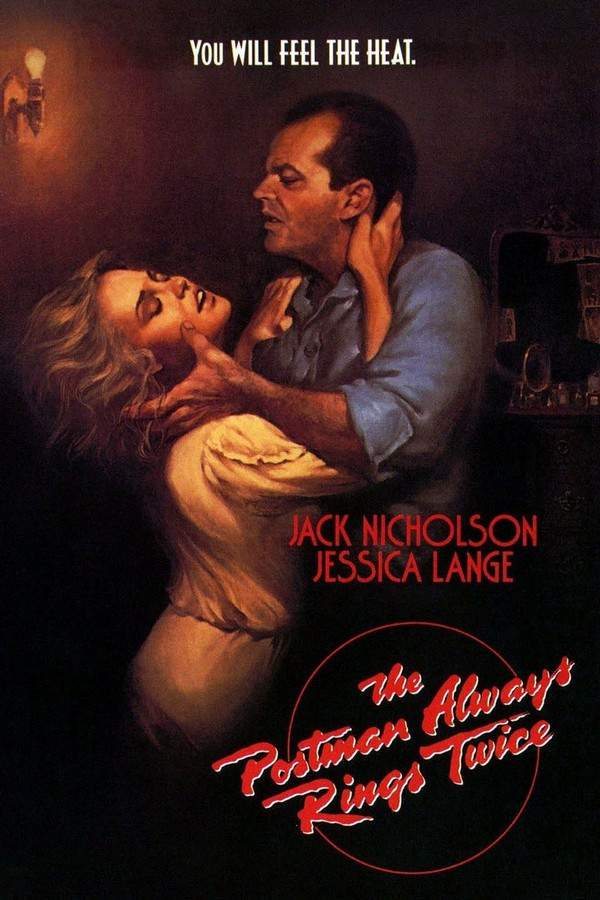
The Postman Always Rings Twice
1946
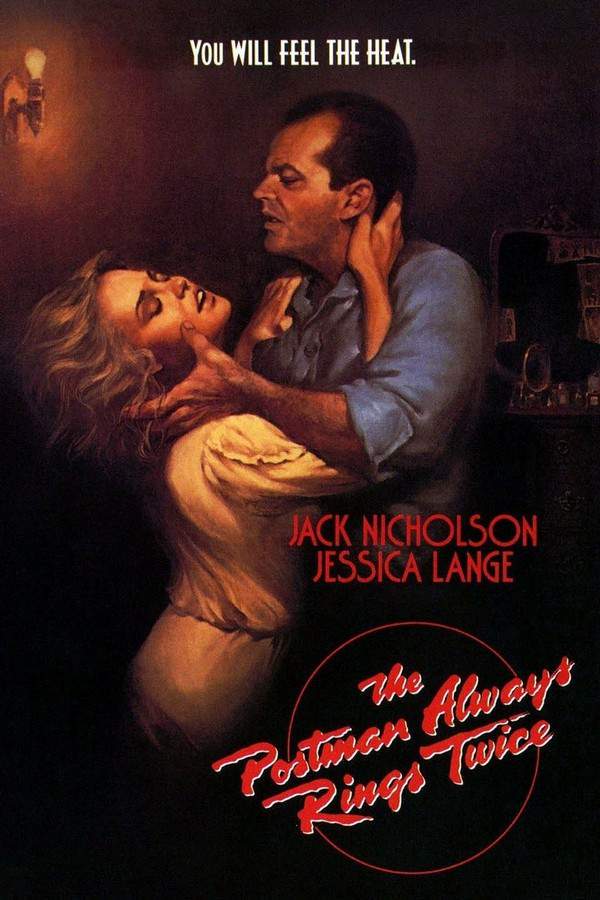
The Postman Always Rings Twice
1981

Edward II
1991
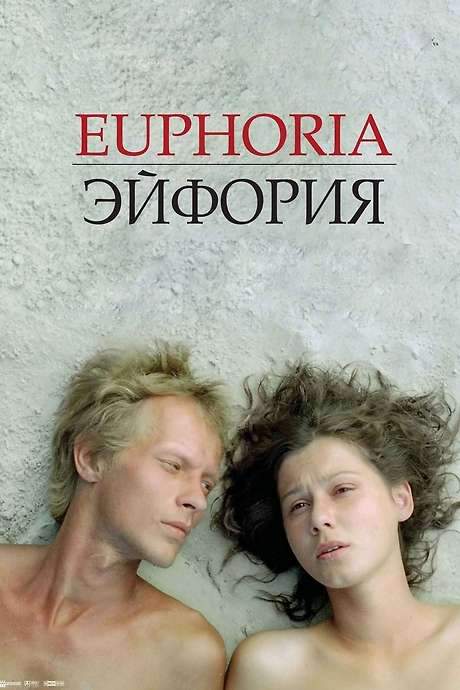
Euphoria
2006
Narrative Summary
Stories in this thread typically follow characters entangled in illicit affairs or obsessive relationships that defy their social standing. The narrative charts a descent from initial euphoria into tragedy, often culminating in the ruin of reputations, broken families, and an irreversible loss of innocence.
Why These Movies?
These films are grouped by their shared focus on 'torrid' romance—a blend of high emotion, sensual tension, and tragic outcomes—set against a backdrop of luxurious but oppressive societal expectations. They offer a similar mix of erotic tension, emotional weight, and dramatic collapse.
Bleak Character Tragedies like The Last Mistress
Intimate character studies where flawed choices lead to an inescapable, grim end.Discover movies with a similar bleak ending feel to The Last Mistress. These films feature complex characters whose actions lead to tragic, unredemptive conclusions, perfect for viewers who appreciate heavy, emotionally resonant storytelling.













Narrative Summary
The narrative pattern is one of a slow and steady unraveling. Characters make a series of consequential, often selfish, choices that compound over time, creating a snowball effect of misfortune that culminates in a definitive, pessimistic ending devoid of hope or salvation.
Why These Movies?
These films are united by their unwavering commitment to a tragic arc and a bleak emotional payload. They share a dark tone, steady pacing that builds dread, and a conclusion that leaves a profound sense of loss, appealing to viewers who seek stories with heavy emotional consequences.
Unlock the Full Story of The Last Mistress
Don't stop at just watching - explore The Last Mistress in full detail. From the complete plot summary and scene-by-scene timeline to character breakdowns, thematic analysis, and a deep dive into the ending - every page helps you truly understand what The Last Mistress is all about. Plus, discover what's next after the movie.
The Last Mistress Timeline
Track the full timeline of The Last Mistress with every major event arranged chronologically. Perfect for decoding non-linear storytelling, flashbacks, or parallel narratives with a clear scene-by-scene breakdown.

Characters, Settings & Themes in The Last Mistress
Discover the characters, locations, and core themes that shape The Last Mistress. Get insights into symbolic elements, setting significance, and deeper narrative meaning - ideal for thematic analysis and movie breakdowns.


