Plot Explained Spoilers guaranteed!
Plot Explained

Browse by genre

The Jack Bull (1999) movie poster

Plot Summary

The Jack Bull (1999) Plot Summary Explained

Release, runtime and language
1999 · 116 mins · English
Directed by
John Badham
Starring
Miranda Otto, John Goodman, Jay O. Sanders, John C. McGinley, John Savage, L.Q. Jones

All men want justice, few are ready to pay the price. Myrl Redding, a Wyoming horse trader, battles rancher Henry Ballard after Ballard mistreats his horses and their Crow caretaker. After Judge Wilkins dismisses Myrl’s complaint, Ballard must tend the animals, sparking a hunt that endangers the statehood bid.

On this page (5)
  1. 1 What happens: full plot
  2. 2 Plot questions answered
  3. 3 Movie threads
  4. 4 Movies like The Jack Bull
  5. 5 Every angle

Full plot summary · contains spoilers

What Happens in The Jack Bull: Full Plot Summary

The whole story of The Jack Bull (1999) explained, from the opening scene to the final frame: every key event, every twist and what it all adds up to. Read it as a quick recap before the sequel, to check a scene you missed, or to finally understand what really happened.

In 1889 Wyoming Territory, Myrl Redding [John Cusack] is a horse trader living with his wife Cora Redding [Miranda Otto], their son Cage [Drake Bell], and a small group of ranch hands. When he tries to move his horses to a market in Casper, he encounters Henry Ballard [L.Q. Jones], a wealthy landowner who has erected a tollbooth on the road through his property and demands ten dollars to pass. Unable to pay, Redding leaves two horses as collateral and enlists Billy [Rodney A. Grant], a Native American ranch hand, to ensure the animals aren't mistreated.

After selling the horses at Casper, Redding returns to Ballard's ranch to find the horses malnourished and beaten, with Billy nowhere to be found. Redding vows that Ballard will pay to restore the horses' health, but Ballard refuses. He also seeks legal help; a local lawyer doubts the case will proceed because Judge Wilkins, who is friendly with Ballard, has control over the docket.

Redding learns that Judge Wilkins has thrown out the lawsuit, prompting his wife to seek help from the Attorney General Metcalfe [Jay O. Sanders], escorted by the ranch hand Woody [John C. McGinley]. During this visit, some of Ballard's men attack Woody and throw him in front of a horse carriage, which swerves to avoid him and ends up killing Cora Redding.

Enraged by the loss and the failure of the legal system, Redding rallies a local militia of ranchers and farmers and attacks Ballard's home, sending him fleeing. Ballard pleads his case to the Governor of Wyoming [Scott Wilson], who dispatches a sheriff to arrest Redding. Redding ambushes the sheriff's men, and in the confusion one of Ballard's men is killed.

Seeking to ease the violence, the Governor offers Redding amnesty if he surrenders. Redding accepts but later sends a letter promising to support Billy's tribe against the United States, jeopardizing the amnesty. He is charged and convicted of murder. Ballard, meanwhile, is brought to Court and ordered to restore the horses' health by Judge Tolliver [John Goodman], who also sentences Ballard to two years. Nonetheless, Tolliver is forced to sentence Redding to be executed following his conviction.

After saying goodbye to his son, Redding is hanged. Wyoming becomes a state, and Cage [Drake Bell] and Woody take the two healthy horses back to the Redding ranch.

Last updated: October 09, 2025 at 11:10

Was this helpful?

Plot questions answered

The Jack Bull Plot Explained: Your Questions Answered

The questions people ask most about The Jack Bull (1999): what happens in the confusing scenes, why the characters do what they do, the twists, hidden details and what the ending means. Each answer contains spoilers.

Q1

Why did Judge Wilkins dismiss Myrl's lawsuit against Ballard?

Judge Wilkins had a personal friendship with Henry Ballard and controlled the court docket. Despite the evidence that Ballard's men had malnourished and beaten the two horses left as collateral, Wilkins used his authority to throw out the case, confirming Redding's suspicion that the legal system was rigged against him.

Foreshadowing: Earlier in the story, Redding's lawyer warned him that Wilkins was friendly with Ballard and questioned whether the case would ever proceed.

  • judge wilkins
  • dismissed lawsuit
  • ballard corruption
  • wyoming territory court
Q2

How did Cora Redding die?

While Redding's wife Cora was traveling to seek help from the Attorney General, several of Ballard's men attacked Redding's ranch hand Woody and threw him in front of a horse carriage. The driver swerved to avoid Woody, losing control and striking Cora, who died from the impact.

Foreshadowing: The attack on Woody was a direct response to Cora seeking legal assistance, showing Ballard's willingness to use violence to suppress opposition.

  • cora death
  • carriage accident
  • ballard men attack
  • woody
Q3

Why did Myrl Redding attack Ballard's ranch?

After the legal system failed him, when Judge Wilkins dismissed his lawsuit, Redding's wife Cora was killed by Ballard's men during a political maneuver to stop her from reaching the Attorney General. Combined with the abuse of his horses and the disappearance of Billy, Redding became enraged and rallied a militia of local ranchers and farmers to assault Ballard's home.

Foreshadowing: Redding had previously vowed that Ballard would pay to restore the horses' health, foreshadowing his eventual violent retaliation.

  • militia attack
  • redding revenge
  • ballard ranch assault
  • wyoming ranchers
Q4

What happened to Billy, the Native American ranch hand?

Billy was left at Ballard's ranch to ensure the two horses weren't mistreated while Redding traveled to Casper. When Redding returned, Billy was nowhere to be found and never seen again in the story. His disappearance became one of the driving motivations for Redding's fight against Ballard.

Foreshadowing: Redding specifically entrusted Billy with guarding the horses, making his sudden absence alarming and suspicious.

  • billy missing
  • native american ranch hand
  • ballard ranch
Q5

Why did Myrl Redding send the letter supporting Billy's tribe after accepting amnesty?

After accepting the Governor's amnesty offer and surrendering, Redding later sent a letter to state officials pledging to support Billy's Crow tribe against the United States. This act of defiance jeopardized his legal protection and demonstrated that he remained committed to Billy's people even at the cost of his own life, showing his principled character despite the personal cost.

Foreshadowing: Redding had previously shown loyalty to Billy by entrusting him with the horses and later fighting for justice on his behalf.

  • pro-billy letter
  • amnesty violated
  • crow tribe support
  • wyoming state offices
Q6

Why was Redding executed while Ballard only got two years in prison?

Judge Joe Tolliver sentenced Ballard to two years in prison and ordered him to restore the horses' health, acknowledging Ballard's crimes. However, Redding was convicted of murder following the ambush of the sheriff's party where one of Ballard's men was killed. Despite Ballard receiving a相对 light sentence, the murder conviction led to Redding's execution, reflecting the era's harsh punishment for violent resistance against authority even when provoked.

Foreshadowing: The story consistently showed the legal system favoring the wealthy and connected, with Ballard receiving preferential treatment throughout.

  • redding execution
  • ballard sentence two years
  • tolliver ruling
  • murder conviction
Q7

Why couldn't Myrl Redding get justice through the legal system?

Redding's attempts to use the legal system were blocked at every turn. The local lawyer warned him that Judge Wilkins, who was friendly with Ballard, controlled the docket and could dismiss cases at will. When Cora sought help from the Attorney General, Ballard's men violently intervened. Even when a different judge (Tolliver) finally ruled against Ballard, the system still executed Redding for murder while Ballard received a minor sentence, illustrating systemic corruption and the futility of seeking justice through courts.

Foreshadowing: The lawyer's early warning about Judge Wilkins and the court's bias set up the entire chain of events.

  • legal system corruption
  • wyoming courts
  • justice denied
  • judge wilkins
Q8

What triggered the ambush of the sheriff's party?

After Ballard pleaded his case to the Governor, the Governor dispatched a sheriff and his men to arrest Redding for the attack on Ballard's ranch. Rather than surrender peacefully, Redding set up an ambush on the road. During the ensuing clash, one of Ballard's men was killed in the chaos, which later became the basis for Redding's murder charge.

Foreshadowing: Redding had already shown his willingness to use violent resistance after the legal system failed him.

  • sheriff ambush
  • redding arrested
  • murder charge
  • battle on road
Q9

What is the significance of Wyoming statehood in the ending?

The film ends with Wyoming becoming a state in 1890. After Redding is hanged, his son Cage and ranch hand Woody take the two restored horses back to the Redding ranch. The statehood timing suggests the story took place during the final territorial period before Wyoming achieved statehood, adding historical context to the frontier justice depicted in the film.

Foreshadowing: The timeline places all events in 1889 Wyoming Territory, just before statehood in 1890.

  • wyoming statehood 1890
  • cage inherits horses
  • redding ranch ending
Q10

Why did Henry Ballard build a tollbooth on the road?

Henry Ballard, a wealthy landowner, erected a tollbooth on the road through his property and demanded ten dollars from anyone wanting to pass, including Myrl Redding who needed to move his horses to market in Casper. This was an abuse of his power, using claimed ownership of the land to extract money from travelers and traders, setting up the initial conflict with Redding.

Foreshadowing: This early encounter establishes Ballard as a corrupt figure who uses his wealth and influence to intimidate others.

  • tollbooth
  • ballard toll road
  • ten dollar toll
  • casper market

Movie threads

More Movies Like The Jack Bull, by Mood & Story

Curated lists built around what makes The Jack Bull tick: the same mood, the same kind of story or the same emotional payoff. Each list explains why these movies belong together.

Movies about the high cost of justice like The Jack Bull

Stories where the fight for justice extracts a heavy, personal toll. If you appreciated the heavy emotional toll of principle in The Jack Bull, explore more movies like it. This list features similar stories where characters pay a devastating personal price in their fight against corruption, featuring bleak endings and intense moral dilemmas.

  • grim
  • righteous
  • tragic
  • somber
  • determined
  • frustrated
  • Tone: dark, tragic
  • Pacing: steady, deliberate
Why these movies?

The story pattern: The narrative typically begins with a clear injustice that challenges the protagonist's core values. Their refusal to back down, often due to stubborn pride or a deep sense of righteousness, sparks an escalating conflict. The story unfolds as a steady, tragic descent, where each attempt to secure justice only deepens the protagonist's losses, culminating in a bleak or bittersweet conclusion that questions the very nature of their sacrifice.

Why they belong together: These films are grouped together because they share a heavy emotional weight and a dark tone, focusing on the theme of a moral stand leading to ruin. They feature steady pacing that builds tension towards an inevitable, often tragic, ending, creating a consistently somber and thought-provoking viewing experience.
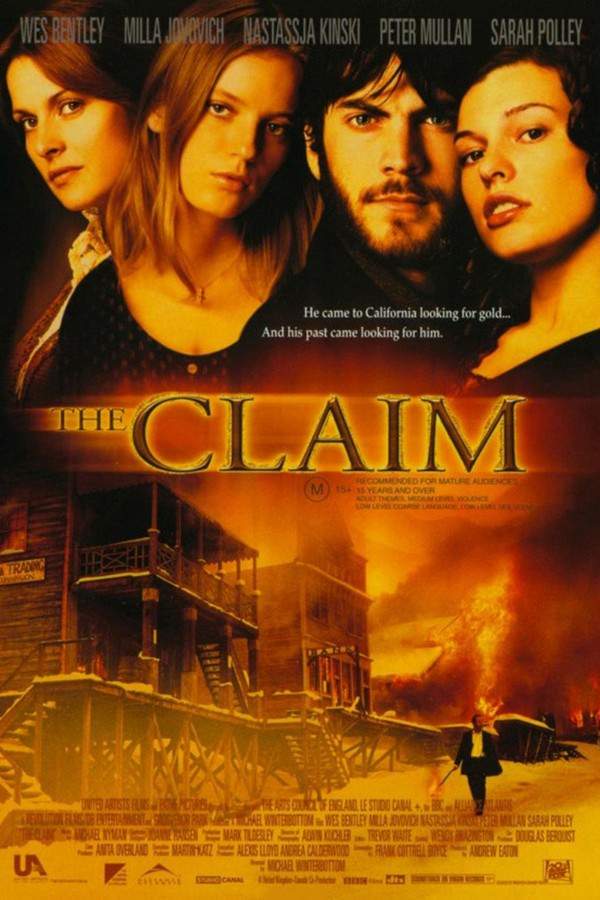
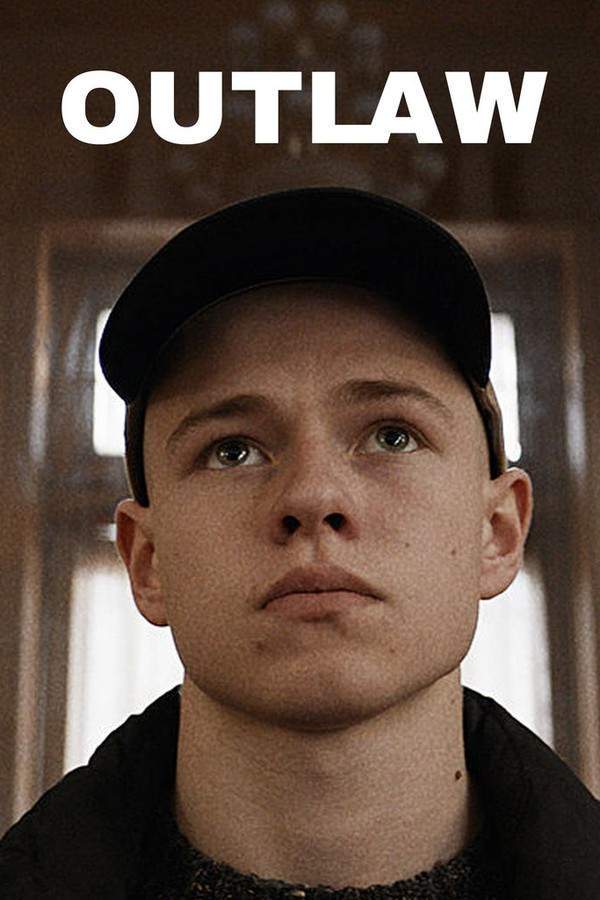
Grim and tragic Western movies like The Jack Bull

Gritty Western tales where lawlessness and corruption lead to tragic ends. Fans of the dark, somber mood of The Jack Bull will find more similar movies here. Discover other Westerns with a bleak tone, heavy emotional weight, and themes of legal injustice and revenge, perfect for viewers seeking serious, morally heavy frontier dramas.

  • grim
  • oppressive
  • tragic
  • somber
  • lawless
  • harsh
  • Tone: dark, somber
  • Pacing: steady, methodical
Why these movies?

The story pattern: These narratives are often set against a backdrop of a nascent or corrupt legal system that fails the protagonist. A personal grievance—be it an insult, a theft, or violence—escalates into a wider conflict, pitting an individual's stubborn code against the oppressive forces of a flawed society. The journey is one of escalating violence and diminishing hope, leading to an conclusion that reinforces the harsh, unforgiving nature of the world.

Why they belong together: Movies in this thread share a specific vibe: the grim mood of the Western frontier combined with a dark tone and tragic storytelling. They are united by themes of corruption, revenge, and the high cost of survival, offering a consistently intense and somber look at the Old West.

If you liked this

Movies Like The Jack Bull

Similar movies to The Jack Bull: the same genre, themes or kind of story. Each one comes with its own plot summary, timeline and ending explained.

Browse all movie summaries

Every angle

The Jack Bull (1999) Explained: Plot, Timeline & Characters

Everything about The Jack Bull in one place: what happens in the plot summary, the timeline in chronological order, the characters and meaning and a spoiler-free summary. What's After the Movie adds the cast, box office and post-credit scenes.

Coming soon on iOS and Android

The Plot Explained Movie Summary App

Plot summaries, endings explained and timelines on your phone. Catch up on any movie in minutes, save your favorites and never miss a twist again.

Be the first to know when we launch. Your email stays private, always.

Learn more about the app