Plot Explained Spoilers guaranteed!
Plot Explained

Browse by genre

Gunman’s Walk (1958) movie poster

Plot Summary

Gunman’s Walk (1958) Plot Summary Explained

Release, runtime and language
1958 · 97 mins · English
Directed by
Phil Karlson
Starring
Bert Convy, Van Heflin, Will Wright, Mickey Shaughnessy, Kathryn Grant, Edward Platt

BLISTERING RAW DRAMA! A powerful rancher always protects his wild adult son by paying for damages and bribing witnesses, until his crimes become too serious to rectify.

On this page (5)
  1. 1 What happens: full plot
  2. 2 Plot questions answered
  3. 3 Movie threads
  4. 4 Movies like Gunman’s Walk
  5. 5 Every angle

Full plot summary · contains spoilers

What Happens in Gunman’s Walk: Full Plot Summary

The whole story of Gunman’s Walk (1958) explained, from the opening scene to the final frame: every key event, every twist and what it all adds up to. Read it as a quick recap before the sequel, to check a scene you missed, or to finally understand what really happened.

Davy Hackett, James Darren, and his hot-tempered, arrogant older brother Ed Tab Hunter are about to assist their rancher father Lee Hackett Van Heflin on a horse roundup. The brothers meet Cecily "Clee" Chouard, Kathryn Grant, a striking woman with a mixed French-Sioux heritage; when Ed makes unwanted advances toward her, Davy, who is genuinely interested in her, apologizes for his brother's behavior.

Clee's brother Paul Bert Convy and two other Indians are invited to join the roundup. Ed resents the hard-working, talented Paul, and Ed is obsessed with capturing an elusive white mare, ostensibly for Davy, while he cannot bear the fact that Paul decides to compete for the animal. During a wild chase after the horse, Ed drives the other man off a cliff to his death. This is witnessed by the two Indians, and Ed is arrested. When the case comes to court, Ed is released when a man named Sieverts Ray Teal lies that he saw what happened: the cliff gave way and the death was an accident. Lee learns that Davy is in love with Clee and disowns him.

Sieverts claims he has lost a group of wild horses he had gathered; Lee allows him ten of his as a gesture of gratitude for saving his son. When Sieverts selects the white mare, Lee realizes that Sieverts is dishonest, but he says nothing. Ed sees Sieverts riding through town with the horses. When the man will not release the mare, Ed shoots him. Jailed once again, he shoots deputy sheriff Will Motely, Mickey Shaughnessy, and escapes. He is tracked down by Lee, and their confrontation escalates to the point where Ed issues a challenge and prepares to draw on his father. Lee shoots and kills his son. Lee returns to town with the body and, having reflected on his own life, asks Davy and Clee to join him in taking Ed's body back to the ranch.

Last updated: October 09, 2025 at 11:17

Was this helpful?

Plot questions answered

Gunman’s Walk Plot Explained: Your Questions Answered

The questions people ask most about Gunman’s Walk (1958): what happens in the confusing scenes, why the characters do what they do, the twists, hidden details and what the ending means. Each answer contains spoilers.

Q1

Why does Lee Hackett disown his son Davy?

Lee disowns Davy after learning he is in love with Clee, a woman of mixed French-Sioux heritage. Lee's decision reflects his racial prejudice and his insistence that Davy abandon his feelings for Clee, treating the relationship as shameful and unacceptable within his worldview.

Foreshadowing: Early scenes show Clee's heritage is a source of tension, with Ed's crude advances and the brothers' differing reactions foreshadowing the family's reaction to the relationship.

  • lee hackett
  • davy
  • clee
  • disowned
  • racism
  • prejudice
Q2

Why does Ed drive Paul off the cliff?

Ed kills Paul out of jealousy and rivalry. Paul is a talented, hard-working man who joins the roundup, and Ed cannot tolerate being overshadowed. During the chase for the white mare, Ed deliberately forces Paul toward the cliff edge, where Paul's horse loses footing and he falls to his death.

Foreshadowing: Ed's resentment of Paul is established early, with Ed growing angry at Paul's skill and determination during the roundup work.

  • ed hackett
  • paul
  • cliff death
  • jealousy
  • white mare
Q3

How does Ed escape conviction for killing Paul?

Ed is released when a man named Sieverts testifies in court that he witnessed the incident and the cliff gave way, making Paul's death an accident. This is a lie, Sieverts has been bribed or manipulated by Lee Hackett, who has a history of protecting his son from serious consequences.

Foreshadowing: The film's opening establishes Lee as a rancher who always protects his wild son by paying damages and bribing witnesses.

  • ed hackett
  • paul
  • court
  • sieverts
  • perjury
  • acquittal
Q4

Why does Lee Hackett reward Sieverts with horses?

Lee offers Sieverts ten of his own horses as gratitude for lying on the witness stand and saving Ed from a murder conviction. The gesture maintains the corrupt arrangement and ensures Sieverts' continued loyalty to the Hackett family.

Foreshadowing: The setup of Lee's pattern of enabling Ed's behavior is established in the movie description and early scenes.

  • lee hackett
  • sieverts
  • horses
  • bribe
  • reward
Q5

Why does Ed shoot and kill Sieverts?

Ed kills Sieverts after seeing him ride through town with the horses Lee gave him, including the white mare Ed had been obsessed with capturing. When Sieverts refuses to release the mare to Ed, Ed shoots him dead, another murder committed impulsively and violently.

Foreshadowing: Ed's fixation on the white mare drives his jealousy toward Paul and now fuels his violent confrontation with Sieverts.

  • ed
  • sieverts
  • white mare
  • murder
  • horses
Q6

Why does Lee kill his own son Ed?

Lee is forced to shoot and kill Ed after tracking him down. The confrontation escalates when Ed issues a challenge to his father and prepares to draw his gun. With no other choice and recognizing that Ed will kill him or be killed, Lee fires first, ending his son's life in self-defense.

Foreshadowing: The entire film builds toward this confrontation, with Ed's violence and Lee's enabling behavior reaching an inevitable breaking point.

  • lee
  • ed
  • confrontation
  • father son
  • shooting
  • death
Q7

What drives Ed's escalating violence throughout the film?

Ed is characterized as hot-tempered, arrogant, and violent from the start. His father's pattern of paying for damages and covering up his crimes emboldens Ed, creating a sense of immunity. Combined with deep jealousy toward anyone who challenges him, particularly Paul, and a possessive obsession with the white mare, Ed's violence escalates from harassment to murder to ultimately challenging his own father.

Foreshadowing: The opening scenes establish Ed's aggressive, arrogant nature and his father's enabling protection.

  • ed
  • violence
  • jealousy
  • arrogance
  • escalation
Q8

Why is the white mare so important to the story?

The white mare becomes a symbol of Ed's obsessive nature and his inability to accept losing. He claims to be chasing it for Davy, but his violent fixation reveals deeper jealousy when Paul competes for it. The mare ultimately triggers Ed's murder of Sieverts, making it a catalyst for multiple deaths throughout the film.

Foreshadowing: Ed's determination to capture the mare is presented as obsessive from the moment he spots it during the roundup.

  • white mare
  • horse
  • obsession
  • competition
Q9

Why does Lee remain silent when he realizes Sieverts is dishonest?

Lee realizes Sieverts is being dishonest when he selects the white mare from the horses given as payment, but Lee stays silent because exposing Sieverts would risk revealing the bribery and perjury that freed Ed from the murder charge. Maintaining the lie protects Ed and preserves Lee's own complicity in the cover-up.

Foreshadowing: Lee's pattern of covering for Ed is established early, showing he prioritizes protecting his son over pursuing justice.

  • lee
  • sieverts
  • white mare
  • corruption
  • silence
Q10

What causes Lee to ask Davy and Clee to join him after Ed's death?

After killing Ed, Lee carries his son's body back to town and reflects on his own life and the destruction his actions have caused. In a moment of reckoning, he asks Davy and Clee to join him in taking Ed's body to the ranch, extending an olive branch and seeking reconciliation with the son he previously disowned.

Foreshadowing: The entire tragic arc, from disowning Davy to killing Ed, builds to this moment of Lee's changed perspective.

  • lee
  • davy
  • clee
  • reconciliation
  • ed body
  • ranch
Q11

Why does Ed shoot Deputy Sheriff Will Motely?

Ed shoots Deputy Will Motely while being held in jail for killing Sieverts. The deputy is simply doing his job guarding the prisoner, but Ed escapes by shooting him, adding another violent crime to his growing list and intensifying the manhunt that leads to his final confrontation with Lee.

Foreshadowing: Ed's pattern of violent escalation shows he will do anything to avoid capture or consequences.

  • ed
  • deputy
  • motely
  • jailbreak
  • shooting
Q12

How does Ed's arrogance lead to the family's destruction?

Ed's unchecked arrogance and violent temper, enabled by his father's lifetime of protecting him from consequences, create a path of escalating crimes, from harassing Clee, to murdering Paul, to killing Sieverts, to threatening his own father. Each act goes unpunished until Lee is finally forced to confront the monster he helped create, leading to the tragic necessity of killing his own son.

Foreshadowing: The film establishes Ed's character from the opening scenes, showing his contempt for others and sense of superiority.

  • ed
  • arrogance
  • destruction
  • family
  • consequences

Movie threads

More Movies Like Gunman’s Walk, by Mood & Story

Curated lists built around what makes Gunman’s Walk tick: the same mood, the same kind of story or the same emotional payoff. Each list explains why these movies belong together.

Movies about toxic father-son dynamics like Gunman’s Walk

Stories where controlling fathers enable their sons' self-destruction. If you liked the grim family conflict in Gunman’s Walk, explore other movies about patriarchal dominance and tragic downfall. These stories feature powerful fathers, destructive sons, and the heavy emotional weight of familial corruption, leading to bittersweet or bleak resolutions.

  • grim
  • tense
  • oppressive
  • tragic
  • confrontational
  • melancholic
  • Tone: dark, tragic, confrontational
  • Pacing: steady, deliberate build
Why these movies?

The story pattern: The narrative pattern centers on a flawed but powerful father figure who shields his son from accountability, fostering toxic behavior. This enabling leads to escalating transgressions, forcing a final, tragic confrontation that reshapes the family forever, often leaving a bittersweet legacy of hard-earned wisdom.

Why they belong together: These movies share a dark, tense tone focused on intense family conflict. They are united by a steady pacing that builds oppressive tension, heavy emotional weight from fractured relationships, and thematic explorations of toxic masculinity, duty, and the high cost of redemption.

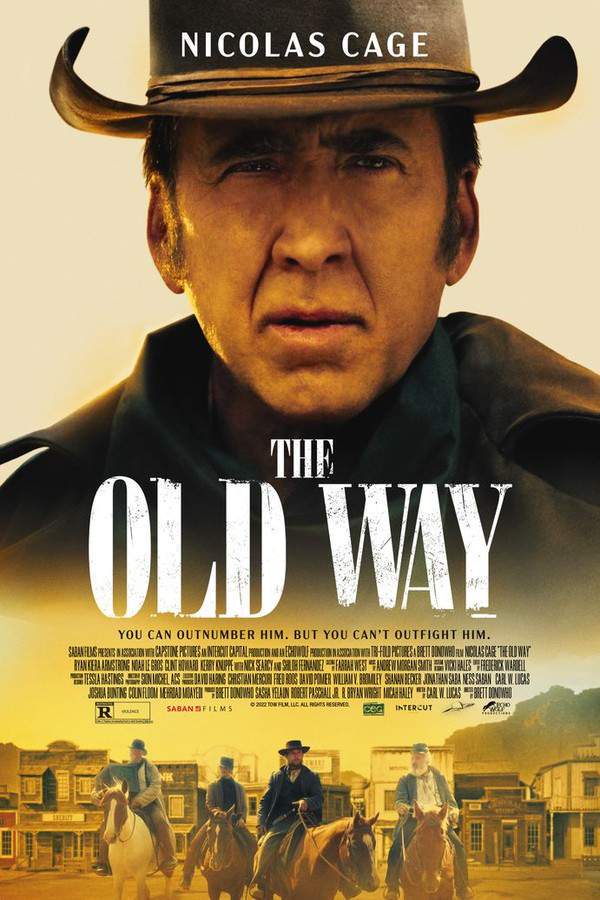
Grim and character-driven Westerns like Gunman’s Walk

Methodical tales where frontier lawlessness corrupts the soul. For viewers who enjoyed the grim tension and moral complexity of Gunman’s Walk, this section collects similar Westerns. These films feature a dark tone, steady pacing, and explore themes of justice, corruption, and redemption on the harsh frontier, often with emotionally heavy conclusions.

  • grim
  • tense
  • tragic
  • melancholic
  • oppressive
  • moral conflict
  • Tone: dark, tense, melancholic
  • Pacing: steady, character-driven
Why these movies?

The story pattern: Stories unfold in a grim Western setting where codes of honor are tested. The plot follows a linear but impactful descent, where a character's arrogance or a corrupt system leads to violence and tragedy. The journey is less about external adventure and more about an internal moral collapse.

Why they belong together: They are connected by a consistently dark and tense tone, a steady pacing that builds dread, and a high level of dramatic intensity. The shared experience is one of witnessing justice strained by corruption and personality, resulting in melancholic and often bittersweet resolutions.

If you liked this

Movies Like Gunman’s Walk

Similar movies to Gunman’s Walk: the same genre, themes or kind of story. Each one comes with its own plot summary, timeline and ending explained.

Browse all movie summaries

Every angle

Gunman’s Walk (1958) Explained: Plot, Timeline & Characters

Everything about Gunman’s Walk in one place: what happens in the plot summary, the timeline in chronological order, the characters and meaning and a spoiler-free summary. What's After the Movie adds the cast, box office and post-credit scenes.

Coming soon on iOS and Android

The Plot Explained Movie Summary App

Plot summaries, endings explained and timelines on your phone. Catch up on any movie in minutes, save your favorites and never miss a twist again.

Be the first to know when we launch. Your email stays private, always.

Learn more about the app