
The Trial of Billy Jack
Year: 1974
Runtime: 170 mins
Language: English
Billy Jack returns after a four‑year prison term for involuntary manslaughter to a thriving Freedom School led by Jean Roberts, featuring a student‑run TV that airs political exposés. Hostile townsfolk and authorities threaten the school and nearby Native Americans. He confronts a plot to shut down community and protects school's liberal ideals.
Where to Watch The Trial of Billy Jack?
Find where to stream, rent, or buy The Trial of Billy Jack (1974) in the US with current JustWatch availability, up-to-date pricing, and platform listings for subscription, rental, and digital purchase options.






Warning: spoilers below!
Haven’t seen The Trial of Billy Jack yet? This summary contains major spoilers. Bookmark the page, watch the movie, and come back for the full breakdown. If you're ready, scroll on and relive the story!
The Trial of Billy Jack (1974) – Full Plot Summary & Ending Explained
Read the complete plot breakdown of The Trial of Billy Jack (1974), including all key story events, major twists, and the ending explained in detail. Discover what really happened, and what it all means.
The story unfolds through flashbacks narrated by teacher Jean Roberts Delores Taylor from her hospital bed after a shooting, weaving memory and present danger into a single, reflective thread. In a courtroom, Billy Jack [Tom Laughlin] faces an involuntary manslaughter charge tied to events from the earlier film, and he speaks of a dark memory—the 1968 My Lai massacre—recounting a battlefield moment from his own Vietnam days. The verdict lands hard: guilty, with a prison term looming for at least five years.
Meanwhile, on the Native American reservation in Arizona, the Freedom School—an experimental haven for runaways and troubled youths—rallies to rebuild itself. The students pool their resources, secure a new building, and take the bold step of launching their own newspaper and a local television station. Inspired by the investigative zeal of Nader’s Raiders, they use these outlets to expose corruption and power dynamics, unsettling several politicians and the town’s residents as their exposés gain traction.
The school’s activities bloom beyond the newsroom: a dedicated search-and-rescue team operates alongside a vibrant arts program that includes a marching band and belly dancing. To fund their mission, the students organize a grand marching-band contest and an arts festival titled “1984 Is Closer Than You Think.” The event serves as a beacon of community involvement and a means to keep the school thriving.
Billy Jack is released from prison and begins a series of long, interior journeys—vision quests that push him to reconnect with his spiritual beliefs. He also encounters Master Han [Bong Soo Han], a skilled hapkido master who broadens his martial path. As his inner work deepens, Billy Jack becomes entangled with a radical faction on the reservation that resists federal efforts to end tribal recognition and to surrender tribal lands to local developers. When a tribal member is arrested for deer poaching on land once held by the tribe, the school steps in to defend him, underscoring their commitment to justice and sovereignty.
The Freedom School moves into the public arena, holding hearings on Native rights and child abuse. They defy a court order to return Danny, a student who has suffered abuse from his father, who even cut off Danny’s hand. The stakes rise as the FBI begins to visit, and phones are tapped, turning the campus into a focal point for national attention and federal scrutiny.
Tensions escalate as the town and the school clash. A mysterious explosion dents the school’s television station, catalyzing a debate about whether to meet brute power with nonviolence or by force. Jean resists giving decisive guidance, allowing the students to decide their own path, while Governor’s decree brings a state of emergency and a National Guard presence to the area, accompanied by a curfew that keeps the town on edge. In defiance, the students stage a large parade in violation of the curfew, and a broken-down bus becomes a flashpoint for confrontation with local townspeople who threaten to torch the vehicle.
Billy Jack appears in the midst of chaos to shield the students and to intervene when a tribal member is harassed at a town dance. He and Master Han confront a violent gang; when Posner—who is a local authority figure—threatens arrest, a gun is drawn, and a brutal confrontation ends with Han being shot in the chest and Posner killed by Billy Jack’s decisive karate kick to the throat. Han is rushed to the hospital, and the sheriff’s attempt to seize Billy Jack is thwarted by a riot that allows him to slip away.
With the National Guard stationed around the school, Billy Jack agrees to surrender only if the soldiers retreat from the campus. Later, state troopers escort him outside, giving him a gun despite his handcuffs as a grim test of power—and he is shot in the back, slipping into darkness only to awaken and seek a path to escape with the help of his native allies.
Back at the core of the school, Jean contemplates a path of compassion and restraint, encouraging a message that love should not be extinguished by retaliatory violence. Danny, now bearing a hook on his missing hand, is supported by Carol in delivering a brief, heartfelt song. The students light a bonfire, burning a supply shack as a symbolic act of renewal. Jean then attempts to reach the Governor to withdraw the militia, aware that the governor’s orders would allow only one warning shot before a lethal response.
A new, horrifying memory emerges when the Guard misreads a threat and opens fire on the students while fearing a sniper. The taunting chants of “Sieg Heil” become a trigger, and four people are killed with hundreds wounded, including Jean, Danny, and Carol. In the moments that follow, a host of Native people—led by their tribal chief—arrives with torches and solidarity. Some troops drop their weapons; the militia reports to the Governor, and a fragile sense of order begins to return.
As Jean lies recuperating, she muses on the freedoms and peace once embedded in the school’s culture, noting that the townspeople may have found perverse pleasure in tragedy. Billy Jack’s spirit lingers, and the vision of crossing over remains elusive until the spirits reveal a path: he must cultivate inner peace and honor his visions, practicing a disciplined, fourth way that moves beyond violent impulse.
When Billy Jack finally wakes, he finds Jean—now in a wheelchair—motivated to return to the school. A chorus of resilient students, all bearing casts and scars from the turmoil, pledge to march back toward rebuilding and to press forward with their investigative work. Jean is wheeled in, and tears of relief and pride stream down the faces of those who have endured so much. What began as a confrontation over land, power, and cultural survival closes on a note of renewed purpose, resilience, and the enduring belief that truth, courage, and compassion can guide a shattered community toward healing.
Last updated: October 07, 2025 at 08:28
The Trial of Billy Jack (1974) Plot Questions Answered – Summary FAQ
Explore frequently asked questions about The Trial of Billy Jack (1974) with spoiler-rich answers covering the full plot summary, major story beats, character motivations, hidden details, and ending meaning. This movie summary FAQ helps explain confusing scenes, plot twists, and narrative decisions in clear, searchable detail.
Why was Billy Jack sentenced to prison in The Trial of Billy Jack
Billy Jack was sentenced to at least five years in prison for involuntary manslaughter. The charge stemmed from events in the earlier film where he killed someone, though the specific incident is referenced rather than shown. During his trial, Billy Jack recounts witnessing the 1968 My Lai massacre while serving in Vietnam, which haunts him and connects to his struggle with violence and conscience.
What caused the National Guard to open fire on the students
The National Guard opened fire after a warning shot was misunderstood. The Guard was ordered to crackdown on students who defied the curfew and staged a large parade. When a warning shot was fired, the Guard mistook the situation for a sniper threat. The taunting chants of "Sieg Heil" from some in the crowd triggered the soldiers, resulting in four killed and hundreds wounded, including Jean, Danny, and Carol.
The governor declared a state of emergency and the National Guard arrived with orders that would allow only one warning shot before lethal force.
Why did Billy Jack kill Posner at the town dance
Billy Jack killed Posner during a confrontation at a local dance where he was protecting students and a tribal member being harassed. When Posner, a local authority figure, attempted to arrest Billy Jack and his teacher Master Han, he drew his gun and shot Han in the chest. Billy Jack responded with a karate kick to Posner's throat, killing him in defense of himself and his mentor.
Billy Jack had arrived at the dance specifically to protect the students and intervene when a tribal member was being harassed.
Why was Danny's case important to the Freedom School
Danny was a student who suffered severe abuse from his father, who even cut off Danny's hand. When a court ordered Danny to be returned to his abusive father, the Freedom School defied the order, refusing to send him back. This act of defiance escalated tensions with authorities and highlighted the school's commitment to protecting vulnerable youth, becoming a key point of conflict in the film.
The school had been holding hearings on child abuse, making Danny's case a direct extension of their advocacy work.
What is the fourth way Billy Jack learns about
The fourth way refers to a spiritual path Billy Jack must follow after being shown visions. In the film's ending, Billy Jack's spirit receives guidance that he must cultivate inner peace and honor his visions, practicing a disciplined path that moves beyond violent impulse. This represents his transformation from a violent protector to someone seeking peace and spiritual balance.
Billy Jack undergoes vision quests and trains with Master Han to deepen his spiritual understanding before this revelation.
What was the 1984 Is Closer Than You Think festival
The festival was a major fundraising event organized by the Freedom School to support their mission. It featured a marching-band contest and an arts program including belly dancing. The event was titled "1984 Is Closer Than You Think" as a political statement about surveillance and government control, serving as both a community gathering and a means to keep the school financially thriving.
The school had been expanding its arts program and search-and-rescue team leading up to this event.
How did the Native American community help Billy Jack escape
After Billy Jack was shot in the back while handcuffed and given a gun by state troopers as a test, he was helped to escape by his native allies. While the exact details of the escape are not fully detailed in the summary, the Native American community that had been allied with the school assisted him in slipping away, using their knowledge of the terrain and solidarity with his cause.
Billy Jack had been involved with a radical faction on the reservation resisting federal efforts to surrender tribal lands.
Why did the students defy the curfew and stage a parade
The students staged a large parade in defiance of the curfew as a direct act of resistance against the governor's state of emergency. Despite Jean's attempts to guide them toward nonviolence, the students chose to assert their rights and challenge the authorities' presence. This act escalated tensions and contributed to the violent confrontation that followed.
The governor had declared a state of emergency with a National Guard presence and curfew, which the students viewed as an attack on their freedoms.
What was the explosion at the Freedom School television station
A mysterious explosion damaged the Freedom School's television station, knocking it off the air. This incident heightened tensions between the school and the town, with debate erupting over whether to respond to such violence with nonviolence or force. The explosion represented an escalation in the conflict and a threat to the school's ability to broadcast their investigative reporting.
The school's exposés had been gaining traction and unsettling politicians and townspeople.
What was Jean's message to the students about violence
Jean encouraged the students to choose love and compassion over retaliatory violence. During a school meeting, she intervened to urge the group not to let their spirit be extinguished by hatred. This message contrasted with the escalating tensions and represented the school's underlying philosophy of peaceful resistance, though the students ultimately faced violent consequences.
Jean had been contemplating a path of restraint throughout the escalating conflict.
What happens to Billy Jack and Jean at the end of the film
At the end, Billy Jack awakens from his spiritual journey and finds Jean, who is now in a wheelchair, brought back to the school. The students, bearing casts and scars from the massacre, pledge to march back and rebuild, continuing their investigative work. The film ends on a hopeful note of renewal and resilience despite the tragedy they endured.
The Native people arrived with torches in solidarity after the massacre, and the community began to regroup.

Explore Movie Threads
Discover curated groups of movies connected by mood, themes, and story style. Browse collections built around emotion, atmosphere, and narrative focus to easily find films that match what you feel like watching right now.
Movies about community resistance like The Trial of Billy Jack
Stories of a peaceful community fighting back against oppressive authority.If you liked The Trial of Billy Jack's story of a school defending its ideals, you'll find similar movies here. These dramas and thrillers feature communities standing up to corruption, often with a heavy emotional weight and a focus on political activism.
Resolved
2007
Rebel Ridge
2024
American Insurrection
2021
Leader
2010

By The People
2005

1987: When the Day Comes
2017

A Dangerous Life
1000
Varthamanam
2021

The Revolution Has Begun
2013
This Revolution
2005

Defence of the Realm
1985

Even the Rain
2010
R.P.M.
1970

Stand Against Fear
1996

The Teachers' Lounge
2023
Narrative Summary
The narrative typically begins with the establishment of a utopian or idealistic community that is threatened by an entrenched, oppressive system. The conflict escalates through a series of political and physical confrontations, testing the community's resolve and often leading to tragic losses, but ultimately affirming their solidarity and resilience.
Why These Movies?
They are grouped by their shared focus on the 'community as protagonist' archetype, the central conflict between idealism and systemic oppression, and the bittersweet emotional arc of suffering loss while finding strength in unity.
Martial arts action dramas with a message like The Trial of Billy Jack
Where skilled combat is a tool for justice and protecting the vulnerable.Find movies similar to The Trial of Billy Jack that blend intense action with serious social themes. These films feature a hero who uses their fighting skills to defend a cause, offering a mix of thrilling confrontations and heavy dramatic weight.
Man of Tai Chi
2013

Black Belt
2007

Fighter in the Wind
2004

The One-Armed Swordsman
1967

Born to Defence
1988

Tapped Out
2014

Hitman in the Hand of Buddha
1981
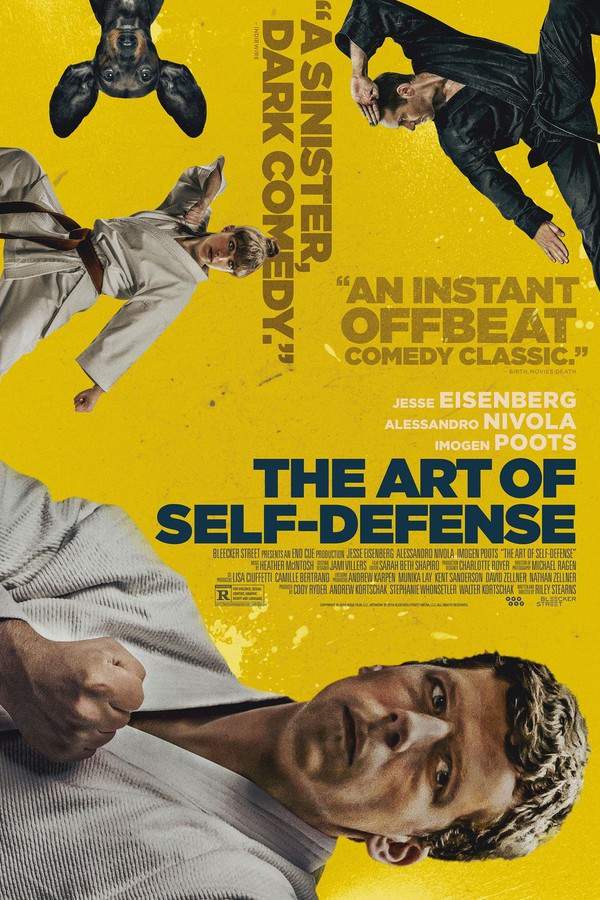
The Art of Self-Defense
2019
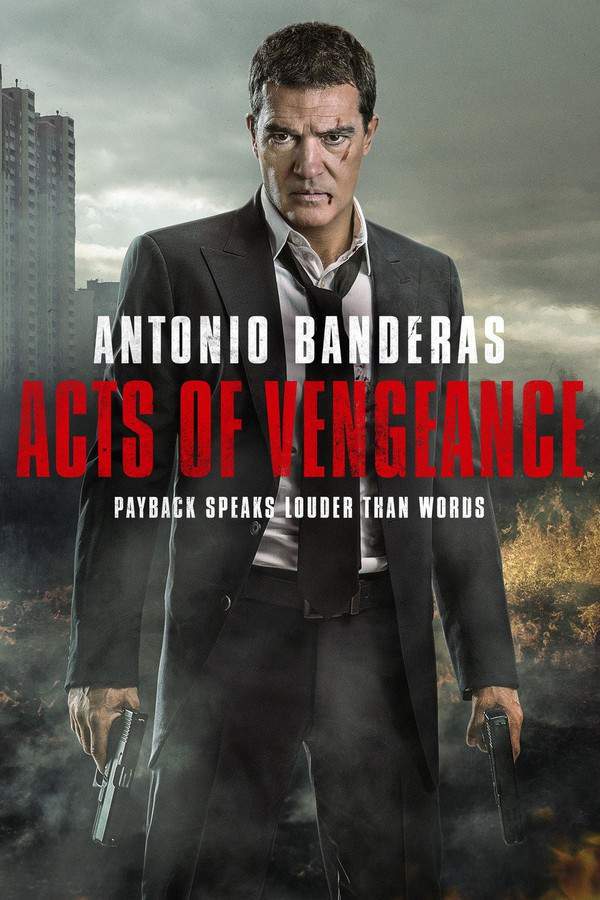
Acts Of Vengeance
2017

The Street Fighter
1974

The Warriorr
2022
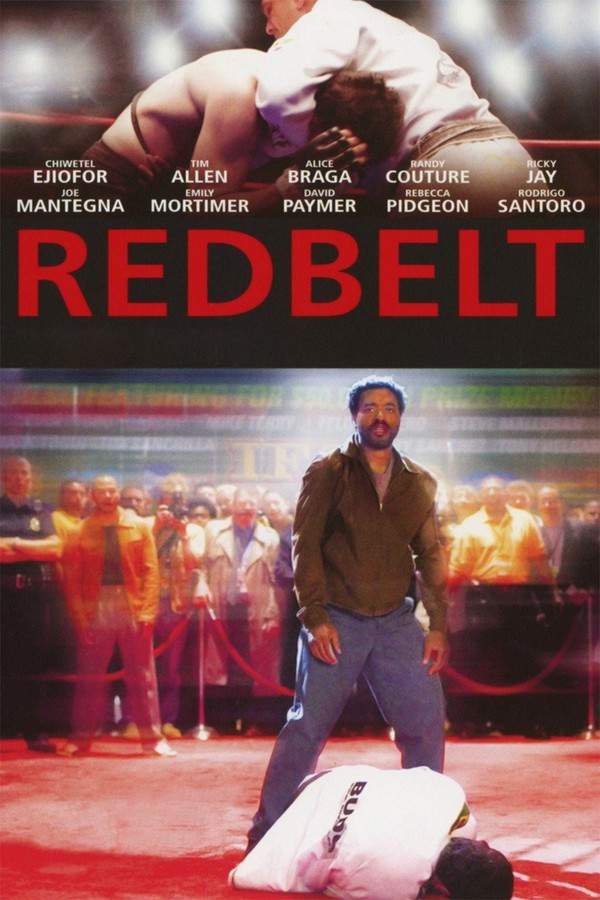
Redbelt
2008

A Man Called Hero
1999
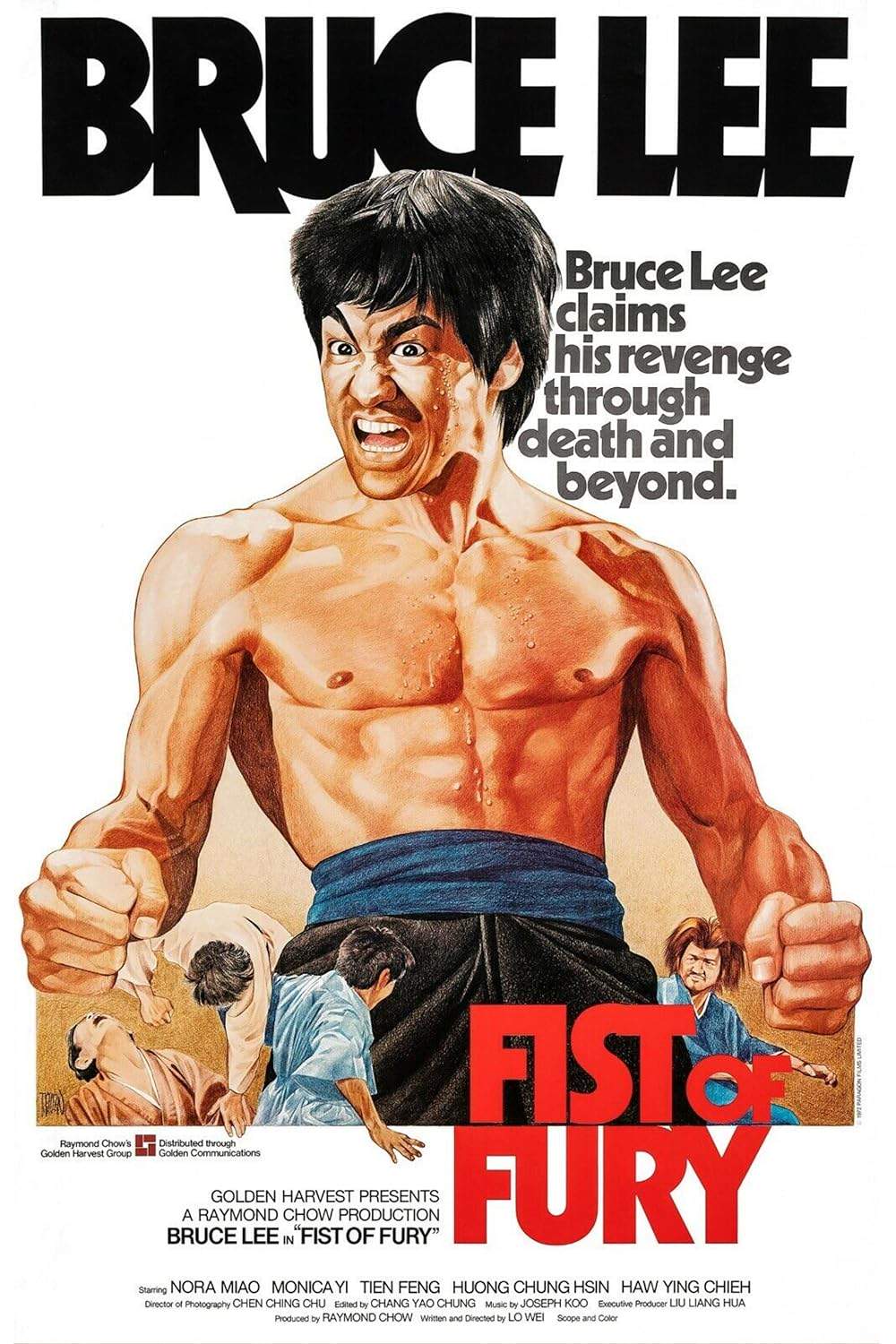
Fist of Fury
1972

Best of the Best
1992
Narrative Summary
The story follows a highly skilled but principled fighter who is drawn into a conflict to protect a marginalized group or uphold a moral ideal. The violence is portrayed with consequences, serving the narrative's exploration of themes like corruption, racism, or abuse, rather than existing purely for entertainment.
Why These Movies?
They share a unique blend of high-intensity action sequences with a serious, dramatically heavy plot focused on social issues. The central character archetype is the fighter-activist, making the physical conflict meaningful and morally charged.
Unlock the Full Story of The Trial of Billy Jack
Don't stop at just watching - explore The Trial of Billy Jack in full detail. From the complete plot summary and scene-by-scene timeline to character breakdowns, thematic analysis, and a deep dive into the ending - every page helps you truly understand what The Trial of Billy Jack is all about. Plus, discover what's next after the movie.
The Trial of Billy Jack Timeline
Track the full timeline of The Trial of Billy Jack with every major event arranged chronologically. Perfect for decoding non-linear storytelling, flashbacks, or parallel narratives with a clear scene-by-scene breakdown.

Characters, Settings & Themes in The Trial of Billy Jack
Discover the characters, locations, and core themes that shape The Trial of Billy Jack. Get insights into symbolic elements, setting significance, and deeper narrative meaning - ideal for thematic analysis and movie breakdowns.


Similar Movies to The Trial of Billy Jack
Discover movies like The Trial of Billy Jack that share similar genres, themes, and storytelling elements. Whether you’re drawn to the atmosphere, character arcs, or plot structure, these curated recommendations will help you explore more films you’ll love.




Explore More About Movie The Trial of Billy Jack
The Trial of Billy Jack (1974) Scene-by-Scene Movie Timeline
The Trial of Billy Jack (1974) Movie Characters, Themes & Settings
The Trial of Billy Jack (1974) Spoiler-Free Summary & Key Flow
Movies Like The Trial of Billy Jack – Similar Titles You’ll Enjoy
King Jack (2016) Ending Explained & Film Insights
Casino Jack (2010) Detailed Story Recap
Billy Jack (1971) Plot Summary & Ending Explained
Billy Boy (2018) Plot Summary & Ending Explained
An Innocent Man (1989) Detailed Story Recap
Jacked Up (2001) Spoiler-Packed Plot Recap
Trial 4 (1000) Ending Explained & Film Insights
Billy Jack Goes to Washington (1977) Movie Recap & Themes
The Trial of Lee Harvey Oswald (1964) Story Summary & Characters
The Jack Bull (1999) Complete Plot Breakdown
Black Jack (1968) Complete Plot Breakdown
Billy the Kid (1941) Full Movie Breakdown
Jacktown (1962) Full Movie Breakdown
Trial by Fire (1995) Spoiler-Packed Plot Recap
The Trial of the Moke (1978) Full Summary & Key Details