
The Invisible Swordsman
Year: 1970
Runtime: 79 mins
Language: Japanese
Director: Yoshiyuki Kuroda
A cowardly boy fencer becomes invisible and matchless through a magic potion.
Warning: spoilers below!
Haven’t seen The Invisible Swordsman yet? This summary contains major spoilers. Bookmark the page, watch the movie, and come back for the full breakdown. If you're ready, scroll on and relive the story!
The Invisible Swordsman (1970) – Full Plot Summary & Ending Explained
Read the complete plot breakdown of The Invisible Swordsman (1970), including all key story events, major twists, and the ending explained in detail. Discover what really happened, and what it all means.
Osamu Sakai stars as Sanshiro Yuzuki, the swordfighter's father, who is struck down by a phantom thief in the dead of night. The shock ripples through the story as Sanshiro’s tragedy pulls the living into a shadowed,動的 world where mysteries encircle honor, vengeance, and fate. Into this fragile balance steps a unexpected ally: a kindly yokai named Shokera, portrayed by Tokio Oki as Shōkera. Despite his unassuming appearance, Shokera speaks with quiet wisdom and offers to guide Sanshiro on a path to justice, insisting that revenge must be tempered by a deeper purpose.
To seal the pact, Shokera introduces a strange elixir, a potent brew whose effects are both potent and fleeting. The potion, he explains, lasts thirty minutes and can be used up to three times before it wears off. With this mysterious aid, Sanshiro gains not just physical clarity but a renewed inner courage, a spark that helps him confront the weight of his loss. The idea of bravery anchored in a supernatural aid adds a measured, almost mythic tone to the pursuit, turning every decision into a calculated risk when the clock is ticking down.
As the story unfolds, the world of the dojo and its surrounding streets becomes a chessboard of shifting loyalties and whispered threats. The rogue faction, armed with medicine-induced bravado, re-emerge as a perilous force. Sanshiro pushes forward, guided by the elixir’s brief windows of clarity, and moves toward the Gennoshin Dojo, where the phantom thieves have fled their last heist. The head of this shadowy band, a figure named Gennoshin, is brought to the center of the conflict, with his machinations tying together the film’s threads of vengeance, power, and discipline. Gennoshin is portrayed by Gen Kuroki, whose presence heightens the sense of an organized, almost ritualistic crime beneath the surface of the swordsman’s world. The dojo itself becomes a crossroads where past debt and present duty collide, and Sanshiro’s resolve is put to the test in ways that feel both intimate and epic.
Meanwhile, Orin, played by Yōko Atsuta, enters the plot as part of the evolving web of relationships that surround Sanshiro and Sosuke. Sosuke, the battered father of Suzu, is introduced early in the narrative and becomes a focal point for Sanshiro’s pursuit of justice. Asao Uchida brings Sosuke to the foreground as a catalyst for action, his assault by a phantom thief driving Sanshiro deeper into the mystery and into the ethic of guardianship that the elixir helps illuminate. The intertwining fates of these characters create a rhythm of pursuit, peril, and perseverance that threads through the film’s most tense moments.
As the chase intensifies, Sanshiro’s movement between danger and sanctuary grows more intricate. He pursues Gennoshin through corridors of the dojo and across the night-lit streets, the elixir’s countdown ticking away with every swing of his blade and every breath drawn in the frantic pursuit. When Sanshiro finally closes in on his quarry, his sword meets Gennoshin’s blade in a decisive clash. The fateful strike—delivered at the moment of maximum peril—pierces the foe’s chest and marks a turning point in Sanshiro’s journey. In that moment, the courage cultivated by constant trials and the elixir’s fleeting energy converge, granting Sanshiro a newfound confidence that promises both closure and a future forged in the crucible of hard-won victory.
Ultimately, the film surveys the price of vengeance and the weight of duty, painting a portrait of a man who dares to confront darkness with not only skill but also a disciplined, tempered heart. The tale lingers on the edge of consequence, reminding viewers that courage can be born from hardship, even when aided by a mysterious elixir and guided by unlikely friends. The final arc leaves Sanshiro not just as a survivor of a brutal night but as a more resolute guardian of those who cannot defend themselves, with the memory of Sosuke and the quiet strength of Orin echoing in his every step.
Last updated: February 24, 2026 at 13:50
The Invisible Swordsman (1970) Plot Questions Answered – Summary FAQ
Explore frequently asked questions about The Invisible Swordsman (1970) with spoiler-rich answers covering the full plot summary, major story beats, character motivations, hidden details, and ending meaning. This movie summary FAQ helps explain confusing scenes, plot twists, and narrative decisions in clear, searchable detail.
How does the elixir work in The Invisible Swordsman
The elixir is a magical potion offered by the yokai Shokera. It grants Sanshiro invisibility and heightened courage for thirty minutes at a time, and can be used up to three times total. Each use provides a finite window of supernatural ability, requiring Sanshiro to carefully time his actions as the potion's effects wear off.
Shokera explains the elixir's limits when he first offers it to Sanshiro, establishing the ticking clock that governs Sanshiro's subsequent actions.
Why is Sanshiro considered a coward at the start of the film
Sanshiro is portrayed as a cowardly fencer who lacks the confidence to face danger directly. The death of his father at the hands of a phantom thief serves as the catalyst that forces him to confront his fears. The elixir provides him with temporary courage, but his ultimate growth comes from facing his cowardice and learning to harness inner strength.
The film establishes Sanshiro's fear early through his reactions to the phantom thief attack and his initial hesitation to pursue vengeance.
Who is Shokera in The Invisible Swordsman
Shokera is a kindly yokai (supernatural spirit) who becomes Sanshiro's unlikely ally. Despite his unassuming appearance, he possesses quiet wisdom and guides Sanshiro on his path to justice. He teaches Sanshiro how to harness the elixir's power and insists that revenge must be tempered by a deeper purpose rather than mere bloodshed.
Shokera appears at a crucial moment to stop Sanshiro from pursuing reckless vengeance, establishing his role as a mentor figure.
Who is Gennosshin and what is his role in the film
Gennoshin is the head of the phantom thieves and the mastermind behind the attacks. He operates from the Gennoshin Dojo, which serves as a front for his criminal organization. Gennoshin is portrayed as the primary antagonist whose machinations tie together the film's themes of vengeance, power, and discipline. Sanshiro ultimately confronts and defeats him in a decisive duel.
The rogues Sanshiro pursues are revealed to have fled to the Gennoshin Dojo, gradually pointing to Gennoshin as the puppet master behind the phantom thieves.
What happens when Sanshiro encounters the god of death
In a surreal sequence, Sanshiro encounters a god of death standing beside the injured Sosuke in a mysterious otherworldly realm. The chilling vision represents Sosuke's near-death state. Sanshiro manages to sneeze away from the god of death, which somehow preserves Sosuke's life and allows him to recover.
This supernatural encounter occurs specifically after Sosuke is attacked by a phantom thief, directly linking the god of death to Sosuke's fate.
Why can the elixir only be used three times
The elixir's limitation of three uses is built into its magic. Shokera explains this rule when he first presents the potion to Sanshiro. The finite nature of the elixir creates tension throughout the film, as Sanshiro must strategically time each dose to maximize its benefit during critical moments of his quest.
Shokera explicitly states the three-use limit when explaining the elixir's powers, establishing this constraint as a narrative device.
What happens to Sosuke after he is attacked
Sosuke, the father of Suzu, is attacked by a phantom thief and collapses from his injuries. His assault raises the stakes for Sanshiro and deepens his resolve to defeat the phantom thieves. After the dangerous encounter with the god of death, Sosuke eventually recovers and provides crucial information that reveals Gennoshin's identity as the leader of the phantom thieves.
Sosuke's attack occurs as Sanshiro pursues the phantom thieves, directly connecting the rogue faction's actions to Sanshiro's mission.
How does Sanshiro defeat Gennoshin
Sanshiro infiltrates the Gennoshin Dojo and engages Gennoshin in a decisive duel. After a intense chase through the dojo's corridors and night-lit streets, Sanshiro's sword meets Gennoshin's blade in a final clash. At the moment of maximum peril, Sanshiro delivers a fateful strike that pierces Gennoshin's chest, ending the threat and marking a turning point in his journey.
The chase intensifies as Sanshiro pursues Gennoshin across multiple locations, building toward the inevitable confrontation at the dojo.
Who kills Sanshiro's father and why
Sanshiro's father, a renowned swordfighter, is murdered by a phantom thief during his night watch duties. The killer disappears into the shadows before Sanshiro can intervene. This act of patricide sets Sanshiro's quest in motion, driving him to pursue vengeance against the phantom thieves.
The film opens with this tragic event, establishing the loss that propels the entire narrative forward.
What is the film saying about courage and the potion
The film explores whether courage can be manufactured through supernatural means or must come from within. While the elixir provides temporary bravery, Sanshiro's true growth comes from repeatedly facing danger and learning to fight despite his fears. By the end, he emerges with genuine courage that no longer depends on the potion, symbolizing his transformation from coward to resolute guardian.
The potion's effects are described as fleeting, while Sanshiro's character arc shows progressive confidence even without the elixir's aid.

Explore Movie Threads
Discover curated groups of movies connected by mood, themes, and story style. Browse collections built around emotion, atmosphere, and narrative focus to easily find films that match what you feel like watching right now.
Magical Underdog Movies like The Invisible Swordsman
Cowardly heroes gain supernatural aid to conquer their fears and enemies.Discover movies like The Invisible Swordsman where a cowardly protagonist uses magical aid to achieve victory. These fantasy adventures share a hopeful tone, fast pacing, and a focus on personal transformation and triumphant outcomes.

Wizards of the Lost Kingdom II
1989

Wizards of the Lost Kingdom
1985
The Invisible Swordsman
1970

The Adventures of Panda Warrior
2012

Guardians of the Lost Code
2010
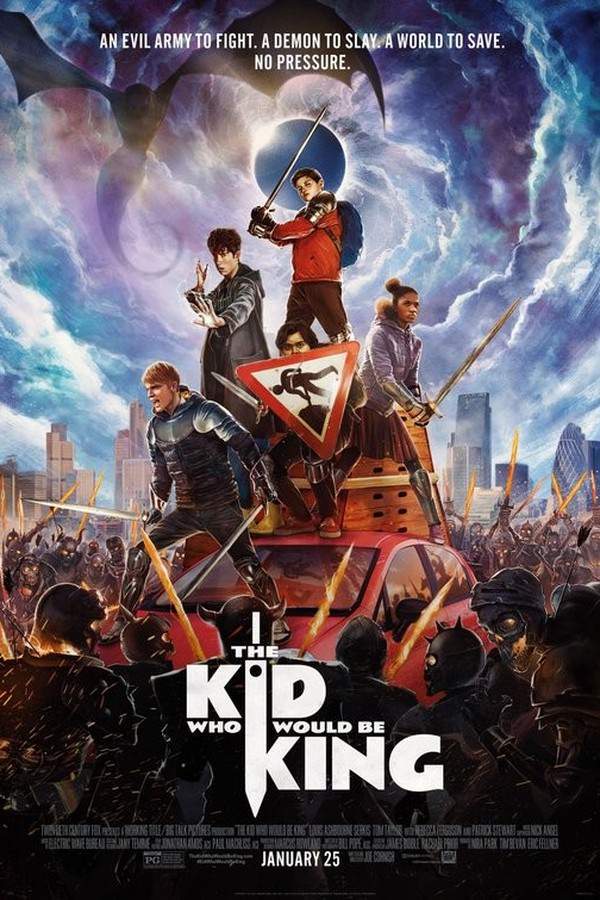
The Kid Who Would Be King
2019
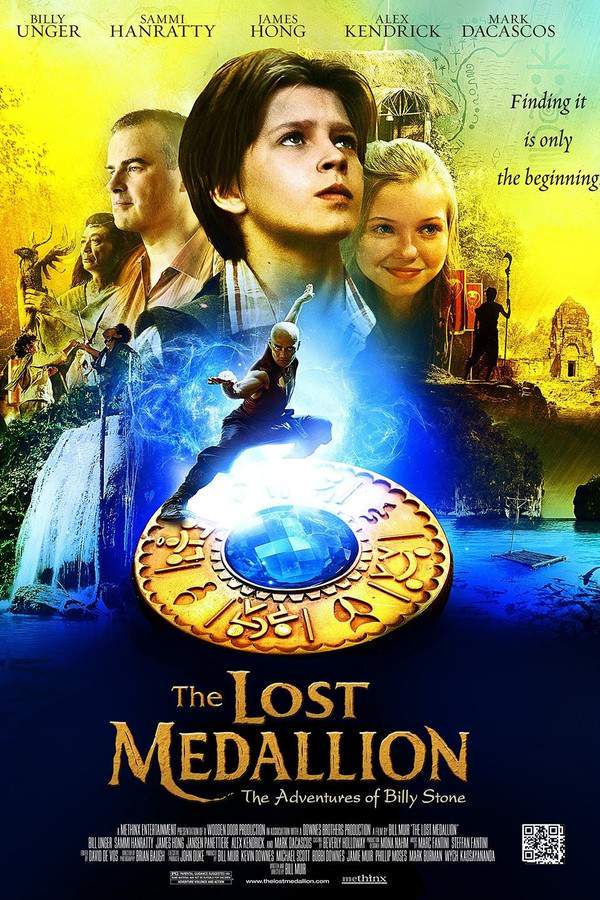
The Lost Medallion
2013
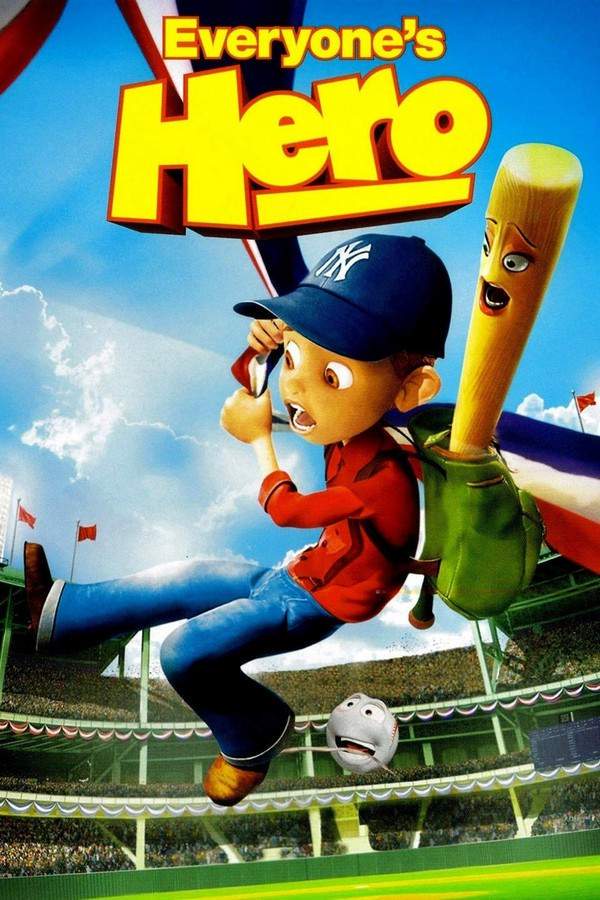
Everyone's Hero
2006

Wendy Wu: Homecoming Warrior
2006

StarDog and TurboCat
2019

Valiant
2005
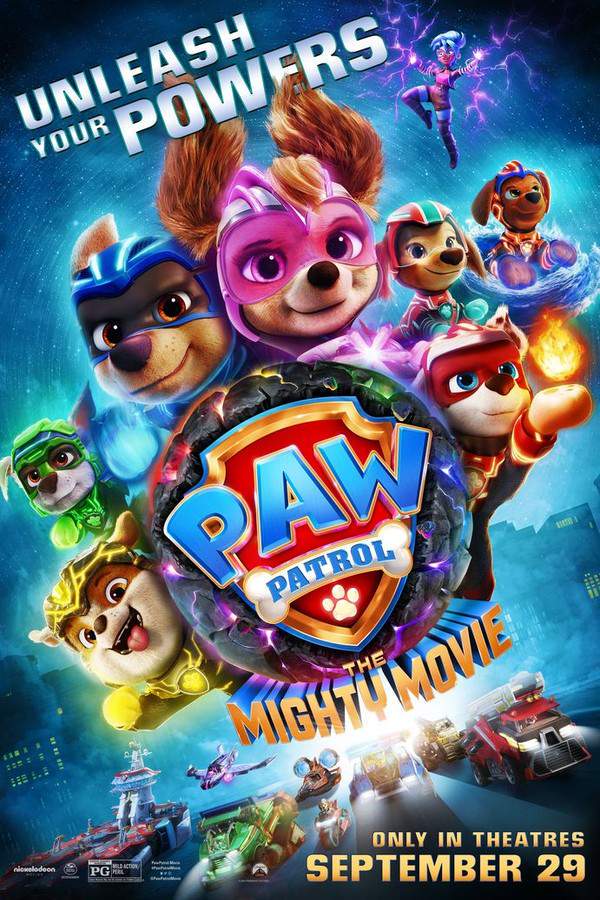
PAW Patrol: The Mighty Movie
2023
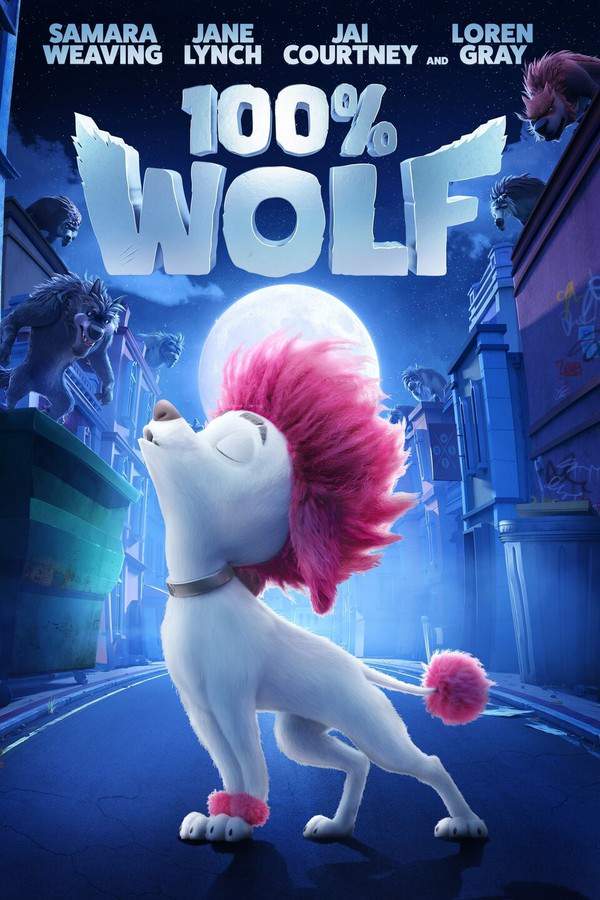
100% Wolf
2020
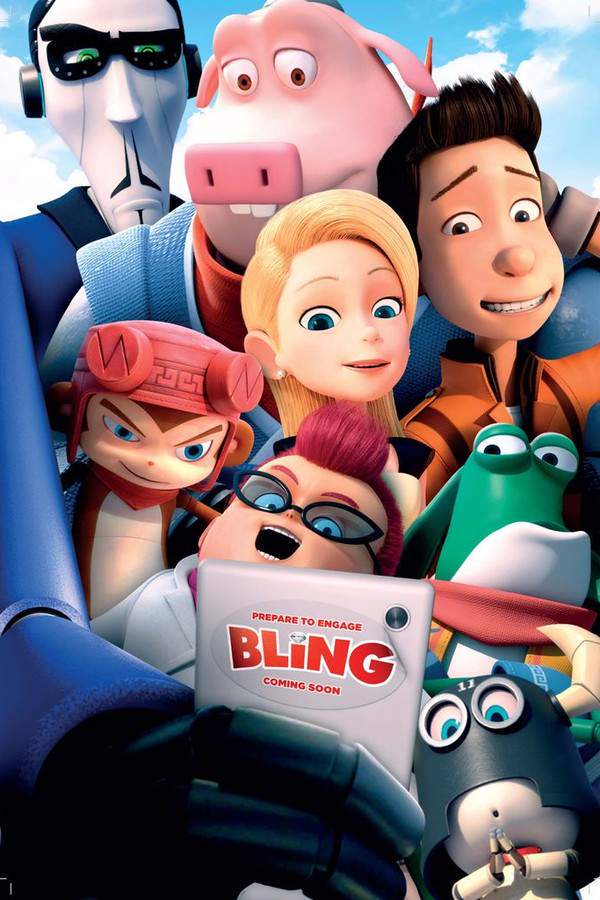
Bling
2016

The Lost Medallion: The Adventures of Billy Stone
2013
Narrative Summary
The narrative centers on a clear arc of personal growth, where a protagonist's inherent cowardice or weakness is overcome through external, often whimsical, supernatural means. The plot typically involves a quest for justice or revenge, culminating in a decisive and victorious confrontation.
Why These Movies?
Movies in this thread share a core fantasy of empowerment, blending light emotional weight with energetic action. They are grouped by their optimistic 'zero to hero' journey, straightforward good-versus-evil conflict, and the use of magic as a catalyst for confidence.
Righteous Revenge Adventures like The Invisible Swordsman
A clear-cut hero embarks on a fast-paced mission to avenge a great wrong.If you liked the clear-cut revenge quest in The Invisible Swordsman, explore these action-packed stories. They feature heroes on a straightforward mission for justice, with fast pacing, medium intensity, and a satisfying, triumphant conclusion.

The Scorpion King 4: Quest for Power
2015

Allan Quatermain and the Lost City of Gold
1986

Mr. Right
2016
Everyone's Hero
2006

The Lawless Frontier
1934
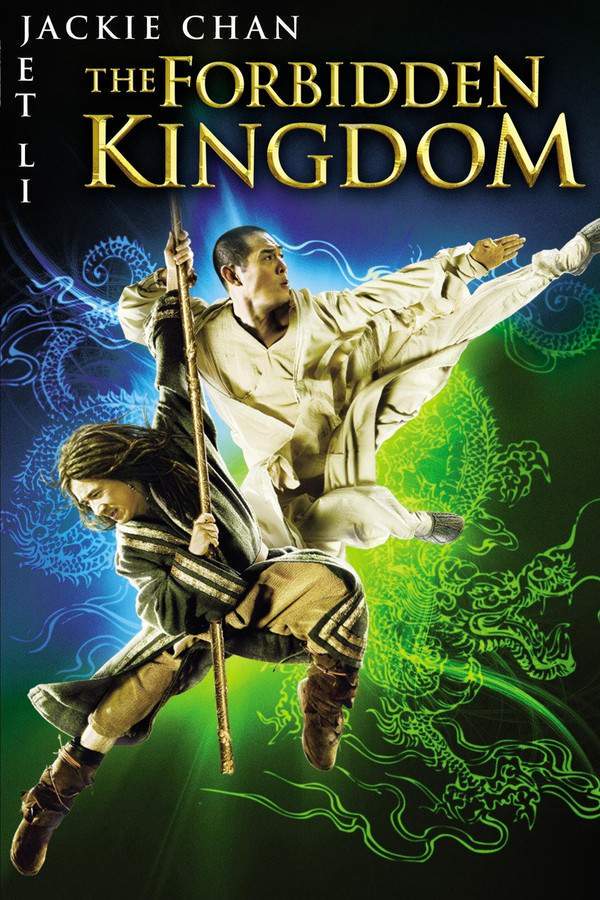
The Forbidden Kingdom
2008
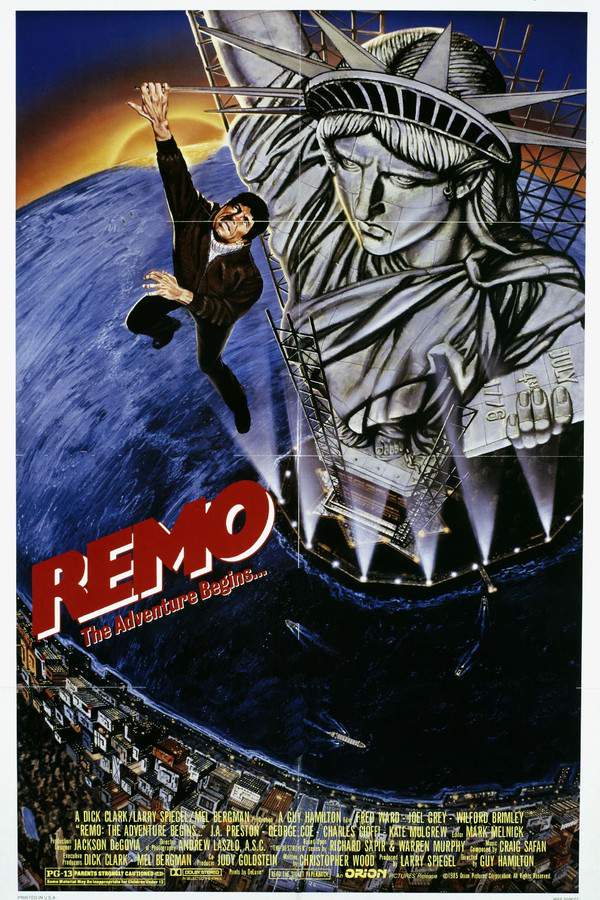
Remo Williams: The Adventure Begins
1985
Wizards of the Lost Kingdom II
1989
Wizards of the Lost Kingdom
1985

If Looks Could Kill
1991

Sinbad of the Seven Seas
1989
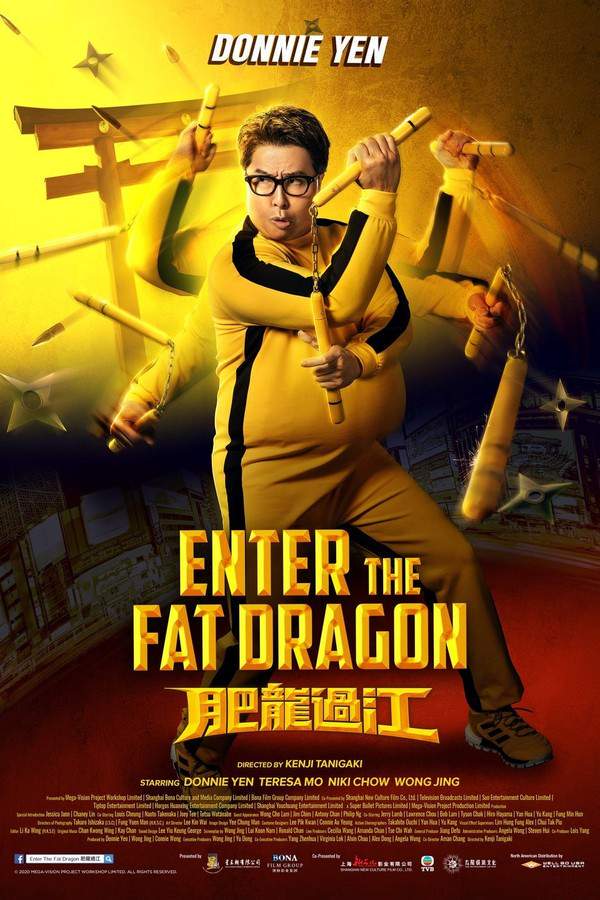
Enter the Fat Dragon
2020
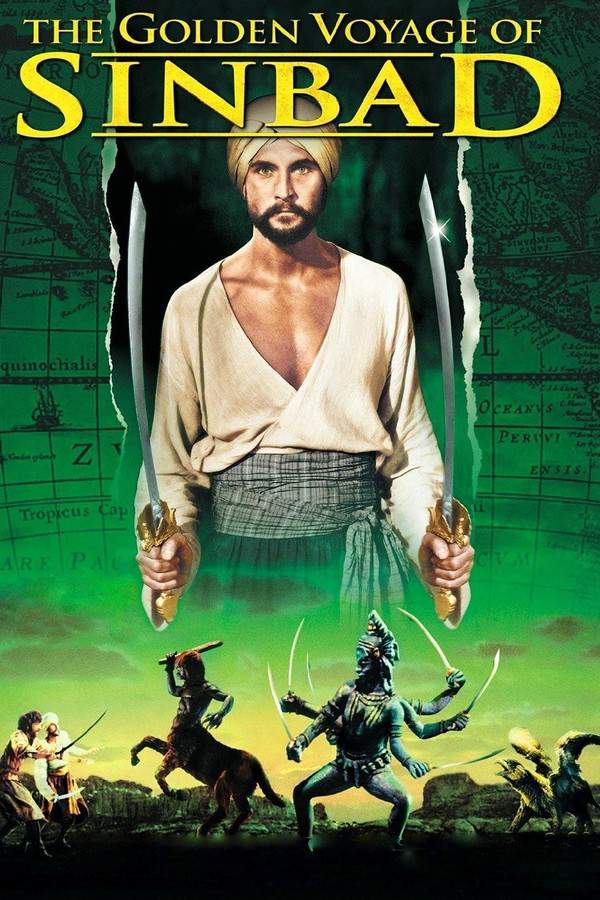
The Golden Voyage of Sinbad
1974
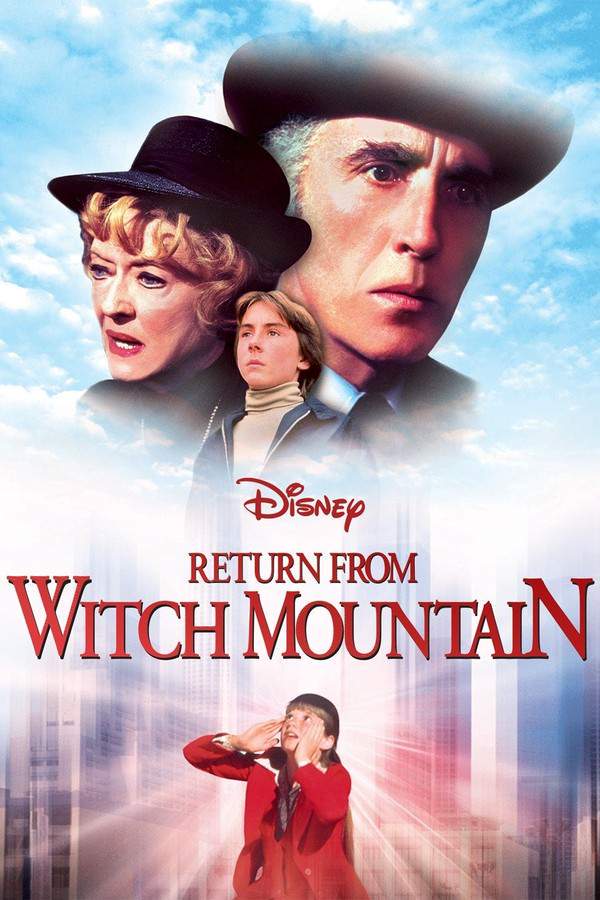
Return from Witch Mountain
1978

The Golden Blade
1953
Narrative Summary
The narrative is propelled by a central act of injustice, typically the murder of a loved one, which sets the hero on a direct path. The story avoids moral ambiguity, focusing instead on the hero's gathering of strength and the final, victorious reckoning.
Why These Movies?
These films are united by their straightforward 'good versus evil' structure and the emotional satisfaction of a quest completed. The pacing is brisk, the emotional weight is kept light by the fantastical or heroic context, and the ending provides unambiguous catharsis.
Unlock the Full Story of The Invisible Swordsman
Don't stop at just watching - explore The Invisible Swordsman in full detail. From the complete plot summary and scene-by-scene timeline to character breakdowns, thematic analysis, and a deep dive into the ending - every page helps you truly understand what The Invisible Swordsman is all about. Plus, discover what's next after the movie.
The Invisible Swordsman Timeline
Track the full timeline of The Invisible Swordsman with every major event arranged chronologically. Perfect for decoding non-linear storytelling, flashbacks, or parallel narratives with a clear scene-by-scene breakdown.

Characters, Settings & Themes in The Invisible Swordsman
Discover the characters, locations, and core themes that shape The Invisible Swordsman. Get insights into symbolic elements, setting significance, and deeper narrative meaning - ideal for thematic analysis and movie breakdowns.


Similar Movies to The Invisible Swordsman
Discover movies like The Invisible Swordsman that share similar genres, themes, and storytelling elements. Whether you’re drawn to the atmosphere, character arcs, or plot structure, these curated recommendations will help you explore more films you’ll love.

The Hidden Sword
2017

Miraculous Sword Art
1982

The Sword
1980

Invisible Hero
2021

The Swordmates
1969

The Magic Sword
1950

Kung Fu: The Invisible Fist
1972

The Swordsman
1948

The Magic Sword
1962

The Hidden Fortress
1958

The Silent Swordsman
1967

El niño invisible
1995

The Elusive Samurai
1000

The Sword and the Dragon
1956

The Sword of Swords
1968
Explore More About Movie The Invisible Swordsman
The Invisible Swordsman (1970) Scene-by-Scene Movie Timeline
The Invisible Swordsman (1970) Movie Characters, Themes & Settings
The Invisible Swordsman (1970) Spoiler-Free Summary & Key Flow
Movies Like The Invisible Swordsman – Similar Titles You’ll Enjoy
The Hidden Sword (2017) Full Movie Breakdown
Miraculous Sword Art (1982) Spoiler-Packed Plot Recap
The Sword (1980) Complete Plot Breakdown
Invisible Hero (2021) Film Overview & Timeline
The Swordmates (1969) Complete Plot Breakdown
The Magic Sword (1950) Movie Recap & Themes
Kung Fu: The Invisible Fist (1972) Story Summary & Characters
The Swordsman (1948) Detailed Story Recap
The Magic Sword (1962) Full Summary & Key Details
The Hidden Fortress (1958) Complete Plot Breakdown
The Silent Swordsman (1967) Spoiler-Packed Plot Recap
El niño invisible (1995) Complete Plot Breakdown
The Elusive Samurai (1000) Full Movie Breakdown
The Sword and the Dragon (1956) Spoiler-Packed Plot Recap
The Sword of Swords (1968) Spoiler-Packed Plot Recap