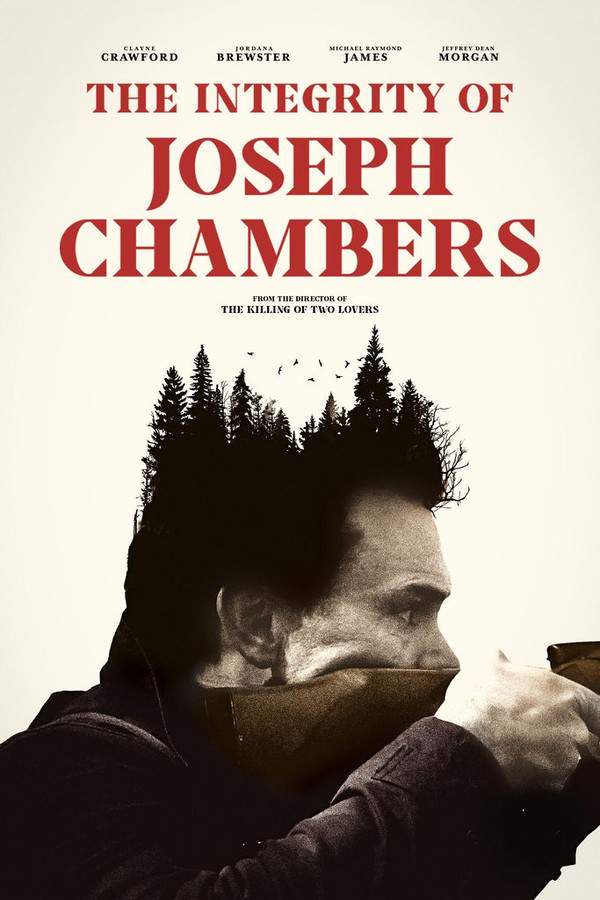
Seeking to test his ability to protect his family, insurance salesman Joseph Chambers embarks on a solitary deer-hunting trip, leaving behind his ordinary life. As he journeys further into the wilderness, his attempt at self-discovery evolves into a disturbing ordeal. He is forced to make a difficult choice that challenges his values and irrevocably changes his understanding of responsibility and his own identity.
Find where to stream, rent, or buy The Integrity of Joseph Chambers (2023) in the US with current JustWatch availability, up-to-date pricing, and platform listings for subscription, rental, and digital purchase options.
Warning: spoilers below!
Haven’t seen The Integrity of Joseph Chambers yet? This summary contains major spoilers. Bookmark the page, watch the movie, and come back for the full breakdown. If you're ready, scroll on and relive the story!
Still thinking about how The Integrity of Joseph Chambers (2023) ended? Here’s a full breakdown of the ending, key final moments, major twists, and the deeper meaning behind the film’s conclusion.
Joe’s moral journey reaches its climax as he makes a choice that defines his character. After accidentally killing a trespasser he thought was merely a threat, Joe initially runs away in panic, overwhelmed by guilt and fear. However, driven by a sense of responsibility and a desire to do what is right, he later decides to admit his mistake. Despite his initial instinct to conceal the body and escape punishment, Joe ultimately drags the dead man out of the grave and drives to the police station. His decision to turn himself in shows how he overcomes his inner conflict—between impulse and morality—and chooses the path of integrity. Throughout the film, Joe’s internal struggle is portrayed as a battle between taking the easy way out or doing what’s morally correct, and in the end, his conscience guides him to the right decision. The film emphasizes that true integrity involves facing the consequences of one’s actions, even when it’s difficult, and that sometimes, the bravest choice is to accept responsibility. Ultimately, Joe’s act of honesty and accountability signifies his moral growth, portraying that even in a world filled with moral grey areas, doing the right thing remains a courageous and redemptive act. The film leaves us with the powerful message that upholding one’s integrity may come with profound personal sacrifice, but it is worth choosing over dishonesty or denial.
Last updated: June 25, 2025 at 08:44
Read frequently asked questions about the ending of The Integrity of Joseph Chambers (2023), including final-scene interpretation, twist explanations, character outcomes, and the deeper meaning behind the conclusion. This ending explained FAQ is designed for viewers searching for clear spoiler-heavy answers and ending breakdown insights.
Joe decides to turn himself in because he is overwhelmed by guilt and a sense of moral responsibility. After initially running away in panic, his conscience guides him to face the consequences of his actions rather than live with the burden of concealment. His choice represents overcoming his inner conflict between self-preservation and doing what is morally correct.
Earlier in the film, Joe's internal struggle between taking the easy way out and doing what is right is established through his conversations about protecting his family.
The film ends ambiguously, cutting to black as Joe stands before the police. It remains unclear whether he is arrested, charged, or simply reporting the incident. The ending focuses on his moral decision to come forward rather than the legal outcome, leaving the consequences unresolved.
The film's melancholic tone and focus on moral grey areas prepare viewers for an ambiguous resolution.
The man Joe accidentally shoots is described as a trespasser whom Joe perceives as a threat. The specific identity of the man is not detailed in the ending explanation, and the film does not provide his name or background. The focus remains on Joe's moral crisis rather than the victim's identity.
Joe runs away initially because he is panicked, fearful of the legal consequences, and overwhelmed by what he has done. His instinct is self-preservation, hiding the body and escaping punishment represents the easier path. This initial reaction sets up his later moral transformation when he chooses to return and take responsibility.
The film establishes Joe's internal battle between impulse and morality throughout his journey into the wilderness.
The ending signifies Joe's moral growth and transformation. By choosing to face the consequences of his actions despite his initial instinct to flee, Joe demonstrates that he is capable of integrity and accountability. The act of turning himself in shows he has moved beyond self-interest toward a deeper understanding of responsibility and personal ethics.
Joe's quest was framed as a test of his ability to protect his family, but the ending reveals his true character is defined by how he answers to his own conscience.
Joe drags the dead man out of the grave as part of his decision to come clean about what happened. By bringing the body with him to the police station, he ensures there is physical evidence of the incident and eliminates any opportunity to deny or hide his actions. This act symbolizes his complete commitment to honesty and accountability.
Yes, the ending is deliberately ambiguous. The film cuts to black as Joe stands before the police, leaving his fate uncertain. Viewers are not told whether he is arrested, charged with a crime, or simply making a report. This ambiguity forces the audience to grapple with the unresolved moral and legal consequences rather than receiving a tidy conclusion.
The meta notes indicate the tone is melancholic with unresolved tension, supporting an ambiguous final resolution.
The ending delivers a message about the redemptive power of integrity and accountability. It suggests that doing the right thing, even when it requires profound personal sacrifice, is more valuable than dishonesty or denial. The film portrays that true courage lies in accepting responsibility for one's actions, and that moral growth comes from facing, not avoiding, the consequences of our choices.
The film's exploration of masculinity and responsibility throughout Joe's journey builds toward this thematic conclusion.
The hunting trip represents Joe's attempt to prove himself and test his ability to protect his family. However, the ending reveals that true protection and masculinity are not about violence or dominance, but about moral character. His decision to take responsibility rather than hide his mistake becomes the real measure of his identity and worth as a person and father.
Joe's journey into the wilderness is framed as a test of his capabilities, but the ending reframes what that test actually measures.
Discover curated groups of movies connected by mood, themes, and story style. Browse collections built around emotion, atmosphere, and narrative focus to easily find films that match what you feel like watching right now.
Stories where men's attempts to prove their worth spiral into moral collapse.If you were captivated by Joseph Chambers' ill-fated hunting trip, explore these movies where male protagonists face similar challenges. These films depict men whose attempts to prove themselves lead to moral crises and a shattering of their self-identity.
Films in this thread typically follow a protagonist, often an ordinary man, who embarks on a physical or metaphorical quest to assert his masculinity—be it through survival, protection, or conquest. This quest inevitably goes wrong, forcing a confrontation with a grave mistake that challenges his core values and leaves him psychologically scarred.
Movies are grouped here because they share a specific character arc focused on deconstructing masculine ideals. They combine themes of rural or isolated settings, accidental violence, and a heavy, melancholic tone, creating a coherent experience of a man's identity crisis triggered by his own actions.
Quiet, tense films where isolation leads to a single, life-altering mistake.Fans of the tense, atmospheric dread in The Integrity of Joseph Chambers will find similar movies here. These films feature isolated protagonists grappling with heavy moral choices, using a slow pace to immerse you in their psychological turmoil.
The narrative pattern involves a character being physically removed from their normal life, often in a natural or stark environment. The slow pacing allows for deep character study as internal pressures mount, leading to a critical error in judgment. The story then deals with the immediate aftermath and the crushing weight of responsibility.
These movies are grouped by their shared immersive vibe: a melancholic tone, slow pacing that builds psychological tension, and a setting of isolation that amplifies a character's moral crisis. The experience is defined by contemplative unease rather than external action.
Don't stop at just watching - explore The Integrity of Joseph Chambers in full detail. From the complete plot summary and scene-by-scene timeline to character breakdowns, thematic analysis, and a deep dive into the ending - every page helps you truly understand what The Integrity of Joseph Chambers is all about. Plus, discover what's next after the movie.
Read a complete plot summary of The Integrity of Joseph Chambers, including all key story points, character arcs, and turning points. This in-depth recap is ideal for understanding the narrative structure or reviewing what happened in the movie.
Track the full timeline of The Integrity of Joseph Chambers with every major event arranged chronologically. Perfect for decoding non-linear storytelling, flashbacks, or parallel narratives with a clear scene-by-scene breakdown.
Discover the characters, locations, and core themes that shape The Integrity of Joseph Chambers. Get insights into symbolic elements, setting significance, and deeper narrative meaning - ideal for thematic analysis and movie breakdowns.
Discover movies like The Integrity of Joseph Chambers that share similar genres, themes, and storytelling elements. Whether you’re drawn to the atmosphere, character arcs, or plot structure, these curated recommendations will help you explore more films you’ll love.
The Integrity of Joseph Chambers (2023) Plot Summary & Movie Recap
The Integrity of Joseph Chambers (2023) Scene-by-Scene Movie Timeline
The Integrity of Joseph Chambers (2023) Movie Characters, Themes & Settings
The Integrity of Joseph Chambers (2023) Spoiler-Free Summary & Key Flow
Movies Like The Integrity of Joseph Chambers – Similar Titles You’ll Enjoy
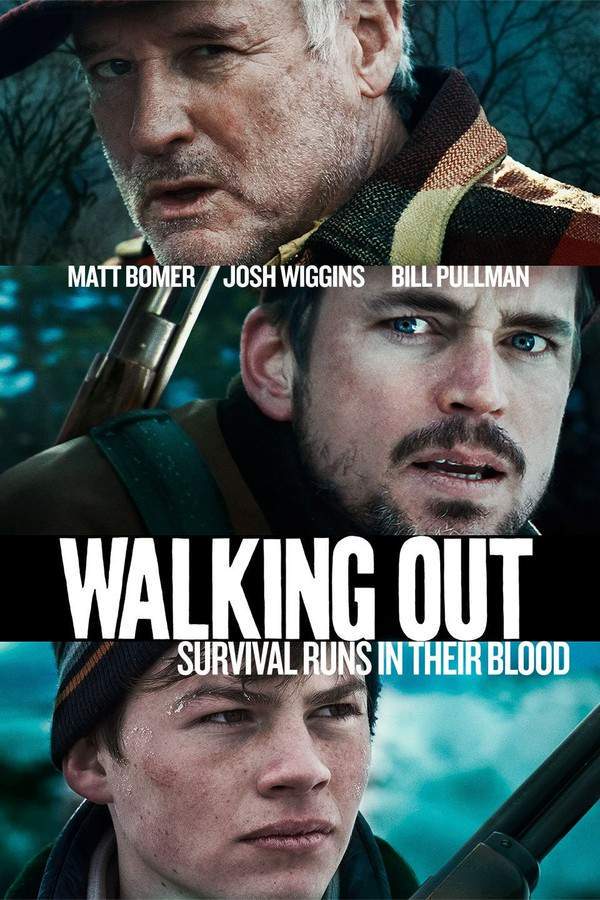
Walking Out (2017) Movie Recap & Themes
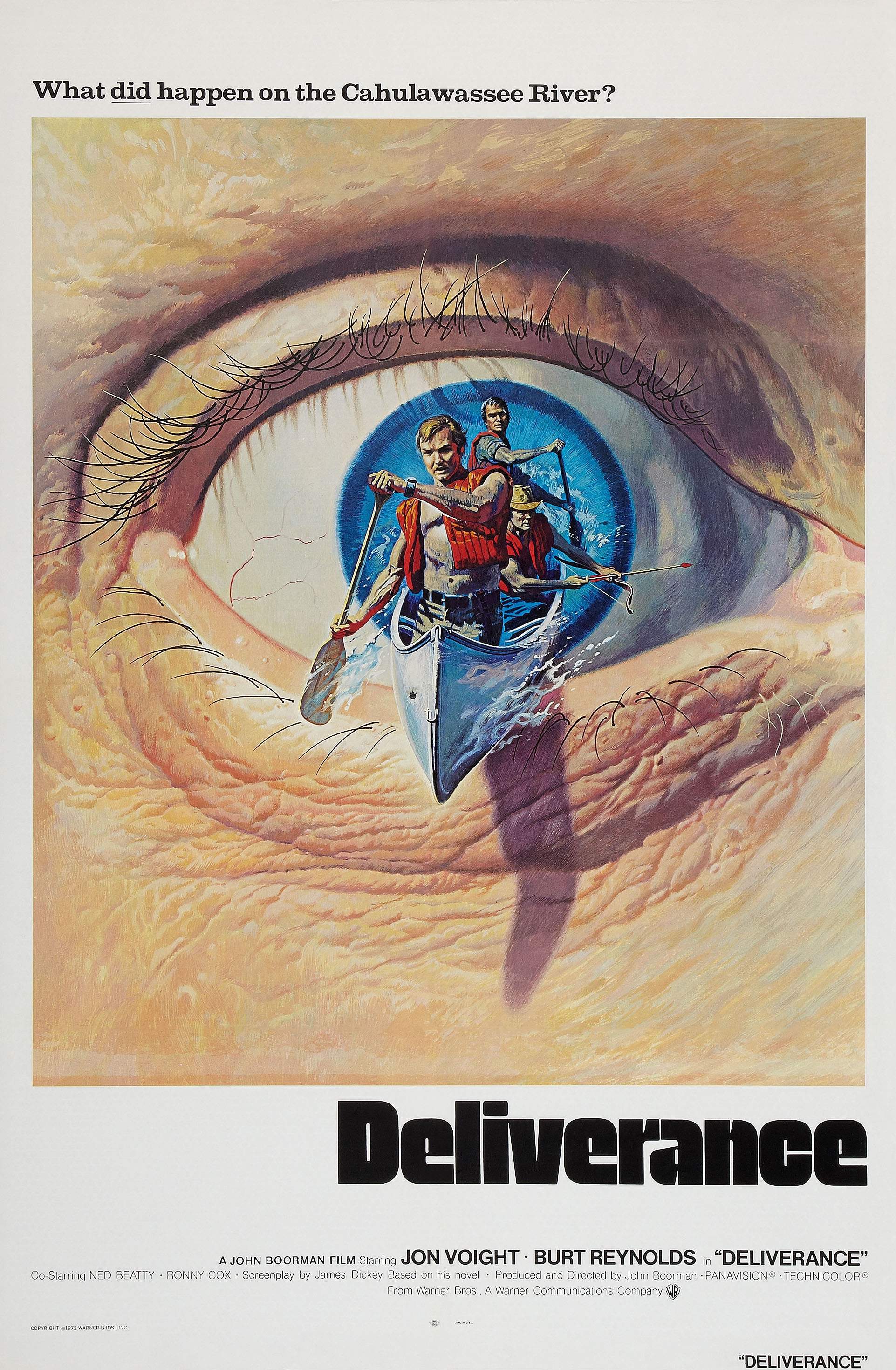
Deliverance (1972) Film Overview & Timeline
The Legacy of a Whitetail Deer Hunter (2018) Detailed Story Recap
The Chamber (1996) Ending Explained & Film Insights
Into the Wild (2007) Full Summary & Key Details
The Hunter and the Hunted (2005) Detailed Story Recap
God's Country (2022) Ending Explained & Film Insights
Child of God (2014) Complete Plot Breakdown
Old Man (2022) Complete Plot Breakdown
Hunting Lands (2018) Detailed Story Recap
Deerskin (2019) Ending Explained & Film Insights
Hunter’s Creed (2020) Story Summary & Characters
Armed and Innocent (1994) Full Summary & Key Details
It Is What It Is (2023) Detailed Story Recap
Call of Death (1999) Detailed Story Recap