






Plot Explained Spoilers guaranteed!
Plot Explained

Browse by genre

The Hunting Party (1971) movie poster

Timeline

The Hunting Party (1971) Timeline Explained – Every Event in Order

Release, runtime and language
1971 · 111 mins · English
JustWatch #20,205 11
Directed by
Don Medford
Starring
Candice Bergen, Gene Hackman, Oliver Reed, L.Q. Jones, Simon Oakland, Rafael Albaicín

A ruthless rancher assembles his gang and invites a chilling party where they hunt twenty‑six men and a woman with ultra‑long‑range rifles, turning the gathering into a deadly game. Their brutal mission is to exact revenge on the men who kidnapped his wife, making the hunt a lethal showdown.

On this page (6)
  1. 1 Where to watch
  2. 2 Events in order (13)
  3. 3 Timeline questions answered
  4. 4 Movie threads
  5. 5 Movies like The Hunting Party
  6. 6 Every angle

Where to watch

Where to Watch The Hunting Party (1971)

Where can you watch The Hunting Party? Stream, rent or buy it in the US, including on ScreenPix Amazon Channel , Tubi TV and Amazon Video: current JustWatch availability with up-to-date prices.

Streaming availability powered by JustWatch

13 events in order · contains spoilers

The Hunting Party Timeline: Events in Chronological Order

Every key event of The Hunting Party (1971) in order, scene by scene, with when and where it takes place. Use it to untangle flashbacks, time jumps and parallel storylines, to refresh your memory before the sequel or to find the exact scene you are thinking of.

  1. Ruger leaves for his two-week hunting trip

    Brandt Ruger departs from his home for a two-week hunting trip with his wealthy friends. The tension in his marriage with Melissa is evident as he prepares to be away. This departure sets the stage for Melissa's kidnapping and the ensuing conflict.

    Where
    Ruger's home
  2. Melissa kidnapped on the luxurious train

    Calder and his band kidnap Melissa, mistaking her for a schoolteacher. They do not demand ransom; Calder wants to be taught how to read a book. The kidnapping occurs as the hunting party travels aboard a luxurious private train.

    Where
    Luxurious private train
  3. Debauchery on the train

    The hunting party engages in debauchery with women, and Ruger himself participates in the cruelty by abusing one of the women. The atmosphere runs from decadent to dangerous as Melissa remains missing. Tension builds as the group revels while Melissa is held captive.

    Where
    Luxurious private train
  4. Ruger learns of the capture and plans a long-range hunt

    Notified that Melissa has been taken captive, Ruger tells his friends they will pick off the kidnappers from a distance. He presents rifles described as the Sharps-Borchardt Model Creedmoor, claiming precision up to 800 yards. They plan to hunt the men rather than animals from afar.

    Where
    Onboard and surrounding terrain
  5. Calder's guard over Melissa and the assault

    Calder twice must keep Melissa from being raped by his men. Eventually, he overpowers and rapes her himself. The assault marks a grim turning point in Melissa's captivity and deepens her ordeal.

    Where
    Calder's camp
  6. Melissa's hunger strike and shifting feelings

    Melissa goes on a hunger strike, attempting to resist her captors. The jar of peaches tempts her, and she begins to enjoy Calder's company, blurring the line between captor and captive. Her emotional turmoil adds a human dimension to the brutal situation.

    Where
    Calder's camp
  7. Long-range executions begin

    Using rifles with telescopic sights, Ruger and his men begin to pick off the outlaws at distances of up to 800 yards. The killings are methodical, distant, and deadly, transforming the landscape into a deadly chessboard. The captors' fortunes waver as bodies drop from afar.

    Where
    Desert/away from the train
  8. Mutiny and Calder's countermeasures

    Calder's men become upset upon realizing they have kidnapped a powerful man's wife. The tension erupts into a revolt, and Calder kills one of his own men in the ensuing chaos. The internal strife compounds the danger for Melissa and the subjugated party.

    Where
    Calder's camp
  9. Doc is gravely wounded and euthanized

    Calder's best friend, Doc, is gravely wounded in a skirmish. On Doc's last request, Calder ends his suffering, illustrating the ruthlessness that governs the group. The act deepens the emotional gravity of the conflict.

    Where
    Calder's camp
  10. Melissa abandons her captivity for Calder

    On a later ambush, Ruger witnesses Melissa leap onto Calder's horse and ride off with him. Matthew pleads with Ruger to let her go, but Ruger remains resolute in his pursuit. Melissa's choice underscores the complexity of her relationship with Calder.

    Where
    Desert
  11. Final stand at the water hole

    The remaining members of Calder's group are slain from long range at a water hole. The desert heat and isolation intensify the final confrontation as the outlaws are eliminated one by one.

    Where
    Water hole, desert
  12. Confrontation ends in tragedy

    Ruger fatally shoots Calder, concluding their rivalry. Melissa is killed by Ruger in the same moment, and Ruger collapses beside them, overwhelmed by the violence. The scene closes with the bleak inevitability of doom.

    Where
    Desert
  13. Credits over a sepia photo

    The credits roll over what appears to be a sepia photograph of three bodies in the sand, sealing the grim tale. The aftermath is left to the viewer's interpretation's weight and silence.

Last updated: October 05, 2025 at 11:34

Was this helpful?

Timeline questions answered

The Hunting Party Timeline Explained: Your Questions Answered

When does it happen, and why in that order? The questions people ask about the chronology of The Hunting Party (1971): time jumps, flashbacks, cause and effect between scenes and the correct order of events, each answered with spoilers.

Q1

Why does Frank Calder kidnap Melissa Ruger?

Frank Calder kidnaps Melissa mistaking her for a schoolteacher. Unlike typical outlaws seeking ransom, Calder has a singular motivation: he wants Melissa to teach him how to read a book. This unusual motive stems from his illiteracy, which has limited his life as an outlaw, and he sees education as a path to something more than crime.

Foreshadowing: The kidnapping occurs because Calder's gang mistakes the well-dressed woman on the train for a schoolteacher, setting the entire chain of events in motion.

  • frank calder
  • melissa ruger
  • kidnapping
  • teach to read
  • outlaws
Q2

Why does Frank Calder rape Melissa after protecting her?

After initially protecting Melissa from being raped by his own men twice, Calder ultimately overpowers and rapes her himself. This turn demonstrates his fundamental corruption, his earlier protection was not based on moral restraint but on possessiveness and the desire to keep her for himself. Once his men challenge his authority, Calder asserts dominance through the same violence he previously prevented.

Foreshadowing: Calder's initial protection masks his true intentions; he keeps her 'safe' only so he can claim her himself.

  • frank calder
  • melissa
  • sexual assault
  • power
  • possessiveness
Q3

Why does Melissa stop resisting and ride away with Frank Calder?

Melissa's resistance crumbles after she goes on a hunger strike and is tempted by a jar of peaches. This small kindness from Calder begins to shift her emotional state, creating a confusing bond with her captor. When she ultimately jumps onto Calder's horse and rides off with him during an ambush, she has developed a traumatic psychological dependence, a survival mechanism in her horrific circumstances.

Foreshadowing: The jar of peaches marks the turning point where Melissa's resistance begins to fracture.

  • melissa
  • calder
  • peaches
  • hunger strike
  • psychological bond
  • stockholm
Q4

Why does Brandt Ruger kill his wife Melissa at the end?

Ruger sees Melissa choose to ride away with Calder rather than flee toward him during the ambush. In his twisted sense of honor, her choice constitutes an unforgivable betrayal, a wife who rides off with her captor is as good as dead to him. Rather than showing mercy, Ruger executes both Calder and Melissa in cold blood, leaving himself alone with the bodies.

Foreshadowing: Ruger witnesses Melissa riding with Calder, which triggers his final decision to kill them both.

  • brandt ruger
  • melissa
  • killing
  • betrayal
  • final confrontation
Q5

How does Ruger's long-range hunting plan work?

Ruger uses Sharps-Borchardt Model Creedmoor rifles equipped with telescopic sights, claiming they can hit targets at 800 yards. Rather than chasing the outlaws conventionally, he positions himself and his men at distant vantage points and systematically picks off Calder's gang one by one. This transforms the rescue mission into a deadly game, hunting men as if they were animals.

Foreshadowing: Ruger boasts about the rifles' precision before the hunt begins, establishing his cold methodology.

  • sharps rifle
  • 800 yards
  • long range
  • hunt
  • sharps-borchardt
Q6

Why does Frank Calder kill his own men?

Calder kills one of his own men during a mutiny. When his gang realizes they've kidnapped a powerful cattle baron's wife, they become restless and revolt against Calder's leadership. To maintain control and demonstrate ruthlessness, Calder executes the mutineer, demonstrating that his authority will be enforced through deadly force.

Foreshadowing: Calder's men grow upset upon learning they've taken Ruger's wife, leading to internal conflict.

  • calder
  • mutiny
  • killing men
  • outlaw gang
  • revolt
Q7

What happens to Doc Harrison in the film?

Doc Harrison, Calder's best friend, is gravely wounded during a skirmish with Ruger's hunting party. Unable to travel and suffering terribly, Doc begs Calder to end his pain. Calder reluctantly honors this request and kills Doc to spare him further suffering, an act that demonstrates the brutal pragmatism that governs the outlaw group.

Foreshadowing: Doc's injury occurs during one of Ruger's long-range ambushes.

  • doc harrison
  • wounded
  • euthanasia
  • calder's friend
Q8

Why does Hog Warren attack Melissa twice?

Hog Warren is one of Calder's men who attempts to sexually assault Melissa twice during her captivity. The first time, Calder stops him. The second time, Melissa fights back and stabs Warren with a knife, defending herself against his violent advance. This act of resistance shows Melissa's willingness to use desperate measures against her captors.

Foreshadowing: Warren's persistent aggression toward Melissa escalates the violence of her captivity.

  • hog warren
  • melissa
  • attack
  • stabbing
  • sexual assault
Q9

Why doesn't Brandt Ruger simply pay a ransom for Melissa?

Ruger never considers paying ransom because he views the situation as a matter of personal honor and pride, not a transaction. As a wealthy, powerful cattle baron, he sees the kidnapping as an insult to his authority. Instead of negotiating, he transforms the rescue into a hunting expedition, using his resources and weapons to systematically eliminate the outlaws in a display of ruthless power.

Foreshadowing: Ruger learns of the capture and immediately decides on the hunting method rather than any negotiation.

  • ransom
  • brandt ruger
  • pride
  • hunting
  • power
Q10

What is the significance of the three bodies at the end?

The film ends with sepia-toned credits over a photograph of three bodies in the sand, Calder, Melissa, and presumably one other. This final image crystallizes the film's nihilistic theme: Ruger's quest for revenge destroys everyone involved, including his own wife. The three corpses represent the total collapse of morality and the futility of brutal vengeance.

Foreshadowing: The final confrontation leaves all three main characters dead in the desert.

  • three bodies
  • sepia
  • ending
  • revenge
  • nihilism

Movie threads

More Movies Like The Hunting Party, by Mood & Story

Curated lists built around what makes The Hunting Party tick: the same mood, the same kind of story or the same emotional payoff. Each list explains why these movies belong together.

Bleak revenge tragedies like The Hunting Party

Vengeance spirals into moral decay, leaving only despair in its wake. Movies like The Hunting Party explore the dark consequences of vengeance, where retribution leads to moral collapse and hopeless endings. If you appreciated the grim, heavy emotional weight and bleak tone of this film, you'll find similar stories in this thread, featuring systematic violence and tragic conclusions.

  • grim
  • tense
  • brutal
  • hopeless
  • revenge
  • moral decay
  • Tone: bleak, tense
  • Pacing: steady, deliberate
Why these movies?

The story pattern: Stories in this thread typically follow a protagonist driven by a powerful desire for revenge. The journey, however, corrupts them, stripping away their humanity as they descend into the same brutality they sought to punish. The plot is a linear, straightforward march towards an inevitable, devastating finale where no one finds redemption.

Why they belong together: Movies are grouped here based on their shared exploration of revenge as a self-destructive force, a consistently bleak and tense tone, and a narrative structure that builds towards a catharsis of despair rather than victory. The emotional experience is heavy and the intensity is high.
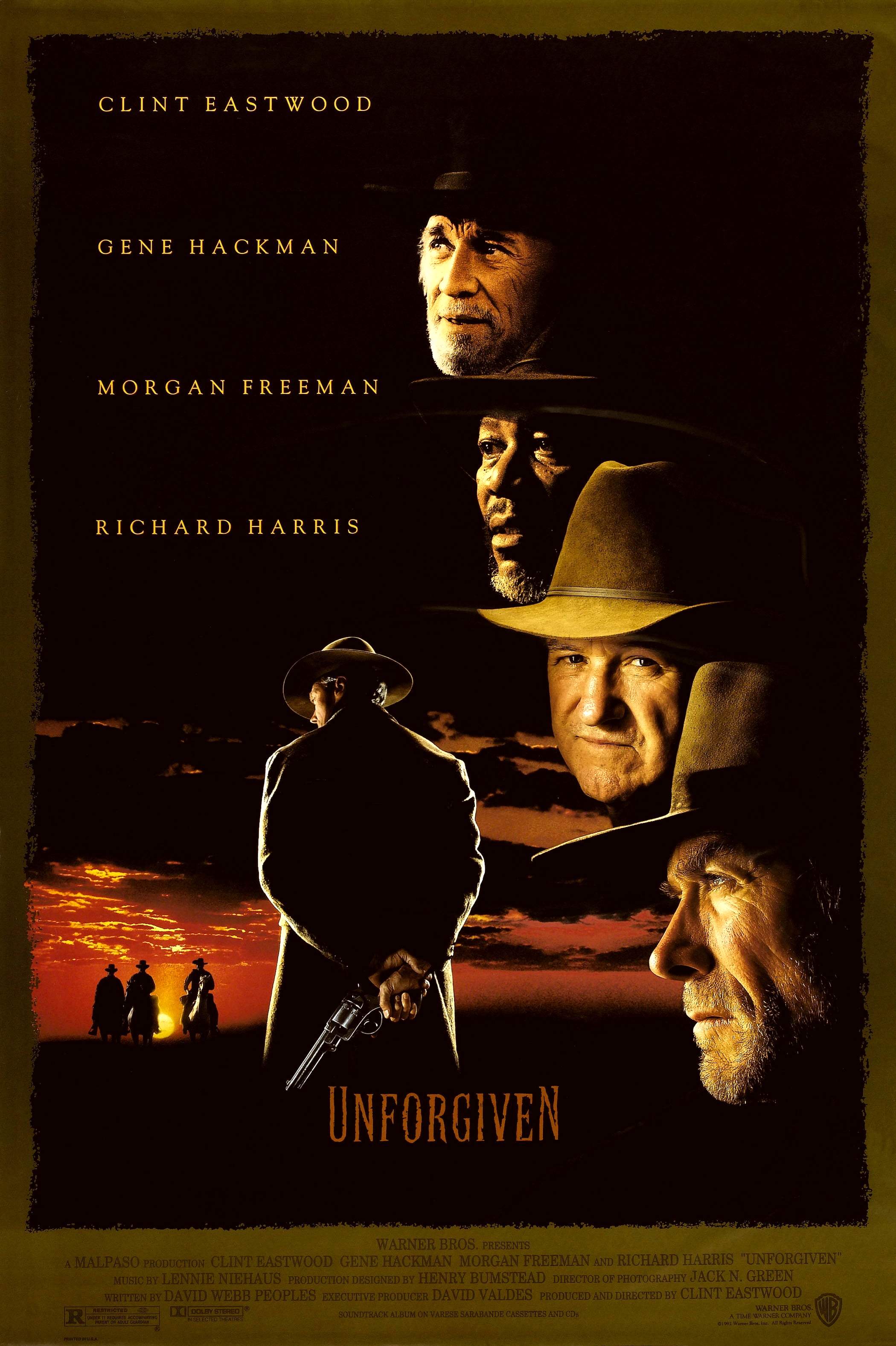
Movies about sadistic power games like The Hunting Party

Stories where characters hunt and torment each other for control and pleasure. If you liked the ruthless power dynamics and human hunt in The Hunting Party, this thread features similar films about sadistic games of control. These stories share a high intensity, oppressive mood, and explore themes of survival against cruel antagonists who enjoy the hunt.

  • sadistic
  • tense
  • oppressive
  • brutal
  • hunting humans
  • power struggle
  • Tone: bleak, tense, grim
  • Pacing: steady, methodical
Why these movies?

The story pattern: The narrative pattern involves a clear power imbalance, with a dominant, cruel force imposing a deadly 'game' upon others. The story unfolds as a tense survival thriller, methodically building dread as the hunted characters struggle against overwhelming odds. The conflict is a direct, physical, and psychological battle for supremacy and survival.

Why they belong together: These movies are connected by their core premise of a sadistic game or hunt, their unflinching depiction of power dynamics, and their ability to generate sustained, oppressive tension. They share a grim mood and often feature morally bankrupt characters driving the violent action.

If you liked this

Movies Like The Hunting Party

Similar movies to The Hunting Party: the same genre, themes or kind of story. Each one comes with its own plot summary, timeline and ending explained.

Browse all movie summaries

Every angle

The Hunting Party (1971) Explained: Plot, Timeline & Characters

Everything about The Hunting Party in one place: what happens in the plot summary, the timeline in chronological order, the characters and meaning and a spoiler-free summary. What's After the Movie adds the cast, box office and post-credit scenes.

Coming soon on iOS and Android

The Plot Explained Movie Summary App

Plot summaries, endings explained and timelines on your phone. Catch up on any movie in minutes, save your favorites and never miss a twist again.

Be the first to know when we launch. Your email stays private, always.

Learn more about the app