



Plot Explained Spoilers guaranteed!
Plot Explained

Browse by genre

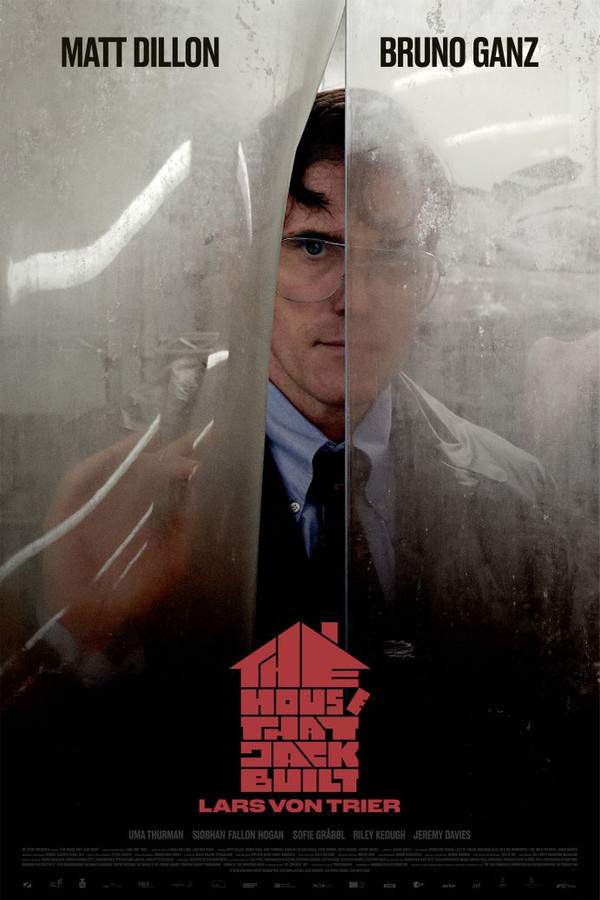
The House That Jack Built (2015) movie poster

Timeline

The House That Jack Built (2015) Timeline Explained – Every Event in Order

Release, runtime and language
2015 · 90 min · English
JustWatch #32,912 4
Directed by
Henry Barrial

Jack Maldonado seeks to recapture a sense of family and stability by purchasing an apartment building in the Bronx. He envisions a close-knit community where his large, lively family can reside together. However, as residents move in and the building becomes a bustling hub, Jack's desire for control and order clashes with the vibrant personalities around him, particularly his fiancée Lily. Hidden secrets and rising tensions threaten both his business venture and the fragile personal relationships he’s trying to build.

On this page (5)
  1. 1 Where to watch
  2. 2 Events in order (9)
  3. 3 Timeline questions answered
  4. 4 Movie threads
  5. 5 Every angle

Where to watch

Where to Watch The House That Jack Built (2015)

Where can you watch The House That Jack Built? Stream, rent or buy it in the US, including on Philo and Cineverse: current JustWatch availability with up-to-date prices.

Streaming availability powered by JustWatch

9 events in order · contains spoilers

The House That Jack Built Timeline: Events in Chronological Order

Every key event of The House That Jack Built (2015) in order, scene by scene, with when and where it takes place. Use it to untangle flashbacks, time jumps and parallel storylines, to refresh your memory before the sequel or to find the exact scene you are thinking of.

  1. Jack's Encounter on the Road

    Jack, a struggling architect, first encounters an abrasive woman on a rural road who is stranded with a flat tire. After she irritates him with her comments about his appearance and challenges his manhood, Jack violently retaliates by bludgeoning her with a tire jack. He then hides her body in an industrial freezer located in a factory he purchased, setting the stage for his descent into murder.

    Where
    Rural Road
  2. Murder of Claire the Widow

    In his second crime, Jack murders a widow named Claire. His obsessive-compulsive disorder drives him to return to the crime scene several times to clean it up, ultimately leading to a nearly disastrous encounter with law enforcement as he drags her body behind his van. Rain washes away the blood trail, which Jack interprets as a sign, marking the beginning of his identity as 'Mr. Sophistication' as he starts sending letters to the media.

  3. Hunting Trip Gone Wrong

    Jack invites his girlfriend and her two sons on a hunting trip, which turns into a horrific event. He murders both boys, Grumpy and George, and forces their mother to picnic with their corpses. In a shocking turn, he allows her to run but ultimately shoots her, showcasing his deep-seated depravity as he creates a twisted sculpture from Grumpy’s corpse.

    Where
    Hunting Ground
  4. Abusive Relationship with Jacqueline

    Jack enters into a toxic relationship with a woman named Jacqueline, whom he psychologically torments. One night, in a drunken confession, he claims to have killed sixty people, but she dismisses him as a drunken fool. His violent fury escalates when he binds her and brutally removes one of her breasts, showcasing his complete disregard for human life.

    Where
    Jacqueline's Apartment
  5. The Freezer Full of Captives

    In a chilling display of cruelty, Jack detains six men in his freezer, planning to kill them all with a single bullet. When one of the captives, an army veteran, warns Jack about the wrong ammunition, Jack's rage spirals as he kills the friend who tried to help. The police arrive, leading to a bloody confrontation, and Jack returns triumphantly to his layered freezer of corpses.

    Where
    Jack's Freezer
  6. Meeting Verge in the Freezer

    As the police close in, Jack finds himself in a surreal experience when he encounters Verge, who has observed his life choices. Verge reminds Jack of his unfulfilled ambitions, specifically the failure to build his dream home. In a grotesque reflection of his aspirations, Jack arranges the frozen bodies in the shape of a house, paralleling his murderous life with his architectural failures.

    Where
    Jack's Freezer
  7. Descent into the Ninth Circle

    Jack and Verge continue their journey into a pit that leads to the ninth circle of Hell, reinforcing the dark themes of Jack's life. In this eerie setting, they encounter a broken bridge representing the sin and suffering of the damned. This transition signifies Jack's deeper descent into his own hellish existence, showcasing the consequences of his actions.

    Where
    Hell
  8. Legend of Kola Superdeep Borehole

    As they delve further into Hell, the story references the Kola Superdeep Borehole, where it is said that human cries can be heard from the depths. This serves as a chilling reminder of the repercussions of Jack's violent deeds, linking his reality with the tortured souls of the damned. The borehole symbolizes the depths of human despair that Jack embodies.

    Where
    Kola Superdeep Borehole
  9. The Ill-fated Climb

    Jack spots a stairway leading out of Hell but ignores Verge's warnings. Driven by desperation, he attempts to scale a rock wall to reach the staircase, a futile act reflecting his desire to escape the horrors he created. Unfortunately, his ambition leads to disaster as he falls into the flames below, sealing his fate.

    Where
    Ninth Circle of Hell

Last updated: December 24, 2024 at 10:01

Was this helpful?

Timeline questions answered

The House That Jack Built Timeline Explained: Your Questions Answered

When does it happen, and why in that order? The questions people ask about the chronology of The House That Jack Built (2015): time jumps, flashbacks, cause and effect between scenes and the correct order of events, each answered with spoilers.

Q1

Why does Jack kill the woman on the roadside?

Jack kills the woman after she insults him while he tries to help her fix her flat tire. She mocks his appearance, claiming he looks like a serial killer and challenging that he lacks the resolve to actually commit murder. Enraged by this humiliation, he bludgeons her with the tire jack she was using, proving her wrong in the most violent way possible.

  • serial killer
  • murder
  • tire jack
  • roadside killing
  • humiliation
Q2

Why does Jack call himself Mr. Sophistication?

Jack adopts the name 'Mr. Sophistication' after rain washes away the blood trail he left while dragging Claire's body behind his van. He interprets this near-discovery as divine intervention or signs from a higher power, which reinforces his delusion that he is destined for something greater. The name reflects his growing arrogance and belief in his own refinement above ordinary morality.

  • mr sophistication
  • name origin
  • arrogance
  • blood trail
  • divine intervention
Q3

Why does Jack obsessively return to clean Claire's murder scene?

Jack suffers from obsessive-compulsive disorder, which compels him to repeatedly return to Claire's apartment to clean up the evidence of his crime. His OCD creates intense anxiety about contamination and disorder, but this compulsion nearly leads to his capture when police nearly catch him during one of his cleaning visits. His OCD later diminishes as he becomes more confident in his killings.

  • ocd
  • cleaning
  • crime scene
  • police
  • near capture
Q4

Why does Jack murder the two boys during the hunting trip?

Jack lures his girlfriend and her two sons, Grumpy and George, on what appears to be a normal hunting trip, but he systematically kills both boys. This represents Jack's complete dehumanization and willingness to harm innocent children. He forces their mother to witness the murders and picnic with the corpses, demonstrating his twisted desire to control and degrade his victims completely before killing her as well.

  • hunting trip
  • grumpy
  • george
  • children
  • murder
Q5

Why does Jack let the mother run away before shooting her?

After Jack murders both boys, he gives the mother a chance to flee, seemingly offering her mercy. However, when she stops running to confront him, he shoots her anyway. This demonstrates Jack's unpredictable cruelty and his need to assert control, he grants false hope before delivering the final act of violence, showing he enjoys the psychological torment as much as the physical act.

  • mother
  • shooting
  • hunting
  • escape
  • confrontation
Q6

Who is Verge (Virgil) and why is he in the freezer?

Verge (short for Virgil) is a supernatural figure who appears to Jack inside the industrial freezer where he keeps his victims. In the film's framing device modeled after Dante's Inferno, Verge serves as Jack's guide through Hell. He has silently observed Jack's entire life, appearing at key moments Jack never noticed. The freezer encounter represents the threshold between Jack's mortal crimes and his eternal damnation.

  • verge
  • virgil
  • guide
  • hell
  • dante inferno
  • freezer
Q7

Why does Jack arrange the frozen bodies into a house shape?

When Jack encounters Verge in the freezer, Verge reminds Jack of his long-abandoned dream to become an architect and build a house. In a grotesque parody of this dream, Jack arranges his frozen victims' corpses into the shape of a house, a twisted architectural achievement that represents how his violent impulses have replaced his creative ambitions. This dark irony shows Jack channeling his need to build into macabre sculpture.

  • frozen bodies
  • house
  • architecture
  • dream
  • arrangement
Q8

Why does Jack fall into the flames at the end?

Jack falls into the flaming abyss of Hell because he ignores Verge's warnings and attempts to climb the walls to reach a staircase he believes will lead him out of Hell. His hubris and refusal to accept his damnation lead to his final plunge into eternal fire. The film presents this as the inevitable consequence of his unrepentant violence and arrogance throughout his life.

  • hell
  • flames
  • fall
  • hubris
  • escape
  • staircase
Q9

What is the Kola Superdeep Borehole reference in the film?

The Kola Superdeep Borehole is a real Soviet scientific drilling project that reached the deepest point on Earth's crust. The film incorporates legends that human screams can be heard from its depths, using this as a metaphor for Hell. During Jack's descent, footage of the borehole appears, connecting his personal hell with the Earth's core and reinforcing the film's themes of descent into darkness and the inescapable consequences of his actions.

  • kola superdeep
  • borehole
  • soviet
  • russia
  • hell
  • depths
Q10

Why does Jack cut off Jacqueline's breast and pin it to the police car?

Jack brutally mutilates Jacqueline after she threatens to go to the police following his drunken confession about his murders. He cuts off one of her breasts and pins it to a police officer's vehicle while using the other to make a macabre wallet. This act represents Jack's escalation into more personal, sadistic violence and his direct challenge to authority, as he weaponizes his victim's body against the very people meant to protect her.

  • jacqueline
  • breast
  • mutilation
  • police car
  • wallet
Q11

Why does Jack tell Jacqueline he killed 60 people?

Jack confesses to Jacqueline while drunk that he has murdered sixty people, using this boast to shock and control her. This number establishes his extensive body count and demonstrates his Narcissistic tendency to brag about his crimes. Jacqueline dismisses it as drunken exaggeration, but the claim establishes Jack as a prolific, experienced killer who views his murders as achievements worth counting.

  • sixty
  • kills
  • confession
  • boast
  • drunk
Q12

What is the significance of the nine circles of Hell structure?

The film frames Jack's story as a journey through Dante's Inferno's nine circles, with Verge serving as Virgil's equivalent. Each of Jack's murders and his escalating crimes correspond to different sins and circles of Hell, from lust in his chaotic relationships to fraud and violence. This structure frames Jack's life as a descent through increasingly grave moral transgressions, culminating in the ninth circle of Treachery where he ultimately belongs.

  • nine circles
  • dante
  • inferno
  • structure
  • allegory
  • verge

Movie threads

More Movies Like The House That Jack Built, by Mood & Story

Curated lists built around what makes The House That Jack Built tick: the same mood, the same kind of story or the same emotional payoff. Each list explains why these movies belong together.

Movies about descent into madness like The House That Jack Built

Character-driven journeys exploring a psychological unraveling into nihilism. If you were fascinated by the psychological unraveling in The House That Jack Built, this section features similar movies about descent into madness. These films explore obsessive minds, philosophical nihilism, and a character's journey into their own personal hell, often with a dark, complex narrative.

  • psychological
  • unsettling
  • obsessive
  • nihilistic
  • arrogant
  • macabre
  • Tone: dark, philosophical, bleak
  • Pacing: variable, with introspective pauses and violent bursts
Why these movies?

The story pattern: Stories in this thread typically follow a singular character's point of view as they rationalize their increasingly disturbing actions. The narrative arc is a downward spiral, often using a framing device like a confession or recollection, culminating in a finale that confirms their damnation or complete loss of humanity.

Why they belong together: These films are grouped by their intense focus on a protagonist's psychological deterioration, their shared dark and philosophical tone, and their heavy emotional weight. They create a similarly unsettling experience by immersing the viewer in a narcissistic and destructive worldview.

Philosophical horror movies similar to The House That Jack Built

Horror stories that use violence to explore existential and moral questions. For viewers who appreciated the intellectual provocations of The House That Jack Built, this list features similar philosophical horror movies. These films use brutal imagery and psychological terror to ask big questions about crime, punishment, and existential dread, creating a thought-provoking and disturbing vibe.

  • philosophical
  • infernal
  • macabre
  • unsettling
  • psychological
  • brutal
  • Tone: dark, macabre, infernal
  • Pacing: variable, balancing slow contemplation with fast violence
Why these movies?

The story pattern: The narrative often juxtaposes horrific events with intellectual or artistic discourse, creating a tension between the act and its justification. The structure can be allegorical, framing a literal story within a mythical or metaphorical context, forcing the audience to grapple with the themes long after the credits roll.

Why they belong together: These movies share a unique blend of high-intensity horror with complex philosophical inquiry. They are united by a dark tone, a willingness to depict graphic content for thematic purpose, and an ending that offers no redemption, leaving the viewer with a heavy, contemplative feeling.

Every angle

The House That Jack Built (2015) Explained: Plot, Ending, Timeline & Characters

Everything about The House That Jack Built in one place: what happens in the plot summary, the timeline in chronological order, the characters and meaning, the ending explained and a spoiler-free summary. What's After the Movie adds the cast, box office and post-credit scenes.

Coming soon on iOS and Android

The Plot Explained Movie Summary App

Plot summaries, endings explained and timelines on your phone. Catch up on any movie in minutes, save your favorites and never miss a twist again.

Be the first to know when we launch. Your email stays private, always.

Learn more about the app