



Plot Explained Spoilers guaranteed!
Plot Explained

Browse by genre

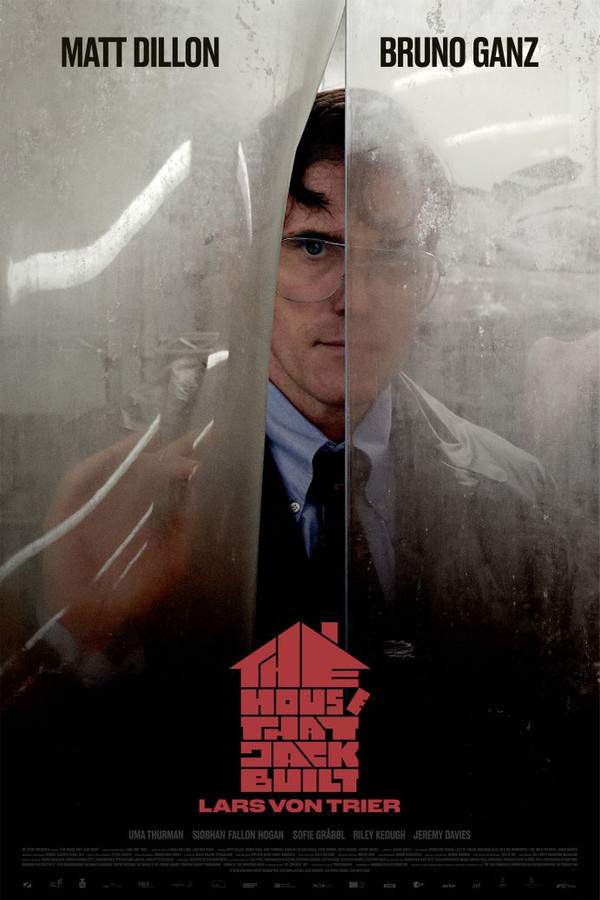
The House That Jack Built (2015) movie poster

Characters & Themes

The House That Jack Built (2015) Characters, Setting & Themes Explained

Release, runtime and language
2015 · 90 min · English
JustWatch #32,912 4
Directed by
Henry Barrial

Jack Maldonado seeks to recapture a sense of family and stability by purchasing an apartment building in the Bronx. He envisions a close-knit community where his large, lively family can reside together. However, as residents move in and the building becomes a bustling hub, Jack's desire for control and order clashes with the vibrant personalities around him, particularly his fiancée Lily. Hidden secrets and rising tensions threaten both his business venture and the fragile personal relationships he’s trying to build.

On this page (7)
  1. 1 Where to watch
  2. 2 Characters explained (2)
  3. 3 Where & when it takes place
  4. 4 Themes & meaning (3)
  5. 5 Character & meaning questions
  6. 6 Movie threads
  7. 7 Every angle

Where to watch

Where to Watch The House That Jack Built (2015)

Where can you watch The House That Jack Built? Stream, rent or buy it in the US, including on Philo and Cineverse: current JustWatch availability with up-to-date prices.

Streaming availability powered by JustWatch

2 main characters · contains spoilers

The House That Jack Built Characters Explained: Who Is Who

The main characters of The House That Jack Built (2015), heroes and villains: what drives them, how they change over the course of the story and what each of them reveals about the film's bigger ideas.

  • Jack

    Jack is portrayed as a deeply flawed individual whose failings as an architect parallel his moral failures as a human being. His obsessive-compulsive disorder greatly influences his actions, driving him to commit heinous murders while rationalizing his behavior. Jack's interactions with his victims and Verge reveal his inner turmoil and desperate need for control.

    • 🔪 Serial Killer
    • 🤔 Troubled Mind
    • 🌪️ Complexity
  • Virgil

    Virgil serves as a guide through Jack's descent into hell, providing insights and commentary on Jack's life and choices. His role amplifies the psychological undertones of the narrative, representing both a moral compass and an observer of Jack's derangement. As the two navigate through the layers of Hell, Virgil embodies the consequences of Jack's actions.

    • 👁️ Observer
    • 🚶‍♂️ Guide
    • 🔄 Reflection

Last updated: December 24, 2024 at 10:02

Was this helpful?

Setting

Where and When Does The House That Jack Built Take Place?

The setting of The House That Jack Built (2015): the year and time period, the places and locations, and how they shape the characters, the mood and the tension of the story.

Time period

The events in the movie are set in contemporary times, which reflects modern societal issues regarding violence and mental illness. Jack's actions, along with his musings about them, engage with current moral dilemmas surrounding crime and punishment. The modern setting amplifies the sense of realism and horror as the audience grapples with Jack's derangements.

Location

Washington State, rural road, factory building, Hell

The movie takes place primarily in Washington State, where Jack's dark deeds unfold on a rural road and culminate in a factory building that he has converted into a sinister hideout. The factory, once a place of nourishment and community, becomes a chilling abode for Jack's victims. The film also takes a harrowing turn as Jack descends into Hell, embodying a nightmarish vision of punishment and despair.

  • 🏞️ Nature
  • 🏢 Industrial
  • 🔥 Underworld

Last updated: December 24, 2024 at 10:02

Was this helpful?

3 major themes

The House That Jack Built Meaning: Themes & Message Explained

What is The House That Jack Built (2015) really about? The emotional, social and philosophical themes the film keeps returning to, its symbolism and the message beneath the surface.

  • Crime

    The film delves deeply into the psychology of crime, illustrating how Jack rationalizes his horrific behavior. It presents a disturbing exploration of criminal mindset and the implications of a detached life devoid of empathy. Through Jack's escalating violence, the narrative invites viewers to ponder the nature of evil and moral decay.

  • Psychological Thriller

    This theme permeates the film as it invites viewers into the twisted mind of a serial killer. Jack's obsession with control and perfection reveals profound psychological struggles intertwined with his gruesome acts. The tension is amplified by Jack's interactions with Verge, highlighting the thin line between sanity and madness in the context of his horrific actions.

  • Descent into Madness

    Jack's journey reveals a gradual descent into madness, illustrated through his escalating crimes and compulsive behavior. The film raises questions about the morality of a life led by violence and the psychological consequences of Jack's actions. His ultimate fate emphasizes the dark realities of his mental unraveling and the repercussions of his violent lifestyle.

Last updated: December 24, 2024 at 10:02

Was this helpful?

Character & theme questions

The House That Jack Built Characters & Meaning: Your Questions Answered

The questions people ask about The House That Jack Built (2015): who the characters really are, their relationships, what the symbols mean, where it takes place and what the movie is really about. Each answer contains spoilers.

Q1

Where is the movie set?

The film takes place primarily in Washington State, where Jack carries out his crimes on rural roads and in a converted factory building that serves as his sinister hideout. The factory, once a place of community and nourishment, becomes a chilling abode for his victims. The story also descends into Hell, presenting a nightmarish vision of punishment and despair.

  • washington state
  • setting
  • rural road
  • factory
  • hell
  • location
Q2

What time period is the movie set in?

The events occur in contemporary times, reflecting modern societal issues regarding violence and mental illness. Jack's actions and philosophical musings engage with current moral dilemmas surrounding crime and punishment, with the modern setting amplifying the sense of realism and horror.

  • contemporary
  • modern
  • time period
  • era
Q3

What does the film say about crime and criminal psychology?

The film delves deeply into the psychology of crime, illustrating how Jack rationalizes his horrific behavior. It presents a disturbing exploration of criminal mindset and the implications of a detached life devoid of empathy. Through Jack's escalating violence, the narrative invites viewers to ponder the nature of evil and moral decay.

  • crime
  • criminal psychology
  • serial killer
  • moral decay
  • evil
Q4

How does the film explore the psychological thriller elements?

The film invites viewers into the twisted mind of a serial killer. Jack's obsession with control and perfection reveals profound psychological struggles intertwined with his gruesome acts. The tension is amplified by Jack's interactions with Virgil, highlighting the thin line between sanity and madness in the context of his horrific actions.

  • psychological thriller
  • obsession
  • control
  • sanity
  • madness
  • serial killer
Q5

Who is Jack as a character?

Jack is a deeply flawed individual whose failings as an architect parallel his moral failures as a human being. His obsessive-compulsive disorder greatly influences his actions, driving him to commit heinous murders while rationalizing his behavior. His interactions with victims and Virgil reveal his inner turmoil and desperate need for control.

  • jack
  • protagonist
  • serial killer
  • ocd
  • architect
  • control
Q6

Who is Virgil and what is his role?

Virgil serves as Jack's guide through Hell, providing insights and commentary on Jack's life and choices. His role amplifies the psychological undertones of the narrative, representing both a moral compass and an observer of Jack's derangement. As they navigate through the layers of Hell, Virgil embodies the consequences of Jack's actions.

  • virgil
  • guide
  • hell
  • dante
  • consequences
  • moral compass
Q7

What does the descent into madness theme represent?

Jack's journey reveals a gradual descent into madness, illustrated through his escalating crimes and compulsive behavior. The film raises questions about the morality of a life led by violence and the psychological consequences of Jack's actions. His ultimate fate emphasizes the dark realities of his mental unraveling and the repercussions of his violent lifestyle.

  • descent into madness
  • mental illness
  • escalation
  • violence
  • psychological consequences
Q8

What does the factory building represent thematically?

The factory, once a place of nourishment and community, becomes a chilling abode for Jack's victims. This transformation from a positive, communal space into a site of horror symbolizes how Jack corrupts and perverts ordinary aspects of life, turning the mundane into the monstrous.

  • factory
  • symbolism
  • corruption
  • community
  • horror
Q9

What is the role of Hell in the story?

The film incorporates a journey through Hell, framing Jack's crimes within a mythological structure inspired by Dante's Inferno. This allegorical element presents Jack's ultimate fate as eternal punishment, confirming his damnation without any hint of hope or redemption.

  • hell
  • dante
  • inferno
  • afterlife
  • punishment
  • damnation
Q10

What is the overall tone and emotional impact of the movie?

The film has an unambiguously dark tone, exploring nihilism and psychopathy without redemption. The intensity is exceptionally high due to relentless depictions of brutal murders and Jack's cold, arrogant commentary. The emotional weight is heavy, dealing exclusively with disturbing themes of murder, mutilation, and existential damnation.

  • tone
  • nihilism
  • psychopathy
  • intensity
  • dark
  • disturbing

Movie threads

More Movies Like The House That Jack Built, by Mood & Story

Curated lists built around what makes The House That Jack Built tick: the same mood, the same kind of story or the same emotional payoff. Each list explains why these movies belong together.

Movies about descent into madness like The House That Jack Built

Character-driven journeys exploring a psychological unraveling into nihilism. If you were fascinated by the psychological unraveling in The House That Jack Built, this section features similar movies about descent into madness. These films explore obsessive minds, philosophical nihilism, and a character's journey into their own personal hell, often with a dark, complex narrative.

  • psychological
  • unsettling
  • obsessive
  • nihilistic
  • arrogant
  • macabre
  • Tone: dark, philosophical, bleak
  • Pacing: variable, with introspective pauses and violent bursts
Why these movies?

The story pattern: Stories in this thread typically follow a singular character's point of view as they rationalize their increasingly disturbing actions. The narrative arc is a downward spiral, often using a framing device like a confession or recollection, culminating in a finale that confirms their damnation or complete loss of humanity.

Why they belong together: These films are grouped by their intense focus on a protagonist's psychological deterioration, their shared dark and philosophical tone, and their heavy emotional weight. They create a similarly unsettling experience by immersing the viewer in a narcissistic and destructive worldview.

Philosophical horror movies similar to The House That Jack Built

Horror stories that use violence to explore existential and moral questions. For viewers who appreciated the intellectual provocations of The House That Jack Built, this list features similar philosophical horror movies. These films use brutal imagery and psychological terror to ask big questions about crime, punishment, and existential dread, creating a thought-provoking and disturbing vibe.

  • philosophical
  • infernal
  • macabre
  • unsettling
  • psychological
  • brutal
  • Tone: dark, macabre, infernal
  • Pacing: variable, balancing slow contemplation with fast violence
Why these movies?

The story pattern: The narrative often juxtaposes horrific events with intellectual or artistic discourse, creating a tension between the act and its justification. The structure can be allegorical, framing a literal story within a mythical or metaphorical context, forcing the audience to grapple with the themes long after the credits roll.

Why they belong together: These movies share a unique blend of high-intensity horror with complex philosophical inquiry. They are united by a dark tone, a willingness to depict graphic content for thematic purpose, and an ending that offers no redemption, leaving the viewer with a heavy, contemplative feeling.

Every angle

The House That Jack Built (2015) Explained: Plot, Ending, Timeline & Characters

Everything about The House That Jack Built in one place: what happens in the plot summary, the timeline in chronological order, the characters and meaning, the ending explained and a spoiler-free summary. What's After the Movie adds the cast, box office and post-credit scenes.

Coming soon on iOS and Android

The Plot Explained Movie Summary App

Plot summaries, endings explained and timelines on your phone. Catch up on any movie in minutes, save your favorites and never miss a twist again.

Be the first to know when we launch. Your email stays private, always.

Learn more about the app