













Plot Explained Spoilers guaranteed!
Plot Explained

Browse by genre

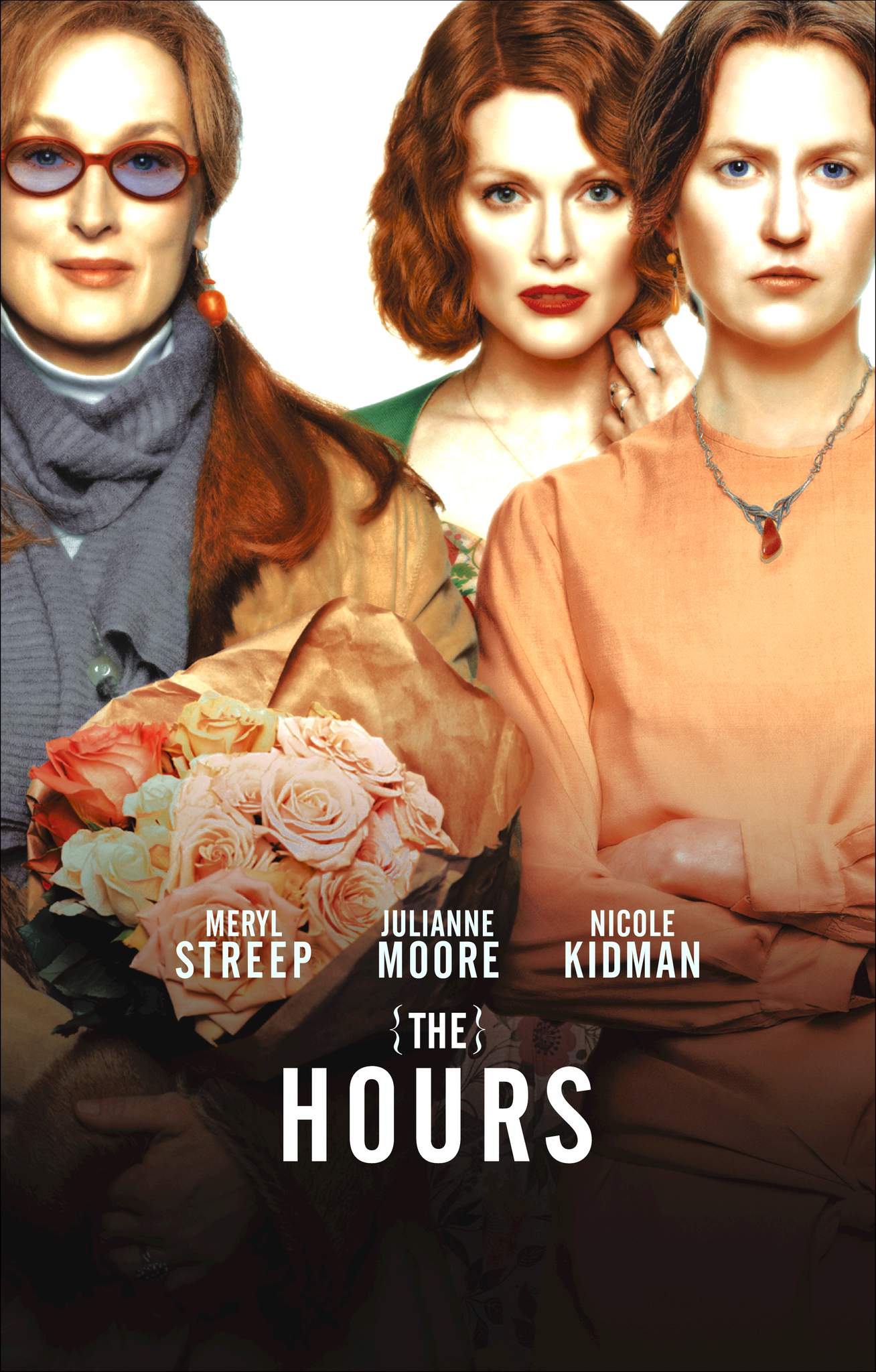
The Hours (2002) movie poster

Timeline

The Hours (2002) Timeline Explained – Every Event in Order

Release, runtime and language
2002 · 114 min · Spanish
JustWatch #5,078 27
Directed by
Stephen Daldry
Starring
Nicole Kidman, Julianne Moore, Meryl Streep
Budget
$25M

A sudden crisis forces Ema to confront difficult family relationships when an unexpected pregnancy coincides with her grandmother's failing health. She must re-evaluate her complicated bond with her mother and navigate the emotional turmoil of loss and new beginnings, ultimately seeking understanding and connection within her family.

On this page (7)
  1. 1 Where to watch
  2. 2 Events in order (14)
  3. 3 Timeline questions answered
  4. 4 The book behind the movie
  5. 5 Movie threads
  6. 6 Movies like The Hours
  7. 7 Every angle

Where to watch

Where to Watch The Hours (2002)

Where can you watch The Hours? Stream, rent or buy it in the US, including on fuboTV, MGM Plus and Philo: current JustWatch availability with up-to-date prices.

Streaming availability powered by JustWatch

14 events in order · contains spoilers

The Hours Timeline: Events in Chronological Order

Every key event of The Hours (2002) in order, scene by scene, with when and where it takes place. Use it to untangle flashbacks, time jumps and parallel storylines, to refresh your memory before the sequel or to find the exact scene you are thinking of.

  1. Virginia Woolf's Last Moments

    The film opens with British writer Virginia Woolf preparing to take her own life. She fills her pockets with stones before walking into the River Ouse, ultimately succumbing to the water.

    When
    28th March 1941
    Where
    River Ouse, England
  2. Laura Brown's Preparation

    In 1951, Laura Brown is in her Los Angeles home preparing a chocolate cake for her husband Dan's birthday. She engages in a heartfelt conversation with their young son Richie about the love expressed through the cake.

    When
    1951
    Where
    Los Angeles, California
  3. Clarissa Vaughan's Party Planning

    Fast forward to 2001, Clarissa Vaughan is organizing a party for her friend and celebrated poet, Richard Brown, who is battling AIDS. She grapples with her worries for Richard while dealing with tensions in her personal life.

    When
    2001
    Where
    New York City, New York
  4. Virginia Woolf's Life in the Country

    Virginia Woolf and her husband Leonard have relocated to a village outside London. Virginia struggles with her mental health, tending to her writing while Leonard supports her through her challenges and the fear she holds regarding their household staff.

    Where
    Village outside London, England
  5. A Visit from Vanessa

    During a sunny visit, Virginia's sister Vanessa and her children come to see her, bringing energy into the home. However, their lively presence only heightens Virginia's anxiety as she attempts to maintain control over her household.

    Where
    Woolf residence, England
  6. The Burial of a Bird

    Angelica, one of Vanessa's children, finds a dead bird in the garden. They hold a ceremonial burial, which adds to Virginia's emotional distress, reflecting her ongoing struggles with mental health and the pressures of her domestic life.

    Where
    Woolf residence, England
  7. Laura Meets Kitty

    Laura's friend Kitty visits, and they share an intimate moment, revealing Kitty's illness and struggles with fertility. Their kiss signifies a brief connection amidst Laura's overwhelming emotions about her family life.

    Where
    Laura's home, Los Angeles
  8. Laura's Escape

    Feeling suffocated, Laura leaves her family and checks into a hotel. There, she contemplates her life while reading Mrs. Dalloway, struggling with thoughts of death and the desire for a different future.

    Where
    Hotel, Los Angeles
  9. The Birthday Dinner

    Laura returns home and presents Dan with the cake she made. The family enjoys the celebration, but beneath her smile, Laura is unsettled, concealing her turmoil from her husband and son.

    Where
    Laura's home, Los Angeles
  10. Richard's Despair

    At the party, Richard expresses his desire to let go of life, revealing his deep struggles. His connection with Clarissa is significant, as he credits her for his will to live, but ultimately chooses to take his own life.

    Where
    Clarissa's home, New York
  11. Laura's Transformation

    As time passes, Laura transforms into a sweet old lady, living independently in Canada. She reflects on her past decisions and the pain she's caused, but feels no need to apologize for her actions.

    Where
    Canada
  12. Virginia's Writing Decisions

    Virginia decides to alter the fate of her character in her novel, Mrs. Dalloway, choosing not to let her die. This pivotal moment underscores her struggles with creating narratives that reflect her own life experiences.

    Where
    Woolf residence, England
  13. The Final Confrontation

    Leonard catches Virginia trying to escape to London, leading to a fraught conversation. Their relationship is tested as Leonard promises to return to London, foreshadowing the tragic end that awaits Virginia.

    Where
    Train station, England
  14. Cyclical Ending

    In a poignant conclusion, the film returns to its beginning with Virginia committing suicide. Her tragic end mirrors her characters' struggles and echoes the themes of love, loss, and life’s fleeting moments.

    When
    28th March 1941
    Where
    River Ouse, England

Last updated: January 13, 2025 at 13:49

Was this helpful?

Timeline questions answered

The Hours Timeline Explained: Your Questions Answered

When does it happen, and why in that order? The questions people ask about the chronology of The Hours (2002): time jumps, flashbacks, cause and effect between scenes and the correct order of events, each answered with spoilers.

Q1

Why does Virginia Woolf decide to end her life?

Virginia Woolf battles severe mental illness throughout the film, having survived multiple suicide attempts. Her depression is exacerbated by the pressures of maintaining her household, her difficult relationship with servant Nelly Boxall, and the overwhelming chaos of her sister Vanessa's visit. The weight of her creative work and the constant fear of another breakdown prove insurmountable, leading her to walk into the River Ouse on March 28, 1941.

Foreshadowing: The film opens with Virginia filling her pockets with stones, immediately establishing her tragic fate from the very beginning.

  • virginia woolf suicide
  • mental illness
  • river ouse
  • leonard woolf
  • depression
Q2

Why does Laura Brown leave her husband and son?

Laura Brown feels trapped by her domestic life in 1951 Los Angeles. She is pregnant with her second child, struggling with depression, and overwhelmed by the expectation to be a perfect wife and mother. Reading Virginia Woolf's Mrs. Dalloway awakens her to the possibility of choosing herself. After baking the birthday cake and performing her duties, she checks into a hotel, contemplating her life and considering suicide like the character in the novel, though she ultimately chooses to leave her family instead.

Foreshadowing: Richie's innocent question about the cake symbolizing love highlights Laura's inability to truly connect with her family, setting the stage for her departure.

  • laura brown
  • leaves family
  • depression
  • mrs dalloway
  • suicide attempt
  • 1951
Q3

Why does Richard Brown kill himself during the party?

Richard Brown, a poet battling AIDS for years, has reached the end of his will to live. Despite Clarissa's devoted care and his deep connection to her, he feels he has become a burden. During the party, he tells Clarissa she is the only reason he has survived this long, but then he chooses to let go, jumping to his death instead of the celebration they planned. His act mirrors Virginia Woolf's suicide and represents another manifestation of the film's central theme of choosing to end one's suffering.

Foreshadowing: Richard's earlier conversation with Clarissa reveals his exhaustion and desire to stop fighting, foreshadowing his tragic decision.

  • richard brown suicide
  • aids
  • clarissa vaughan
  • party
  • new york 2001
Q4

How are the three women's stories connected?

The three narratives, Virginia Woolf in 1941, Laura Brown in 1951, and Clarissa Vaughan in 2001, are connected through Virginia's novel Mrs. Dalloway. Each woman grapples with themes from the book: isolation, mental illness, the suffocating nature of domestic expectations, and the desire for escape. Clarissa's name even echoes Mrs. Dalloway's Clarissa Dalloway. The nonlinear structure highlights how these women's struggles with depression and the pressure to fulfill societal roles transcend time.

Foreshadowing: All three women are seen reading Mrs. Dalloway, establishing the thematic thread that binds their stories together.

  • three stories
  • connection
  • mrs dalloway
  • parallel narratives
  • virginia woolf
Q5

Why doesn't Laura Brown apologize to her family later in life?

When Laura, now an elderly woman living in Canada, reunits with her son Richie at Richard's memorial, she reflects on her past without regret. She explains that she has become a "sweet old lady" and feels no need to apologize for leaving. This suggests she believes her choice, however painful, was necessary for her survival. Her perspective implies that staying would have been worse for everyone, a reflection of the film's exploration of whether choosing oneself is inherently selfish.

Foreshadowing: Laura's peaceful acceptance in her later years suggests her decision, though devastating, was rooted in a form of self-preservation she stands by.

  • laura brown apology
  • canada
  • son richie
  • regret
  • choosing herself
Q6

What is the significance of the bird burial scene?

During Vanessa's visit, her daughter Angelica finds a dead bird and the children perform a ceremonial burial. This innocent act overwhelms Virginia, pushing her to emotional distress. The scene illustrates how the fragility of life and death constantly surrounds her, amplifying her mental fragility. The burial mirrors Virginia's own impending death and underscores how her mind cannot separate small deaths from the larger existential dread she carries.

Foreshadowing: The bird's death foreshadows Virginia's own choice to embrace death, while the children's simple acceptance of it contrasts with Virginia's tortured relationship with mortality.

  • bird burial
  • virginia woolf
  • mental distress
  • angelica
  • vanessa
  • death
Q7

What is the relationship between Clarissa Vaughan and Richard?

Clarissa Vaughan serves as Richard's primary caregiver and dearest friend. She organizes the elaborate party for him and has maintained a motherly presence throughout his years battling AIDS. Richard reveals that Clarissa is the sole reason he has stayed alive so long. However, their relationship is complicated, Clarissa is also dealing with her unfaithful girlfriend Sally and her own daughter Julia, showing that she gives immense care to others while struggling in her own personal life.

Foreshadowing: Richard's declaration that Clarissa kept him alive establishes the emotional weight of their bond before his suicide.

  • clarissa vaughan
  • richard brown
  • friendship
  • caregiver
  • aids
  • party
Q8

Why does Virginia Woolf decide to let her character live in Mrs. Dalloway?

Virginia decides that in her new novel, her character, inspired by her own life, will survive rather than die, a departure from the original Mrs. Dalloway. This decision reflects her own struggle with the temptation of suicide and her attempt to write a different ending for herself. However, despite this creative victory, Virginia herself ultimately cannot escape her fate, making this moment both hopeful and tragically ironic.

Foreshadowing: Virginia's conversation with Leonard about letting her character live shows her momentary hope, which makes her eventual suicide even more devastating.

  • mrs dalloway character lives
  • virginia woolf writing
  • novel ending
  • creative choice
Q9

Why is Clarissa Vaughan throwing a party for Richard?

Clarissa organizes an elaborate celebration for Richard Brown, a renowned poet who has been fighting AIDS for years. The party serves as both a tribute to his literary achievements and a way to show her love and support. However, the celebration becomes overshadowed by Richard's emotional state and ultimately transforms into a memorial after his suicide, transforming what was meant to be a joyful occasion into a tragic event.

Foreshadowing: The contrast between the party's preparations and Richard's inner turmoil foreshadows the disaster that unfolds.

  • clarissa party
  • richard brown
  • aids
  • celebration
  • new york
Q10

Why does the film end the way it begins?

The film opens and closes with Virginia Woolf walking into the River Ouse, creating a circular structure. This deliberate repetition emphasizes the inevitability of her fate and reinforces the film's themes of cycles, repetition, and the timeless nature of mental illness and despair. The return to the beginning at the end shows that some tragedies cannot be undone, while also highlighting how the struggles of these women echo across different eras.

Foreshadowing: The opening stone scene is directly replayed as the film's final moment, making the circular nature unmistakable.

  • circular ending
  • river ouse
  • repetition
  • virginia woolf suicide
  • structure

Movie threads

More Movies Like The Hours, by Mood & Story

Curated lists built around what makes The Hours tick: the same mood, the same kind of story or the same emotional payoff. Each list explains why these movies belong together.

Movies with interwoven timelines like The Hours

Structured stories where separate lives across time echo and intertwine. Explore movies like The Hours that connect separate stories across different time periods through shared themes of artistic creation, personal struggle, and legacy. These films use complex, non-linear structures to reveal how lives can mirror and influence each other, creating a rich, emotionally layered viewing experience.

  • nonlinear
  • contemplative
  • interconnected
  • melancholic
  • reflective
  • somber
  • Tone: melancholic, contemplative, reflective
  • Pacing: slow, deliberate
Why these movies?

The story pattern: Narratives in this thread typically follow multiple protagonists, each in their own distinct timeline, whose stories are thematically linked rather than causally connected. The plot unfolds through parallels, contrasts, and echoes between the eras, demanding audience engagement to piece together the overarching meaning.

Why they belong together: These films are grouped by their ambitious narrative architecture, which uses time as a thematic device rather than a simple linear progression. They share a focus on character depth, emotional resonance across generations, and a contemplative pace that allows the intricate connections to fully land.

Movies about melancholy and internal struggle like The Hours

Deeply introspective films about characters grappling with despair and repression. If you liked the heavy emotional weight and melancholic tone of The Hours, this list features similar dramas about characters confronting profound despair, mental illness, and repression. These films offer a slow, contemplative, and deeply affecting look at internal psychological battles.

  • melancholic
  • oppressive
  • despairing
  • contemplative
  • somber
  • psychological
  • Tone: melancholic, bleak, somber
  • Pacing: slow, contemplative
Why these movies?

The story pattern: The narrative journey in these films is primarily internal, following characters as they confront deep-seated pain, depression, or a sense of existential alienation. The conflict often stems from within or from oppressive social structures, leading to emotionally devastating, often tragic, conclusions that prioritize emotional truth over resolution.

Why they belong together: These movies are united by their unflinching commitment to exploring the darkest corners of human emotion. They share a melancholic tone, slow pacing to let emotions simmer, high emotional intensity, and a focus on themes that are psychologically heavy and often distressing.

If you liked this

Movies Like The Hours

Similar movies to The Hours: the same genre, themes or kind of story. Each one comes with its own plot summary, timeline and ending explained.

Browse all movie summaries

Every angle

The Hours (2002) Explained: Plot, Timeline & Characters

Everything about The Hours in one place: what happens in the plot summary, the timeline in chronological order, the characters and meaning and a spoiler-free summary. What's After the Movie adds the cast, box office and post-credit scenes.

Coming soon on iOS and Android

The Plot Explained Movie Summary App

Plot summaries, endings explained and timelines on your phone. Catch up on any movie in minutes, save your favorites and never miss a twist again.

Be the first to know when we launch. Your email stays private, always.

Learn more about the app