













Plot Explained Spoilers guaranteed!
Plot Explained

Browse by genre

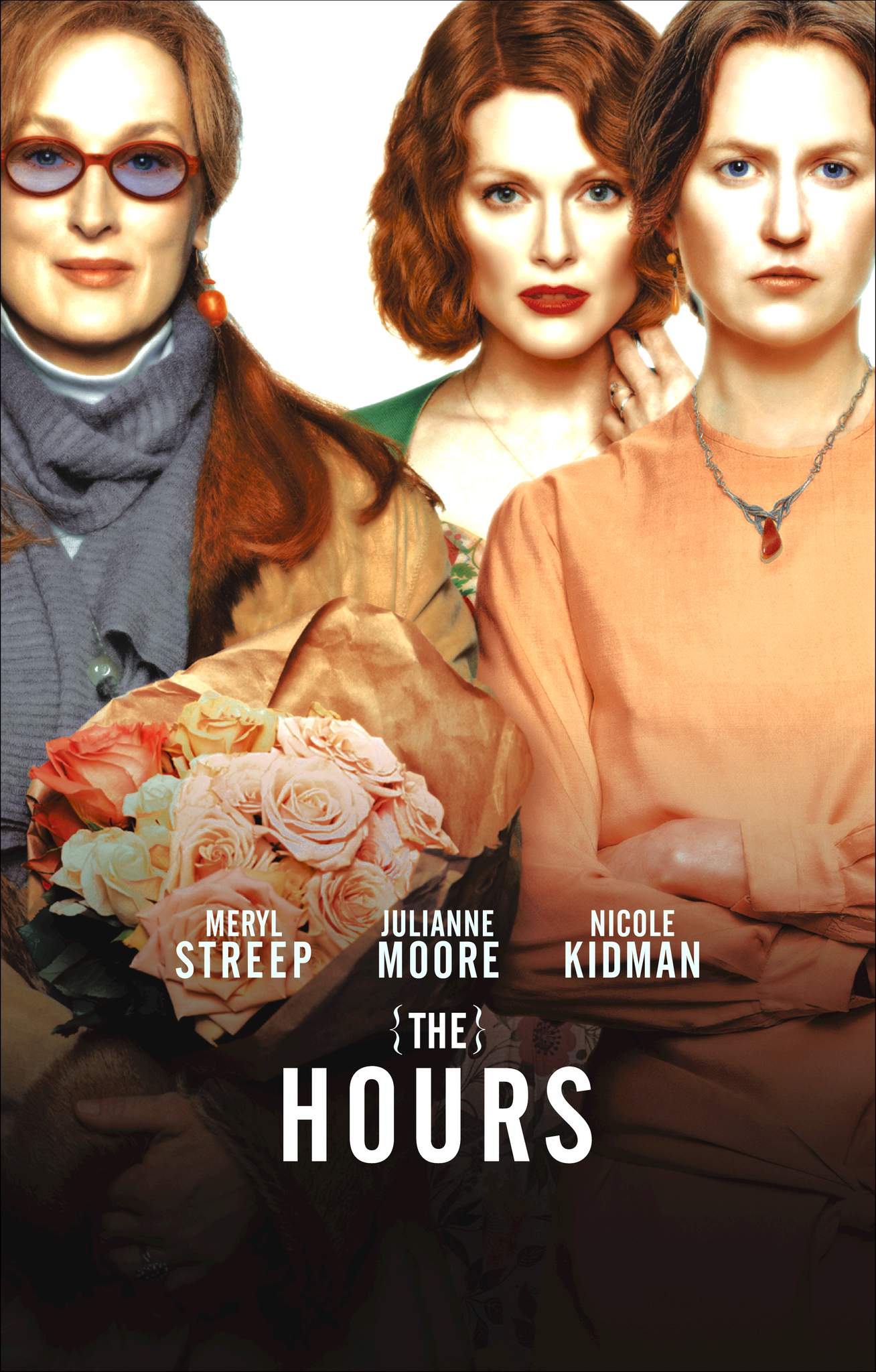
The Hours (2002) movie poster

Characters & Themes

The Hours (2002) Characters, Setting & Themes Explained

Release, runtime and language
2002 · 114 min · Spanish
JustWatch #5,097 70
Directed by
Stephen Daldry
Starring
Nicole Kidman, Julianne Moore, Meryl Streep
Budget
$25M

A sudden crisis forces Ema to confront difficult family relationships when an unexpected pregnancy coincides with her grandmother's failing health. She must re-evaluate her complicated bond with her mother and navigate the emotional turmoil of loss and new beginnings, ultimately seeking understanding and connection within her family.

On this page (9)
  1. 1 Where to watch
  2. 2 Characters explained (3)
  3. 3 Where & when it takes place
  4. 4 Themes & meaning (3)
  5. 5 Character & meaning questions
  6. 6 The book behind the movie
  7. 7 Movie threads
  8. 8 Movies like The Hours
  9. 9 Every angle

Where to watch

Where to Watch The Hours (2002)

Where can you watch The Hours? Stream, rent or buy it in the US, including on fuboTV, MGM Plus and Philo: current JustWatch availability with up-to-date prices.

Streaming availability powered by JustWatch

3 main characters · contains spoilers

The Hours Characters Explained: Who Is Who

The main characters of The Hours (2002), heroes and villains: what drives them, how they change over the course of the story and what each of them reveals about the film's bigger ideas.

  • Virginia Woolf (Nicole Kidman)

    Virginia Woolf is depicted as a brilliant yet tormented writer grappling with her mental illness. Her struggles with depression and the creative process highlight her fragility and strength. Woolf's character reflects the profound loneliness and anxiety that can accompany genius, making her both relatable and tragic.

    • ✍️ Writer
    • 😞 Depression
    • 🌹 Creativity
  • Laura Brown (Julianne Moore)

    Laura Brown is a complex character who embodies the challenges of motherhood and personal aspiration in the 1950s. Feeling trapped in her domestic life, Laura experiences a deep longing for independence. Her journey through depression and guilt highlights the societal pressures faced by women of her time.

    • 👩‍👧‍👦 Motherhood
    • 🏡 Suburban Life
    • 😔 Guilt
  • Clarissa Vaughan (Meryl Streep)

    Clarissa Vaughan is a modern woman juggling the roles of caretaker and friend amid personal struggles. She is deeply caring, particularly towards her dying friend Richard, revealing her compassionate nature. However, her own emotional conflicts and the complexities of her relationships illustrate the challenges of love in a contemporary context.

    • 💖 Caregiver
    • 🌆 Urban Life
    • 🌈 LGBTQ+ Identity

Last updated: January 10, 2025 at 12:47

Was this helpful?

Setting

Where and When Does The Hours Take Place?

The setting of The Hours (2002): the year and time period, the places and locations, and how they shape the characters, the mood and the tension of the story.

Time period

1940s, 1950s, 2001

The narrative spans across three significant decades, beginning in the early 1940s with Virginia Woolf's tragic struggles. It moves to the 1950s, capturing the societal norms and expectations of post-war America as experienced by Laura Brown. Finally, the story concludes in 2001, a time marked by a greater awareness of personal struggles and the complexities of love and loss.

Location

London, Los Angeles, New York

The film takes place in three distinct locations: Virginia Woolf's turbulent life unfolds in a peaceful village outside London, reflecting her struggles with mental health. Laura Brown's story is set in a wealthy suburb of Los Angeles, highlighting the pressures of domestic life in the 1950s. Meanwhile, Clarissa Vaughan navigates modern-day New York, where she balances caring for a sick friend and planning a party, embodying the complexities of contemporary urban life.

  • 🏙️ Cities
  • 🌳 Nature
  • 🎉 Celebrations

Last updated: January 10, 2025 at 12:47

Was this helpful?

3 major themes

The Hours Meaning: Themes & Message Explained

What is The Hours (2002) really about? The emotional, social and philosophical themes the film keeps returning to, its symbolism and the message beneath the surface.

  • Loss

    Loss permeates the lives of the characters, from Virginia's battle with her mental health to Laura's disconnection from her family. The theme is poignantly illustrated in Richard's tragic death, representing the ultimate loss for Clarissa. Each character navigates their grief in different ways, showcasing how loss can shape and scar lives.

  • Identity

    Identity plays a crucial role in the film as each character grapples with their sense of self amidst societal expectations. Virginia's creative struggles are deeply tied to her identity as a writer, while Laura's journey explores the conflict between her domestic role and personal fulfillment. Clarissa's identity is intertwined with her relationships, showcasing the complexities of love and friendship.

  • Suicide

    Suicide tragically underscores the narrative, particularly through Virginia Woolf's storyline. It reveals the profound impact of mental illness and the sometimes insurmountable struggles individuals face. Through the lens of different characters, the film examines how despair can lead to drastic choices, ultimately emphasizing the importance of connection and understanding in combating loneliness.

Last updated: January 10, 2025 at 12:47

Was this helpful?

Character & theme questions

The Hours Characters & Meaning: Your Questions Answered

The questions people ask about The Hours (2002): who the characters really are, their relationships, what the symbols mean, where it takes place and what the movie is really about. Each answer contains spoilers.

Q1

Where does The Hours take place?

The Hours takes place across three distinct locations: a peaceful village outside London where Virginia Woolf's story unfolds in the 1940s, a wealthy Los Angeles suburb in the 1950s for Laura Brown's narrative, and modern-day New York City in 2001 where Clarissa Vaughan navigates contemporary urban life. These three settings are connected thematically rather than literally, each reflecting different eras and societal pressures faced by the characters.

  • locations
  • settings
  • london
  • los angeles
  • new york
  • three stories
Q2

What time periods does The Hours cover?

The Hours spans three significant decades: the early 1940s featuring Virginia Woolf's tragic struggles, the 1950s depicting post-war American domestic life through Laura Brown, and 2001 showing contemporary urban existence with Clarissa Vaughan. The nonlinear structure moves between these time periods, connecting them through thematic parallels with Virginia Woolf's novel Mrs. Dalloway.

  • time period
  • 1940s
  • 1950s
  • 2001
  • decades
  • timeline
Q3

What is the main theme of The Hours?

The Hours explores several interconnected themes including loss, identity, and suicide. The film examines how women navigate feelings of entrapment, depression, and the desire for escape across different eras. Each character's journey reflects the universal struggles of finding meaning and connection while coping with mental illness and societal expectations.

  • themes
  • loss
  • identity
  • suicide
  • meaning
  • depression
Q4

How does The Hours explore loss?

Loss permeates every storyline in The Hours. Virginia Woolf battles her mental health and ultimately takes her own life, representing the ultimate personal loss. Laura Brown experiences disconnection from her family and struggles with feelings of guilt and inadequacy. Clarissa Vaughan faces the death of her friend Richard, embodying the grief of losing someone to illness. The film shows how loss shapes and scars each character differently.

  • loss
  • grief
  • death
  • mental illness
  • Virginia Woolf
  • Richard
Q5

How does The Hours address identity?

Identity is central to The Hours as each character grapples with their sense of self amid societal expectations. Virginia Woolf's creative struggles are deeply tied to her identity as a writer living with mental illness. Laura Brown explores the conflict between her domestic role as a mother and wife versus her personal desires for independence and fulfillment. Clarissa Vaughan's identity is interwoven with her relationships, particularly her role as caretaker for her dying friend.

  • identity
  • self
  • writer
  • domestic role
  • expectations
  • relationships
Q6

Why does The Hours include suicide?

The Hours directly addresses suicide through Virginia Woolf's storyline, depicting her tragic struggle with mental illness. The film uses this painful subject to explore the profound impact of depression and the sometimes insurmountable battles individuals face. Through the parallel stories of Laura and Clarissa, the movie examines how despair can lead to thoughts of escape, while ultimately emphasizing the importance of connection and understanding in combating loneliness.

  • suicide
  • mental illness
  • depression
  • Virginia Woolf
  • connection
Q7

Who is Virginia Woolf in The Hours?

Virginia Woolf is portrayed as a brilliant yet tormented writer in The Hours, based on the real historical figure. She grapples with severe mental illness, depression, and the creative pressures of writing. Her storyline depicts her final days before her suicide, exploring the profound loneliness and anxiety that can accompany genius. The film uses her novel Mrs. Dalloway as a thematic anchor connecting all three narratives.

  • Virginia Woolf
  • writer
  • mental illness
  • depression
  • Mrs. Dalloway
  • Nicole Kidman
Q8

Who is Laura Brown in The Hours?

Laura Brown is a 1950s housewife in suburban Los Angeles who feels trapped by domestic life and societal expectations placed on women of that era. She experiences depression and a deep longing for independence beyond her roles as mother and wife. Her storyline explores the conflict between fulfilling societal expectations and pursuing personal fulfillment, making her struggles feel remarkably modern despite the historical setting.

  • Laura Brown
  • 1950s
  • housewife
  • depression
  • independence
  • Julianne Moore
Q9

Who is Clarissa Vaughan in The Hours?

Clarissa Vaughan is a modern New York woman navigating the complexities of contemporary life in 2001. She juggles the roles of caretaker and friend to her dying friend Richard, revealing her compassionate nature. Like the other women in the film, she struggles with emotional conflicts and the challenges of maintaining relationships while dealing with loss and the weight of personal responsibilities.

  • Clarissa Vaughan
  • New York
  • caretaker
  • friend
  • Richard
  • Meryl Streep
Q10

How are the three women in The Hours connected?

The three women in The Hours, Virginia Woolf, Laura Brown, and Clarissa Vaughan, are connected thematically rather than literally across time. Each woman is adapting or reimagining Virginia Woolf's Mrs. Dalloway in their own era, dealing with similar feelings of entrapment, depression, and the desire for escape. Their parallel stories highlight how women across different decades face comparable struggles with identity, mental health, and societal expectations.

  • three women
  • connection
  • thematic
  • Mrs. Dalloway
  • parallel stories
  • decades
Q11

Why is the setting important in The Hours?

The three distinct settings in The Hours, the English countryside, 1950s Los Angeles suburb, and modern New York City, are crucial to understanding each woman's experience. Each location represents different societal pressures and freedoms: Virginia's rural seclusion reflects her mental illness, Laura's suburban life embodies post-war domestic expectations, and Clarissa's urban existence shows contemporary complexities. The settings amplify each character's internal struggle.

  • setting
  • location
  • societal pressures
  • environment
  • era differences
Q12

What does The Hours say about mental illness?

The Hours presents mental illness with unflinching honesty, showing how it affects women across different eras and circumstances. Virginia Woolf's battle with depression and ultimate suicide serves as the film's most direct exploration, but Laura Brown's depression and Clarissa's emotional struggles also reflect the theme. The film suggests that mental illness can make connection with others feel impossible, while also highlighting the importance of understanding and support from loved ones.

  • mental illness
  • depression
  • mental health
  • understanding
  • support
  • women

Movie threads

More Movies Like The Hours, by Mood & Story

Curated lists built around what makes The Hours tick: the same mood, the same kind of story or the same emotional payoff. Each list explains why these movies belong together.

Movies with interwoven timelines like The Hours

Structured stories where separate lives across time echo and intertwine. Explore movies like The Hours that connect separate stories across different time periods through shared themes of artistic creation, personal struggle, and legacy. These films use complex, non-linear structures to reveal how lives can mirror and influence each other, creating a rich, emotionally layered viewing experience.

  • nonlinear
  • contemplative
  • interconnected
  • melancholic
  • reflective
  • somber
  • Tone: melancholic, contemplative, reflective
  • Pacing: slow, deliberate
Why these movies?

The story pattern: Narratives in this thread typically follow multiple protagonists, each in their own distinct timeline, whose stories are thematically linked rather than causally connected. The plot unfolds through parallels, contrasts, and echoes between the eras, demanding audience engagement to piece together the overarching meaning.

Why they belong together: These films are grouped by their ambitious narrative architecture, which uses time as a thematic device rather than a simple linear progression. They share a focus on character depth, emotional resonance across generations, and a contemplative pace that allows the intricate connections to fully land.
Movies about melancholy and internal struggle like The Hours

Deeply introspective films about characters grappling with despair and repression. If you liked the heavy emotional weight and melancholic tone of The Hours, this list features similar dramas about characters confronting profound despair, mental illness, and repression. These films offer a slow, contemplative, and deeply affecting look at internal psychological battles.

  • melancholic
  • oppressive
  • despairing
  • contemplative
  • somber
  • psychological
  • Tone: melancholic, bleak, somber
  • Pacing: slow, contemplative
Why these movies?

The story pattern: The narrative journey in these films is primarily internal, following characters as they confront deep-seated pain, depression, or a sense of existential alienation. The conflict often stems from within or from oppressive social structures, leading to emotionally devastating, often tragic, conclusions that prioritize emotional truth over resolution.

Why they belong together: These movies are united by their unflinching commitment to exploring the darkest corners of human emotion. They share a melancholic tone, slow pacing to let emotions simmer, high emotional intensity, and a focus on themes that are psychologically heavy and often distressing.

If you liked this

Movies Like The Hours

Similar movies to The Hours: the same genre, themes or kind of story. Each one comes with its own plot summary, timeline and ending explained.

Browse all movie summaries

Every angle

The Hours (2002) Explained: Plot, Timeline & Characters

Everything about The Hours in one place: what happens in the plot summary, the timeline in chronological order, the characters and meaning and a spoiler-free summary. What's After the Movie adds the cast, box office and post-credit scenes.

Coming soon on iOS and Android

The Plot Explained Movie Summary App

Plot summaries, endings explained and timelines on your phone. Catch up on any movie in minutes, save your favorites and never miss a twist again.

Be the first to know when we launch. Your email stays private, always.

Learn more about the app