Plot Explained Spoilers guaranteed!
Plot Explained

Browse by genre

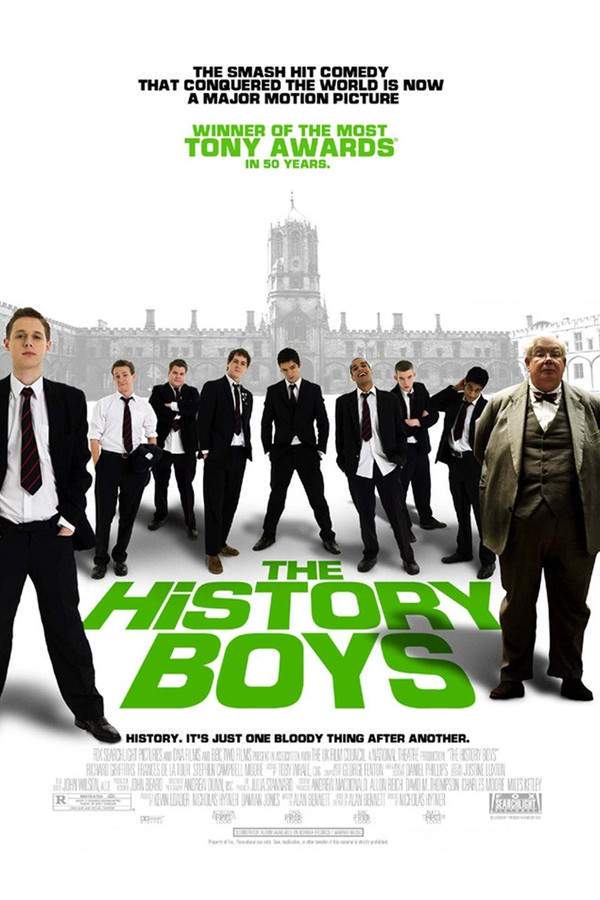
The History Boys (2006) movie poster

Plot Summary

The History Boys (2006) Plot Summary Explained

Release, runtime and language
2006 · 109 min · English
Loading streaming availability…
Directed by
Nicholas Hytner
Starring
Clive Merrison, Frances De La Tour, Richard Griffiths

A dedicated group of teachers at a distinguished British grammar school prepares a class of bright but unconventional students for Oxford and Cambridge University entrance exams. Combining rigorous academic study with provocative life lessons, the educators challenge the pupils to think critically and embrace a broader understanding of the world. The students’ pursuit of higher education is complicated by shifting school policies and the personal growth they experience along the way, leading to poignant and humorous moments.

On this page (7)
  1. 1 Where to watch
  2. 2 What happens: full plot
  3. 3 Plot questions answered
  4. 4 The book behind the movie
  5. 5 Movie threads
  6. 6 Movies like The History Boys
  7. 7 Every angle
Loading streaming availability…

Full plot summary · contains spoilers

What Happens in The History Boys: Full Plot Summary

The whole story of The History Boys (2006) explained, from the opening scene to the final frame: every key event, every twist and what it all adds up to. Read it as a quick recap before the sequel, to check a scene you missed, or to finally understand what really happened.

In a boys' grammar school set in Sheffield, 1983, students Crowther, Posner, Dakin, Timms, Akthar, Lockwood, Scripps, and Rudge are celebrating their record-breaking A-Level scores, fueling their aspirations to attend either Oxford or Cambridge. They are preparing for an important seventh-term entrance exam in History. The beloved General Studies teacher, affectionately known as Hector, works closely with Mrs. Lintott, the deputy head and their regular History teacher. The Headmaster, referred to as Felix, hires a new temporary teacher, Tom Irwin, who claims to have attended Jesus College, Oxford. However, during an interview, Dakin discovers that Irwin actually did not attend university there, only further deepening the intrigue surrounding his character.

As part of their unique General Studies curriculum, the boys enthusiastically participate in reenacting scenes from various romantic films and literature. Each class concludes with Hector offering a ride home to a student on his motorbike, which some rumors reveal may involve inappropriate touching, initially dismissed as mere gossip. Notably, Posner, a slight Jewish boy, harbors feelings for Dakin but is never chosen for the rides. Dakin, portraying an aspiring lecher, is entangled in a flirtation with the headmaster's secretary, Fiona, yet finds himself increasingly drawn to Irwin, leading to a complicated interplay of attraction and academia.

As their studies progress, Hector's indiscretions come to light, resulting in Felix's decision for him to "retire early." Despite this, all the boys secure places at prestigious institutions, with Posner earning a scholarship and Dakin attaining an exhibition, despite some ambiguity about their achievements. Upon receiving their results, Dakin confronts Irwin about his dishonesty regarding attending Oxford. In a surprising turn, Irwin admits his true educational background, which sets the stage for a more intimate invitation from Dakin for a drink, revealing his romantic intent towards Irwin—an invitation that leaves Irwin both confused and intrigued.

In a twist of fate, as the boys prepare to depart the school, Hector offers Dakin a nostalgic ride home on his motorcycle, only to be stopped by the Headmaster, who suggests that Hector should take Irwin instead. Dakin happily hands over the helmet, sealing a moment of anticipation that fades into white as they drive away, laughter and excitement accompanying them.

Tragically, an off-screen motorcycle accident claims Hector's life, with Irwin suffering a broken leg. Dakin reflects that Irwin, having never been a passenger on a bike, may have inadvertently contributed to the accident's dire consequences. The boys later honor Hector by singing "Bye Bye Blackbird" at his memorial, while Mrs. Lintott, observing the boys recount their futures, wonders about her own legacy. The film concludes with a poignant scene as Hector's voice encourages the boys to "pass it on," leaving viewers with a bittersweet message about mentoring and the passage of knowledge.
Last updated: November 15, 2024 at 19:03

Was this helpful?

Plot questions answered

The History Boys Plot Explained: Your Questions Answered

The questions people ask most about The History Boys (2006): what happens in the confusing scenes, why the characters do what they do, the twists, hidden details and what the ending means. Each answer contains spoilers.

Q1

Why does Hector have to retire early from the school?

Hector is forced to retire early because rumors about his inappropriate behavior during motorcycle rides with students have become undeniable. The Headmaster, Felix, cannot ignore the allegations any longer, though the film treats this discreetly and doesn't show explicit details. This marks a tragic turning point for the character who had been a beloved if unconventional teacher.

Foreshadowing: Earlier scenes show Hector's unusual practice of offering students rides home, with some rumors about inappropriate touching that are initially dismissed as gossip.

  • hector
  • retirement
  • school
  • inappropriate behavior
  • motorcycle rides
Q2

Why does Dakin confront Tom Irwin about his Oxford background?

After receiving their exam results, Dakin directly challenges Irwin about lying regarding his attendance at Jesus College, Oxford. Dakin had discovered earlier that Irwin never actually attended university there. This confrontation is significant because it exposes Irwin's dishonesty and marks a moment of moral clarity for Dakin, who has been questioning the authenticity of the adults guiding him.

Foreshadowing: Earlier in the film, Dakin uncovers during an interview that Irwin did not attend Jesus College, Oxford despite his claims.

  • dakin
  • tom irwin
  • oxford
  • confrontation
  • lies
Q3

Why does Dakin ask Irwin for a drink after confronting him?

After Dakin confronts Irwin about his educational lies, Dakin surprisingly asks Irwin for a drink, revealing his romantic interest in him. This invitation confuses and intrigues Irwin. The moment signals Dakin's emotional shift, his attraction to Irwin has been building throughout the film, and the confrontation seems to have intensified rather than diminished those feelings.

Foreshadowing: Throughout the film, Dakin shows increasing fascination with Irwin, distracted during lessons and drawn to his teaching style.

  • dakin
  • irwin
  • drink
  • romance
  • attraction
Q4

Why does the Headmaster suggest Hector take Irwin on the motorcycle instead of Dakin?

As the school year ends, Hector offers Dakin a nostalgic final ride home. However, the Headmaster Felix intervenes and suggests Hector should take Irwin instead. This seemingly odd suggestion creates tension and sets the stage for the tragic accident. The moment carries symbolic weight, Dakin relinquishes his place to the adult teacher, and this substitution proves fatal.

Foreshadowing: This moment reverses the earlier pattern where students were chosen for rides, creating dramatic irony about who will actually go.

  • headmaster
  • felix
  • hector
  • irwin
  • motorcycle
  • ride
Q5

How does Hector die in The History Boys?

Hector dies in an off-screen motorcycle accident. He takes Irwin as a passenger on his motorcycle, and the accident claims Hector's life while Irwin sustains a broken leg. Dakin reflects that Irwin, having never been a passenger on a motorcycle before, may have inadvertently contributed to the accident's severity, perhaps by not knowing how to properly lean or balance on a bike.

Foreshadowing: The Headmaster's strange suggestion that Hector take Irwin instead of Dakin creates the circumstances for this tragedy.

  • hector
  • death
  • accident
  • motorcycle
  • irwin
  • fatal
Q6

Why does Hector always offer students motorcycle rides?

Hector routinely offers students rides home on his motorcycle as part of his teaching approach, viewing it as an extension of his General Studies classes where students reenact romantic film and literature scenes. While initially presented as eccentricity, the rides later become associated with inappropriate conduct, leading to his forced retirement. Notably, Posner, who harbors romantic feelings for Dakin, is never chosen for these rides despite his small stature.

Foreshadowing: Rumors about inappropriate touching during rides circulate throughout the film but are initially dismissed.

  • hector
  • motorcycle rides
  • students
  • general studies
  • inappropriate
Q7

What happens to all the boys after they receive their exam results?

Despite the upheaval surrounding Hector's departure and the general chaos of the final term, all the boys ultimately secure places at prestigious institutions. Posner earns a scholarship, while Dakin attains an exhibition. Their academic success seems almost paradoxical given the disruptions, but it underscores the film's theme that education's value extends beyond the classroom.

Foreshadowing: The opening celebration of their record-breaking A-Level scores establishes their academic capability.

  • boys
  • university
  • oxford
  • cambridge
  • results
  • placements
  • posner
  • dakin
Q8

Why does Posner never get a motorcycle ride from Hector?

Posner, the slight Jewish boy who harbors unrequited romantic feelings for Dakin, is notably never chosen for Hector's motorcycle rides throughout the film. While the film doesn't explicitly explain Hector's selection process, it may reflect Hector's preferences or simply that there wasn't enough time. Posner's exclusion adds to his sense of being on the periphery of the school's social dynamics.

Foreshadowing: Posner's longing looks at Dakin and his position as an outsider run throughout the film.

  • posner
  • hector
  • motorcycle ride
  • excluded
  • outsider
Q9

What does 'pass it on' mean at the end of The History Boys?

The film ends with Hector's voice encouraging the boys to 'pass it on,' a statement that encapsulates the central theme of mentorship and the transmission of knowledge. It represents Hector's philosophy that education and life lessons should be shared with future generations. Despite his flaws and tragic end, his impact on the students endures through the knowledge and perspectives he instilled.

Foreshadowing: Hector's unique teaching methods, including the General Studies reenactments and motorcycle rides, were his way of passing on life experience beyond textbooks.

  • pass it on
  • hector
  • ending
  • theme
  • mentorship
  • legacy
Q10

Why does Mrs. Lintott wonder about her own legacy at the end?

At the memorial service and in the final scenes, Mrs. Lintott observes the boys discussing their futures and reflects on her own legacy as a teacher. Having been the steady, conventional History teacher contrasted with Hector's unorthodox methods, she wonders if her more traditional approach made a lasting impact. This moment underscores the film's exploration of what truly constitutes effective teaching and mentoring.

Foreshadowing: Throughout the film, Mrs. Lintott is present but often in Hector's shadow, representing a different approach to education.

  • mrs lintott
  • legacy
  • reflection
  • teaching
  • ending
  • headmaster

Movie threads

More Movies Like The History Boys, by Mood & Story

Curated lists built around what makes The History Boys tick: the same mood, the same kind of story or the same emotional payoff. Each list explains why these movies belong together.

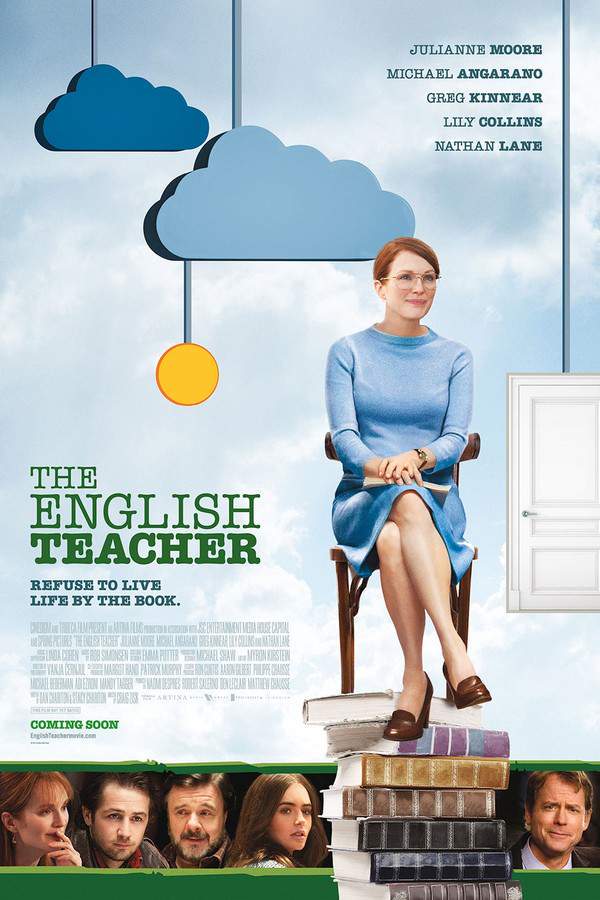
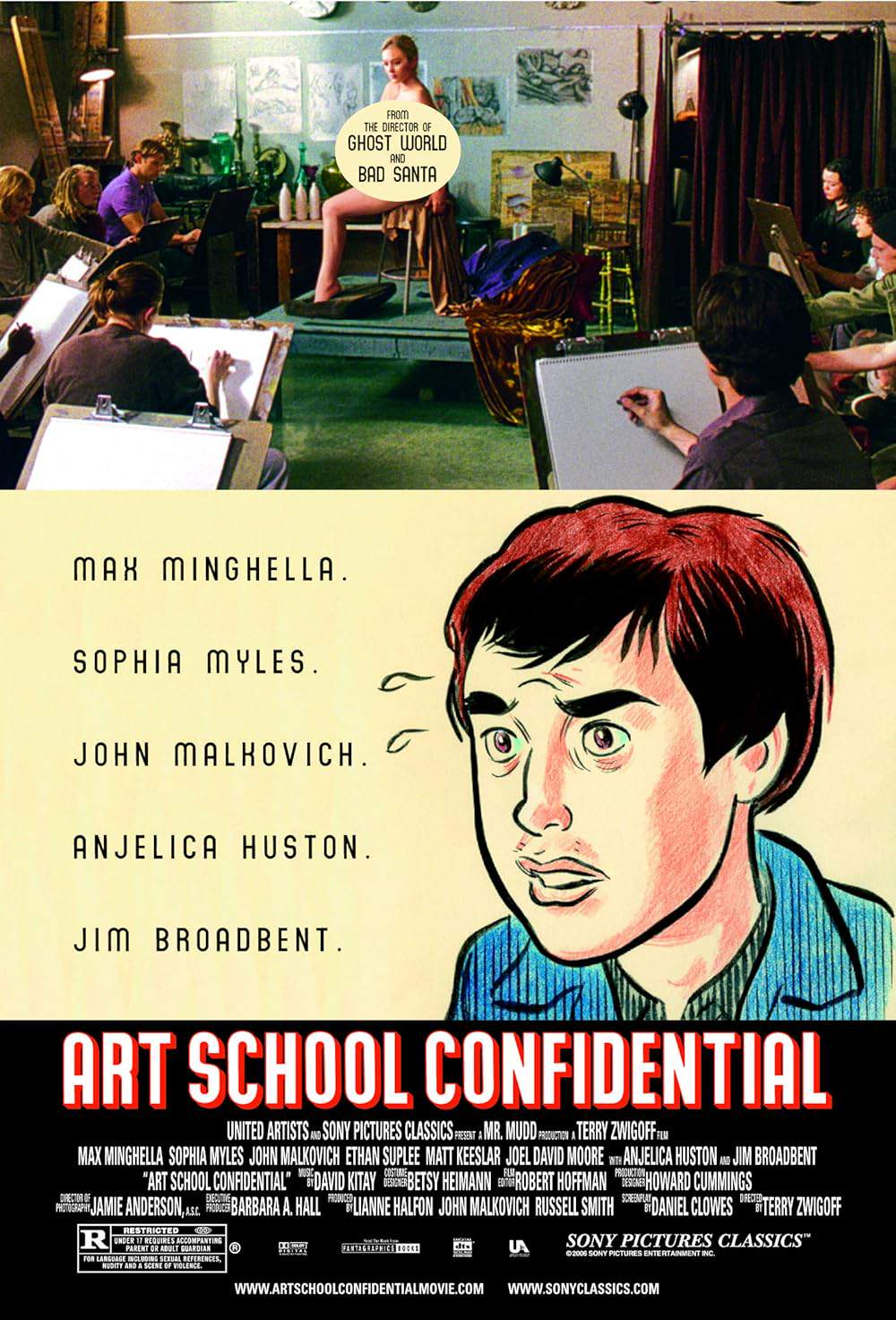
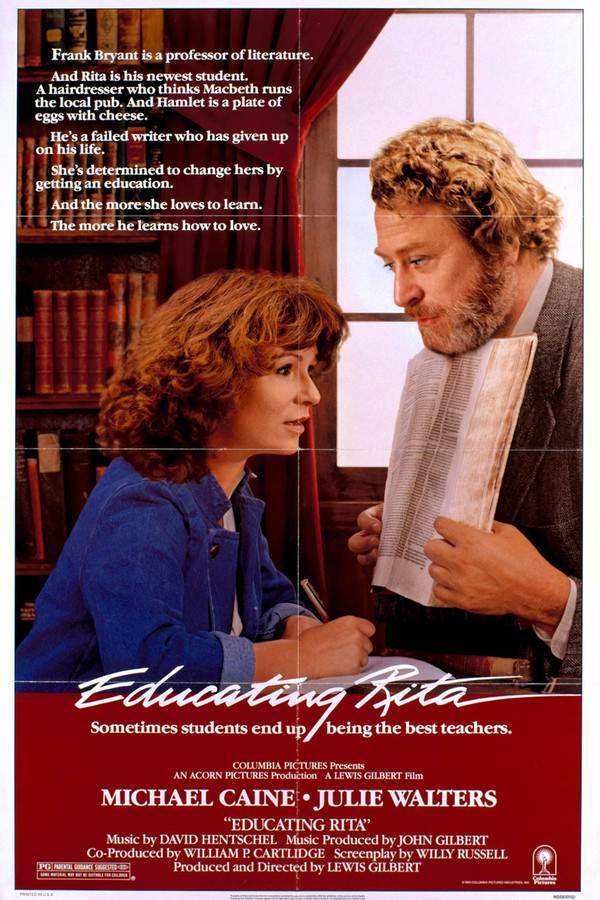
Movies about witty teachers and students like The History Boys

Stories of witty mentorship and the poignant impact of academic life. For viewers who enjoyed The History Boys, these movies feature similar stories of brilliant mentors and unconventional students. Discover other witty, intellectually-driven dramas that explore the bittersweet relationships formed within academic worlds.

  • intellectual
  • witty
  • poignant
  • nostalgic
  • melancholic
  • reflective
  • Tone: bittersweet, witty, reflective
  • Pacing: steady, character-driven
Why these movies?

The story pattern: Stories in this thread typically center on a dynamic between a charismatic, often flawed, mentor figure and a group of promising students. The plot unfolds through intellectual challenges and personal revelations, rather than major external events, culminating in an ending that acknowledges both the triumphs and the inevitable costs of growth and change.

Why they belong together: These films are grouped together by their shared focus on intellectualism as both a driving force and a backdrop for human drama. They blend sharp, witty dialogue with a reflective and often melancholic tone, creating a specific vibe of academic ambition mixed with poignant nostalgia.

Coming-of-age stories with complex mentors like The History Boys

Coming-of-age tales where unconventional guides shape young lives. If you liked the coming-of-age dynamics in The History Boys, you'll find similar movies here. These films explore the bittersweet relationships between students and their flawed but impactful teachers, capturing the humor and heartache of growing up.

  • coming of age
  • poignant
  • melancholic
  • witty
  • nostalgic
  • unconventional mentorship
  • Tone: bittersweet, poignant, humorous
  • Pacing: steady, reflective
Why these movies?

The story pattern: The narrative pattern follows a group of young protagonists navigating pivotal life changes, guided by adults who are themselves flawed and grappling with their own desires and regrets. The central conflict often arises from the tension between institutional expectations and personal discovery, leading to an ending that is both hopeful and tinged with loss.

Why they belong together: These movies share a specific emotional mix: the hopeful energy of youth is tempered by the melancholy wisdom of experience. They are united by a focus on the lasting, complicated impact of mentorship, the exploration of sexuality and identity, and a bittersweet acknowledgment that growth often involves parting ways with those who helped you grow.

If you liked this

Movies Like The History Boys

Similar movies to The History Boys: the same genre, themes or kind of story. Each one comes with its own plot summary, timeline and ending explained.

Browse all movie summaries

Every angle

The History Boys (2006) Explained: Plot, Timeline & Characters

Everything about The History Boys in one place: what happens in the plot summary, the timeline in chronological order, the characters and meaning and a spoiler-free summary. What's After the Movie adds the cast, box office and post-credit scenes.

Coming soon on iOS and Android

The Plot Explained Movie Summary App

Plot summaries, endings explained and timelines on your phone. Catch up on any movie in minutes, save your favorites and never miss a twist again.

Be the first to know when we launch. Your email stays private, always.

Learn more about the app