






Plot Explained Spoilers guaranteed!
Plot Explained

Browse by genre

The Hanging Garden (1997) movie poster

Timeline

The Hanging Garden (1997) Timeline Explained – Every Event in Order

Release, runtime and language
1997 · 91 mins · English
JustWatch #12,372 10
Directed by
Thom Fitzgerald
Starring
Sarah Polley, Kerry Fox, Peter MacNeill, Joel S. Keller, Martha Irving, Seana McKenna

After a decade away, William—once an overweight, troubled teenager—returns to the family house in search of home. He left without a word, now a fit, well‑adjusted gay man living in the city. The reunion forces the ghosts of his painful adolescence to surface, leaving him increasingly unhinged as old wounds color the present lives of his family.

On this page (7)
  1. 1 Where to watch
  2. 2 Events in order (12)
  3. 3 Timeline questions answered
  4. 4 Movie threads
  5. 5 Movies like The Hanging Garden
  6. 6 Categories
  7. 7 Every angle

Where to watch

Where to Watch The Hanging Garden (1997)

Where can you watch The Hanging Garden? Stream, rent or buy it in the US, including on fuboTV, MGM Plus and Philo: current JustWatch availability with up-to-date prices.

Streaming availability powered by JustWatch

12 events in order · contains spoilers

The Hanging Garden Timeline: Events in Chronological Order

Every key event of The Hanging Garden (1997) in order, scene by scene, with when and where it takes place. Use it to untangle flashbacks, time jumps and parallel storylines, to refresh your memory before the sequel or to find the exact scene you are thinking of.

  1. William returns home for Rosemary's wedding

    In present-day rural Nova Scotia, adult Sweet William returns to the family home to attend his sister Rosemary's wedding. The visit unsettles him as memories surface and the house feels inhabited by parts of his past. The setting hints at a merged reality where time overlaps between then and now.

    When
    Present day
    Where
    Rural Nova Scotia family home
  2. Younger selves linger in the house

    William discovers he can still see his younger selves roaming the hallways, as if his teenage years never completely left the home. The house becomes a stage where memory and reality collide, blurring boundaries between what happened and what could be remembered. This magical realism signals the film's non-linear approach to time.

    When
    Present day
    Where
    Family home, present day
  3. A new sister, Violet, emerges

    William encounters a new pre-teen sister, Violet, who was born after he left. Her existence adds a new layer to the family history and suggests time has layered itself within the house. The revelation deepens the sense that the past remains very much alive in the present.

    When
    Present day
    Where
    Family home, present day
  4. Teenage bond with Rosemary

    In the past segment, William's teenage years reveal a close bond with Rosemary. Their mother Iris struggles to shield her children from Whiskey Mac's abuse, creating a fragile family balance. The strong sibling connection becomes a counterpoint to the looming danger in their home.

    When
    Past (teenage years)
    Where
    Family home, Nova Scotia
  5. Iris protects her children

    Iris fights to protect William and Rosemary from Whiskey Mac's abusive behavior, balancing tenderness with fear. The mother's efforts underscore the precarious stability of the household and foreshadow the tragedy to come. The dynamics within the home reveal how love struggles to endure amid violence.

    When
    Past
    Where
    Family home, past
  6. Violet's origins are revealed

    The origins of Violet are explained: she is William's younger sister born after he left. This revelation reshapes the family history and adds emotional complexity to the present-day family dynamics. It demonstrates how time's revelations echo across generations.

    When
    Past
    Where
    Family home, past
  7. The fateful incident with Fletcher

    Grandmother catches William attempting to have sex with his bisexual friend Fletcher, outing him to the family. The discovery shatters his sense of belonging and triggers harsh rejection from Whiskey Mac and others. This moment becomes a decisive rupture that pushes William toward leaving home.

    When
    Past
    Where
    Family home, past
  8. Running away vs. suicide

    William faces a stark choice: run away to a distant city or take his own life by hanging from a tree in the family garden. The film frames both options as possible outcomes that mirror each other, highlighting the fragility of the family’s support system. The tension around this decision drives the narrative toward its tragic turning point.

    When
    Past
    Where
    Family garden, past
  9. William's suicide in the past

    The teenage William completes the act he considers the ultimate escape, hanging himself from the family garden tree. The tragedy marks the end of the past segment and casts a long shadow into the present. The garden becomes a permanent reminder of what was lost.

    When
    Past
    Where
    Family garden, past
  10. The living and the dead share the present

    Back in the present, both the living adult William and the dead teenage version inhabit the same merged reality. The dead boy's body remains visible, so the family cannot dismiss the impression as mere memory. The scene reinforces the film’s magical realism and the persistence of unresolved trauma.

    When
    Present
    Where
    Family home/garden, present day
  11. The wedding unfolds amid haunting truths

    As the wedding draws near, the family confronts whether William's return is a memory haunting them or a real, ongoing presence. The two-meaning interpretation echoes Fitzgerald's commentary on events having dual meanings. The ceremony becomes a stage for confronting painful history while staying connected to the living.

    When
    Present day
    Where
    Wedding venue, rural Nova Scotia
  12. Duality of life and death at the story's core

    The narrative culminates in the theme that seemingly divergent choices can lead to similar outcomes. Through magic realism, the film shows memories and present moments coexisting, leaving the audience with an unresolved sense of certainty. The final image lingers on the mingled paths of William’s life and death.

    When
    Present
    Where
    Present day

Last updated: October 05, 2025 at 11:21

Was this helpful?

Timeline questions answered

The Hanging Garden Timeline Explained: Your Questions Answered

When does it happen, and why in that order? The questions people ask about the chronology of The Hanging Garden (1997): time jumps, flashbacks, cause and effect between scenes and the correct order of events, each answered with spoilers.

Q1

Why did William leave his family home and not return for so long?

William left after a traumatic event in his teenage years. His grandmother caught him in a sexual encounter with his bisexual friend Fletcher, which revealed his sexuality to the family. This exposure, combined with the harsh rejection from his father Whiskey Mac and the overall toxic environment, caused him to flee. The film presents two possible outcomes: he either ran away to the city or committed suicide in the garden.

Foreshadowing: The tense family environment with abusive Whiskey Mac and Iris's desperate attempts to protect her children plant the seeds for William's departure.

  • leaving home
  • family rejection
  • sexuality
  • traumatic event
  • Fletcher
Q2

What happened with Fletcher that changed everything for William?

When William was a teenager, his grandmother Dusty Miller caught him in a sexual encounter with his bisexual friend Fletcher. This discovery outed William as gay to the dysfunctional family, triggering immediate rejection from his father and creating a rift that would shape the family's future. Fletcher himself becomes a catalyst whose fate remains entangled with the family's painful history.

Foreshadowing: The earlier scenes showing William and Fletcher's close friendship hint at a deeper connection that would later explode into crisis.

  • Fletcher
  • grandmother
  • exposure
  • sexuality
  • coming out
Q3

What does the hanging in the garden represent in the film?

The hanging in the family garden is the central traumatic event that defines the entire narrative. William contemplates two options: running away to a distant city or hanging himself from the tree as suicide. The film deliberately leaves ambiguous which path he actually took - whether he survived and returned decades later, or whether his current return is a fantasy created after he died as a teenager. The hanging figure remains visible in the present, reinforcing the unresolved trauma.

Foreshadowing: The garden itself appears repeatedly as a place of tension and danger throughout both past and present timelines.

  • suicide
  • garden
  • hanging
  • death
  • ambiguity
  • tree
Q4

Why can adult William still see his teenage self in the house?

The presence of William's younger self walking through the family home is part of the film's magic realist approach. Either William is mentally revisiting his past while alive, or - in the darker interpretation - he never actually left and his teenage self died in the garden, with the current adult William being a ghost or fantasy. The film merges timelines deliberately, making it unclear whether this is memory, haunting, or the same person existing in different time states.

Foreshadowing: The discovery of younger selves roaming the house foreshadows the revelation that something much more disturbing than simple memory is occurring.

  • teenage self
  • memory
  • magic realism
  • timeline
  • haunting
Q5

Who is Violet and why did William never meet her?

Violet is William's youngest sister, born after he left the family home. She is a pre-teen when the adult William returns for Rosemary's wedding. Her existence represents the time that has passed and the family changes that occurred during his absence. William has never met her because he fled the house as a teenager and didn't return for the wedding until decades later.

Foreshadowing: The timeline item mentioning Violet's origins in the past segment explains her sudden appearance in the present as a character William has never encountered.

  • Violet
  • sister
  • born after
  • family
  • missing time
Q6

What is Whiskey Mac's role in the family and why is he called that?

Whiskey Mac is William, Rosemary, and Violet's abusive father. His nickname suggests his alcoholic nature - he is a corrosive presence who embodies violence and instability within the household. His abuse creates the dangerous environment that Iris desperately tries to shield her children from. His harsh rejection of William upon learning about his sexuality is a key factor in driving William toward his crisis.

Foreshadowing: Iris's constant protection of the children and her fear of Whiskey Mac establish him as the primary threat throughout the past timeline.

  • father
  • Whiskey Mac
  • abuse
  • alcoholic
  • violence
  • family
Q7

Does William actually return home or is he dead the whole time?

The film presents two mutually exclusive interpretations that coexist throughout. In the first reading, William left as a teenager, survived, became a fit gay man in the city, and genuinely returns for Rosemary's wedding - his memories haunting the family as unresolved trauma. In the darker reading, William hanged himself in the garden as a teenager, and his entire adult return is a posthumous fantasy or afterlife experience. The film refuses to confirm which interpretation is true, maintaining deliberate ambiguity until the end.

Foreshadowing: The narrative structure itself, with its merged timelines and ghostly presences, plants the seeds for questioning what is real.

  • ending
  • interpretation
  • suicide
  • return
  • fantasy
  • reality
  • ambiguity
Q8

Why is Rosemary's wedding the catalyst for William's return?

Rosemary's wedding to Fletcher becomes the fulcrum that draws William back to the family home after a decade away. The wedding should be a joyful family event but instead becomes a doorway to the past. The fact that Rosemary is marrying Fletcher - the same friend whose encounter with William triggered the original family crisis - adds layers of complexity. The wedding represents both a chance for reconciliation and a forced confrontation with unresolved trauma.

Foreshadowing: The past segment's focus on William and Rosemary's close bond explains why his sister's wedding would be the event to bring him back.

  • wedding
  • Rosemary
  • Fletcher
  • return
  • family gathering
Q9

How does Iris try to protect her children from Whiskey Mac?

Iris, the mother, constantly struggles to shield William and Rosemary from their abusive father Whiskey Mac. She balances tenderness with fear, trying to maintain a fragile stability in a dangerous household. Her efforts represent the desperate love of a parent fighting to protect children in an toxic environment, though her protection ultimately fails to prevent the tragedy that unfolds with William.

Foreshadowing: Iris's protective behavior throughout the past timeline establishes her as a counterpoint to Whiskey Mac's violence and foreshadows her failure to save William.

  • Iris
  • mother
  • protection
  • abuse
  • Whiskey Mac
  • children
Q10

What is Dusty Miller's role in the family's breakdown?

Dusty Miller is William's grandmother who inadvertently triggers the family crisis when she catches William with Fletcher. Her discovery exposes William's sexuality to the family, setting off the chain of consequences that follow. While she may not have intended malicious harm, her intervention becomes the catalyst that shatters William's sense of belonging and pushes him toward his tragic choice.

Foreshadowing: Dusty Miller appears earlier in family scenes, establishing her as a figure of authority whose judgment carries weight.

  • grandmother
  • Dusty Miller
  • discovery
  • exposure
  • catalyst
Q11

How does the film's triptych structure work with past and present?

The film uses a three-part structure that moves between past and present timelines. The first panel shows adult William's return and discoveries. The second revisits his teenage years and the events leading to crisis. The third brings both timelines together in a merged reality. This structure invites viewers to compare different versions of events and consider how memory can reshape what happened, blurring the line between what is real and what is remembered.

Foreshadowing: The magical realism elements - like younger selves still present - establish early that time does not behave linearly in this story.

  • triptych
  • structure
  • timeline
  • magic realism
  • past
  • present
Q12

What do the two possible outcomes - running away versus suicide - mean thematically?

The film emphasizes how two very different paths can lead to surprisingly similar outcomes. Whether William ran away or killed himself, the result is a family haunted by trauma, a past that refuses to stay buried, and a return that is fundamentally about unresolved pain. Both options represent escape from an unbearable situation, and the film suggests that the difference between survival and death becomes less clear when both outcomes leave the same emotional devastation.

Foreshadowing: The mirroring of these two choices appears throughout the narrative, with garden imagery and hanging symbolism reinforcing their equivalence.

  • paths
  • endings
  • suicide
  • running away
  • theme
  • comparison
  • choice
Q13

Why can't the family move past what happened to William?

The family remains trapped by the unresolved trauma because they never properly addressed what happened. The father Whiskey Mac's rejection, the grandmother's accidental outing, and the lack of support for William's sexuality created wounds that festered. William's absence - whether through running away or death - means the family never reconciled. Their inability to see the hanging figure disappear suggests they have not processed their guilt and grief.

Foreshadowing: The persistent presence of the dead teenage William in the present demonstrates that the family has not been able to move forward.

  • family
  • trauma
  • guilt
  • moving on
  • unresolved
  • past
Q14

How does the film handle William's struggle with being gay in his family?

William's sexuality becomes the flashpoint that destroys his place in the family. The discovery by his grandmother outs him to a family that cannot accept him, particularly his violent father. The film shows how LGBTQ+ identity in a hostile environment leads to profound isolation. Whether William survives or dies, his sexuality is treated as the reason for his rejection, making the family dynamics around acceptance and rejection central to the tragedy.

Foreshadowing: William's close friendship with Fletcher and the secretive nature of their encounters hint at the danger of being openly gay in this household.

  • gay
  • sexuality
  • LGBTQ
  • identity
  • rejection
  • family
  • acceptance

Movie threads

More Movies Like The Hanging Garden, by Mood & Story

Curated lists built around what makes The Hanging Garden tick: the same mood, the same kind of story or the same emotional payoff. Each list explains why these movies belong together.

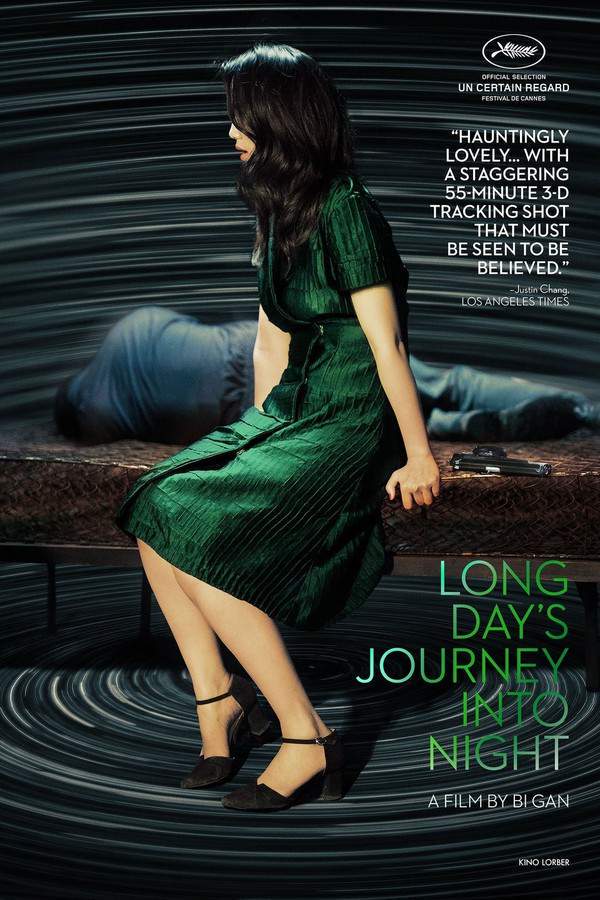
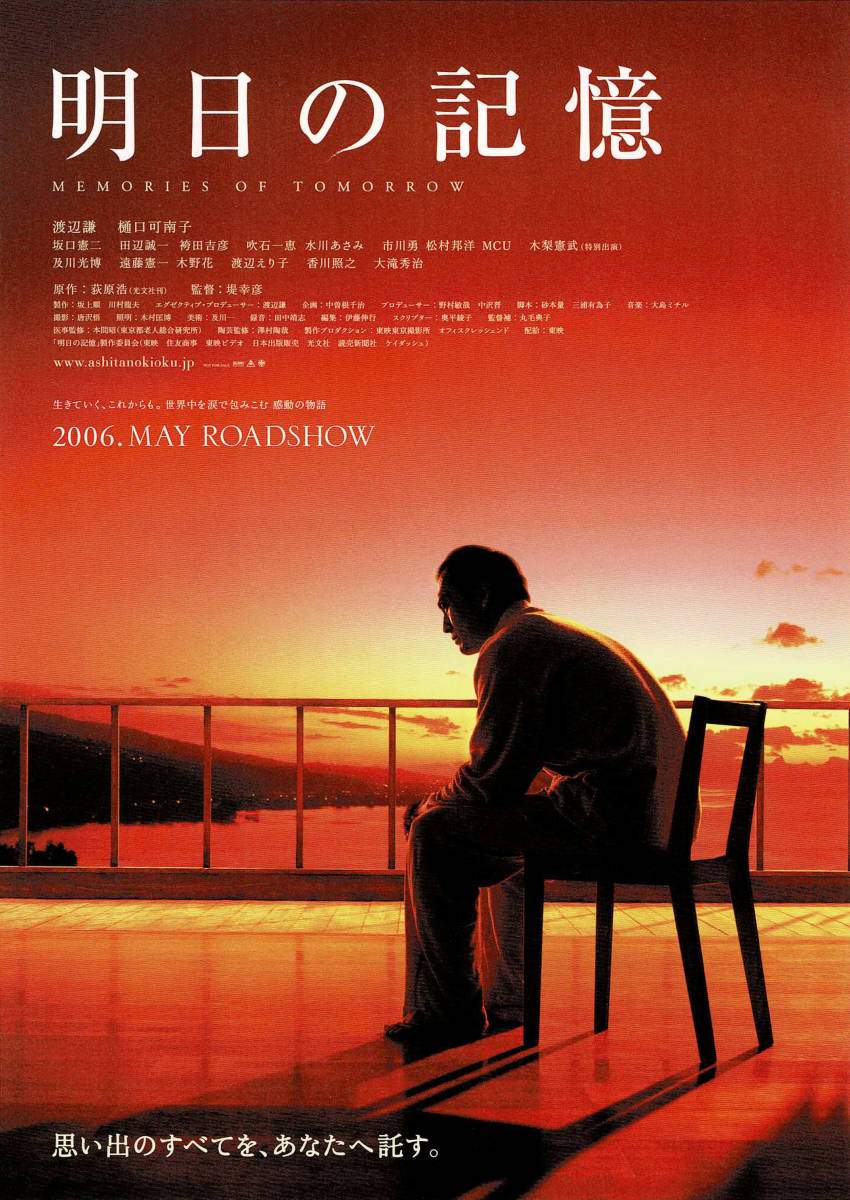
Movies where memory is a haunting presence like The Hanging Garden

Stories where the unresolved past bleeds into the present as a spectral force. If you were captivated by the spectral weight of the past in The Hanging Garden, explore these movies where unresolved memories and trauma actively haunt the present. These films share a melancholic, reflective mood, often using nonlinear structures to immerse viewers in a character's psychological landscape.

  • haunting
  • melancholic
  • dreamlike
  • reflective
  • unsettling
  • atmospheric
  • Tone: melancholic, haunting, reflective
  • Pacing: slow, contemplative
Why these movies?

The story pattern: These narratives often unfold nonlinearly, interweaving past and present to show how formative traumas continue to exert influence. The central conflict is internal, as characters journey through a landscape of memory, often with an ambiguous sense of whether they are remembering, reliving, or being consumed by the past.

Why they belong together: They are grouped for their shared focus on the psychological impact of memory, their melancholic and somber tone, and their use of dreamlike or magical realist techniques to represent the intangible nature of trauma.
Dysfunctional family reunion stories similar to The Hanging Garden

Unsettling returns to corrosive family homes force long-buried secrets into the light. For viewers who appreciated the raw exploration of a toxic family in The Hanging Garden, this list features movies about difficult homecomings. These dramas delve into generational trauma, abuse, and identity struggles within a family setting, often with a heavy emotional weight and ambiguous resolutions.

  • oppressive
  • somber
  • unsettling
  • claustrophobic
  • heavy
  • dramatic
  • Tone: somber, oppressive, unsettling
  • Pacing: slow, deliberate
Why these movies?

The story pattern: The narrative pattern follows a prodigal son or daughter's return, which acts as a catalyst for crisis. Secrets are revealed, old wounds are reopened, and the protagonist must navigate the oppressive dynamics of their childhood home, often leading to a psychological unravelling and an ambiguous reckoning with the truth.

Why they belong together: These films share a core plot structure of a fraught homecoming, a deeply somber and oppressive mood, and a thematic focus on the lingering effects of childhood trauma, abuse, and dysfunctional family bonds.

If you liked this

Movies Like The Hanging Garden

Similar movies to The Hanging Garden: the same genre, themes or kind of story. Each one comes with its own plot summary, timeline and ending explained.

Browse all movie summaries

Categories

Movie Lists Featuring The Hanging Garden

The Hanging Garden appears in these hand-built movie categories. Each one groups movies by a specific mood, theme or story type, with their plot summaries and endings explained.

View all movie categories

Every angle

The Hanging Garden (1997) Explained: Plot, Timeline & Characters

Everything about The Hanging Garden in one place: what happens in the plot summary, the timeline in chronological order, the characters and meaning and a spoiler-free summary. What's After the Movie adds the cast, box office and post-credit scenes.

Coming soon on iOS and Android

The Plot Explained Movie Summary App

Plot summaries, endings explained and timelines on your phone. Catch up on any movie in minutes, save your favorites and never miss a twist again.

Be the first to know when we launch. Your email stays private, always.

Learn more about the app