












Plot Explained Spoilers guaranteed!
Plot Explained

Browse by genre

The Grapes of Death (1978) movie poster

Characters & Themes

The Grapes of Death (1978) Characters, Setting & Themes Explained

Release, runtime and language
1978 · 91 mins · French
JustWatch #9,549
Starring
Serge Marquand, Jean Rollin, Jean-Pierre Bouyxou, Brigitte Lahaie, Patrice Valota, Patricia Cartier

When the wine flows, the terror begins… A young woman discovers that the pesticide being sprayed on vineyards is turning people into murderous lunatics.

On this page (8)
  1. 1 Where to watch
  2. 2 Characters explained (13)
  3. 3 Where & when it takes place
  4. 4 Themes & meaning (3)
  5. 5 Character & meaning questions
  6. 6 Movie threads
  7. 7 Movies like The Grapes of Death
  8. 8 Every angle

Where to watch

Where to Watch The Grapes of Death (1978)

Where can you watch The Grapes of Death? Stream, rent or buy it in the US, including on AMC+, Philo and Shudder: current JustWatch availability with up-to-date prices.

Streaming availability powered by JustWatch

13 main characters · contains spoilers

The Grapes of Death Characters Explained: Who Is Who

The main characters of The Grapes of Death (1978), heroes and villains: what drives them, how they change over the course of the story and what each of them reveals about the film's bigger ideas.

  • Élizabeth (Marie-Georges Pascal)

    Elizabeth is a resourceful, frightened protagonist who travels toward a new life with Michel. She improvises to survive a spreading contagion, confronts infected individuals, and learns the truth behind the outbreak’s origins. Her choices drive the film’s tension and its moral reckoning.

    • 🧭 Protagonist
    • 🧠 Quick-thinking
    • 💪 Resilient
  • Pierre (Patrice Valota)

    Pierre is a village farmer whose arms become infected, revealing the outbreak’s reach beyond the initial targets. His transformation culminates in a brutal confrontation that exposes the collapse of family bonds under stress. His actions propel the narrative toward the vineyard and beyond.

    • 🧟 Infected
    • ⚔️ Antagonist
    • 😨 Violent
  • Antoinette (Patricia Cartier)

    Antoinette is Pierre’s daughter who seeks safety with Elizabeth but is killed as the infection spreads. Her presence underscores the human cost and fragility of innocence amid the outbreak.

    • 👧 Innocent
    • 💔 Tragic
    • 🕊️ Victim
  • Paul (Félix Marten)

    Paul is a companion who helps combat the infected but is forced into a grim turn as the situation worsens. He shoots Michel to stop him from harming others, and Elizabeth later shoots Paul as the infection overtakes him.

    • 🗡️ Survivor
    • 🤝 Ally
    • 😵 Tragic
  • Lucien (Serge Marquand)

    Lucien is a wary ally who travels with Elizabeth and Paul but is ultimately killed by Elizabeth as danger closes in. His presence reflects the ambiguous loyalties that arise in crisis.

    • 🧭 Ally
    • ⚔️ Conflict
    • 🧟 Infected
  • Lucas (Paul Bisciglia)

    Lucas is the caregiver to Lucie and becomes infected, contributing to the village’s chaos. His actions intensify the sense of outbreak spiraling beyond control.

    • 🧬 Infected
    • ⚰️ Tragic
    • 🧑‍🍼 Caregiver
  • Lucie (Mirella Rancelot)

    Lucie is a blind girl searching for her caregiver amid the turmoil. Her fragile, vulnerable state highlights the human cost of the spread and the risk faced by innocents.

    • 🧒 Innocent
    • 🧭 Vulnerable
    • 🧟 Infected encounter
  • The winemaker (Jean Rollin)

    Owner of the Roublès vineyard, he uses illegal labor and a pesticide that taints the wine, igniting the outbreak. He embodies corporate greed and the devastating consequences of neglecting safety.

    • 👔 Boss
    • 🧪 Responsible
    • 🧾 Corrupt
  • Brigitte Lahaie as The tall blonde woman

    A tall blonde woman who helps Elizabeth at moments of danger, representing a fleeting ally in a world turning violently unstable.

    • 🦸‍♀️ Rescuer
    • 🧬 Infected presence
    • 🕊️ Ambiguous
  • Brigitte (Evelyne Thomas)

    Another woman named Brigitte encountered early on, whose role underscores the fear and confusion of the outbreak.

    • 🧩 Mysterious
    • 🧟 Infected subtext
    • 🕊️ Ambiguity
  • The man on the train (François Pascal)

    A passenger on the train who becomes an infected figure, illustrating the outbreak’s spread into public spaces and the sudden danger faced by travelers.

    • 🛤️ Passenger
    • 🧟 Infected
    • 🚂 Early threat
  • The undead with the scythe (Jean-Pierre Bouyxou)

    A nightmarish infected figure who embodies the horror of the outbreak and the loss of humanity as the disease spreads.

    • 🗡️ Monster
    • 🧟 Infected
    • 💀 Grim
  • The undead who smashes his skull (Olivier Rollin)

    An especially grotesque infected person who violently destroys his own skull, intensifying the film’s horror and the bodily absurdity of the infection.

    • 💥 Grotesque
    • 🧟 Infected
    • 🩸 Horror

Last updated: May 05, 2026 at 10:07

Was this helpful?

Setting

Where and When Does The Grapes of Death Take Place?

The setting of The Grapes of Death (1978): the year and time period, the places and locations, and how they shape the characters, the mood and the tension of the story.

Time period

Location

Roublès winemaking vineyard, Roublès village, train compartments

The story centers on the Roublès vineyard and its surrounding rural area, where pesticide use and wine production become the backdrop for a cascading outbreak. The vineyard is a working estate tied to the region’s economy and social fabric, while neighboring villages and trains carry the peril outward. The setting blends agricultural labor with a growing sense of isolation as infection spreads through the community. The environment shifts from scenic wine country to a perilous landscape of fear and collapse.

  • 🌄 Rural setting
  • 🏞️ Vineyard environment
  • 🏘 Village life

Last updated: May 05, 2026 at 10:07

Was this helpful?

3 major themes

The Grapes of Death Meaning: Themes & Message Explained

What is The Grapes of Death (1978) really about? The emotional, social and philosophical themes the film keeps returning to, its symbolism and the message beneath the surface.

  • Infection

    An outbreak spreads rapidly after pesticide-associated tainting of wine, turning people into aggressive, infected hosts. The presence of the disease disrupts daily life and triggers a desperate scramble for safety. Elizabeth’s journey mirrors the collapse of social order as towns, trains, and farms become dangerous. The film uses the outbreak to critique industrial practices and their human costs.

  • Toxins & Guilt

    The pesticide Michel creates and the tainted wine act as the outbreak’schemical catalyst, revealing the consequences of reckless experimentation. The story highlights exploitation and illegal labor practices that enable profit at the expense of public safety. As the truth emerges, characters confront the moral blame tied to corporate decisions. The ruin of the countryside becomes a direct indictment of those responsible.

  • Survival

    Survival depends on quick thinking, courage, and makeshift alliances amid a landscape of infection and violence. Elizabeth and a small group navigate collapsing towns, dangerous encounters, and shifting loyalties. The rural setting provides a maze of danger—fields, villages, and vehicles—that tests human resilience. The climax binds personal endurance to accountability for the outbreak’s origins.

Last updated: May 05, 2026 at 10:07

Was this helpful?

Character & theme questions

The Grapes of Death Characters & Meaning: Your Questions Answered

The questions people ask about The Grapes of Death (1978): who the characters really are, their relationships, what the symbols mean, where it takes place and what the movie is really about. Each answer contains spoilers.

Q1

Where is the story set?

The film takes place in the Roublès vineyard region, a rural winemaking area in France. The story unfolds across the vineyard estate itself, surrounding villages, and includes scenes aboard trains as the outbreak spreads outward. The setting blends scenic wine country with increasingly dangerous environments as the contamination spreads.

  • roublès vineyard
  • wine country
  • rural france
  • setting
  • village
Q2

What kind of environment does the film portray?

The movie is set in a working vineyard and its surrounding rural landscape. The Roublès vineyard is depicted as an agricultural estate tied to the region's economy, with neighboring villages and farmland completing the isolated, countryside environment. The setting shifts from picturesque wine production to a perilous landscape of fear and social collapse as the infection spreads.

  • vineyard
  • countryside
  • rural setting
  • wine estate
  • farm
Q3

What do the vineyard scenes represent in the film?

The Roublès vineyard represents both the romantic ideal of French winemaking and its darker underbelly of exploitation. The vineyard is shown as a place of agricultural labor where illegal practices and dangerous experimentation occur. As the outbreak begins at the vineyard and spreads outward, it becomes a symbol of how industrial greed contaminates and destroys the pastoral world.

  • vineyard symbolism
  • wine making
  • industrial exploitation
  • countryside destruction
Q4

When is the movie set?

The film does not specify an explicit time period, but the setting suggests a contemporary era with trains, automobiles, and modern agricultural practices. The lack of a specific date keeps the story somewhat timeless while portraying a rural European setting with traditional winemaking alongside modern pesticides and farming methods.

  • time period
  • era
  • contemporary
  • rural europe
Q5

What are the main themes in The Grapes of Death?

The film explores three primary themes: infection and societal collapse, toxins and corporate guilt, and survival amid chaos. The outbreak serves as a metaphor for how industrial negligence destroys communities. The pesticide created by the winemaker represents the deadly consequences of prioritizing profit over safety. Finally, the story follows Elizabeth's desperate survival through a world where trust collapses and anyone can become a threat.

  • themes
  • infection
  • toxins
  • survival
  • corporate guilt
  • societal collapse
Q6

What does the film say about industrial practices?

The movie is a critique of reckless industrial experimentation and exploitation. The winemaker at Roublès uses illegal labor and a dangerous pesticide that taints the wine, causing the outbreak. This represents how corporate decisions to cut costs and maximize profit directly harm public safety. The film indicts those who ruin the countryside and endanger lives for financial gain.

  • industrial criticism
  • pesticide
  • corporate greed
  • exploitation
  • wine industry
Q7

Who is the main character Elizabeth?

Elizabeth is the protagonist, a young woman traveling toward a new life with her companion Michel. She is portrayed as resourceful but frightened, forced to improvise survival tactics as the contagion spreads. Her journey becomes a desperate flight through infected towns, trains, and farms. Her choices drive the film's tension and moral reckoning as she confronts the source of the outbreak.

  • elizabeth
  • protagonist
  • main character
  • marie-georges pascal
Q8

Who is the winemaker at the Roublès vineyard?

The winemaker is the owner of the Roublès vineyard, played by Jean Rollin. He is responsible for using illegal labor and a dangerous pesticide that contaminates the wine, directly causing the outbreak. He embodies corporate greed and the devastating consequences of neglecting safety for profit. His decisions set the chain of events in motion that destroys the surrounding community.

  • winemaker
  • vineyard owner
  • jean rollin
  • roublès
  • pesticide creator
Q9

Who is Lucie and what role does she play?

Lucie is a blind girl who becomes lost searching for her caregiver Lucas during the outbreak. Her vulnerable state, blind and alone in a world descending into violence, highlights the human cost of the spread and the extreme risk faced by innocents. She represents the fragility of those who cannot protect themselves in a collapsing society.

  • lucie
  • blind girl
  • vulnerability
  • innocence
  • victim
Q10

What does the infection represent symbolically?

The infection serves as both a literal biological threat and a metaphor for societal breakdown. The disease spreads through wine, a seemingly wholesome product, turning ordinary people into violent attackers. This reflects anxieties about contamination, trust, and the fragility of social order. The rapid spread from the vineyard to villages and trains shows how quickly civilization can collapse when a single corrupt act contaminates the community.

  • infection metaphor
  • societal collapse
  • contamination
  • horror symbolism
  • wine as载体
Q11

What type of movie is The Grapes of Death?

The Grapes of Death is a French horror film blending multiple sub-genres including survival horror, body horror, and gothic horror. The film is known for its graphic violence and unsettling imagery, particularly the transformed infected individuals. The tone is dark and unrelenting, with no humor or romance to provide relief, only escalating tension and pervasive dread throughout the protagonist's doomed journey.

  • horror film
  • french horror
  • body horror
  • survival horror
  • genre
Q12

How would you describe the film's tone?

The film has an unambiguously dark tone focused on body horror, infection, and the breakdown of social order. The intensity remains high throughout, with the protagonist facing constant threat and violent encounters. The emotional weight is heavy, derived from graphic violence, the protagonist's isolation, and a bleak ending where the outbreak continues unabated. There is no humor or romance, only relentless tension and pervasive sadness.

  • tone
  • mood
  • dark horror
  • body horror
  • bleak ending
  • intensity

Movie threads

More Movies Like The Grapes of Death, by Mood & Story

Curated lists built around what makes The Grapes of Death tick: the same mood, the same kind of story or the same emotional payoff. Each list explains why these movies belong together.

Rural Outbreak Horror Movies like The Grapes of Death

Isolated communities consumed by a terrifying and inexplicable infection. If you liked The Grapes of Death, explore more movies about terrifying infections spreading through isolated communities. These films feature desperate survival, gruesome body horror, and the breakdown of society in rural settings, creating a uniquely oppressive and anxious atmosphere.

  • desperate
  • gruesome
  • paranoid
  • oppressive
  • gory
  • nightmarish
  • Tone: dark, desperate, bleak
  • Pacing: fast, relentless
Why these movies?

The story pattern: These narratives typically follow a linear, survival-focused plot where a protagonist or small group discovers a horrifying threat—a virus, parasite, or contamination—that is transforming the local population into murderous beings. The story is a frantic flight from one perilous encounter to the next, with escalating violence and a growing sense of hopelessness as the scale of the outbreak becomes clear.

Why they belong together: They are grouped by their shared setting of rural isolation, a fast-paced plot centered on a horrific outbreak, and a consistently dark, gruesome tone. The experience is defined by high-intensity scares, heavy emotional weight from the pervasive violence, and a bleak worldview where safety is an illusion.
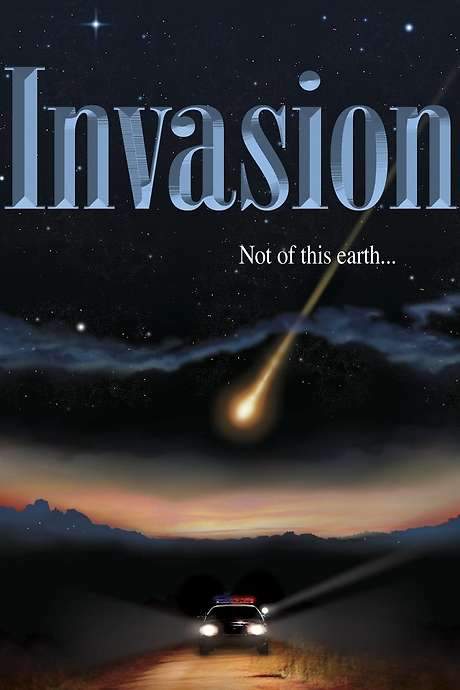
Graphic Body Horror Movies like The Grapes of Death

Graphic, visceral tales where the human form is monstrously transformed. Fans of The Grapes of Death's gruesome and gory horror will find more to love here. This list features movies with intense, practical effects-driven body horror, graphic violence, and a focus on the monstrous transformation of the human form, delivering a relentlessly disturbing experience.

  • gory
  • gruesome
  • disturbing
  • visceral
  • nightmarish
  • brutal
  • Tone: dark, gruesome, disturbing
  • Pacing: fast, relentless
Why these movies?

The story pattern: The narrative often serves as a simple framework to deliver a series of escalating, inventive, and deeply unsettling bodily violations. The plot is straightforward, propelling characters from one horrific set-piece to the next. The emotional journey is one of revulsion, shock, and primal fear, with thematic undertones of contamination, loss of identity, and societal decay.

Why they belong together: They are united by a primary focus on depicting graphic body horror and extreme violence as a central feature of the viewing experience. They share a high intensity level, a dark and bleak tone, and a heavy emotional weight derived from their disturbing and visceral content. The pacing is typically fast, ensuring a constant, oppressive sense of dread.

If you liked this

Movies Like The Grapes of Death

Similar movies to The Grapes of Death: the same genre, themes or kind of story. Each one comes with its own plot summary, timeline and ending explained.

Browse all movie summaries

Every angle

The Grapes of Death (1978) Explained: Plot, Timeline & Characters

Everything about The Grapes of Death in one place: what happens in the plot summary, the timeline in chronological order, the characters and meaning and a spoiler-free summary. What's After the Movie adds the cast, box office and post-credit scenes.

Coming soon on iOS and Android

The Plot Explained Movie Summary App

Plot summaries, endings explained and timelines on your phone. Catch up on any movie in minutes, save your favorites and never miss a twist again.

Be the first to know when we launch. Your email stays private, always.

Learn more about the app