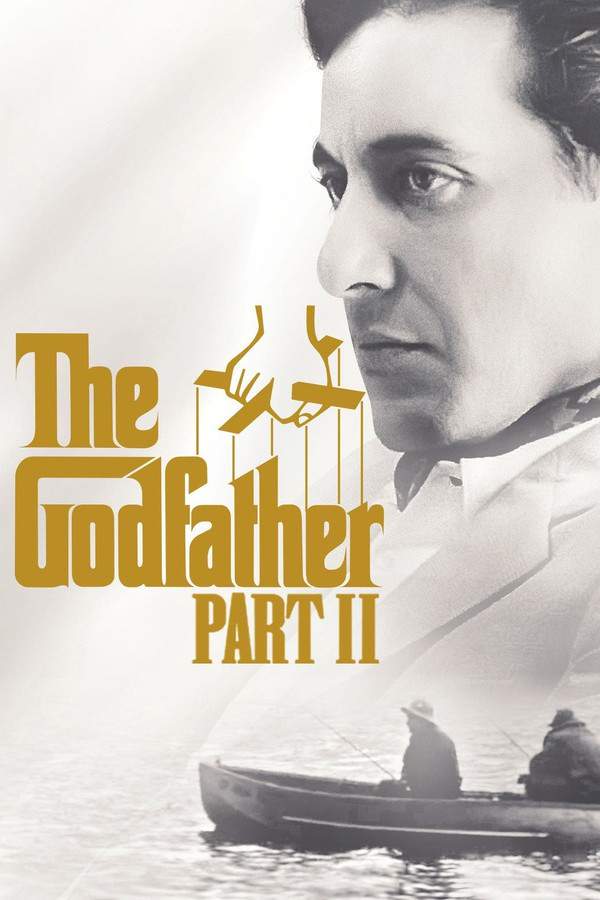
Michael Corleone struggles to maintain power and legitimacy for his family in 1958, facing challenges from rivals and internal conflicts. The film also explores his father Vito's journey as a young immigrant in New York City, depicting his rise from poverty to prominence in the criminal underworld during 1917. These interwoven narratives reveal the origins of the Corleone empire and the sacrifices made to secure its future, examining themes of family, loyalty, and the corrupting influence of power.
Find where to stream, rent, or buy The Godfather: Part II (1974) in the US with current JustWatch availability, up-to-date pricing, and platform listings for subscription, rental, and digital purchase options.
Warning: spoilers below!
Haven’t seen The Godfather: Part II yet? This summary contains major spoilers. Bookmark the page, watch the movie, and come back for the full breakdown. If you're ready, scroll on and relive the story!
Trace every key event in The Godfather: Part II (1974) with our detailed, chronological timeline. Perfect for unpacking nonlinear stories, spotting hidden connections, and understanding how each scene builds toward the film’s climax. Whether you're revisiting or decoding for the first time, this timeline gives you the full picture.
Last updated: November 22, 2024 at 19:09
Find frequently asked questions about the The Godfather: Part II (1974) timeline, including chronological order, nonlinear jumps, cause-and-effect links, and scene sequence clarifications. This timeline FAQ helps explain when key events happen, how moments connect, and why the story unfolds in that specific order.
Vito witnesses Don Ciccio's men murder his father Antonio for refusing to pay tribute. Knowing Ciccio will likely kill him next to eliminate the family line, the nine-year-old Vito escapes by boat to New York, where he adopts the surname Corleone from his hometown to hide his identity and survive.
After losing his grocery store job to Black Hand extortionist Don Fanucci, Vito receives firearms from mobster Peter Clemenza as thanks for hiding him. Vito then participates in a rug heist with Clemenza and Tessio, marking his unofficial entry into crime. When Fanucci demands $600 to stop threatening their door-to-door stolen goods operation, Vito sees an opportunity to rise.
Earlier scenes show Vito struggling to provide for his family, establishing why criminal opportunity appeals to him.
Vito kills Fanucci during San Rocco festival celebrations to eliminate the extortionist threatening his family and business. By refusing to pay the $600 demand and confronting Fanucci at his home, Vito establishes himself as a powerful alternative to Fanucci. He takes $100 from Fanucci's wallet and disposes of the gun, cementing his reputation and keeping his family safe from blackmail.
Vito's earlier line about making Fanucci 'an offer he can't refuse' foreshadows this violent confrontation.
In 1922, Vito returns under the guise of starting an olive oil business but actually seeks revenge against Don Ciccio, the man who ordered his father murdered and forced him to flee as a child. When Vito reveals his identity as Antonio Andolini's son, he slashes Ciccio's throat and leaves him to die, avenging his family while escaping with ally Don Tommasino.
The opening 1901 scene establishes Ciccio as the source of Vito's trauma, making this revenge a thematic payoff.
Senator Pat Geary demands payment from the Corleone family, representing the corrupt political system that profited from organized crime while publicly condemning Italian-Americans. Michael refuses to pay, viewing it as a matter of family honor and power, paying would signal weakness and invite further exploitation. This defiance sets up the assassination attempt on Michael that night.
Earlier scenes establish Michael's willingness to use violence to protect family honor, foreshadowing his uncompromising stance.
An assassination attempt occurs at Michael's home during the First Communion party, orchestrated by the Rosato brothers. Michael realizes someone inside his operation provided information about his security, because the attack happened so quickly after his meeting with the Rosatos. This forces him to confront Tom Hagen about possible treachery among his men.
The earlier scene where Michael discusses business with the Rosatos directly before the attack establishes the timeline of betrayal.
Fredo feels passed over and resentful, he was passed over as family successor despite being older than Michael, and he resents being treated as incompetent. In Cuba, Fredo meets with Johnny Ola (Hyman Roth's associate) and provides information that helps the assassins find Michael at the brothel. Fredo's insecurity and desire for importance make him vulnerable to manipulation by the family's enemies.
Earlier scenes show Fredo's resentment when Michael takes command, and Fredo's incompetence in handling business matters.
Michael discovers Fredo's direct involvement in the assassination attempt in Cuba, when Fredo admits he knew about the plot but claims he didn't want Michael killed, Michael realizes Fredo is either too weak or too dangerous to trust. Given the family's history of killing traitors and the need to prevent future betrayal, Michael orders Fredo's death. The final scene confirms Fredo is killed while fishing.
The earlier scene where Michael pretends to forgive Fredo in Cuba, then later tells Kay 'I know it was Fredo' establishes his knowledge and eventual decision.
Kay represents the American, legitimate life Michael claims to want, but his actions consistently contradict this. He lies to Kay about his business, orders murders she later discovers, and excludes her from family decisions. When Kay confronts Michael about ordering Fredo's death, their marriage effectively ends, she realizes she married a man capable of anything, and her attempts to salvage their relationship have failed.
Earlier scenes show Kay's growing unease with Michael's criminal world and her futile attempts to understand his true intentions.
The dual timeline directly compares Vito's rise to power with Michael's consolidation of it, showing how both men sacrificed morality and family for the crime empire. Vito built the family from poverty and violence; Michael now protects and expands it through the same violent means. The structure reveals that Michael is following exactly in his father's footsteps, suggesting the corruption is cyclical and unavoidable.
The opening scenes of Vito's childhood massacre parallel the closing scenes of Michael's isolation, emphasizing the circular nature of the family's fate.
Michael achieves everything he wanted, power, protection of the family, elimination of rivals, but at tremendous personal cost. He has ordered the deaths of his brother Fredo, his brother-in-law Carlo, and countless enemies. His wife Kay is estranged, his mother has died, and his eldest son Sonny is long dead. The final shot of Michael alone in the darkened room symbolizes that his pursuit of power has left him utterly isolated.
Earlier scenes show Michael rejecting love and connection in favor of cold calculation, setting up his inevitable loneliness.
Discover curated groups of movies connected by mood, themes, and story style. Browse collections built around emotion, atmosphere, and narrative focus to easily find films that match what you feel like watching right now.
Epic tales charting the ascent and moral decay of organized crime dynasties.If you admired the intricate portrayal of a crime family's legacy in The Godfather: Part II, explore other epic sagas that delve into the building and eventual crumbling of criminal empires. These films share a focus on power, loyalty, and the heavy toll of a life of crime, offering similar grand narratives and complex character studies.
Narratives in this thread typically span long periods, detailing the strategic acquisition of power, internal rivalries, and the inevitable conflicts that threaten the empire's stability. They often contrast the founding generation's brutal pragmatism with the successor's psychological isolation, creating a tragic arc of achievement built on loss.
Movies are grouped here for their shared epic scale, focus on organized crime structures, and thematic depth exploring power, legacy, and betrayal. They deliver a similarly heavy, contemplative experience through complex storytelling and a dark, pessimistic tone.
Stories where the pursuit of power leads to moral collapse and isolation.Fans of The Godfather: Part II's exploration of Michael Corleone's isolation will find similar themes in these films about ambition's dark side. Discover stories where characters gain influence but lose their soul, featuring heavy emotional weight, complex protagonists, and bleak or bittersweet conclusions about the price of power.
The narrative pattern follows a protagonist making increasingly difficult moral choices to achieve a goal, often leading to betrayal and alienation from those they love. The story arc is typically a downward spiral into loneliness, where external success is matched by internal ruin.
These films are united by their profound exploration of a central theme: how ambition and power corrupt an individual. They share a dark tone, heavy emotional weight, and a compelling, often tragic, character study that leaves a lasting, melancholic impression.
Don't stop at just watching - explore The Godfather: Part II in full detail. From the complete plot summary and scene-by-scene timeline to character breakdowns, thematic analysis, and a deep dive into the ending - every page helps you truly understand what The Godfather: Part II is all about. Plus, discover what's next after the movie.
Read a complete plot summary of The Godfather: Part II, including all key story points, character arcs, and turning points. This in-depth recap is ideal for understanding the narrative structure or reviewing what happened in the movie.
Discover the characters, locations, and core themes that shape The Godfather: Part II. Get insights into symbolic elements, setting significance, and deeper narrative meaning - ideal for thematic analysis and movie breakdowns.
Discover movies like The Godfather: Part II that share similar genres, themes, and storytelling elements. Whether you’re drawn to the atmosphere, character arcs, or plot structure, these curated recommendations will help you explore more films you’ll love.
The Godfather: Part II (1974) Plot Summary & Movie Recap
The Godfather: Part II (1974) Scene-by-Scene Movie Timeline
The Godfather: Part II (1974) Spoiler-Free Summary & Key Flow
Movies Like The Godfather: Part II – Similar Titles You’ll Enjoy
Scarface (1932) Movie Recap & Themes
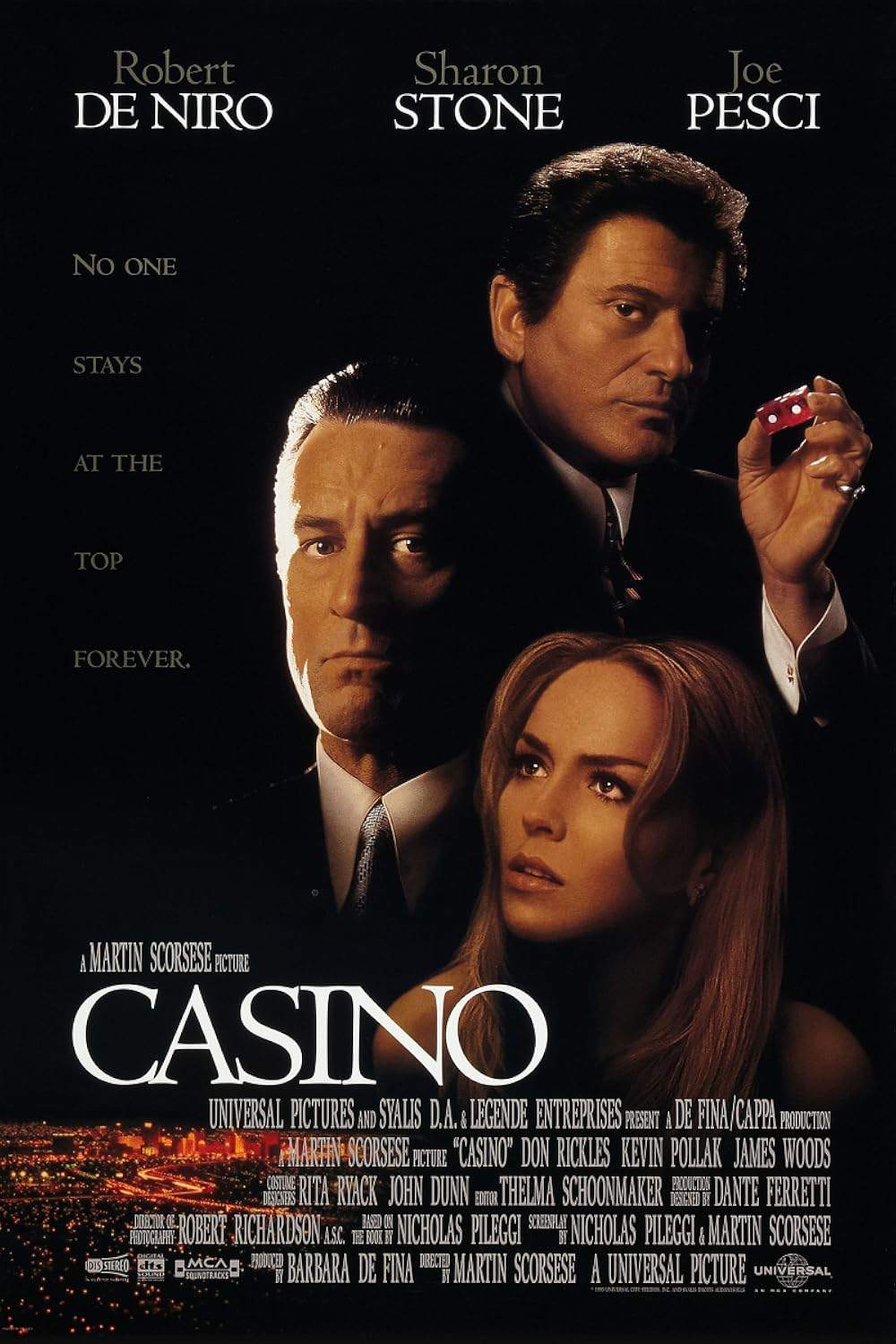
Casino (1995) Complete Plot Breakdown
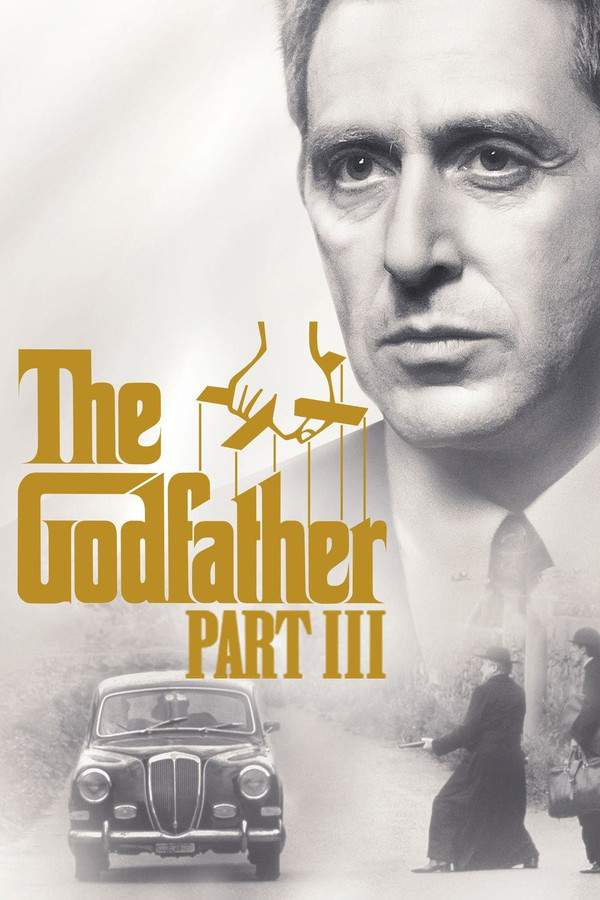
The Godfather: Part III (1990) Plot Summary & Ending Explained
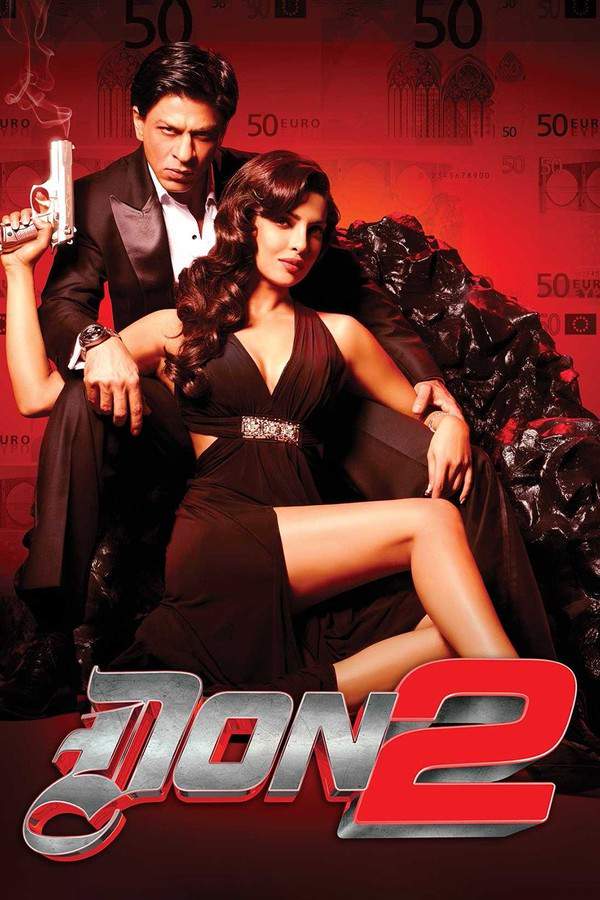
Don 2 (2011) Full Movie Breakdown
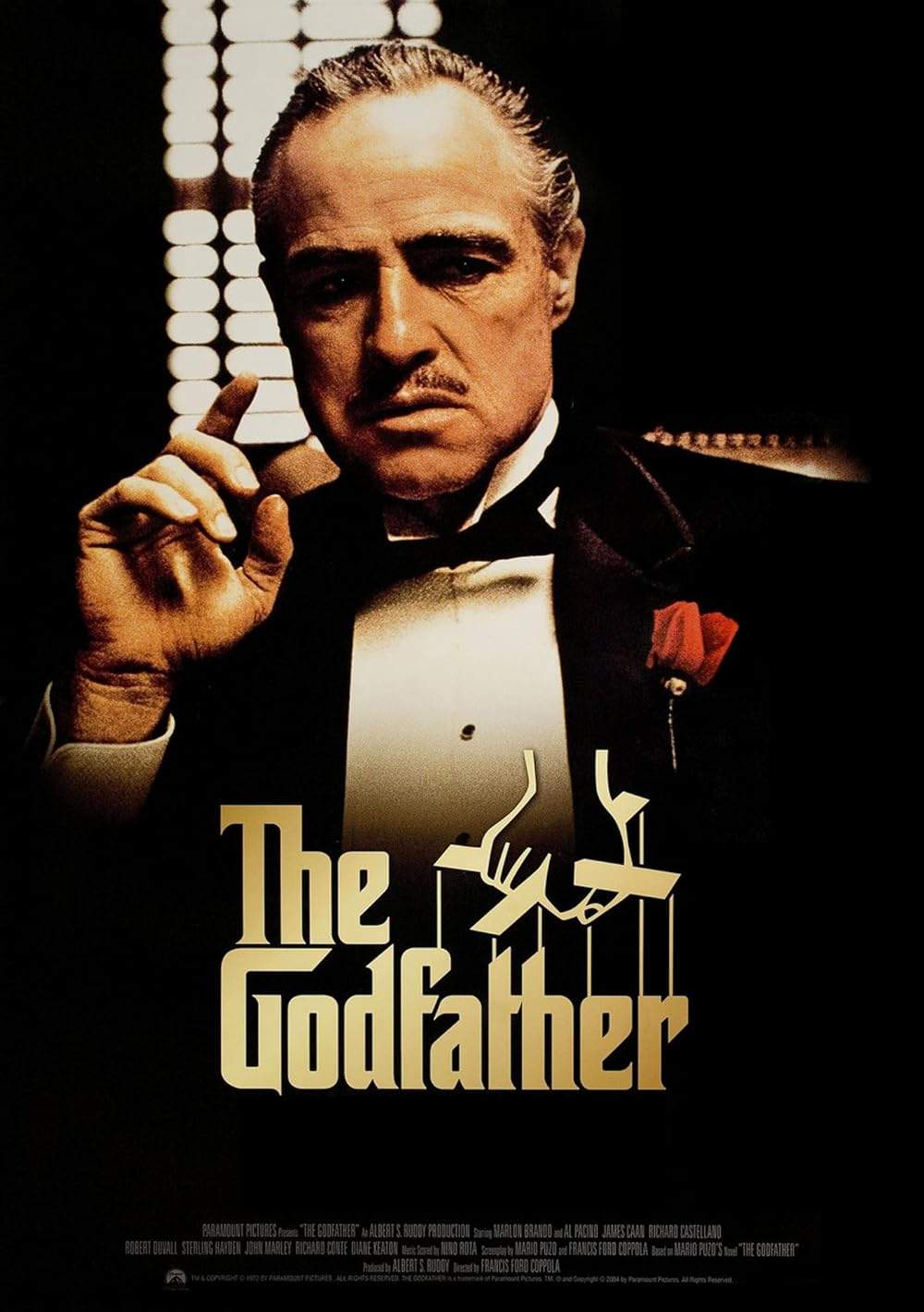
The Godfather (1972) Complete Plot Breakdown
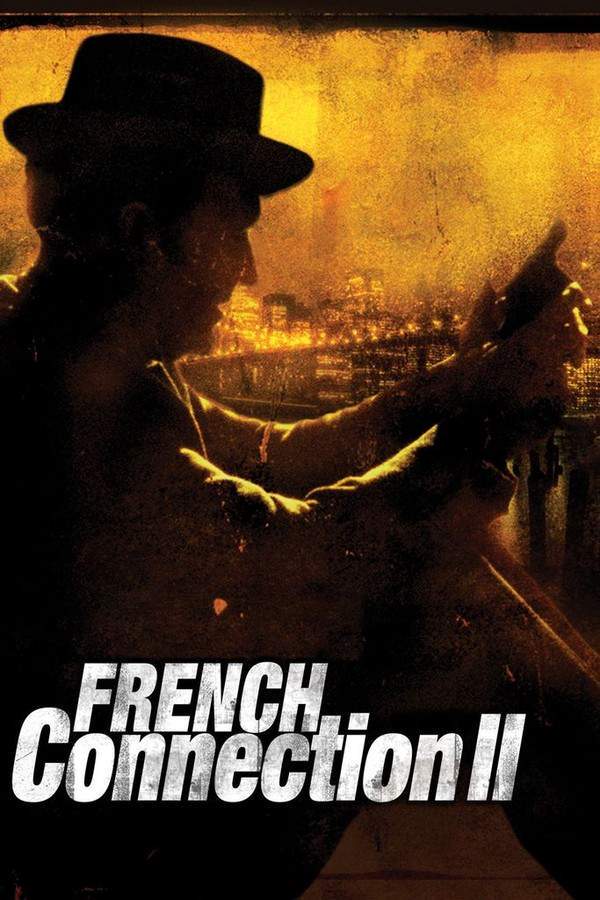
French Connection II (1975) Movie Recap & Themes
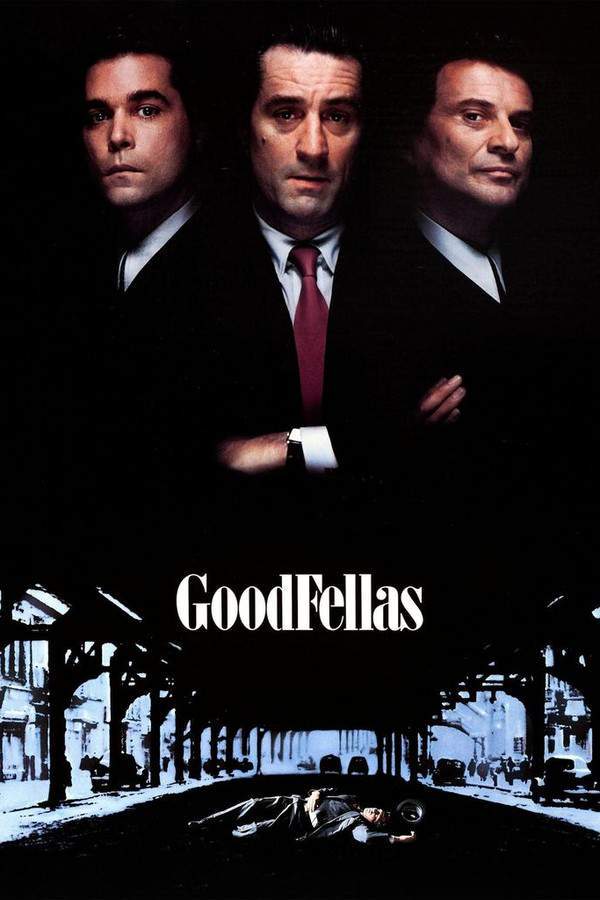
Goodfellas (1990) Plot Summary & Ending Explained
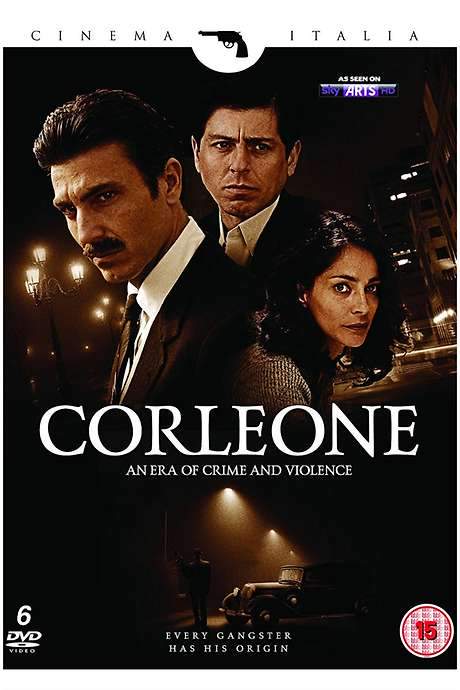
Corleone (1000) Film Overview & Timeline
Mobsters (1991) Spoiler-Packed Plot Recap
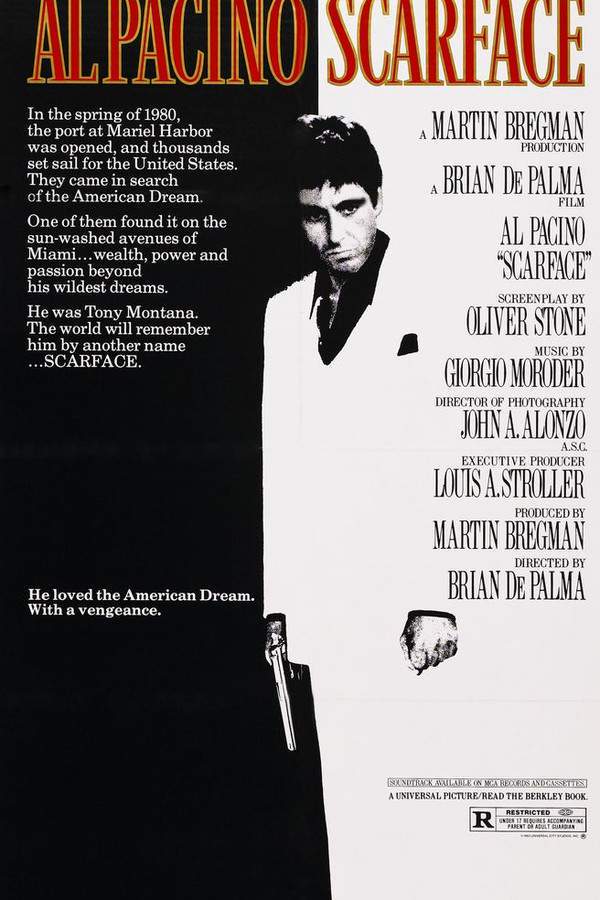
Scarface (1983) Detailed Story Recap
The Sicilian Connection (1985) Movie Recap & Themes
A Better Tomorrow II (1987) Spoiler-Packed Plot Recap
The New Godfathers (1979) Ending Explained & Film Insights
Corleone (1978) Full Summary & Key Details
Mafioso (1962) Story Summary & Characters