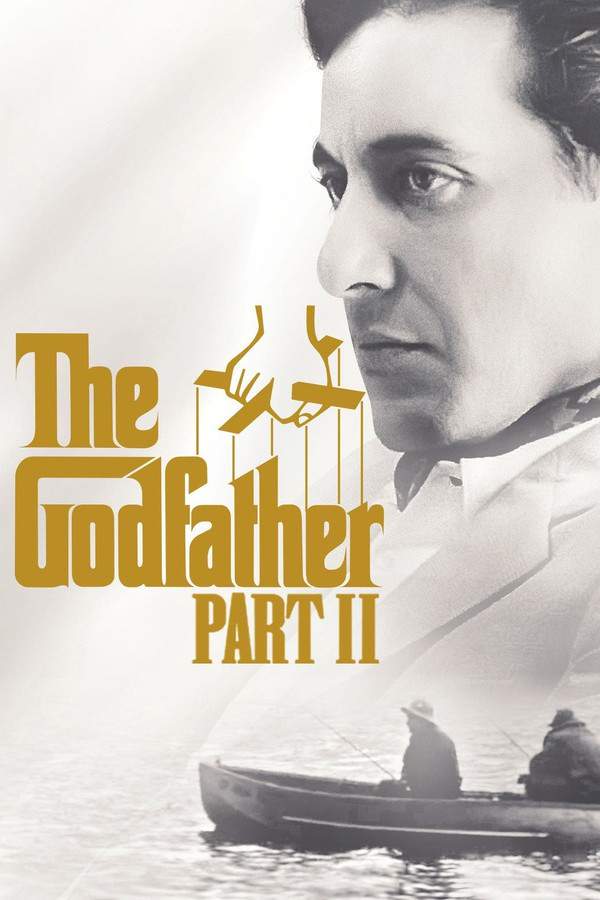
Michael Corleone struggles to maintain power and legitimacy for his family in 1958, facing challenges from rivals and internal conflicts. The film also explores his father Vito's journey as a young immigrant in New York City, depicting his rise from poverty to prominence in the criminal underworld during 1917. These interwoven narratives reveal the origins of the Corleone empire and the sacrifices made to secure its future, examining themes of family, loyalty, and the corrupting influence of power.
Find where to stream, rent, or buy The Godfather: Part II (1974) in the US with current JustWatch availability, up-to-date pricing, and platform listings for subscription, rental, and digital purchase options.
Warning: spoilers below!
Haven’t seen The Godfather: Part II yet? This summary contains major spoilers. Bookmark the page, watch the movie, and come back for the full breakdown. If you're ready, scroll on and relive the story!
Explore the full timeline and setting of The Godfather: Part II (1974). Follow every major event in chronological order and see how the environment shapes the story, characters, and dramatic tension.
Last updated: October 22, 2024 at 21:22
Meet the key characters of The Godfather: Part II (1974), with detailed profiles, motivations, and roles in the plot. Understand their emotional journeys and what they reveal about the film’s deeper themes.
Last updated: October 22, 2024 at 21:22
Explore the central themes of The Godfather: Part II (1974), from psychological, social, and emotional dimensions to philosophical messages. Understand what the film is really saying beneath the surface.
Last updated: October 22, 2024 at 21:22
Browse frequently asked questions about The Godfather: Part II (1974) focused on characters, relationships, themes, symbols, setting, and story context. This movie info FAQ gives spoiler-aware explanations for character arcs, world details, and thematic interpretation so readers can better understand what the film is really about.
The film is set across multiple locations: the Sicilian town of Corleone, New York City's Little Italy neighborhood, and Cuba during the 1950s. These contrasting settings highlight the transition from rural immigrant origins to urban criminal enterprise, with Cuba representing the expanding international reach of the Corleone operation.
The movie spans several decades, primarily set in 1958 for the present-day storyline, with flashbacks to the early 1900s showing Vito Corleone's origins. Key years include 1901, 1917, and 1922, depicting Vito's rise from immigrant to powerful don.
The film explores three major themes: Power & Betrayal, examining how ambition conflicts with familial loyalty; Revenge, focusing on Vito's quest to avenge his family's past; and Family Dynamics, portraying the shifting relationships between Michael, Fredo, and Kay as the cost of criminal power becomes clear.
Vito Corleone, portrayed by Robert De Niro, is depicted as a young Italian immigrant who rises from poverty to become a powerful mafia boss. His journey showcases both his strategic mind and deep familial loyalty, illustrating how he navigated the criminal underworld while bearing the weight of family sacrifices.
Michael Corleone, played by Al Pacino, is depicted as a man who transforms from a reluctant family heir into a cold, decisive leader. His evolution represents the central tragedy of the film, he achieves power but at the cost of his moral humanity and every meaningful personal relationship.
The film uses a dual-timeline structure that parallels Vito's rise in the early 1900s with Michael's reign in 1958. This comparison reveals how both men achieved power through similar ruthless methods, while showing how the Corleone empire evolved from immigrant survival strategy to international criminal organization.
The theme examines how Michael's ruthless decisions to protect and expand the family business directly conflict with traditional family loyalty. His willingness to order murders, including against family members, demonstrates how the pursuit of criminal power inevitably leads to betrayal of the very bonds that should matter most.
Family is portrayed as both the core motivation and ultimate casualty of the Corleone legacy. The film explores how the family unit is corrupted by criminal enterprise, with relationships between Michael, Fredo, and Kay deteriorating as Michael's power grows, illustrating the devastating personal cost of their chosen life.
Revenge drives Vito's storyline as he returns to Sicily to confront Don Ciccio, the man who murdered his family decades earlier. This quest for vengeance establishes the cycle of retribution that defines the criminal world, showing how personal vendettas shape the foundation of the Corleone empire.
Tom Hagen, played by Robert Duvall, serves as the Corleone family's consigliere, its chief legal advisor and strategic counselor. His role tests his loyalty as Michael's increasingly ruthless decisions create distance between them, representing the shifting power dynamics within the family hierarchy.
Carmela Corleone, played by Diane Keaton, represents the emotional heart of the family while bearing the hidden toll of mafia life. Her character highlights the often-overlooked perspective of wives in the criminal world, grappling with love for her husband while confronting the moral and emotional consequences of his choices.
Discover curated groups of movies connected by mood, themes, and story style. Browse collections built around emotion, atmosphere, and narrative focus to easily find films that match what you feel like watching right now.
Epic tales charting the ascent and moral decay of organized crime dynasties.If you admired the intricate portrayal of a crime family's legacy in The Godfather: Part II, explore other epic sagas that delve into the building and eventual crumbling of criminal empires. These films share a focus on power, loyalty, and the heavy toll of a life of crime, offering similar grand narratives and complex character studies.
Narratives in this thread typically span long periods, detailing the strategic acquisition of power, internal rivalries, and the inevitable conflicts that threaten the empire's stability. They often contrast the founding generation's brutal pragmatism with the successor's psychological isolation, creating a tragic arc of achievement built on loss.
Movies are grouped here for their shared epic scale, focus on organized crime structures, and thematic depth exploring power, legacy, and betrayal. They deliver a similarly heavy, contemplative experience through complex storytelling and a dark, pessimistic tone.
Stories where the pursuit of power leads to moral collapse and isolation.Fans of The Godfather: Part II's exploration of Michael Corleone's isolation will find similar themes in these films about ambition's dark side. Discover stories where characters gain influence but lose their soul, featuring heavy emotional weight, complex protagonists, and bleak or bittersweet conclusions about the price of power.
The narrative pattern follows a protagonist making increasingly difficult moral choices to achieve a goal, often leading to betrayal and alienation from those they love. The story arc is typically a downward spiral into loneliness, where external success is matched by internal ruin.
These films are united by their profound exploration of a central theme: how ambition and power corrupt an individual. They share a dark tone, heavy emotional weight, and a compelling, often tragic, character study that leaves a lasting, melancholic impression.
Don't stop at just watching - explore The Godfather: Part II in full detail. From the complete plot summary and scene-by-scene timeline to character breakdowns, thematic analysis, and a deep dive into the ending - every page helps you truly understand what The Godfather: Part II is all about. Plus, discover what's next after the movie.
Read a complete plot summary of The Godfather: Part II, including all key story points, character arcs, and turning points. This in-depth recap is ideal for understanding the narrative structure or reviewing what happened in the movie.
Track the full timeline of The Godfather: Part II with every major event arranged chronologically. Perfect for decoding non-linear storytelling, flashbacks, or parallel narratives with a clear scene-by-scene breakdown.
Discover movies like The Godfather: Part II that share similar genres, themes, and storytelling elements. Whether you’re drawn to the atmosphere, character arcs, or plot structure, these curated recommendations will help you explore more films you’ll love.
The Godfather: Part II (1974) Plot Summary & Movie Recap
The Godfather: Part II (1974) Scene-by-Scene Movie Timeline
The Godfather: Part II (1974) Spoiler-Free Summary & Key Flow
Movies Like The Godfather: Part II – Similar Titles You’ll Enjoy
Scarface (1932) Complete Plot Breakdown
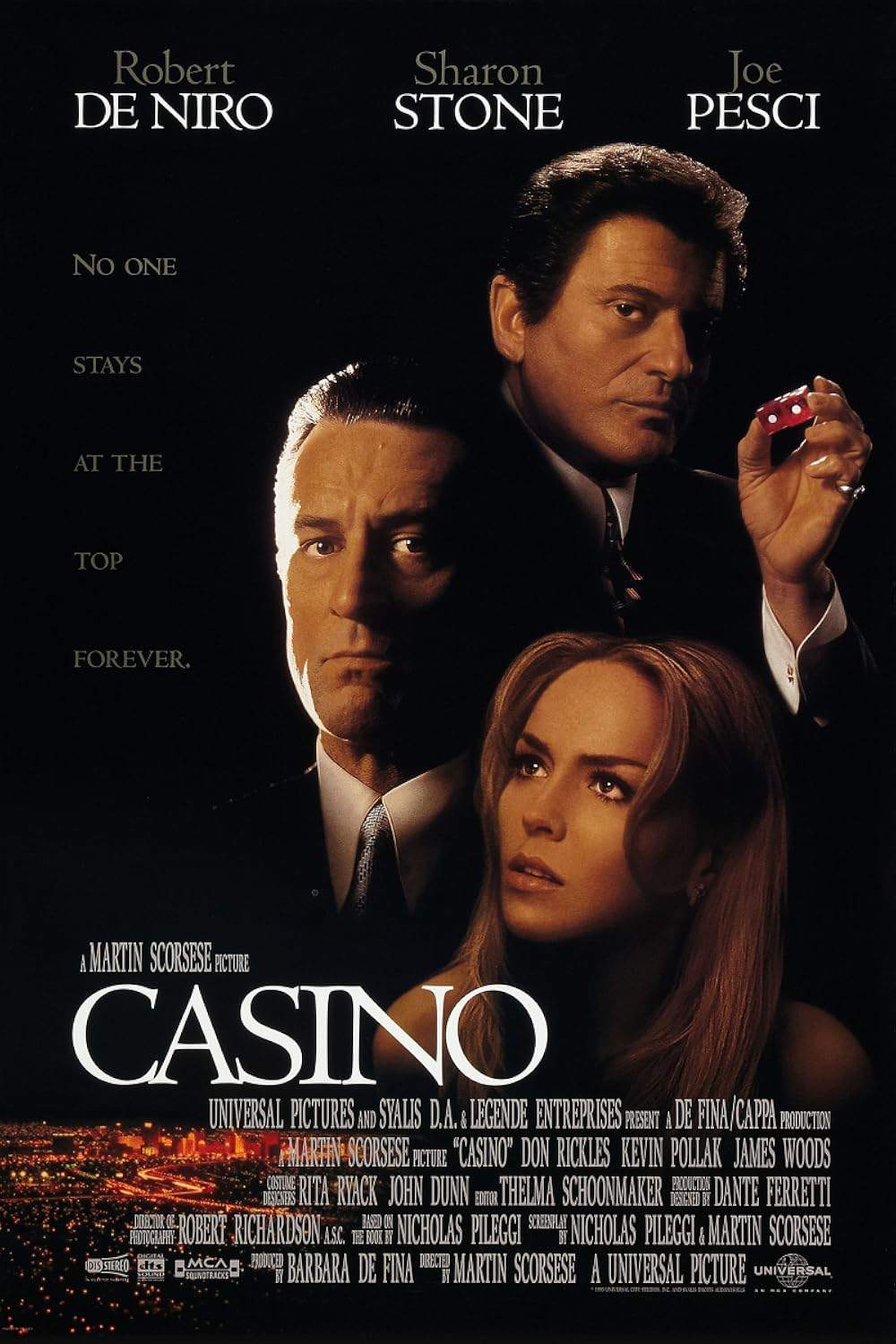
Casino (1995) Spoiler-Packed Plot Recap
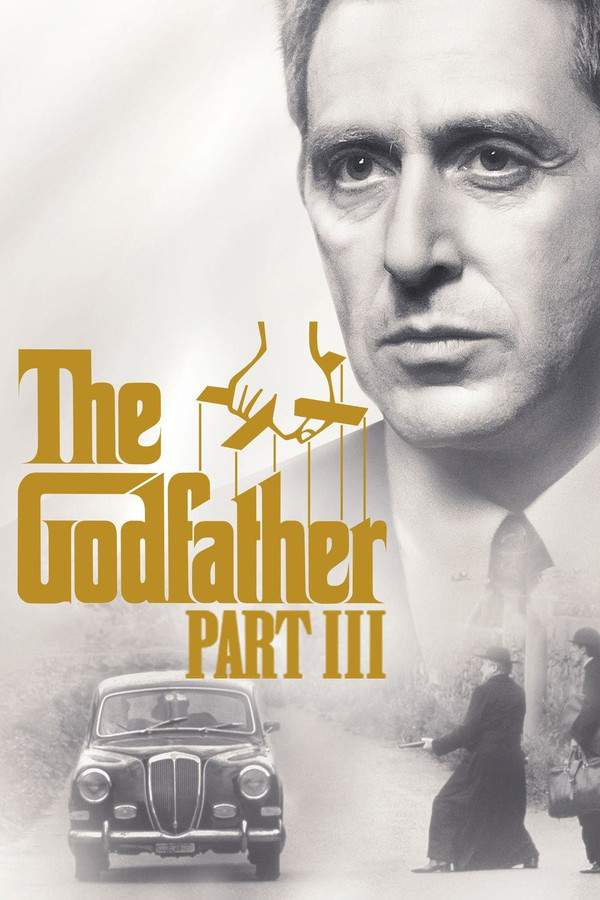
The Godfather: Part III (1990) Story Summary & Characters
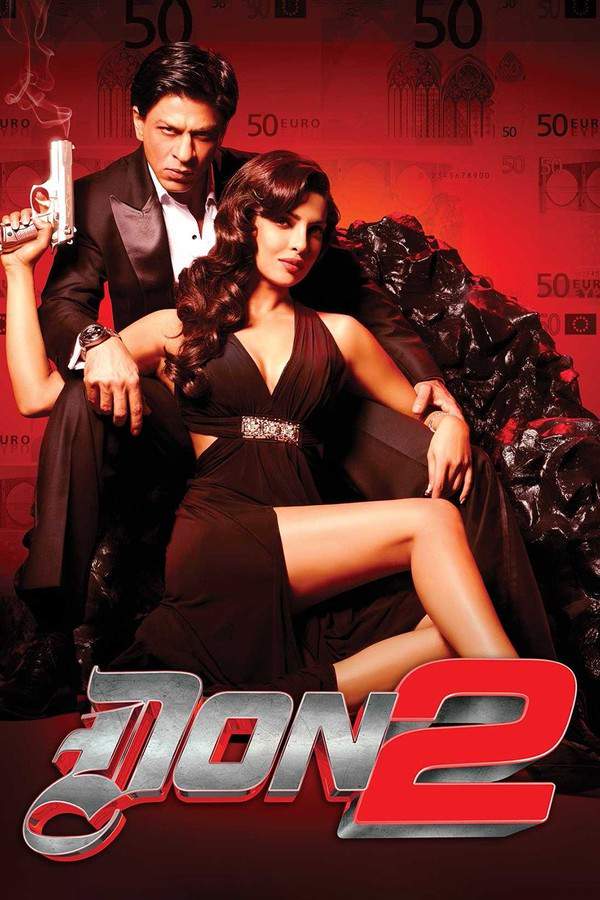
Don 2 (2011) Movie Recap & Themes
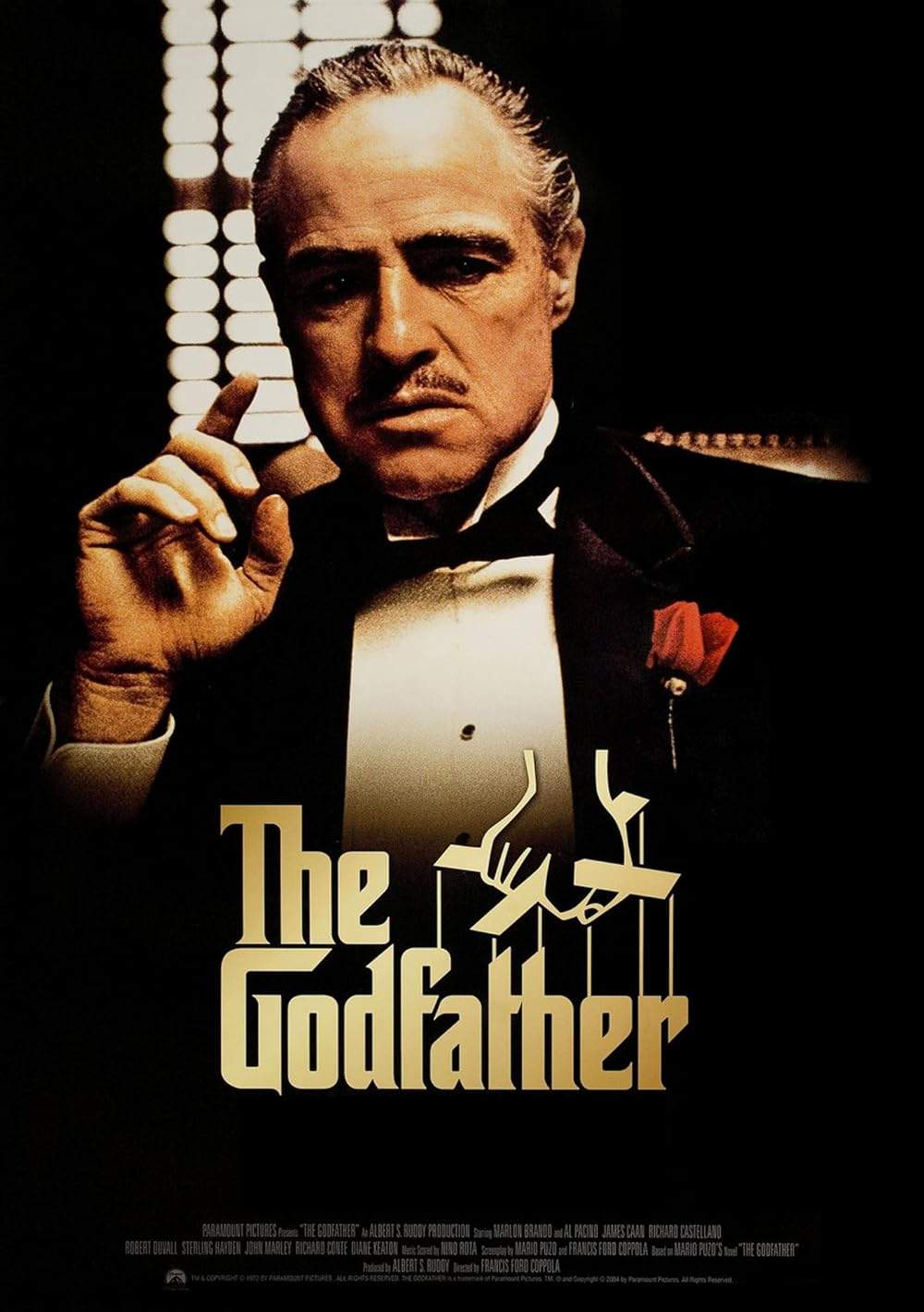
The Godfather (1972) Movie Recap & Themes
French Connection II (1975) Spoiler-Packed Plot Recap
Goodfellas (1990) Spoiler-Packed Plot Recap
Corleone (1000) Complete Plot Breakdown
Mobsters (1991) Detailed Story Recap
Scarface (1983) Complete Plot Breakdown
The Sicilian Connection (1985) Complete Plot Breakdown
A Better Tomorrow II (1987) Spoiler-Packed Plot Recap
The New Godfathers (1979) Spoiler-Packed Plot Recap
Corleone (1978) Film Overview & Timeline
Mafioso (1962) Full Movie Breakdown