
The Girl Who Played with Fire
Year: 2010
Runtime: 129 min
Language: Swedish
Director: Daniel Alfredson
A troubled and brilliant hacker, Lisbeth Salander, finds herself accused of a series of brutal murders. Journalist Mikael Blomkvist, who previously investigated her, believes in her innocence and begins a desperate search for the real killer. They are plunged into a dangerous investigation involving powerful enemies and a complex conspiracy, fighting to clear Lisbeth’s name and expose the truth behind the crimes.
Warning: spoilers below!
Haven’t seen The Girl Who Played with Fire yet? This summary contains major spoilers. Bookmark the page, watch the movie, and come back for the full breakdown. If you're ready, scroll on and relive the story!
Timeline – The Girl Who Played with Fire (2010)
Trace every key event in The Girl Who Played with Fire (2010) with our detailed, chronological timeline. Perfect for unpacking nonlinear stories, spotting hidden connections, and understanding how each scene builds toward the film’s climax. Whether you're revisiting or decoding for the first time, this timeline gives you the full picture.
Last Updated: November 08, 2024 at 03:00

Explore Movie Threads
Discover curated groups of movies connected by mood, themes, and story style. Browse collections built around emotion, atmosphere, and narrative focus to easily find films that match what you feel like watching right now.
Movies about framed protagonists like The Girl Who Played with Fire
Innocent characters hunted by the system, forced to uncover the truth.If you enjoyed the high-stakes tension of The Girl Who Played with Fire, you'll find similar thrillers here. These movies feature innocent characters wrongly accused of crimes, forcing them into a desperate fight for survival and truth. Discover other gripping stories of conspiracy, investigation, and the fight against a corrupt system.
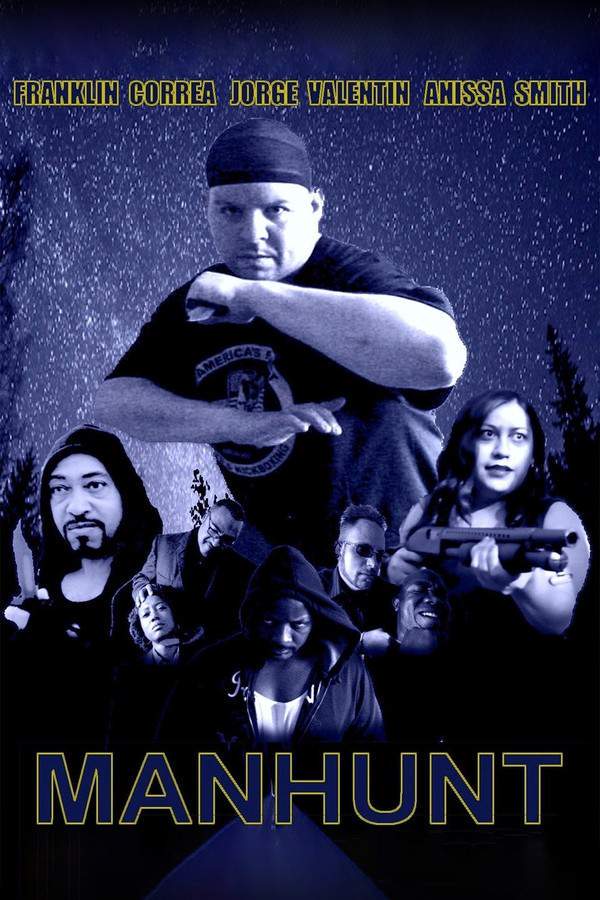
Manhunt
2018
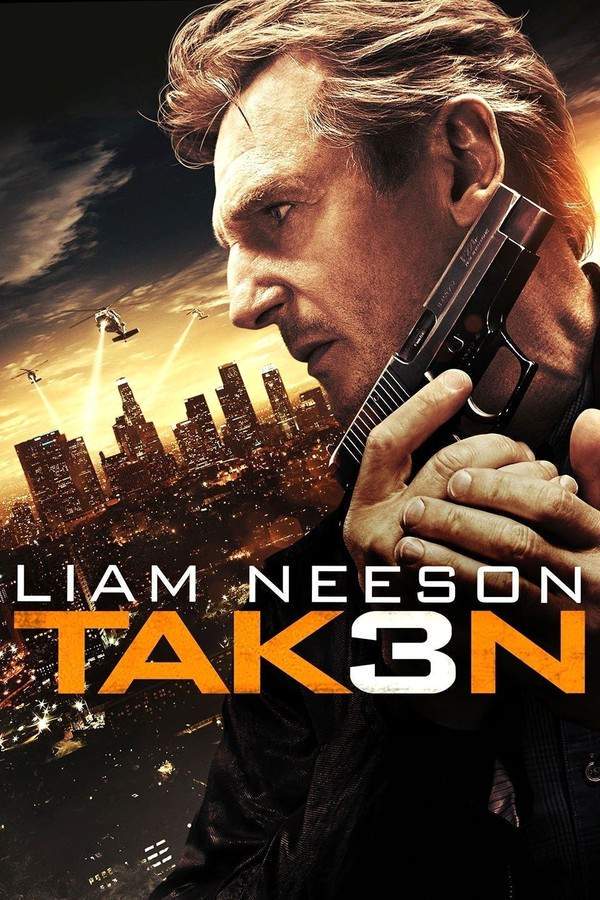
Taken 3
2015
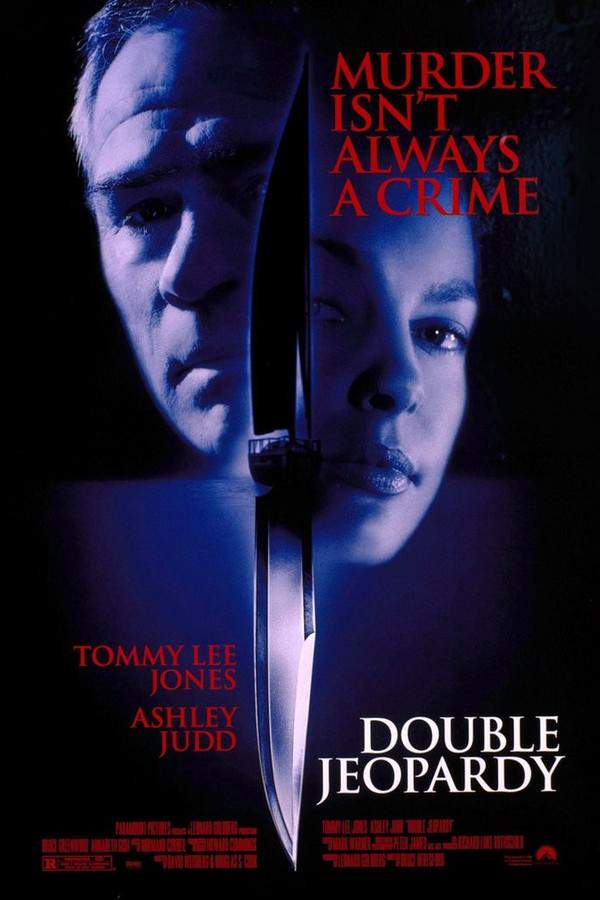
Double Jeopardy
1999
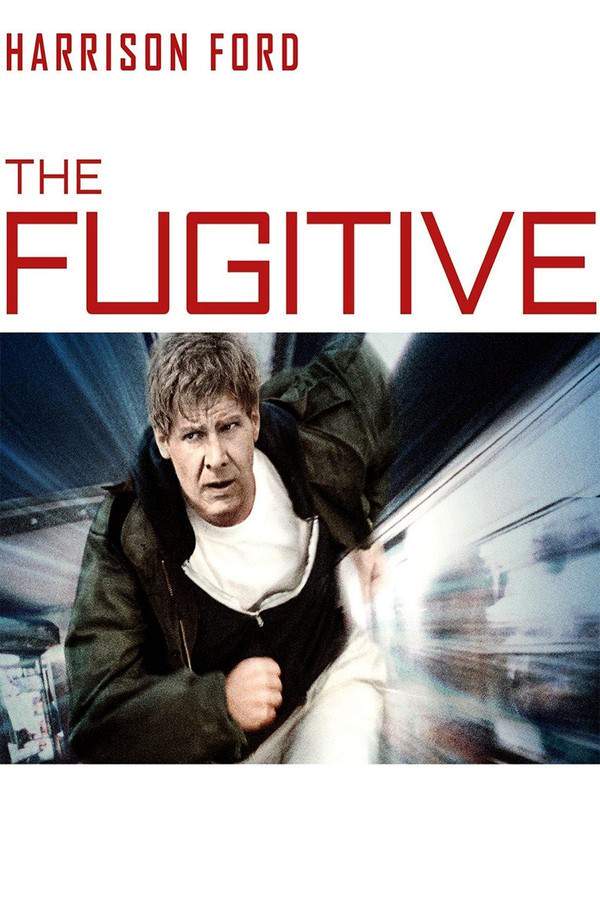
The Fugitive
1993
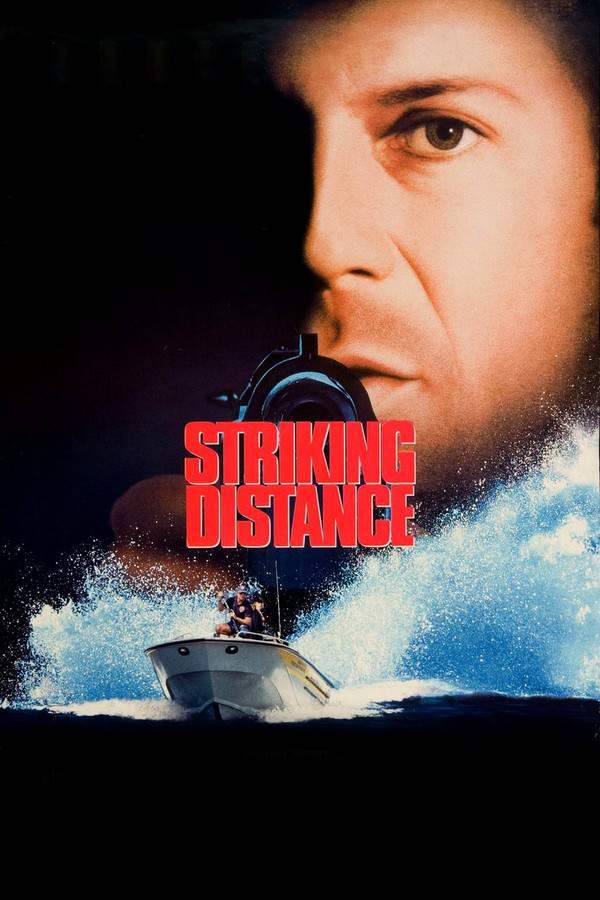
Striking Distance
1993

Confession of Murder
2012

Fabricated City
2017

Physical Evidence
1989

A Guilty Conscience
2023

I, the Jury
1953

Conflict of Interest
1993

Witness to Murder
1954

They Made Me a Fugitive
1947

The Secret Fury
1950

Trial by Jury
1994
Narrative Summary
The narrative follows a protagonist who is suddenly thrust into a nightmare after being falsely accused. They become both hunter and hunted, using their wits and skills to evade capture while piecing together a puzzle that points to powerful, shadowy forces. The journey is a race against time, filled with chases, confrontations, and revelations that constantly raise the stakes.
Why These Movies?
These movies are grouped by the core plot device of the wrongful accusation, which creates immediate, intense empathy for the protagonist and drives a fast-paced, investigative narrative. They share a mood of paranoia, high tension, and the emotional weight of fighting an unseen, powerful enemy from a position of extreme vulnerability.
Dark thrillers with traumatized heroes like The Girl Who Played with Fire
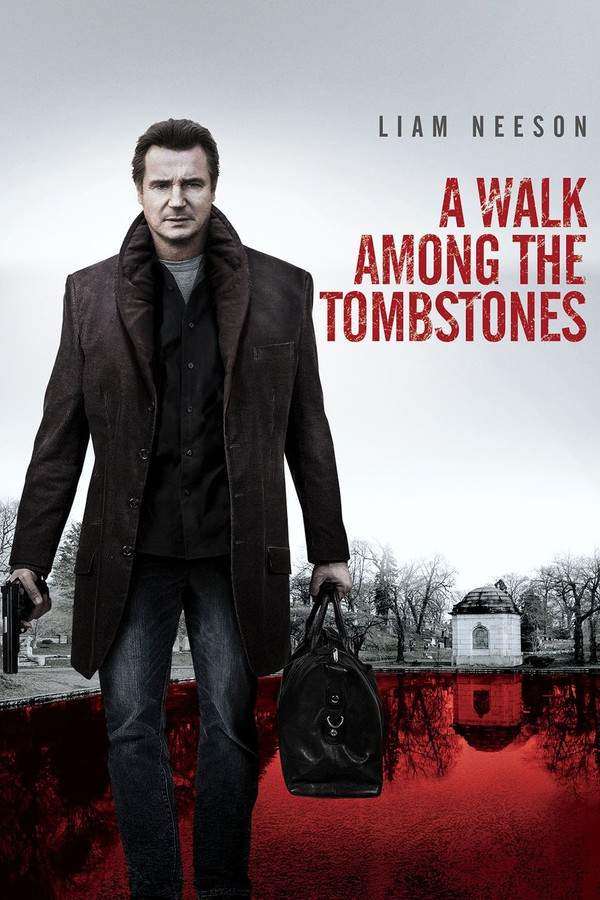
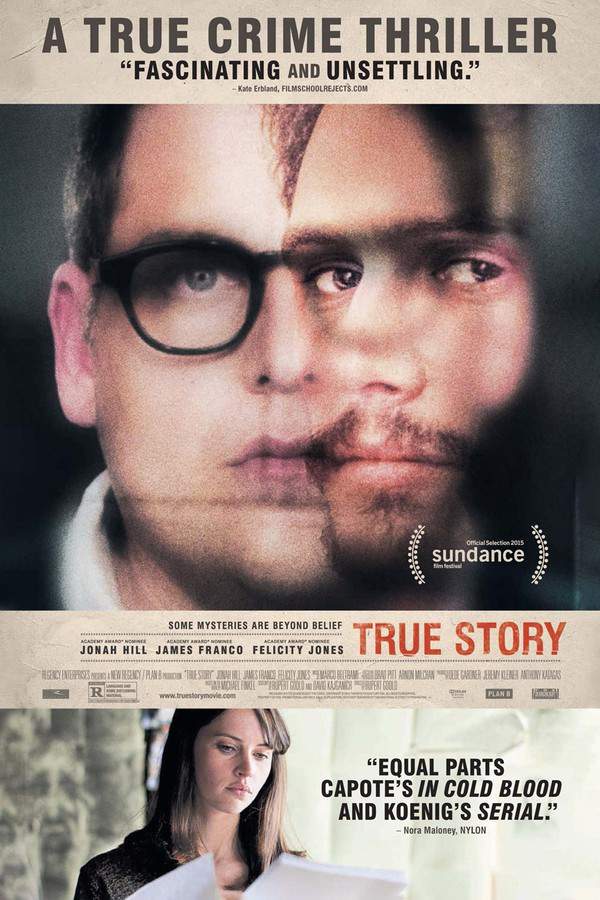
Flawed, damaged protagonists confronting dark pasts while solving grim crimes.Fans of Lisbeth Salander's complex character in The Girl Who Played with Fire will appreciate these films. This collection features similarly brilliant but wounded protagonists whose investigations into grim crimes force them to face their own traumatic pasts. Explore more movies that blend intense crime-solving with heavy psychological depth and dark themes.


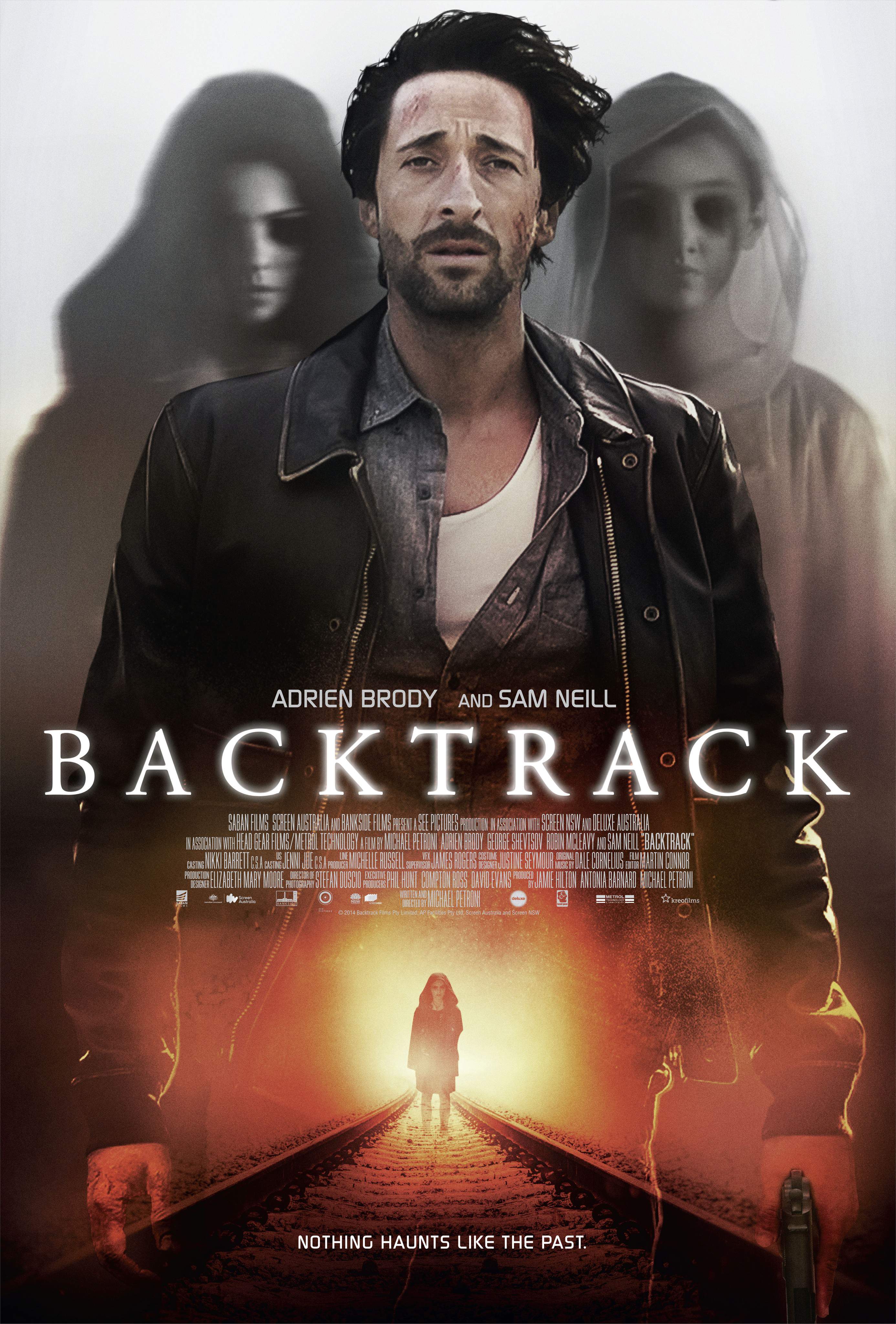
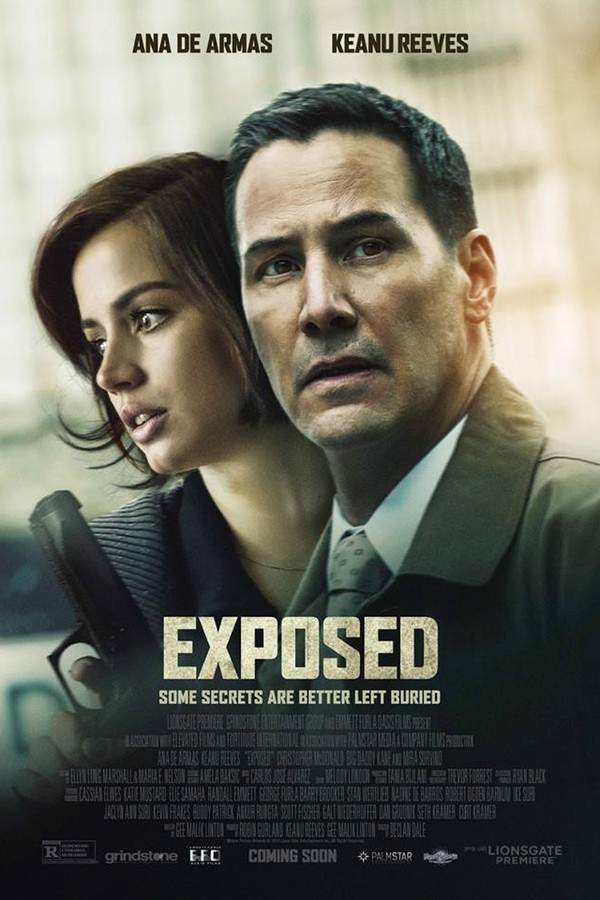
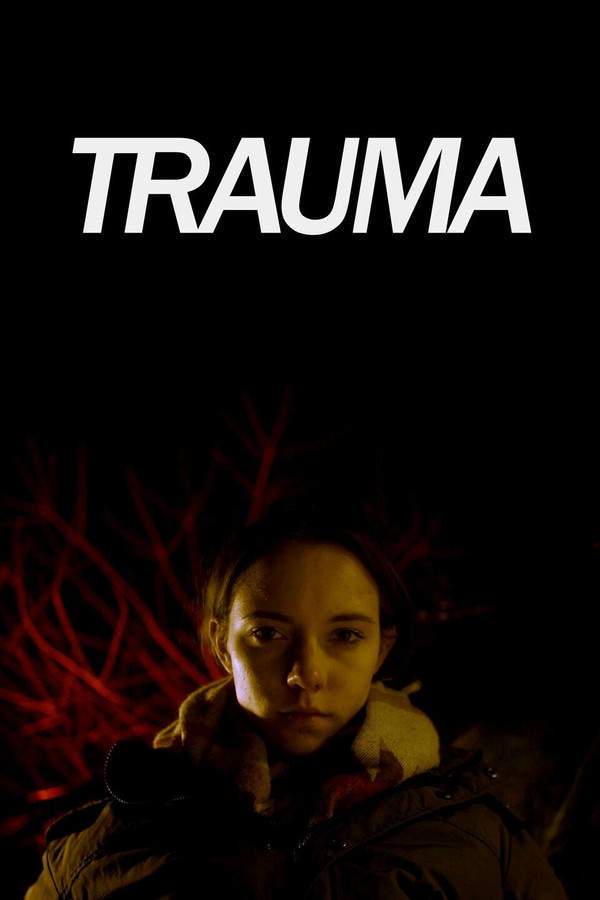
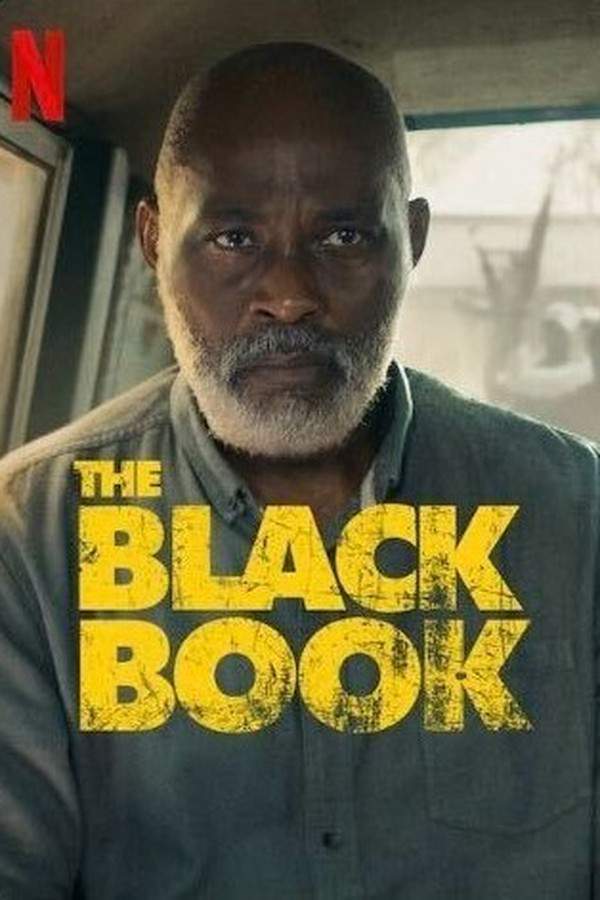




Narrative Summary
The narrative intertwines a present-day investigation with the protagonist's unresolved personal history. Solving the crime is not just a professional duty but a cathartic, often destructive, necessity for the hero. The plot reveals are paralleled by deeper character revelations, creating a story where external action and internal psychological struggle are equally important and deeply connected.
Why These Movies?
These films are united by their focus on a specific character archetype: the brilliant but broken investigator. The similarity comes from the heavy emotional weight, the dark tone exploring abuse and trauma, and the way the central plot serves as a vehicle for profound character study and psychological unpacking.
Unlock the Full Story of The Girl Who Played with Fire
Don't stop at just watching — explore The Girl Who Played with Fire in full detail. From the complete plot summary and scene-by-scene timeline to character breakdowns, thematic analysis, and a deep dive into the ending — every page helps you truly understand what The Girl Who Played with Fire is all about. Plus, discover what's next after the movie.
The Girl Who Played with Fire Summary
Read a complete plot summary of The Girl Who Played with Fire, including all key story points, character arcs, and turning points. This in-depth recap is ideal for understanding the narrative structure or reviewing what happened in the movie.

Characters, Settings & Themes in The Girl Who Played with Fire
Discover the characters, locations, and core themes that shape The Girl Who Played with Fire. Get insights into symbolic elements, setting significance, and deeper narrative meaning — ideal for thematic analysis and movie breakdowns.