
The Girl Who Played with Fire
Year: 2010
Runtime: 129 min
Language: Swedish
Director: Daniel Alfredson
A troubled and brilliant hacker, Lisbeth Salander, finds herself accused of a series of brutal murders. Journalist Mikael Blomkvist, who previously investigated her, believes in her innocence and begins a desperate search for the real killer. They are plunged into a dangerous investigation involving powerful enemies and a complex conspiracy, fighting to clear Lisbeth’s name and expose the truth behind the crimes.
Warning: spoilers below!
Haven’t seen The Girl Who Played with Fire yet? This summary contains major spoilers. Bookmark the page, watch the movie, and come back for the full breakdown. If you're ready, scroll on and relive the story!
The Girl Who Played with Fire (2010) – Full Plot Summary & Ending Explained
Read the complete plot breakdown of The Girl Who Played with Fire (2010), including all key story events, major twists, and the ending explained in detail. Discover what really happened—and what it all means.
On her return to Sweden after nearly a year away, Lisbeth Salander reconnects with her former partner, Miriam Wu, generously offering her the free use of her old apartment. However, things take a dark turn when Salander confronts her abusive ex-guardian, Nils Bjurman, after hacking into his email and discovering his appointment with a tattoo removal specialist. With a gun in hand, she warns him to leave the tattoo she marked on him—labeling him a rapist—untouched.
Simultaneously, journalist Mikael Blomkvist enlists the help of fellow reporter Dag Svensson to assist with an article for his magazine, Millennium. Dag’s exposé focuses on prostitution and human trafficking within Sweden, while his girlfriend Mia Bergman researches sex trafficking for her doctoral thesis. Planning a holiday, they ask Blomkvist to collect some photographs from their apartment, and Dag also requests him to look into a name—“Zala”—that may be connected to the subjects of their work.
Upon arriving at their apartment, Blomkvist is met with horror as he discovers the lifeless bodies of Dag and Mia. The investigation reveals that the handgun used in the double murder belongs to Bjurman, who has also been found dead. With Salander becoming the prime suspect due to her fingerprints on the weapon, she initially refuses to claim innocence but eventually confesses to Blomkvist that she had no part in the murders and emphasizes the necessity of uncovering the identity of “Zala”.
Paolo Roberto, Salander’s boxing trainer, reaches out to Blomkvist, offering a potential lead by connecting with Miriam. He witnesses Miriam’s abduction by Ronald Niedermann, a dangerous figure involved in human trafficking. Paolo follows Niedermann to an isolated barn, where he hears him torturing Miriam for information about Salander. Attempting a rescue, Paolo is overpowered, yet both he and Miriam manage to escape as the barn goes up in flames.
The attempt is reported in the news, prompting Paolo to give his testimony to the police. In the meantime, Blomkvist leaves vital information on his computer for Salander to access, leading to a heartfelt message where she thanks him for his friendship. Realizing the peril she faces, he understands she plans to confront the individual responsible for framing her, potentially putting her life at risk.
In a twist of fate, Salander visits Miriam in the hospital, offering an apology for entangling her in this dangerous scenario. After confirming the police sketch of Niedermann, she vanishes. Miriam contacts Blomkvist with a set of keys Salander dropped, one of which leads him to her post office box, allowing him access to crucial information about her whereabouts. Meanwhile, Salander keeps a close watch on Niedermann’s post office box, eventually trailing him to a secluded house near Gosseberga. Blomkvist, in Salander’s apartment, uncovers a harrowing video of Bjurman’s assault on her.
Paolo later meets with Blomkvist, revealing that he tracked Niedermann down and learned about his rare condition—congenital analgesia—which prevents him from feeling pain. Their investigation points to a company linked to “Karl Axel Bodin.” With urgency, Blomkvist has his colleague and lover Erika Berger forward documents regarding their findings to the police and embarks on a mission to find Salander.
As Salander confronts Niedermann in the Gosseberga house, he is alerted and ambushes her, knocking her out cold. Upon waking, she faces her father, Alexander “Zala” Zalachenko, who she hasn’t seen since her childhood when she set him on fire. Their tense interaction unveils that Niedermann is her half-brother, and he murdered Bjurman to keep Zalachenko’s secrets buried.
In a climactic twist, they lead Salander to a shallow grave in the woods. Defiantly, she declares that the police will soon find him as she reveals his secrets have already made their way online through her hidden cellphone. Skeptical, Zalachenko shoots her multiple times as she attempts to flee and buries her alive. Refusing to succumb, Salander digs her way out, retaliating by burying an axe in Zalachenko’s leg. As she holds Niedermann at bay with Zalachenko’s gun, Blomkvist arrives just in time. An ambulance comes to rescue both Salander and Zalachenko, but not without leaving them both severely injured.
Last Updated: November 08, 2024 at 03:00

Explore Movie Threads
Discover curated groups of movies connected by mood, themes, and story style. Browse collections built around emotion, atmosphere, and narrative focus to easily find films that match what you feel like watching right now.
Movies about framed protagonists like The Girl Who Played with Fire
Innocent characters hunted by the system, forced to uncover the truth.If you enjoyed the high-stakes tension of The Girl Who Played with Fire, you'll find similar thrillers here. These movies feature innocent characters wrongly accused of crimes, forcing them into a desperate fight for survival and truth. Discover other gripping stories of conspiracy, investigation, and the fight against a corrupt system.
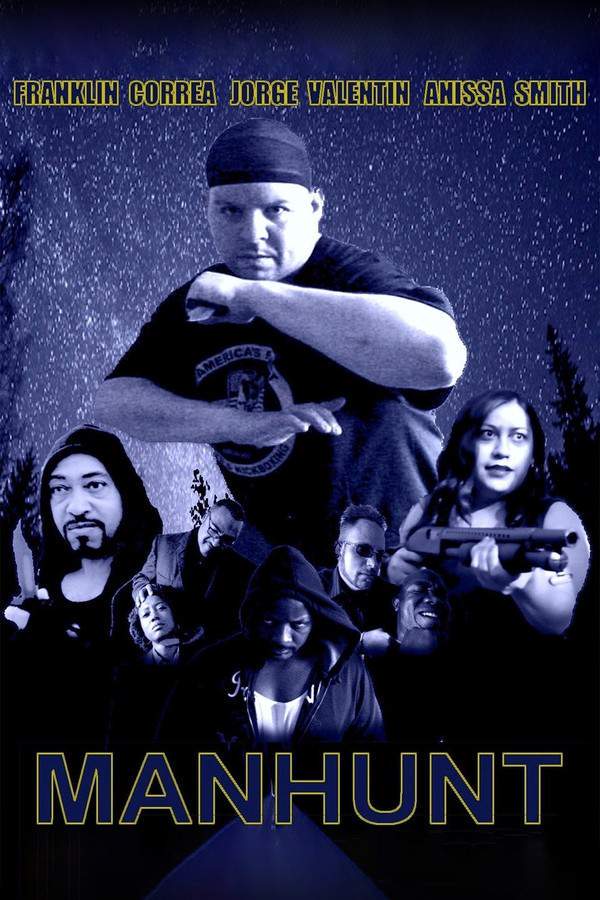
Manhunt
2018
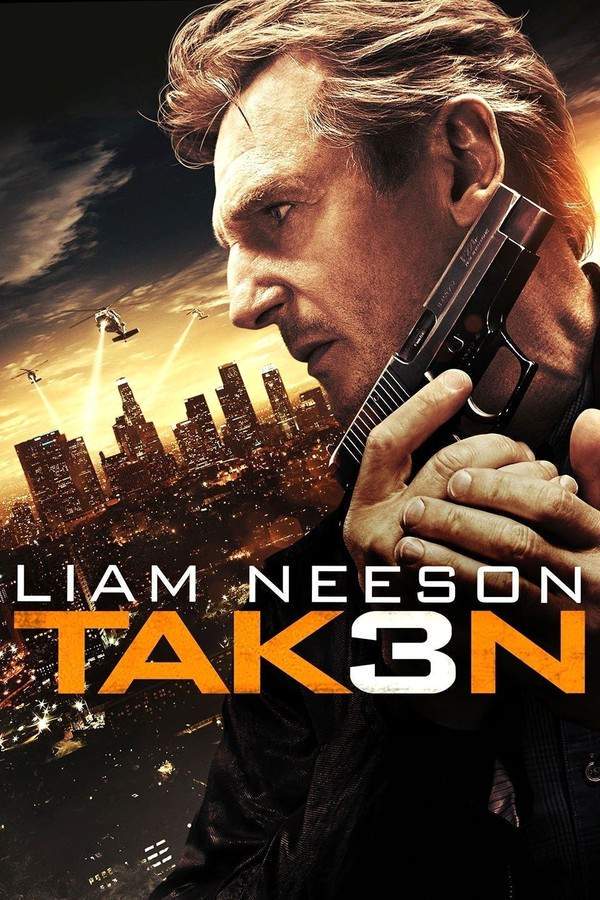
Taken 3
2015
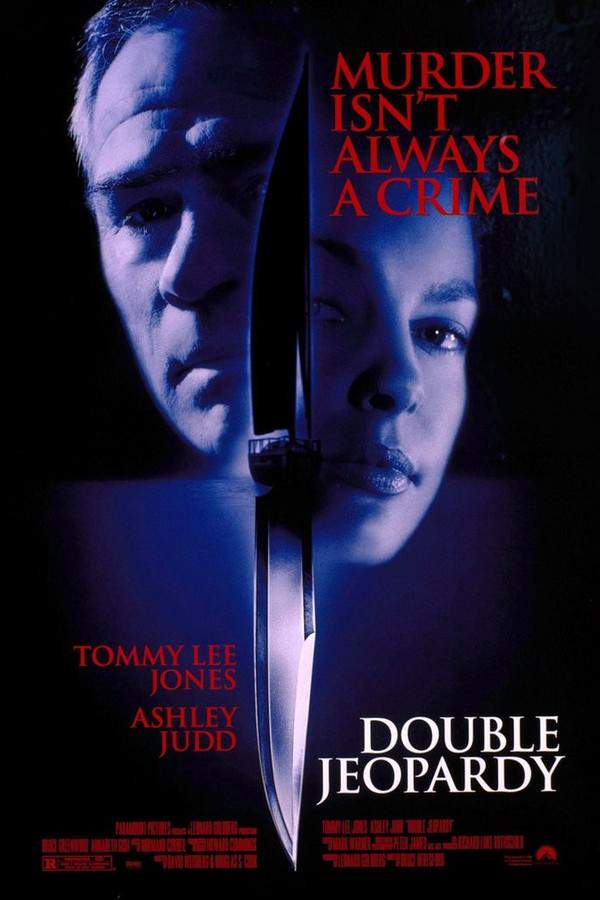
Double Jeopardy
1999
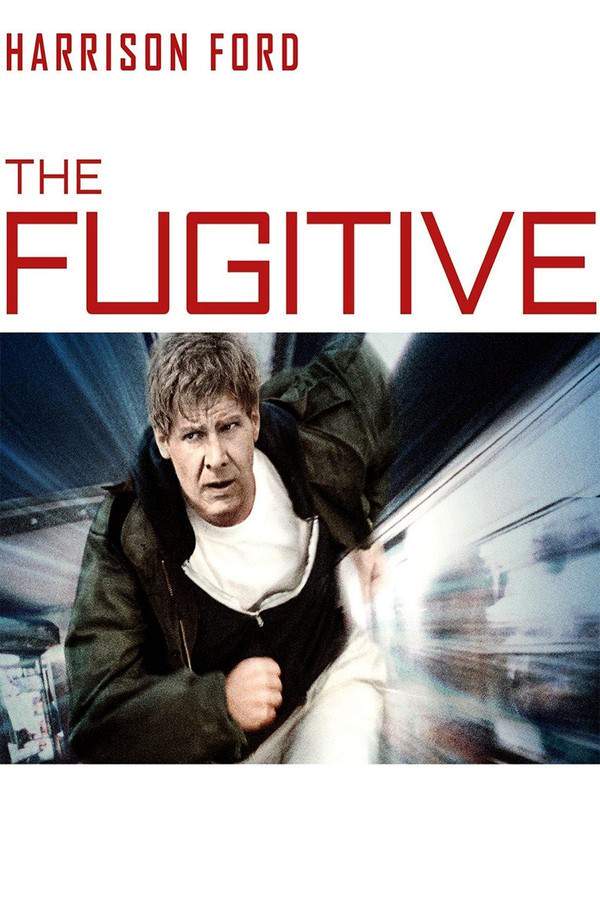
The Fugitive
1993

Striking Distance
1993

Confession of Murder
2012

Fabricated City
2017

Physical Evidence
1989

A Guilty Conscience
2023

I, the Jury
1953

Conflict of Interest
1993

Witness to Murder
1954

They Made Me a Fugitive
1947

The Secret Fury
1950

Trial by Jury
1994
Narrative Summary
The narrative follows a protagonist who is suddenly thrust into a nightmare after being falsely accused. They become both hunter and hunted, using their wits and skills to evade capture while piecing together a puzzle that points to powerful, shadowy forces. The journey is a race against time, filled with chases, confrontations, and revelations that constantly raise the stakes.
Why These Movies?
These movies are grouped by the core plot device of the wrongful accusation, which creates immediate, intense empathy for the protagonist and drives a fast-paced, investigative narrative. They share a mood of paranoia, high tension, and the emotional weight of fighting an unseen, powerful enemy from a position of extreme vulnerability.
Dark thrillers with traumatized heroes like The Girl Who Played with Fire
Flawed, damaged protagonists confronting dark pasts while solving grim crimes.Fans of Lisbeth Salander's complex character in The Girl Who Played with Fire will appreciate these films. This collection features similarly brilliant but wounded protagonists whose investigations into grim crimes force them to face their own traumatic pasts. Explore more movies that blend intense crime-solving with heavy psychological depth and dark themes.
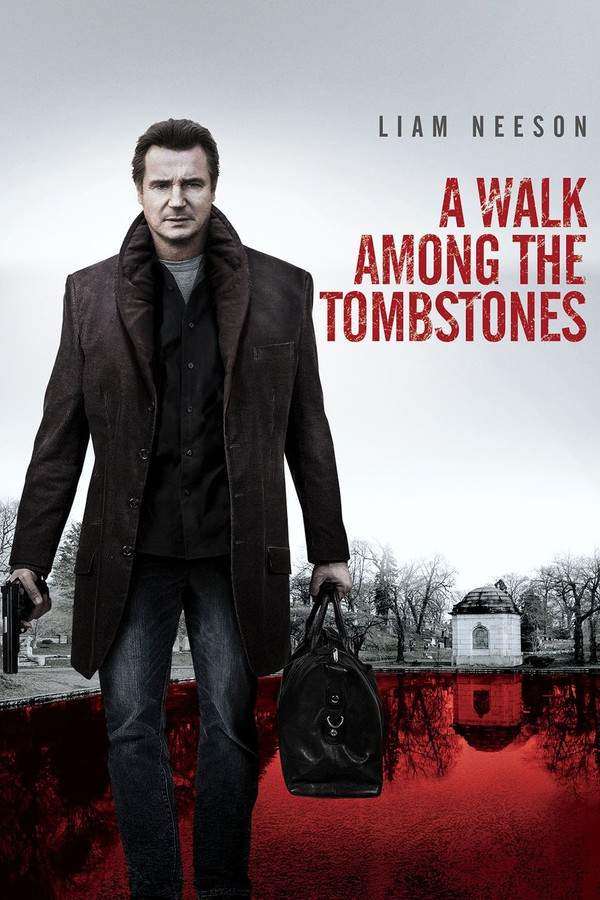


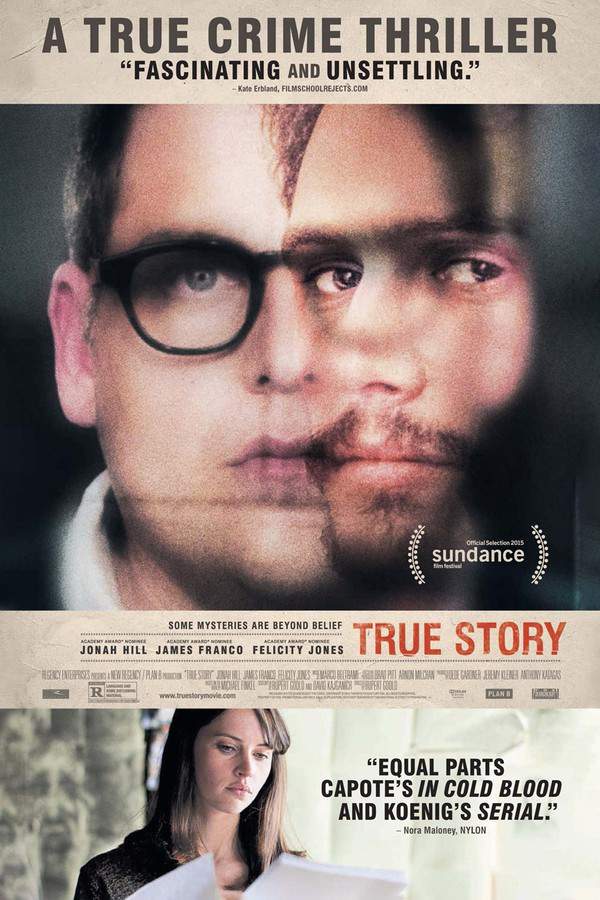








Narrative Summary
The narrative intertwines a present-day investigation with the protagonist's unresolved personal history. Solving the crime is not just a professional duty but a cathartic, often destructive, necessity for the hero. The plot reveals are paralleled by deeper character revelations, creating a story where external action and internal psychological struggle are equally important and deeply connected.
Why These Movies?
These films are united by their focus on a specific character archetype: the brilliant but broken investigator. The similarity comes from the heavy emotional weight, the dark tone exploring abuse and trauma, and the way the central plot serves as a vehicle for profound character study and psychological unpacking.
Unlock the Full Story of The Girl Who Played with Fire
Don't stop at just watching — explore The Girl Who Played with Fire in full detail. From the complete plot summary and scene-by-scene timeline to character breakdowns, thematic analysis, and a deep dive into the ending — every page helps you truly understand what The Girl Who Played with Fire is all about. Plus, discover what's next after the movie.
The Girl Who Played with Fire Timeline
Track the full timeline of The Girl Who Played with Fire with every major event arranged chronologically. Perfect for decoding non-linear storytelling, flashbacks, or parallel narratives with a clear scene-by-scene breakdown.

Characters, Settings & Themes in The Girl Who Played with Fire
Discover the characters, locations, and core themes that shape The Girl Who Played with Fire. Get insights into symbolic elements, setting significance, and deeper narrative meaning — ideal for thematic analysis and movie breakdowns.