Plot Explained Spoilers guaranteed!
Plot Explained

Browse by genre

The General (1998) movie poster

Plot Summary

The General (1998) Plot Summary Explained

Release, runtime and language
1998 · 124 min · German
Directed by
John Boorman
Starring
Brendan Gleeson, Adrian Dunbar

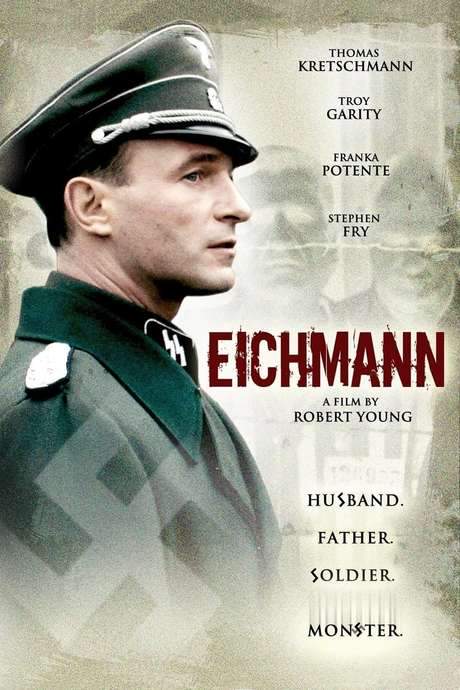
In post-war Germany, Jewish prosecutor Fritz Bauer is determined to bring Nazi war criminals to justice. His investigation reveals a complex network of deceit, leading him to Adolf Eichmann, who has fled to Argentina. Bauer then collaborates with the Mossad to capture the notorious figure responsible for orchestrating genocide, initiating a tense pursuit across international borders.

On this page (6)
  1. 1 Where to watch
  2. 2 What happens: full plot
  3. 3 Plot questions answered
  4. 4 Movie threads
  5. 5 Movies like The General
  6. 6 Every angle

Where to watch

Where to Watch The General (1998)

Where can you watch The General? Stream, rent or buy it in the US, including on Fawesome, Pluto TV and Tubi TV: current JustWatch availability with up-to-date prices.

Streaming availability powered by JustWatch

Full plot summary · contains spoilers

What Happens in The General: Full Plot Summary

The whole story of The General (1998) explained, from the opening scene to the final frame: every key event, every twist and what it all adds up to. Read it as a quick recap before the sequel, to check a scene you missed, or to finally understand what really happened.

On the 18th of August, 1994, Cahill leaves his home in Cowper Downs, Rathmines, and is ambushed by an assassin who escapes on a motorcycle driven by an accomplice. As his family grieves, his Garda nemesis, Inspector Ned Kenny, arrives to oversee the removal of the corpse from the scene.

In the 1950s, a young Cahill and his siblings turn to theft to help their struggling family. He is caught by a Garda while attempting a theft from a butcher’s shop and is sent to an industrial school, a harsh start that foreshadows a life lived on the edge of the law.

By the early 1980s, Cahill is released and returns to his run-down home at Hollyfield Buildings in Rathmines. Dublin Corporation is demolishing the buildings, and Cahill fiercely opposes the plan in the courts. Garda Sergeant Ned Kenny aids the Corporation in evicting residents and urges Cahill to leave peacefully, but Cahill resists, signaling a long battle against authorities.

After the demolition, Cahill moves a caravan onto the site, which is subsequently burned out. He erects a tent and continues to obstruct new housing, only stepping back when the city offers him a new home in Rathmines.

Cahill purchases a fresh home in a more upscale area for £80,000, converting cash into a bank draft at a local bank. He then directs his gang to rob the bank, publicly humiliating the newly promoted Inspector Ned Kenny.

Cahill and his associate Noel Curley stage an armed robbery of a video arcade. They are arrested and face trial, where Cahill employs a range of tactics to avoid conviction, including an audacious attempt to kill the State’s chief forensic scientist with a car bomb. When the State fails to prove that Cahill and Curley endangered the life of the robbery’s victim, they are acquitted.

A more ambitious plan follows: a robbery of O’Connor’s jewellery factory in Harold’s Cross, which becomes the largest in the State’s history, valued at over £2,000,000. The gang sells the loot to a London fence. When a gold bar goes missing in transit, Cahill blames the truck driver and tortures him in the back room of a pool hall, ultimately taking the driver to hospital, convinced of the man’s innocence.

The IRA, who had previously tried to raid O’Connor’s, demand half of the proceeds. Cahill refuses. In response, the IRA forms a group named CPAD—Concerned Parents Against Drugs—to intimidate Cahill and his gang. Cahill retaliates by forming the counter-group, “Concerned Criminals Against Drugs,” and repels CPAD.

Cahill and his men case Russborough House in County Wicklow and manage to steal the Beit collection, eighteen paintings in total, evading an elaborate alarm system and armed Gardaí.

Humiliated, the Gardaí create the Tango Squad, deploying detectives and uniformed officers for 24-hour surveillance of Cahill and his gang. He evades them momentarily and begins dealing with the UVF to sell the stolen Beit paintings.

Revenue investigators attempt to question Cahill at his home. He orchestrates the burning of their car. Cahill later suffers a diabetic hypo, a reminder of the fragility that underpins his dangerous life.

One gang member, Gary, is accused of raping his own daughter. Cahill attempts to bribe the young woman to stay silent, and when that fails, he shoots Gary in the leg to keep the case from going to court.

News breaks of Cahill’s involvement with the UVF and the sale of the Beit paintings. The Gardaí surveilling him react with disgust and even throw rocks in his direction.

The story ends with Cahill’s assassination outside his home, with the IRA claiming responsibility for the killing.


Last updated: October 10, 2025 at 16:04

Was this helpful?

Plot questions answered

The General Plot Explained: Your Questions Answered

The questions people ask most about The General (1998): what happens in the confusing scenes, why the characters do what they do, the twists, hidden details and what the ending means. Each answer contains spoilers.

Q1

Why does Martin Cahill fight so hard against the demolition of Hollyfield Buildings?

Cahill views Hollyfield Buildings as his home and refuses to be displaced by corporate and governmental forces. His resistance represents more than just housing - it's a battle against authority after years of being controlled by institutions (industrial school, prison). He persists with a caravan and tent on the site until the Corporation offers him a new home, which he eventually accepts.

Foreshadowing: Earlier scenes establish Cahill's childhood trauma in institutional settings, making his fight against forced eviction deeply personal.

  • Hollyfield Buildings
  • eviction
  • Rathmines
  • property protest
Q2

How does Cahill manage to steal the Beit paintings from Russborough House?

Cahill and his gang thoroughly case Russborough House, studying the security arrangements and alarm systems. They evade both the elaborate alarm system and armed Gardaí guarding the property, successfully stealing eighteen paintings from the Beit collection. The theft becomes one of Ireland's most infamous art heists.

Foreshadowing: The gang's prior experience with the jewellery factory robbery demonstrates their planning capability.

  • Russborough House
  • Beit collection
  • paintings
  • theft
  • art heist
  • Wicklow
Q3

Why does the IRA form CPAD and target Martin Cahill?

After Cahill's gang robs O'Connor's jewellery factory for over £2 million, the IRA demands half the proceeds since they had previously tried to raid the factory themselves. When Cahill refuses to share, the IRA forms CPAD (Concerned Parents Against Drugs) as a front group to intimidate and attack Cahill and his gang.

  • IRA
  • CPAD
  • organized crime
  • Dublin
  • extortion
Q4

Why does Cahill shoot his own gang member Gary?

Gary is accused of raping his own daughter. Cahill initially tries to bribe the victim to stay silent and prevent the case from reaching court. When the bribe fails, Cahill shoots Gary in the leg to ensure the case cannot proceed, protecting both Gary from a severe prison sentence and the gang's reputation from scandal.

Foreshadowing: Earlier scenes show Cahill's pragmatic approach to handling problems that threaten the gang.

  • Gary
  • rape
  • gang internal violence
  • bribery
  • cover-up
Q5

How does Cahill get involved with the UVF to sell the stolen paintings?

After the Tango Squad places Cahill under 24-hour surveillance, he briefly evades them and negotiates with UVF contacts to sell the stolen Beit paintings. This deal represents a significant escalation in Cahill's criminal network, crossing into loyalist paramilitary territory.

  • UVF
  • paintings sale
  • loyalist paramilitaries
  • Tango Squad
Q6

Why does the IRA ultimately assassinate Martin Cahill?

The IRA kills Cahill in August 1994 outside his Rathmines home as payback for his refusal to share the jewellery robbery proceeds and his perceived betrayal by dealing with the UVF. The assassination marks the climax of their escalating conflict throughout the 1980s.

Foreshadowing: The formation of CPAD and the ongoing tensions between Cahill and the IRA foreshadow this violent confrontation.

  • IRA assassination
  • Rathmines
  • 1994
  • killing
  • revenge
Q7

Why does Cahill attempt to kill the State's chief forensic scientist with a car bomb?

During his trial for the video arcade robbery, Cahill orchestrates a car bomb attack on the State's chief forensic scientist to eliminate key evidence and testimony against him. The audacious attempt reflects his desperation to avoid conviction and his willingness to use extreme violence against state officials.

  • car bomb
  • forensic scientist
  • trial
  • attempted murder
Q8

What happens to the missing gold bar from the O'Connor's jewellery robbery?

When a gold bar goes missing during the transport of the £2 million jewellery loot, Cahill suspects the truck driver and tortures him in the back room of a pool hall. However, Cahill eventually becomes convinced of the driver's innocence and takes him to hospital, though the gold bar's fate remains unclear.

  • gold bar
  • missing loot
  • O'Connor's factory
  • torture
  • truck driver
Q9

Why does Cahill order his gang to rob the bank after buying a new house?

After Cahill purchases a home for £80,000 and converts his cash to a bank draft, he directs his gang to rob the bank as a deliberate challenge to the newly promoted Inspector Ned Kenny. The robbery publicly humiliates Kenny and asserts Cahill's dominance over the Gardaí in Dublin.

  • bank robbery
  • Ned Kenny
  • humiliation
  • Gardaí
  • Dublin
Q10

How does the Gardaí's Tango Squad form and what is its purpose?

After the Russborough House art theft, the Gardaí create the Tango Squad - a dedicated unit of detectives and uniformed officers who conduct 24-hour surveillance of Cahill and his gang. The squad represents the Gardaí's concentrated response to Cahill's escalating criminal operations.

  • Tango Squad
  • Garda surveillance
  • special unit
  • art theft response

Movie threads

More Movies Like The General, by Mood & Story

Curated lists built around what makes The General tick: the same mood, the same kind of story or the same emotional payoff. Each list explains why these movies belong together.

Historical Justice Pursuits like in The General

Stories of determined figures pursuing justice when the system is compromised. For viewers who admired the determined quest for justice in The General, this collection features movies where individuals take on powerful, hidden evils from the past. These films share a tense, gritty atmosphere and a focus on the heavy moral burden of pursuing truth in a world that would rather forget.

  • tense
  • determined
  • gritty
  • procedural
  • morally complex
  • historical
  • Tone: dark, tense, determined
  • Pacing: steady, procedural
Why these movies?

The story pattern: The narrative pattern follows a solitary or small group of protagonists uncovering a buried historical crime or conspiracy. They face institutional resistance, personal danger, and ethical dilemmas, leading to a tense cat-and-mouse game that often hinges on clandestine international operations or fragile alliances.

Why they belong together: Movies are grouped here for their shared focus on a dogged, procedural pursuit of justice against a dark historical backdrop. They create a cohesive experience through their tense pacing, heavy emotional weight, and portrayal of individuals operating in morally gray areas to achieve a semblance of accountability.

Bleak Crime Downfalls like in The General

Unflinching chronicles of criminal ambition leading to an inevitable, violent end. If you appreciated the grim, fatalistic portrayal of a criminal's life in The General, this section collects movies with a similar brutal honesty. These stories follow a linear but intense path of ambition, violence, and inevitable collapse, offering no easy morals or happy endings.

  • grim
  • brutal
  • fatalistic
  • oppressive
  • violent
  • gritty
  • Tone: dark, bleak, oppressive
  • Pacing: steady, relentless
Why these movies?

The story pattern: These narratives typically follow a linear, chronological path charting the protagonist's ascent in the criminal underworld through increasingly audacious acts. The complexity arises from rival factions and internal betrayals. The arc is consistently downward, culminating in a bleak ending that underscores the futility and destruction inherent in the criminal life.

Why they belong together: These films are grouped by their shared, unflinching commitment to a dark tone and a fatalistic narrative structure. The similarity lies in the heavy, oppressive mood, the steady pacing of one criminal act after another, and the ultimate conclusion that such a path leads only to ruin.

If you liked this

Movies Like The General

Similar movies to The General: the same genre, themes or kind of story. Each one comes with its own plot summary, timeline and ending explained.

Browse all movie summaries

Every angle

The General (1998) Explained: Plot, Timeline & Characters

Everything about The General in one place: what happens in the plot summary, the timeline in chronological order, the characters and meaning and a spoiler-free summary. What's After the Movie adds the cast, box office and post-credit scenes.

Coming soon on iOS and Android

The Plot Explained Movie Summary App

Plot summaries, endings explained and timelines on your phone. Catch up on any movie in minutes, save your favorites and never miss a twist again.

Be the first to know when we launch. Your email stays private, always.

Learn more about the app