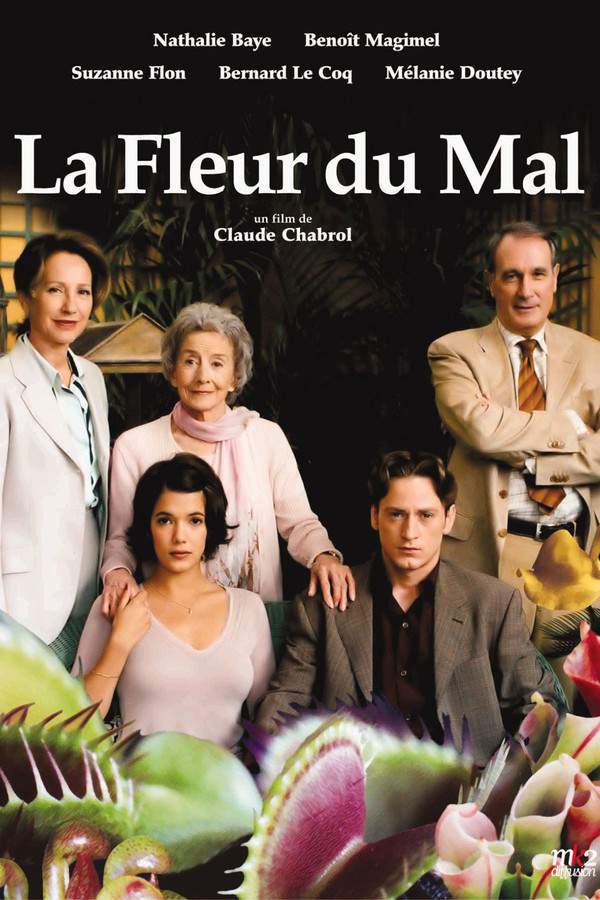
Year: 2003
Runtime: 104 min
Language: French
Director: Claude Chabrol
A French woman in her fifties, Anne Charpin-Vasseur, challenges societal norms by entering the race for mayor. Her campaign is quickly embroiled in a whirlwind of personal and political turmoil, forcing her to confront deeply buried secrets. Allegations of her family's involvement with the Nazis surface, threatening to dismantle her reputation and expose complex family dynamics. She must navigate these treacherous circumstances while battling to protect her future and uncover the truth about her past.
Find where to stream, rent, or buy The Flower of Evil (2003) in the US with current JustWatch availability, up-to-date pricing, and platform listings for subscription, rental, and digital purchase options.
Warning: spoilers below!
Haven’t seen The Flower of Evil yet? This summary contains major spoilers. Bookmark the page, watch the movie, and come back for the full breakdown. If you're ready, scroll on and relive the story!
Explore the full timeline and setting of The Flower of Evil (2003). Follow every major event in chronological order and see how the environment shapes the story, characters, and dramatic tension.
Last updated: October 22, 2024 at 21:49
Meet the key characters of The Flower of Evil (2003), with detailed profiles, motivations, and roles in the plot. Understand their emotional journeys and what they reveal about the film’s deeper themes.
Last updated: October 22, 2024 at 21:49
Explore the central themes of The Flower of Evil (2003), from psychological, social, and emotional dimensions to philosophical messages. Understand what the film is really saying beneath the surface.
Last updated: October 22, 2024 at 21:49
Browse frequently asked questions about The Flower of Evil (2003) focused on characters, relationships, themes, symbols, setting, and story context. This movie info FAQ gives spoiler-aware explanations for character arcs, world details, and thematic interpretation so readers can better understand what the film is really about.
The film primarily takes place in Bordeaux, a city famous for its wine production where protagonist Gérard runs his pharmaceutical empire. A secondary location is Pyla-sur-Mer, a seaside destination that serves as a contrasting backdrop representing escapism and romance amid the family's turbulent dynamics.
The movie is set in the modern era, reflecting the complexities of contemporary family life and political aspirations. It addresses current societal expectations and personal struggles faced by individuals today.
The film explores three major themes: love and betrayal, as seen in the secret affair between Michèle and François; justice and revenge, embodied by Line's decision to take matters into her own hands after discovering family secrets; and political ambition, which drives Anne's campaign for mayor and exposes the darker facets of competitive politics.
François is Gérard's son who returns from the United States, representing youthful idealism that clashes with his father's corrupt ways. His romance with Michèle showcases his longing for genuine connection, while his disapproval of Gérard's lifestyle highlights his moral compass and struggle between family loyalty and personal values.
Anne, a woman in her fifties, enters the race for mayor of Bordeaux, challenging traditional gender roles. Her political ambitions force her to confront buried family secrets, particularly allegations of Nazi collaboration, while she battles to protect her future and navigate the treacherous intersection of personal and public life.
Line is an elderly woman in the family who carries the weight of unresolved traumas and family history. Her harrowing secret and subsequent actions illuminate the generational impact of past conflicts, transforming her from a bystander into a pivotal character who enforces themes of justice and vengeance.
Bordeaux serves as the primary setting where Gérard's pharmaceutical empire operates, representing power, wealth, and the family's public image. The city symbolizes the polished exterior of the family that conceals darker secrets, contrasting with the revealing personal confrontations that unfold throughout the narrative.
Gérard is portrayed as a deeply flawed character struggling with alcoholism and infidelity. His reckless lifestyle and abuse of power create strained relationships with his son François and contribute to the family's unraveling. His inability to control his behavior ultimately leads to catastrophic consequences for the entire family.
Bordeaux represents the world of power, politics, and the family's public facade, while Pyla-sur-Mer serves as a contrasting seaside escape where romance and truth emerge. The tension between these settings mirrors the film's exploration of truth versus concealment, with characters seeking refuge from the family's dark secrets.
The theme of love and betrayal is exemplified through the secret affair between Michèle and François. Their relationship develops in secrecy, mirroring the family's concealed tensions and hidden agendas. The betrayal extends beyond romance to include family betrayals regarding Nazi collaboration and past traumas, ultimately leading to tragic consequences.
Michèle is Anne's daughter who grapples with her identity amid her family's turmoil. Her romantic involvement with François represents her quest for love and truth outside the family's toxic dynamics. Her challenges parallel her mother's political ambitions, highlighting her growth and personal dilemmas throughout the story.
Discover curated groups of movies connected by mood, themes, and story style. Browse collections built around emotion, atmosphere, and narrative focus to easily find films that match what you feel like watching right now.
When a public life puts a private, dark family history under the microscope.If you liked the tense unraveling of family history in The Flower of Evil, explore more movies where political campaigns, legal battles, or public fame act as the catalyst for exposing dark secrets. These films blend personal drama with societal pressure for a gripping, high-stakes narrative.
These narratives typically follow a protagonist striving for public success or validation. Their ascent draws unwanted attention, sparking an investigation or rumors that methodically peel back layers of deception, often revealing abuse, crime, or trauma within the family unit, leading to a moral and personal crisis.
They are grouped by the compelling narrative engine of a public facade clashing with a private truth. The shared experience is one of rising tension as personal and public worlds collide, exploring themes of reputation, truth, and the inescapable weight of the past.
Thrillers where the true horror is the toxic environment within the family home.Fans of The Flower of Evil's oppressive exploration of a toxic family will appreciate these similar thrillers. Discover movies where the home is not a sanctuary but a prison of secrets, built on a foundation of abuse, incest, and lies, filmed with a steady, dread-inducing pace.
The story unfolds within the confines of a family home or small community, slowly revealing a history of dysfunction through tense dialogues and shocking discoveries. The plot is driven by the characters' attempts to break free from or expose the rot at their core, often with tragic consequences.
They share a specific mood: a sense of inescapable dread generated by familial bonds turned sinister. The similarity lies in the oppressive atmosphere, the focus on psychological horror over physical action, and the exploration of profoundly disturbing themes like abuse and inherited trauma.
Don't stop at just watching - explore The Flower of Evil in full detail. From the complete plot summary and scene-by-scene timeline to character breakdowns, thematic analysis, and a deep dive into the ending - every page helps you truly understand what The Flower of Evil is all about. Plus, discover what's next after the movie.
Read a complete plot summary of The Flower of Evil, including all key story points, character arcs, and turning points. This in-depth recap is ideal for understanding the narrative structure or reviewing what happened in the movie.
Track the full timeline of The Flower of Evil with every major event arranged chronologically. Perfect for decoding non-linear storytelling, flashbacks, or parallel narratives with a clear scene-by-scene breakdown.
Discover movies like The Flower of Evil that share similar genres, themes, and storytelling elements. Whether you’re drawn to the atmosphere, character arcs, or plot structure, these curated recommendations will help you explore more films you’ll love.
The Flower of Evil (2003) Plot Summary & Movie Recap
The Flower of Evil (2003) Scene-by-Scene Movie Timeline
The Flower of Evil (2003) Spoiler-Free Summary & Key Flow
Movies Like The Flower of Evil – Similar Titles You’ll Enjoy
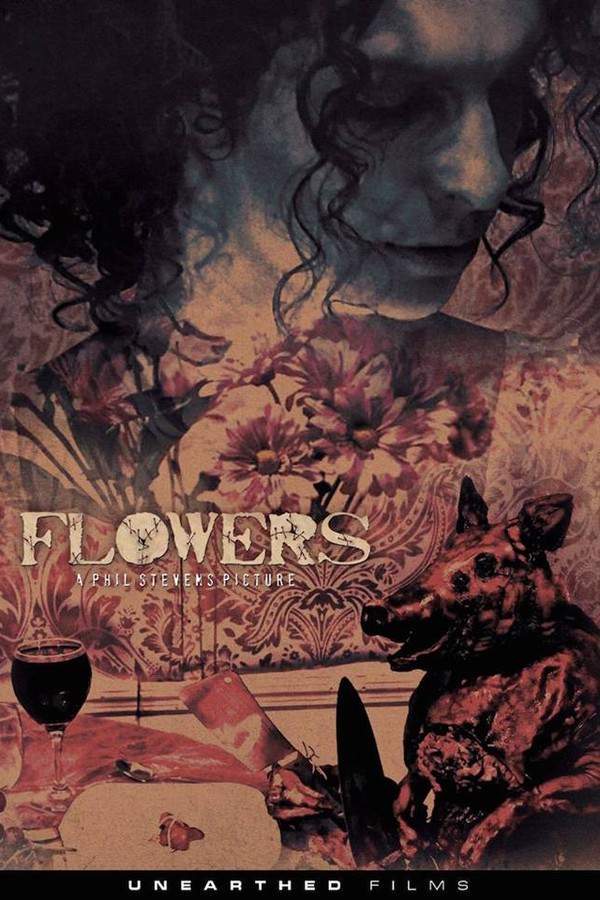
Flowers (2015) Plot Summary & Ending Explained
The Origin of Evil (2023) Plot Summary & Ending Explained
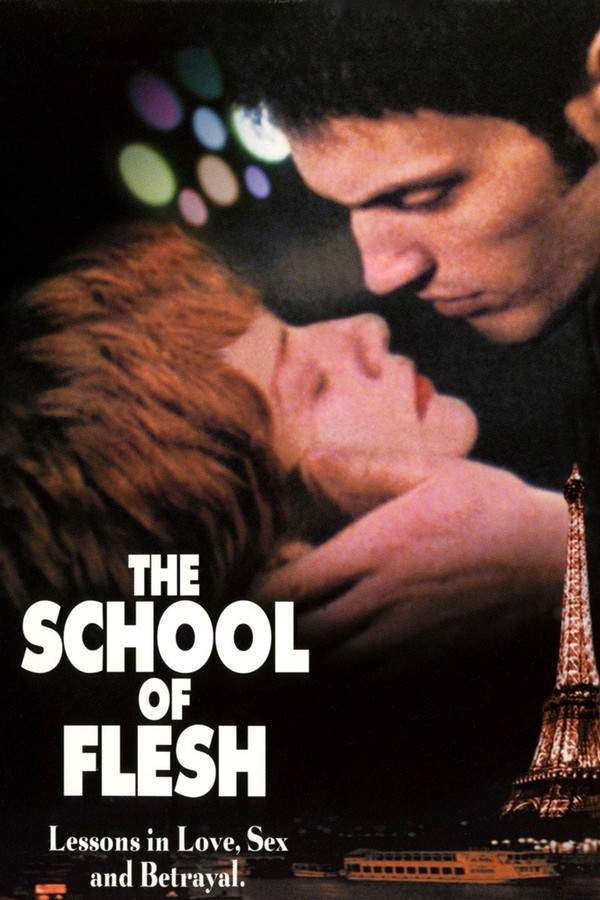
The School of Flesh (1999) Plot Summary & Ending Explained
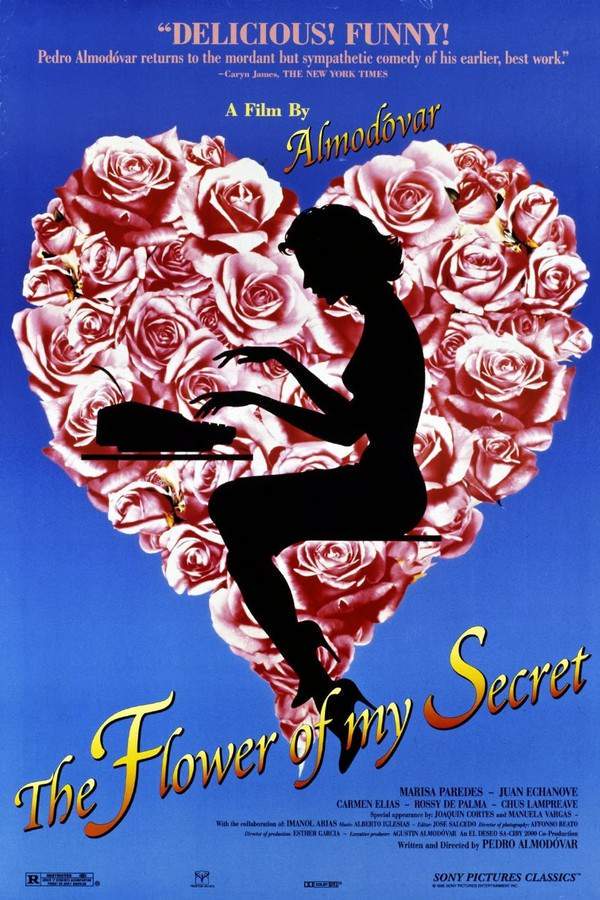
The Flower of My Secret (1996) Full Movie Breakdown
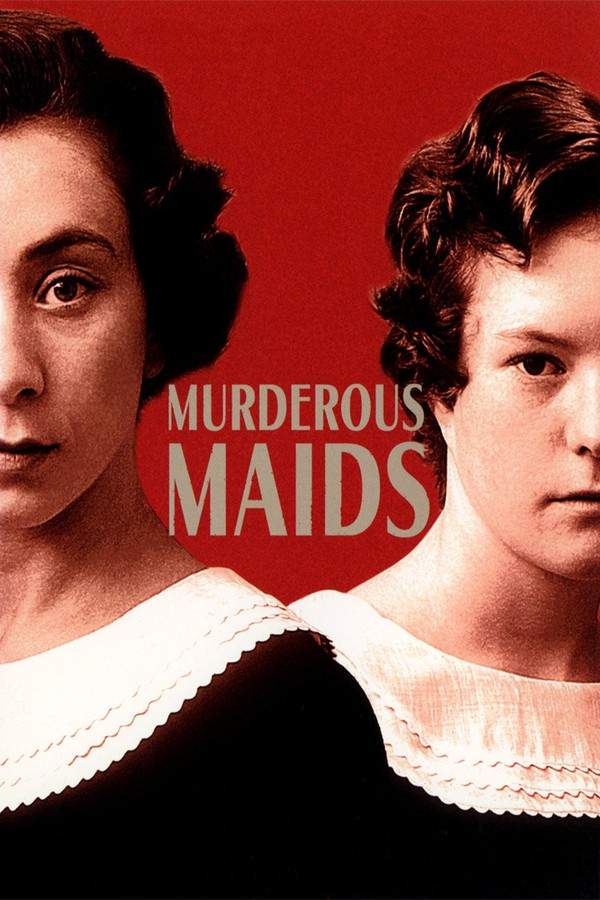
Murderous Maids (2002) Plot Summary & Ending Explained
Flower (2018) Complete Plot Breakdown
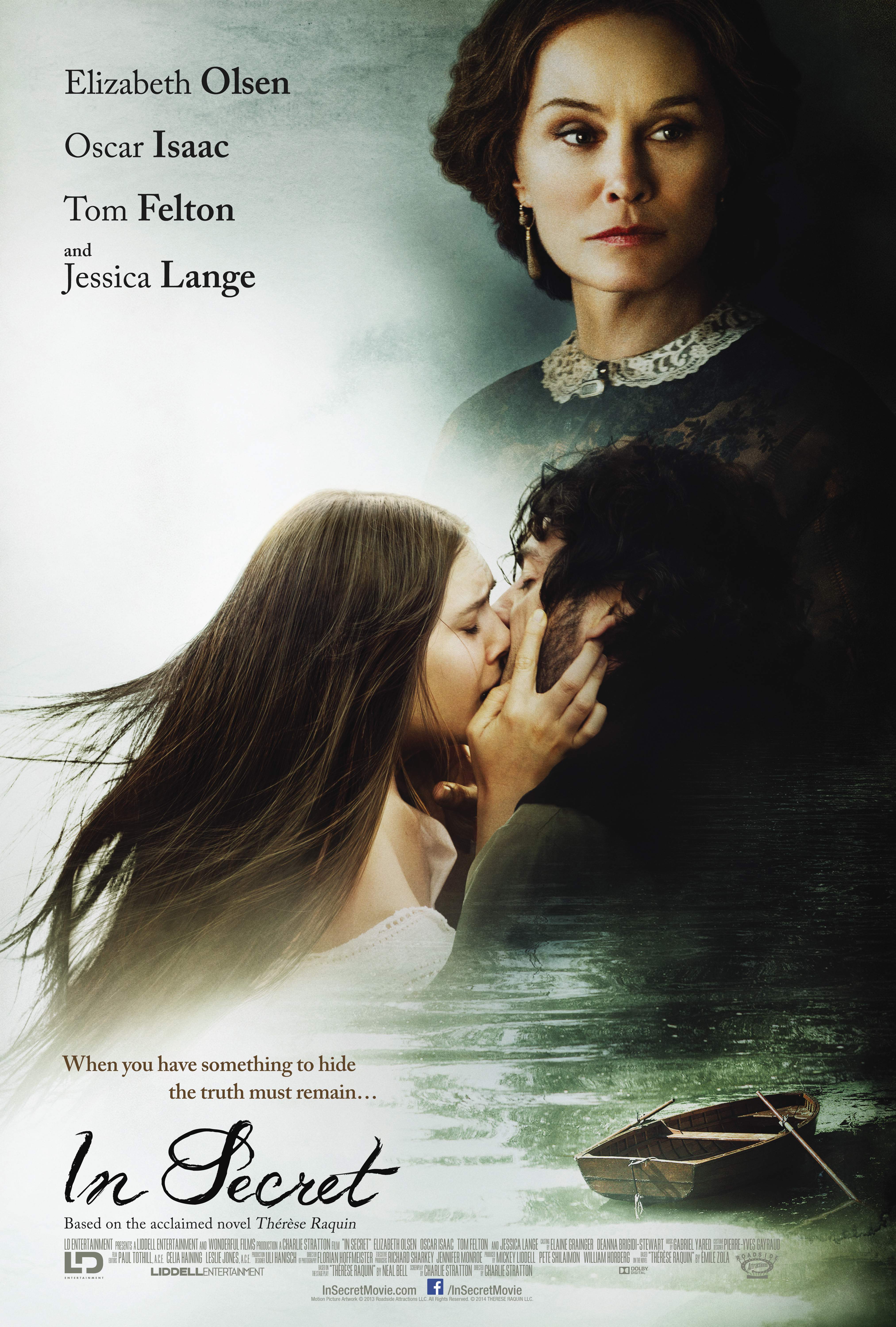
In Secret (2014) Full Movie Breakdown
The Evil Next Door (2021) Story Summary & Characters
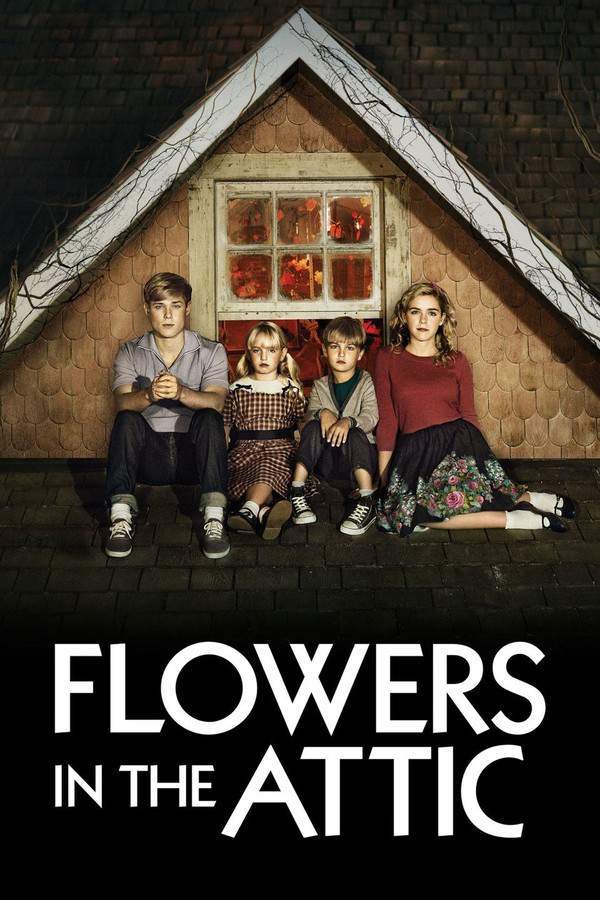
Flowers in the Attic (1987) Full Summary & Key Details
Flowers of Blood (2002) Plot Summary & Ending Explained
Flowers in the Attic: The Origin (1000) Detailed Story Recap
Sister My Sister (1994) Film Overview & Timeline
La Ceremonie (1995) Full Movie Breakdown
Innocents with Dirty Hands (1975) Full Movie Breakdown
Violette Nozière (1978) Detailed Story Recap