The End of the Pale Hour

The End of the Pale Hour

Year: 2021

Runtime: 116 mins

Language: Japanese

Director: Hana Matsumoto

RomanceDrama

A young man falls in love with a woman he meets at a party, but when she leaves him, he must face some uncomfortable truths.

Warning: spoilers below!

Haven’t seen The End of the Pale Hour yet? This summary contains major spoilers. Bookmark the page, watch the movie, and come back for the full breakdown. If you're ready, scroll on and relive the story!

Timeline – The End of the Pale Hour (2021)

Trace every key event in The End of the Pale Hour (2021) with our detailed, chronological timeline. Perfect for unpacking nonlinear stories, spotting hidden connections, and understanding how each scene builds toward the film’s climax. Whether you're revisiting or decoding for the first time, this timeline gives you the full picture.

1

2008: Lipsky learns of Wallace's death

Lipsky is dismayed to hear that David Foster Wallace has died by suicide in 2008. The film frames this moment as a prompt to revisit the recordings from their earlier interviews. It underscores how Wallace's work and memory linger in Lipsky's thoughts.

2008
2

Lipsky lands the Rolling Stone interview assignment

Lipsky persuades his editor to let him profile Wallace during the book tour. He travels to Wallace's home near Bloomington-Normal, Illinois, and begins recording their conversations. Wallace agrees to be taped but insists some material stay 'off the record' for now.

1996 Bloomington-Normal, Illinois (Wallace's home)
3

First meeting with Wallace

Wallace appears unassuming and almost convivial, yet guarded about himself. He agrees to tape the interview and shares small, intimate topics from dogs to fame and self-identity. He tacitly hints at alcoholism but offers few details.

1996 Wallace's home near Bloomington-Normal, IL
4

Off-record rules and suicide-watch discussion

Lipsky brings up Wallace's past brief institutionalization under a suicide watch, causing tension between them. Wallace makes it clear some parts of the conversation should not be quoted or published. The exchange reveals Wallace's sensitivity to how his experiences might be used.

1996 Wallace's home
5

Lipsky stays in the guest room; interviews continue

Wallace invites Lipsky to stay in the unused guest room, stacked with his books. The interview stretches late into the night as they discuss a range of topics. The next morning, they resume their conversation in a more relaxed mode.

1996 Wallace's home
6

Morning continuation of the interview

They pick up where they left off, with Wallace offering more candid thoughts. The pace slows into a sustained dialogue about writing, fame, and identity. The room and walls of books remain a constant frame for their exchange.

1996 Wallace's home
7

Trip to Minneapolis-St. Paul for the book tour finale

Lipsky accompanies Wallace to the final appearance of the tour in Minneapolis-St. Paul. They meet two women friends of Wallace—Betsy from grad school and Julie, a literary critic. The group spends the night and next day at the Mall of America.

1996 Minneapolis-St. Paul; Mall of America
8

Wallace reacts to Lipsky flirting with Betsy

Back from the mall, Wallace grows angry when he sees Lipsky flirting with Betsy. The moment exposes his vulnerability around trust, fame, and how others perceive him. It deepens the strain between the journalist and the author.

1996 Mall of America / Minneapolis-St. Paul
9

Rumors of heroin use and confrontation

Back at Wallace's home, Lipsky asks about rumors of heroin use, seeking a sensational angle. Wallace denies the allegations and accuses Lipsky of chasing a stereotype for his article. The exchange underscores the friction between journalism and the subject's privacy.

1996 Wallace's home
10

Ending morning as friends; Lipsky shares his novel

Before the trip ends, they spend a morning together as friends rather than journalist and subject. Lipsky gathers the nerve to hand Wallace a copy of his own novel, and they agree to stay in touch afterward. The scene marks a shift from interrogation toward mutual respect.

1996 Wallace's home
11

The Midwest road trip and lasting bond

Their road trip through the Midwest crystallizes the bond between Lipsky and Wallace, and Lipsky returns with a deeper sense of possibility and loneliness. The conversations cover fame, writing, and personal identity, giving Lipsky material for later reflection. The travel itself becomes a lens on their friendship.

1996 Midwest, United States
12

Closing passage: 2010 book tour and Lipsky's memoir

Fourteen years after their 1996 meetings, Lipsky is on his own book tour and reads from his memoir Although of Course You End Up Becoming Yourself (2010). He recounts the trip with Wallace and the conversations that shaped his writing and sense of loneliness. The final frame ties Wallace's influence to Lipsky's life and career.

2010 Book tour circuit

Last updated: October 01, 2025 at 10:25

Was this helpful?

The End of the Pale Hour (2021) Timeline Questions Answered – Chronology FAQ

Find frequently asked questions about the The End of the Pale Hour (2021) timeline, including chronological order, nonlinear jumps, cause-and-effect links, and scene sequence clarifications. This timeline FAQ helps explain when key events happen, how moments connect, and why the story unfolds in that specific order.

Q1

Why did David Foster Wallace commit suicide?

A.

Wallace struggled with depression and alcoholism throughout his life. The film shows he was acutely aware of the toll fame and literary success took on his identity. Though he presented an approachable exterior during the 1996 interviews, he was internally battling the loneliness and self-doubt that ultimately led to his death by suicide in 2008.

The tension during Lipsky's question about Wallace's brief suicide watch admission hints at the depth of his psychological struggles.

depressionalcoholismsuicidefameloneliness
Q2

How did David Lipsky get the interview assignment with Wallace?

A.

Lipsky was a moderately successful journalist who convinced his editor to send him to profile Wallace during the book tour for his landmark novel. He pitched the assignment himself, seeing it as an opportunity to write something more intimate than a typical promotional interview.

interview assignmentjournalistbook tourprofile
Q3

Why did asking about suicide watch cause tension between Lipsky and Wallace?

A.

When Lipsky brought up Wallace's brief voluntary admission to a suicide watch facility, Wallace became visibly uncomfortable. He had agreed to the interview on the condition that certain topics remain off the record, and this question crossed into territory Wallace felt was private and potentially exploitable for sensationalism.

suicide watchoff-recordprivacytension
Q4

Why did Wallace react so strongly to Lipsky flirting with Betsy?

A.

Wallace became angry when he saw Lipsky pursuing Betsy, one of his old grad school friends. The reaction revealed Wallace's vulnerability around trust and how others perceived him. He felt protective of his personal relationships and wary of how an outsider might affect the dynamics of his close friendships, especially under the scrutiny of someone documenting his life.

betsyjealousytrustfriendshipboundaries
Q5

What happened when Lipsky asked about heroin rumors?

A.

Back at Wallace's home, Lipsky directly asked about rumors of heroin use, seeking a sensational angle for his article. Wallace denied the allegations and accused Lipsky of chasing a stereotype rather than genuinely understanding him. This confrontation highlighted the friction between journalistic ambition and a subject's right to privacy.

heroinrumorsconfrontationprivacyjournalism
Q6

What were the off-record rules in the interview?

A.

Wallace agreed to be taped but insisted that certain material stay "off the record" for now. He wanted control over how his personal struggles, particularly regarding addiction and mental health, would be portrayed. This boundary was central to their dynamic, as Wallace wanted candor without sacrificing his privacy.

off-recordprivacyboundariesinterview conditions
Q7

Did Lipsky and Wallace stay in touch after the interview?

A.

Yes. Before Lipsky left, they spent a morning together as friends rather than journalist and subject. Lipsky handed Wallace a copy of his own novel, and they agreed to keep in touch. However, Wallace's suicide in 2008 prevented a continued friendship from developing further.

friendshipcontactfollow-upconnection
Q8

How did the interview experience change David Lipsky?

A.

The encounter profoundly impacted Lipsky. Fourteen years later, on his own book tour, he reads from his memoir recounting the 1996 trip. The conversations with Wallace helped ease his loneliness and reframed his relationship to writing, fame, and the people who shape a writer's voice. The experience became a defining moment in his personal and professional life.

transformationgrowthlonelinesswritingmemoir
Q9

What is Lipsky's memoir about?

A.

Lipsky's memoir, 'Although of Course You End Up Becoming Yourself' (2010), recounts his 1996 road trip with Wallace. It explores the conversations they had about fame, writing, identity, and the complexities of friendship between a journalist and his subject. The book captures how Wallace's wisdom and vulnerability left a lasting impression on Lipsky.

memoirbook1996 road tripconversations
Q10

Why was Wallace so guarded about his personal struggles?

A.

While Wallace appeared approachable and even convivial during the interviews, he was carefully guarded about the depth of his alcoholism and mental health battles. He feared that too much transparency would be exploited by journalists and reduce his work to a narrative about suffering rather than his literary achievements.

guardedprivacyalcoholismmental healthvulnerability
Mobile App Preview

Coming soon on iOS and Android

The Plot Explained Mobile App

From blockbusters to hidden gems - dive into movie stories anytime, anywhere. Save your favorites, discover plots faster, and never miss a twist again.

Sign up to be the first to know when we launch. Your email stays private, always.

Explore Movie Threads

Discover curated groups of movies connected by mood, themes, and story style. Browse collections built around emotion, atmosphere, and narrative focus to easily find films that match what you feel like watching right now.

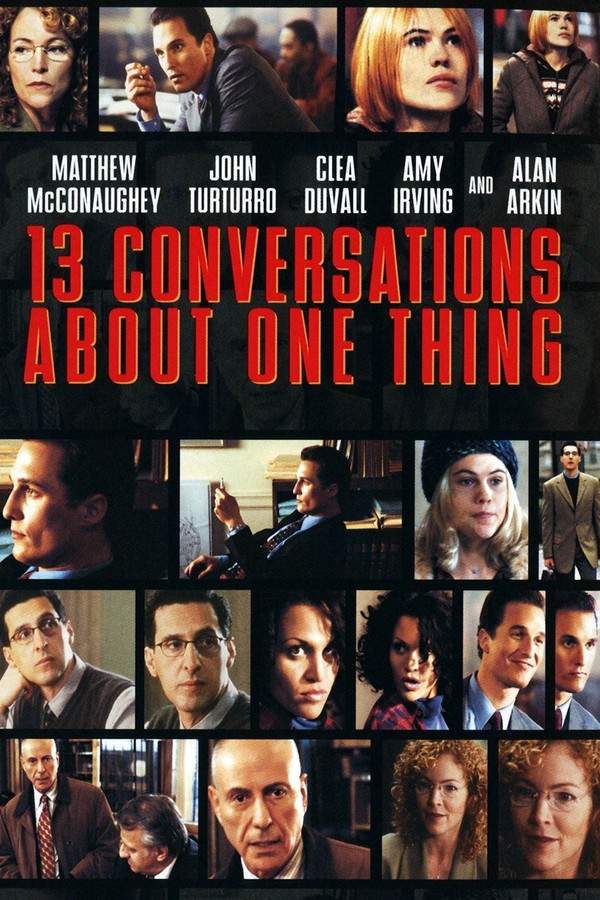
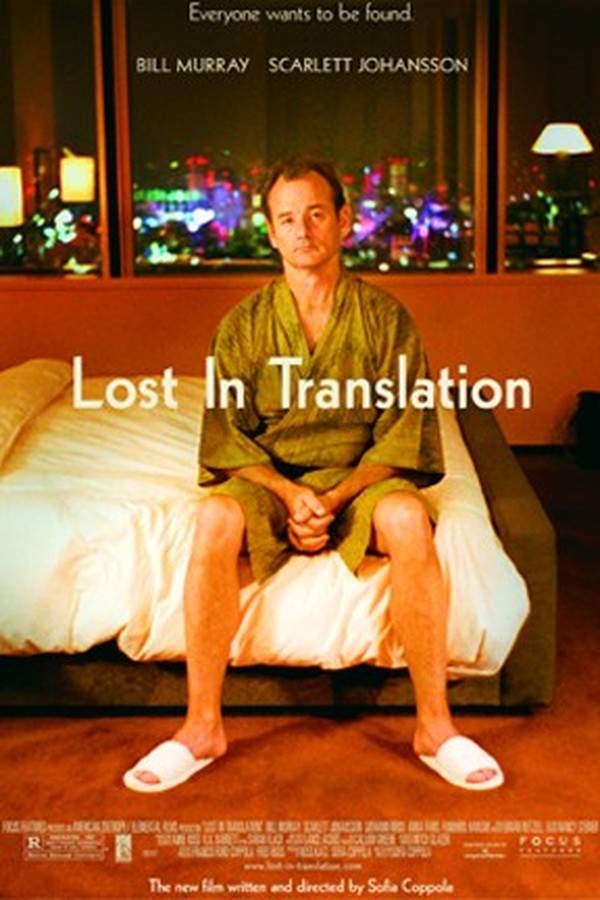
Movies about revealing conversations like The End of the Pale Hour

Films centered on deep dialogues that reveal hidden truths about the self.If you appreciated the deep, character-revealing dialogues in The End of the Pale Hour, this thread gathers similar movies where conversation is the main event. These films focus on intimate storytelling, exploring identity, memory, and connection through thoughtful exchanges between characters.

intimateconversationalreflectivecandidphilosophicalrestrainedvulnerable

Narrative Summary

The narrative unfolds primarily through dialogue, often between two characters in a confined setting. The plot is driven by revelations about the past, confrontations with personal truth, and the gradual dismantling of facades. The journey is internal, focusing on self-discovery and the impact of a profound, temporary connection.

Why These Movies?

They are grouped by their shared focus on dialogue-driven character exploration, a restrained and reflective mood, and the use of conversation as the primary engine for both plot and emotional depth. The pacing is typically deliberate, allowing space for ideas and emotions to resonate.

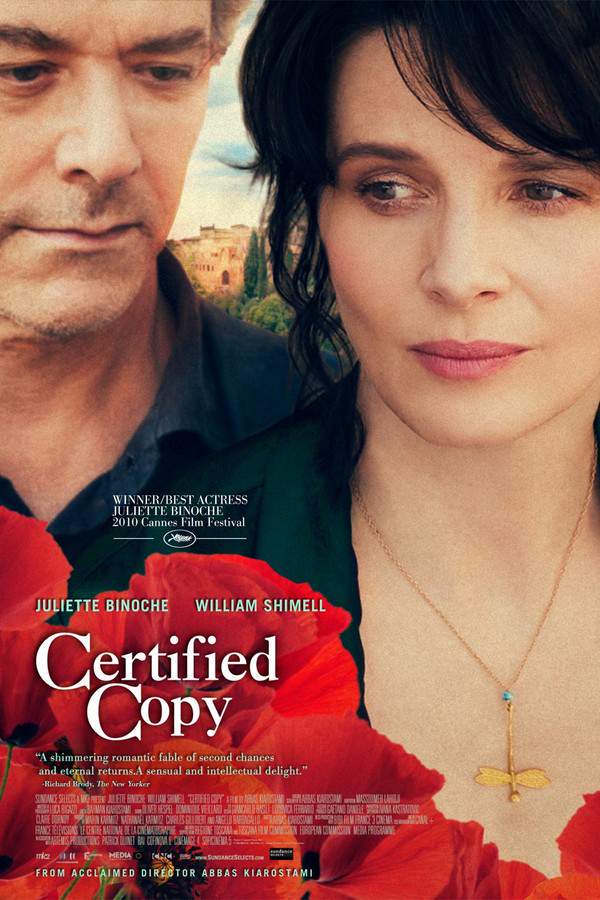
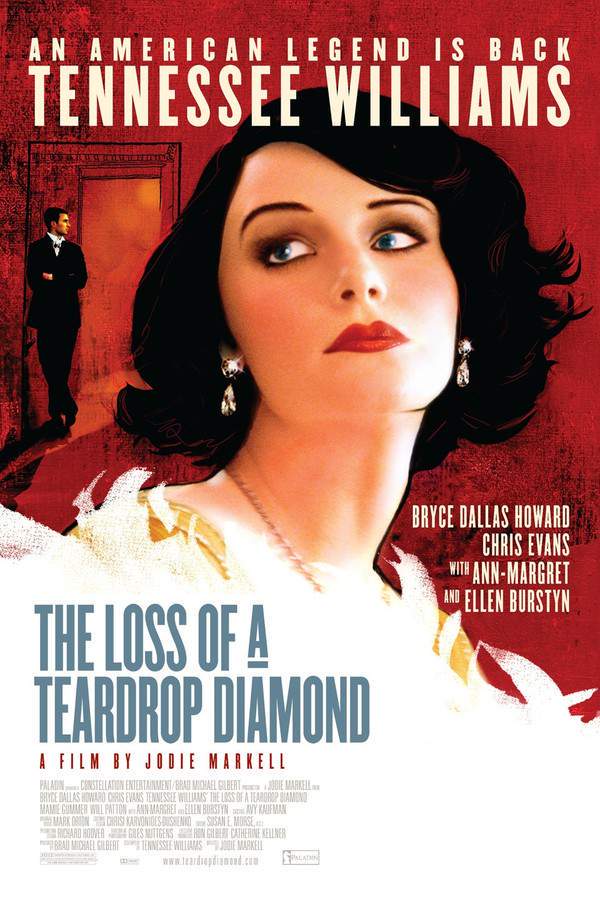
Melancholic stories of memory and loss like The End of the Pale Hour

Stories framed by loss, looking back with a mix of sadness and understanding.For viewers who liked the reflective and bittersweet tone of The End of the Pale Hour, this collection highlights movies that explore memory in the wake of loss. These films often use a slow pace and non-linear storytelling to delve into themes of grief, identity, and the lasting impact of a relationship.

melancholicnostalgicreflectivebittersweetlonelyintrospectiveelegiac

Narrative Summary

The narrative often begins with or circles around a pivotal loss, using flashbacks and memory to reconstruct a relationship. The emotional arc is one of coming to terms with the past, gaining insight, and finding a form of peace that is tinged with permanent sadness. The ending is typically bittersweet, emphasizing growth through pain.

Why These Movies?

They share a core structure of reflection on a past connection, a melancholic and introspective tone, and a focus on the emotional aftermath of loss. The pacing is slow to allow for deep immersion in the character's emotional state and the process of remembering.

Unlock the Full Story of The End of the Pale Hour

Don't stop at just watching - explore The End of the Pale Hour in full detail. From the complete plot summary and scene-by-scene timeline to character breakdowns, thematic analysis, and a deep dive into the ending - every page helps you truly understand what The End of the Pale Hour is all about. Plus, discover what's next after the movie.

The End of the Pale Hour Summary

Read a complete plot summary of The End of the Pale Hour, including all key story points, character arcs, and turning points. This in-depth recap is ideal for understanding the narrative structure or reviewing what happened in the movie.

The End of the Pale Hour Summary

Characters, Settings & Themes in The End of the Pale Hour

Discover the characters, locations, and core themes that shape The End of the Pale Hour. Get insights into symbolic elements, setting significance, and deeper narrative meaning - ideal for thematic analysis and movie breakdowns.

Characters, Settings & Themes in The End of the Pale Hour

The End of the Pale Hour Spoiler-Free Summary

Get a quick, spoiler-free overview of The End of the Pale Hour that covers the main plot points and key details without revealing any major twists or spoilers. Perfect for those who want to know what to expect before diving in.

The End of the Pale Hour Spoiler-Free Summary

More About The End of the Pale Hour

Visit What's After the Movie to explore more about The End of the Pale Hour: box office results, cast and crew info, production details, post-credit scenes, and external links - all in one place for movie fans and researchers.

More About The End of the Pale Hour

Similar Movies to The End of the Pale Hour

Discover movies like The End of the Pale Hour that share similar genres, themes, and storytelling elements. Whether you’re drawn to the atmosphere, character arcs, or plot structure, these curated recommendations will help you explore more films you’ll love.