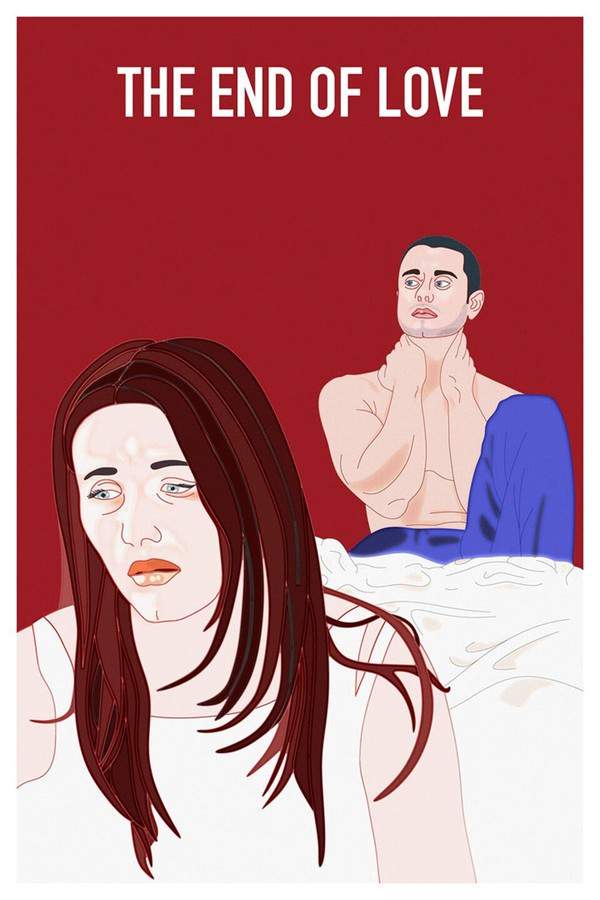
The End of the Pale Hour

The End of the Pale Hour

Year: 2021

Runtime: 116 mins

Language: Japanese

Director: Hana Matsumoto

RomanceDrama

A young man falls in love with a woman he meets at a party, but when she leaves him, he must face some uncomfortable truths.

Warning: spoilers below!

Haven’t seen The End of the Pale Hour yet? This summary contains major spoilers. Bookmark the page, watch the movie, and come back for the full breakdown. If you're ready, scroll on and relive the story!

Timeline & Setting – The End of the Pale Hour (2021)

Explore the full timeline and setting of The End of the Pale Hour (2021). Follow every major event in chronological order and see how the environment shapes the story, characters, and dramatic tension.

Time period

1996

Primarily set in 1996 during David Foster Wallace's book tour, the conversations unfold over several days at Wallace's home and on the road. The film also revisits 2010 in a closing montage that recollects the earlier trip. References to 2008 and the suicide of Wallace frame the present-day perspective on their conversations.

Location

Bloomington-Normal, Illinois, Minneapolis–Saint Paul, Minnesota, Mall of America

Set around the outskirts of Bloomington-Normal, Illinois, near Illinois State University, the story unfolds in a quiet Midwestern town that hosts a high-profile author. The setting emphasizes intimate, long-form conversations away from the glare of fame. The trip later shifts to Minneapolis-Saint Paul and the Mall of America during the book tour.

🏙️ Illinois setting 🗺️ Midwestern locale 🎓 Academic backdrop

Last updated: October 01, 2025 at 10:12

Was this helpful?

Main Characters – The End of the Pale Hour (2021)

Meet the key characters of The End of the Pale Hour (2021), with detailed profiles, motivations, and roles in the plot. Understand their emotional journeys and what they reveal about the film’s deeper themes.

David Lipsky

A journalist from Rolling Stone who travels with Wallace to cover the book tour. He is initially skeptical yet becomes awed by Wallace's intellect, using the interviews to bridge loneliness with the hope of a meaningful, published story. His persistence, empathy, and self-doubt shape his approach to both the writer and the relationship they form.

🖊️ Writer 🎙️ Interviewer 🧭 Insightful

David Foster Wallace

A brilliant but guarded author whose generosity and humor mask a wary, fragile vulnerability. He invites Lipsky into intimate conversations while fiercely protecting aspects of his private life. The exchanges reveal his intelligence, self-doubt, and conflicted relationship with fame, fame's expectations, and self-identity.

📚 Intellectual 🎭 Complex 🧭 Self-aware

Last updated: October 01, 2025 at 10:12

Was this helpful?

Major Themes – The End of the Pale Hour (2021)

Explore the central themes of The End of the Pale Hour (2021), from psychological, social, and emotional dimensions to philosophical messages. Understand what the film is really saying beneath the surface.

🎭 Fame & Identity

The film probes how sudden literary fame reshapes who Wallace and Lipsky are, and how public perception can obscure private truth. Wallace guards his inner life behind a genial demeanor even as fame presses in. Lipsky's ambition to capture a monumental interview collides with questions about who gets to define a writer's identity, both on and off the page.

💊 Addiction & Vulnerability

Wallace openly or implicitly confronts struggles with alcohol, while rumors of heroin abuse surface, highlighting the personal costs of genius and expectation. The conversations reveal a man wrestling with dependency and the perilous line between candor and self-protection. The dynamic shows how vulnerability can both deepen connection and complicate memory.

🗞️ Journalism & Truth

Lipsky records the interviews with Wallace, negotiating quotes and off-the-record moments, which raises questions about authorship and memory. The film examines the ethics of journalism and how a single conversation can shape a book and a life. Memory, interpretation, and the tension between what is said and what is kept private drive the narrative.

Last updated: October 01, 2025 at 10:12

Was this helpful?

The End of the Pale Hour (2021) Character & Theme Questions Answered – Info FAQ

Browse frequently asked questions about The End of the Pale Hour (2021) focused on characters, relationships, themes, symbols, setting, and story context. This movie info FAQ gives spoiler-aware explanations for character arcs, world details, and thematic interpretation so readers can better understand what the film is really about.

Q1

Where does the story take place?

A.

The film unfolds primarily in the Midwestern towns of Bloomington-Normal, Illinois, near Illinois State University, and shifts to Minneapolis-Saint Paul, Minnesota, including a visit to the Mall of America. These settings reflect the intimate, small-town atmosphere of David Foster Wallace's book tour.

The quiet Illinois setting contrasts with the later bustling Mall of America scene, highlighting the tension between Wallace's private life and public persona.

bloomington-normalminneapolisillinois settingmidwestmall of america
Q2

What time period is the movie set in?

A.

The main narrative takes place in 1996 during David Foster Wallace's Infinite Jest book tour. The film also includes a closing montage set in 2010 and opens with references to 2008, when Wallace died by suicide.

The 2008 suicide framing at the beginning casts a shadow over the 1996 conversations, adding tragic hindsight to their interactions.

199620082010book tourtime period
Q3

What are the main themes explored in the film?

A.

The film explores three interconnected themes: Fame and Identity, as Wallace navigates how public perception obscures private truth; Addiction and Vulnerability, examining his struggles with alcohol and the fragile line between candor and self-protection; and Journalism and Truth, questioning the ethics of representing someone's life in writing.

The opening reference to Wallace's 2008 suicide establishes the tragic context that informs every conversation about vulnerability and authenticity.

fameidentityaddictionjournalismtruththemes
Q4

Who is David Lipsky and what is his role?

A.

David Lipsky is a Rolling Stone journalist who interviews Wallace during his book tour. Initially skeptical, he becomes awed by Wallace's intellect and uses the interviews to combat his own loneliness while pursuing a meaningful published story. His role is that of both observer and participant, grappling with questions of authorship and identity.

Lipsky's initial skepticism gives way to genuine admiration, setting up the emotional complexity of their relationship.

david lipskyjournalistrolling stoneinterviewer
Q5

Who is David Foster Wallace in the story?

A.

David Foster Wallace is the celebrated but guarded author of Infinite Jest, known for his brilliance and wit. He invites Lipsky into intimate conversations while fiercely protecting his private life, revealing intelligence, self-doubt, and a conflicted relationship with fame and self-identity.

Wallace's generous humor early in their meetings masks the vulnerability and self-protection that become central to the story's emotional weight.

david foster wallaceauthorinfinite jestwriter
Q6

How does fame affect David Foster Wallace?

A.

Fame reshapes Wallace's identity, forcing him to guard his inner life behind a genial public demeanor. The pressure of public expectation creates tension between who he is privately and who the public perceives him to be, a central conflict throughout the book tour.

Wallace's comfort with Lipsky in private settings contrasts sharply with his public appearances, foreshadowing the divide between his public and private selves.

famepublic personaprivate lifeexpectations
Q7

What does the film say about journalism and truth?

A.

The film examines how Lipsky's recorded interviews with Wallace raise questions about authorship, memory, and the ethics of journalism. It explores how a single conversation can shape both a book and a life, highlighting the tension between what is said publicly and what remains private.

The opening montage establishes that Lipsky will later write about these conversations, creating dramatic irony about how Wallace's words will be preserved and interpreted.

journalismtruthethicsmemoryinterviews
Q8

What is the overall tone and emotional impact of the film?

A.

The film has a melancholic, reflective tone focused on memory, loss, and introspection. While it deals with serious themes like addiction and suicide, the storytelling is restrained and thoughtful rather than stressful, creating a bittersweet experience centered on human connection.

The non-linear structure, beginning with Wallace's 2008 suicide before rewinding to 1996, establishes the bittersweet nature of revisiting these conversations.

tonemelancholyreflectionemotional impactbittersweet
Mobile App Preview

Coming soon on iOS and Android

The Plot Explained Mobile App

From blockbusters to hidden gems - dive into movie stories anytime, anywhere. Save your favorites, discover plots faster, and never miss a twist again.

Sign up to be the first to know when we launch. Your email stays private, always.

Explore Movie Threads

Discover curated groups of movies connected by mood, themes, and story style. Browse collections built around emotion, atmosphere, and narrative focus to easily find films that match what you feel like watching right now.

Movies about revealing conversations like The End of the Pale Hour

Films centered on deep dialogues that reveal hidden truths about the self.If you appreciated the deep, character-revealing dialogues in The End of the Pale Hour, this thread gathers similar movies where conversation is the main event. These films focus on intimate storytelling, exploring identity, memory, and connection through thoughtful exchanges between characters.

intimateconversationalreflectivecandidphilosophicalrestrainedvulnerable

Narrative Summary

The narrative unfolds primarily through dialogue, often between two characters in a confined setting. The plot is driven by revelations about the past, confrontations with personal truth, and the gradual dismantling of facades. The journey is internal, focusing on self-discovery and the impact of a profound, temporary connection.

Why These Movies?

They are grouped by their shared focus on dialogue-driven character exploration, a restrained and reflective mood, and the use of conversation as the primary engine for both plot and emotional depth. The pacing is typically deliberate, allowing space for ideas and emotions to resonate.

Melancholic stories of memory and loss like The End of the Pale Hour

Stories framed by loss, looking back with a mix of sadness and understanding.For viewers who liked the reflective and bittersweet tone of The End of the Pale Hour, this collection highlights movies that explore memory in the wake of loss. These films often use a slow pace and non-linear storytelling to delve into themes of grief, identity, and the lasting impact of a relationship.

melancholicnostalgicreflectivebittersweetlonelyintrospectiveelegiac

Narrative Summary

The narrative often begins with or circles around a pivotal loss, using flashbacks and memory to reconstruct a relationship. The emotional arc is one of coming to terms with the past, gaining insight, and finding a form of peace that is tinged with permanent sadness. The ending is typically bittersweet, emphasizing growth through pain.

Why These Movies?

They share a core structure of reflection on a past connection, a melancholic and introspective tone, and a focus on the emotional aftermath of loss. The pacing is slow to allow for deep immersion in the character's emotional state and the process of remembering.

Unlock the Full Story of The End of the Pale Hour

Don't stop at just watching - explore The End of the Pale Hour in full detail. From the complete plot summary and scene-by-scene timeline to character breakdowns, thematic analysis, and a deep dive into the ending - every page helps you truly understand what The End of the Pale Hour is all about. Plus, discover what's next after the movie.

The End of the Pale Hour Summary

Read a complete plot summary of The End of the Pale Hour, including all key story points, character arcs, and turning points. This in-depth recap is ideal for understanding the narrative structure or reviewing what happened in the movie.

The End of the Pale Hour Summary

The End of the Pale Hour Timeline

Track the full timeline of The End of the Pale Hour with every major event arranged chronologically. Perfect for decoding non-linear storytelling, flashbacks, or parallel narratives with a clear scene-by-scene breakdown.

The End of the Pale Hour Timeline

The End of the Pale Hour Spoiler-Free Summary

Get a quick, spoiler-free overview of The End of the Pale Hour that covers the main plot points and key details without revealing any major twists or spoilers. Perfect for those who want to know what to expect before diving in.

The End of the Pale Hour Spoiler-Free Summary

More About The End of the Pale Hour

Visit What's After the Movie to explore more about The End of the Pale Hour: box office results, cast and crew info, production details, post-credit scenes, and external links - all in one place for movie fans and researchers.

More About The End of the Pale Hour

Similar Movies to The End of the Pale Hour

Discover movies like The End of the Pale Hour that share similar genres, themes, and storytelling elements. Whether you’re drawn to the atmosphere, character arcs, or plot structure, these curated recommendations will help you explore more films you’ll love.