Plot Explained Spoilers guaranteed!
Plot Explained

Browse by genre

The Easiest Way (1931) movie poster

Characters & Themes

The Easiest Way (1931) Characters, Setting & Themes Explained

Release, runtime and language
1931 · 73 mins · English
Directed by
Jack Conway
Starring
Adolphe Menjou, Clark Gable, Robert Montgomery, Charles Judels, Marjorie Rambeau, Anita Page

Laura Murdock, raised in a poor working‑class family, rejects the childhood sweetheart’s proposal and moves in with the wealthy, older William Brockton. She later falls for ambitious newsman Jack Madison, leaves William and waits for Jack’s return. Penniless, she returns to William, who demands she tell Jack the truth about her situation.

On this page (7)
  1. 1 Characters explained (12)
  2. 2 Where & when it takes place
  3. 3 Themes & meaning (3)
  4. 4 Character & meaning questions
  5. 5 Movie threads
  6. 6 Movies like The Easiest Way
  7. 7 Every angle

12 main characters · contains spoilers

The Easiest Way Characters Explained: Who Is Who

The main characters of The Easiest Way (1931), heroes and villains: what drives them, how they change over the course of the story and what each of them reveals about the film's bigger ideas.

  • Laura Murdock (Constance Bennett)

    Laura grows up in a poor family but is drawn into a luxury world after meeting Brockton. She accepts expensive gifts and a high-society lifestyle, even as it creates distance from her family. Her ambition drives her to pursue security and status, often at the expense of transparency with Jack and those who care for her.

    • 💎 Wealth
    • 💔 Betrayal
    • 🎭 Ambition
  • Nickolas (Nick) Feliki (Clark Gable)

    Nick is a proud, working-class man who marries Laura’s sister Peg and resists associations with Laura’s new lifestyle. He embodies a blunt, no-nonsense morality and values family reputation over wealth. His anger at Laura’s arrangement with Brockton highlights the clash between loyalty and pride.

    • 🧱 Working-class
    • ⚖️ Morality
    • 💬 Loyalty
  • William Brockton (Adolphe Menjou)

    Brockton is a wealthy, older man who showers Laura with gifts and pulls her into a luxurious but ethically fraught life. His charm masks a controlling approach to Laura, using wealth as leverage to keep her close. He represents the seductive danger of affluence and social power.

    • 💼 Power
    • 🎭 Charisma
    • 💰 Wealth
  • Jack Madison (Robert Montgomery)

    Jack is a young, principled newsman who vows fidelity to Laura. He is drawn into Laura’s world, but when deceit comes to light, his trust shatters and he must choose between love and honesty. His departure marks a moral reckoning for Laura.

    • 🗞️ Journalism
    • 💔 Loyalty
    • 💡 Hope
  • Elfie St. Clair (Marjorie Rambeau)

    Elfie is Laura’s former confidante who offers practical but dangerous advice to improve Laura’s circumstances. She embodies opportunism and social climbing, often pushing Laura toward quick fixes. Her presence intensifies the tension between loyalty and financial desperation.

    • 💬 Gossip
    • 🪙 Opportunism
    • 🔎 Influence
  • Peg Murdock (Anita Page)

    Peg is Laura’s sister, married to Nick, representing a more conventional path. She embodies tradition and the safety of domestic life, providing a foil to Laura’s ascent. Peg’s choices anchor the family’s hopes and tensions as the plot unfolds.

    • 💍 Marriage
    • 🏠 Tradition
    • 💞 Loyalty
  • Ben Murdock (J. Farrell MacDonald)

    Ben is Laura’s father, urging Peg to marry Nick and valuing family stability. He anchors the family’s working-class roots and serves as a counterpoint to Laura’s drift into wealth. His perspective highlights the tension between duty and individual desire.

    • 👨‍👩‍👧 Family
    • 🧭 Duty
    • 🧱 Tradition
  • Agnes Murdock (Clara Blandick)

    Agnes is Laura’s mother who notices Laura’s changes and worries about the impact on the family. She represents concern for reputation and the moral weight of Laura’s decisions. Her observations emphasize the familial consequences of Laura’s choices.

    • 👩‍👧 Family
    • 💬 Concern
    • 🧭 Reputation
  • Mrs. Clara Williams (Hedda Hopper)

    Clara Williams appears as part of the social circle surrounding the Murdocks and Brockton. She embodies the era’s social scrutiny and expectations, reflecting how society weighs a woman’s actions. Her presence underscores the pressure Laura faces from outside voices.

    • 🏛️ Social Pressure
    • 🗣️ Gossip
    • 🧭 Reputation
  • Chris Swoboda (John Harron)

    Chris is Laura’s early suitor who represents the ordinary, earnest path before she encounters Brockton. His presence signals Laura’s conflicting romantic options and the consequences of choosing wealth over genuine connection. He remains a reminder of the life Laura might have led.

    • 💬 Romance
    • 💭 Choice
    • 🧭 Loyalty
  • Bobby Murdock (Andy Shuford)

    Bobby is the younger member of the Murdock family, mirroring the familial dynamics and the stake of the next generation. His presence highlights the family’s enduring ties and the consequences of adult choices on children. He serves as a humanity touchstone within the drama.

    • 👶 Innocence
    • 🏡 Family
    • 🌟 Hope
  • Mr. Gensler (Charles Judels)

    Mr. Gensler appears as a figure within the social or business network surrounding the main characters. He adds to the world of deal-making and the social machinery that enables the wealthy to operate. His presence reinforces the film’s backdrop of power and commerce.

    • 🏛️ Authority
    • 💼 Business
    • 🧠 Influence

Last updated: October 04, 2025 at 14:31

Was this helpful?

Setting

Where and When Does The Easiest Way Take Place?

The setting of The Easiest Way (1931): the year and time period, the places and locations, and how they shape the characters, the mood and the tension of the story.

Time period

Location

New York City, Colorado

Set across New York City's upscale social scene and a Colorado vacation backdrop, the story moves between wealth and everyday life. The opulent Brockton apartment and Laura's later work at Macy's anchor the glamorous, high-society milieu, while the Colorado interlude provides a contrast of freedom and temptation. The setting highlights the pull between luxury and family roots that drives the drama.

  • 🏙️ City Life
  • 🎭 Drama
  • 💎 Wealth

Last updated: October 04, 2025 at 14:31

Was this helpful?

3 major themes

The Easiest Way Meaning: Themes & Message Explained

What is The Easiest Way (1931) really about? The emotional, social and philosophical themes the film keeps returning to, its symbolism and the message beneath the surface.

  • Wealth & Status

    Laura is drawn into William Brockton's world of luxury, where expensive gifts and a chic apartment promise happiness. The film uses wealth as a lure that masks moral costs and strains family bonds. The allure of material comfort drives Laura to conceal true loyalties, highlighting how status can corrupt judgment.

  • Fidelity & Deception

    Laura promises fidelity to Jack and plans to leave Brockton, but deception undermines her love. Brockton publicly exposes the secret, forcing Jack to confront the truth and leave. The narrative centers on broken promises and the personal price of deceit.

  • Family & Repercussions

    The Murdock family represents Laura's roots, and the changing dynamics show how wealth strains familial loyalty. Agnes and Ben confront Laura as her behavior shifts, while Nick's judgment underscores moral standards in a working-class circle. The film demonstrates the consequences of choices on family ties.

Last updated: October 04, 2025 at 14:31

Was this helpful?

Character & theme questions

The Easiest Way Characters & Meaning: Your Questions Answered

The questions people ask about The Easiest Way (1931): who the characters really are, their relationships, what the symbols mean, where it takes place and what the movie is really about. Each answer contains spoilers.

Q1

Where does The Easiest Way take place?

The film is set primarily in New York City's upscale social scene, featuring the luxurious Brockton apartment and Laura's later job at Macy's. A key portion of the story unfolds in Colorado, providing a contrasting backdrop of freedom and temptation that highlights the tension between wealth and Laura's working-class roots.

  • new york city
  • colorado
  • setting
  • locations
  • upper class
Q2

What time period is the film set in?

The film is set in the early 1930s, reflecting the era's stark contrast between wealthy social circles and working-class struggles. The fashion, social customs, and economic pressures depicted align with the Great Depression era, when material security became an even more urgent concern.

  • 1930s
  • era
  • time period
  • great depression
  • vintage
Q3

What does the Wealth and Status theme mean in the movie?

The film uses William Brockton's world of luxury to explore how wealth functions as a seductive lure that masks moral costs. Laura's acceptance of expensive gifts and a chic apartment represents the allure of material comfort, which the movie critiques by showing how status corrupts judgment and strains family bonds.

  • wealth
  • status
  • materialism
  • social class
  • money
Q4

How does Fidelity and Deception theme play out in the story?

Laura promises fidelity to Jack Madison and plans to leave Brockton, but her deception undermines their relationship. When Brockton publicly exposes her secret, Jack must confront the truth and ultimately leaves. The narrative centers on broken promises and the personal price paid for deceit.

  • fidelity
  • deception
  • trust
  • betrayal
  • honesty
Q5

How does Family and Repercussions theme affect Laura?

The Murdock family represents Laura's roots, and her pursuit of wealth creates distance from her working-class family. Her sister Peg and brother-in-law Nick confront her choices, while her parents Ben and Agnes worry about family reputation. The film demonstrates how individual choices ripple through family ties.

  • family
  • repercussions
  • working class
  • family bonds
  • relationships
Q6

Who is Laura Murdock and what drives her?

Laura Murdock is the film's protagonist, a woman raised in a poor working-class family who becomes drawn into William Brockton's luxurious world. Her ambition for security and status drives her to accept expensive gifts and a high-social position, often at the expense of transparency with Jack Madison and her own family.

  • laura murdock
  • protagonist
  • ambition
  • character motivation
Q7

Who is William Brockton in the story?

William Brockton is a wealthy, older man who Pulls Laura into a luxurious but ethically fraught lifestyle through gifts and charm. He represents the seductive danger of affluence and social power, using wealth as leverage to maintain control over Laura while masking a controlling nature.

  • william brockton
  • wealthy man
  • antagonist
  • manipulation
Q8

Who is Jack Madison and what role does he play?

Jack Madison is a young, principled newsman who vows fidelity to Laura. He represents the honest, principled path Laura could have taken. When the truth about her arrangement with Brockton is exposed, Jack's trust shatters, forcing a moral reckoning that drives the film's emotional core.

  • jack madison
  • newsman
  • love interest
  • principles
Q9

Who is Nick Feliki and what does he represent?

Nick Feliki is Laura's brother-in-law, married to her sister Peg, who embodies blunt working-class morality. He resists associations with Laura's wealthy lifestyle and judges her choices severely. Nick represents the clash between loyalty, family reputation, and pride versus the temptation of wealth.

  • nick feliki
  • brother in law
  • moral compass
  • working class
Q10

What is the main conflict between social classes in the film?

The film centers on the conflict between New York's wealthy elite, represented by Brockton's opulent apartment, and Laura's working-class Murdock family roots. This tension manifests through Laura's struggle to choose between material security and genuine love, with the setting itself highlighting the pull between luxury and family loyalty.

  • social class conflict
  • upper class vs lower class
  • inequality

Movie threads

More Movies Like The Easiest Way, by Mood & Story

Curated lists built around what makes The Easiest Way tick: the same mood, the same kind of story or the same emotional payoff. Each list explains why these movies belong together.

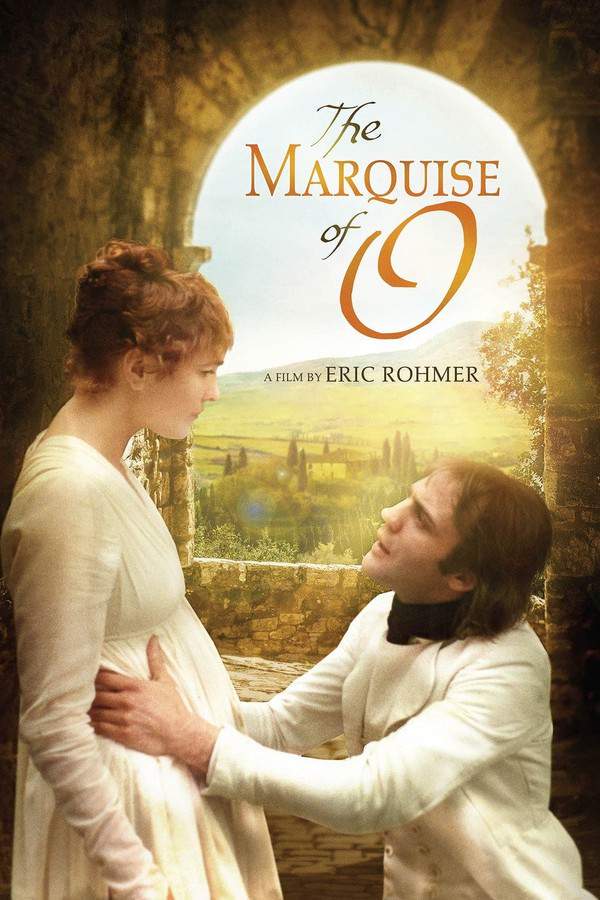
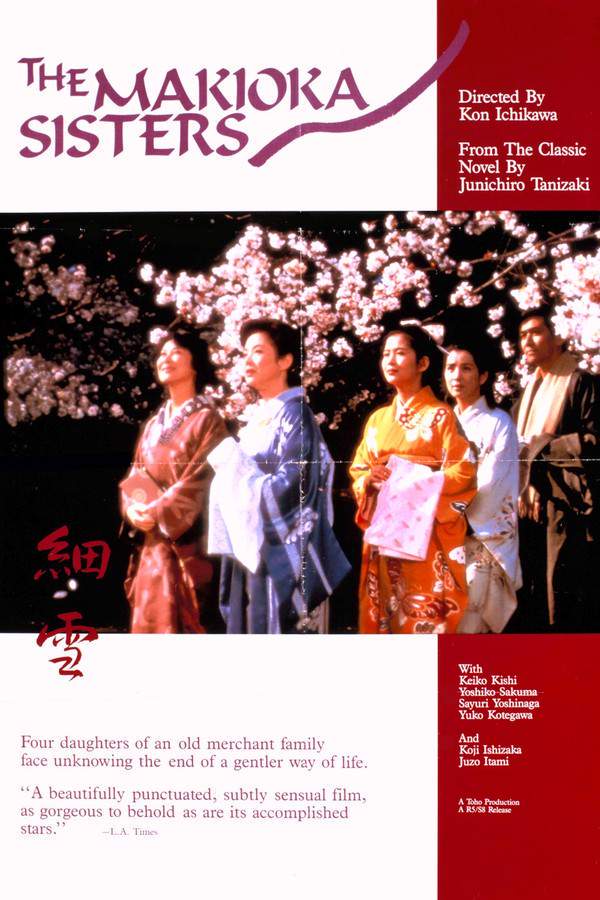
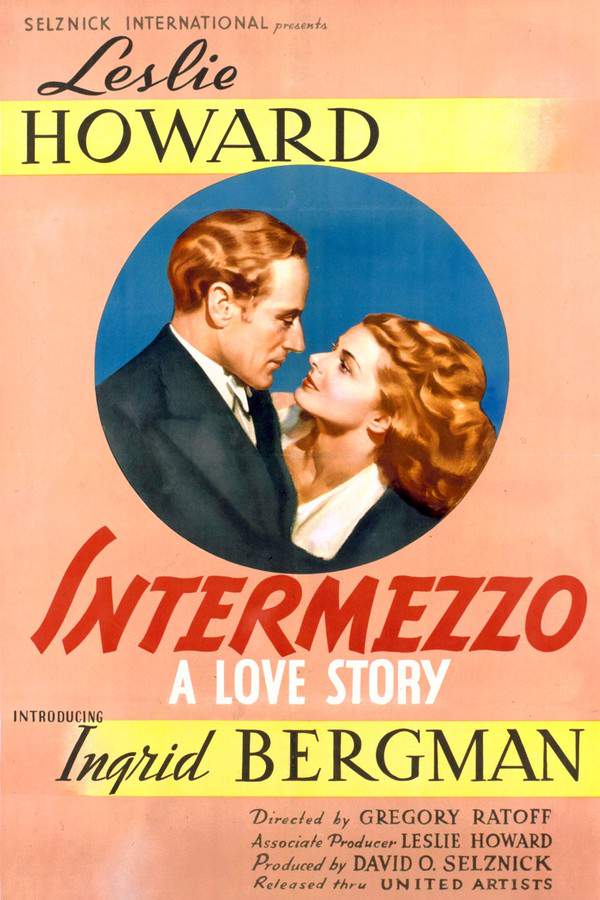
Movies about women fighting societal constraints like The Easiest Way

Stories of women making desperate choices in a restrictive and unforgiving society. If you liked The Easiest Way, you'll find similar movies here about women battling class divides and societal judgment. These films explore themes of financial desperation, sexual double standards, and the high cost of survival, offering melancholic dramas with bittersweet conclusions.

  • socially critical
  • desperate
  • regretful
  • heartbreaking
  • reflective
  • melancholic
  • Tone: melancholic, socially critical, regretful
  • Pacing: steady, character-driven
Why these movies?

The story pattern: These narratives typically follow a woman's journey as she confronts systemic barriers like poverty, classism, or gender inequality. The central conflict arises from the agonizing choices she must make between personal integrity and survival, often leading to a path of sacrifice and regret.

Why they belong together: Movies are grouped here for their shared focus on the female experience within a critical social landscape. They connect through a melancholic tone, themes of moral compromise, and a steady pacing that allows for deep exploration of the protagonist's difficult journey and its emotional consequences.

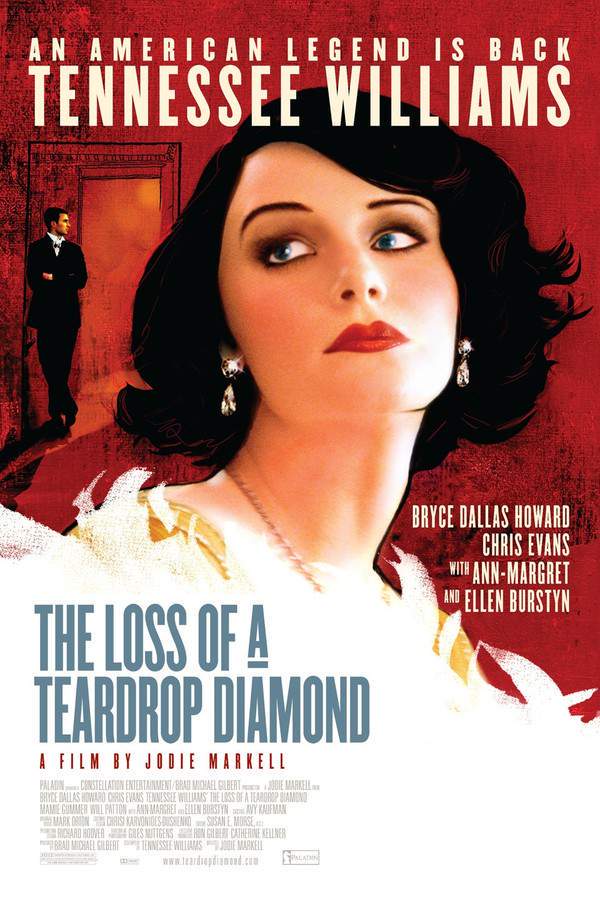
Movies about the cost of ambition like The Easiest Way

Character-driven stories where the pursuit of a better life comes at a profound personal cost. Find movies similar to The Easiest Way that explore the bittersweet cost of ambition. These character-driven stories follow individuals who trade love or integrity for security, resulting in poignant dramas with steady pacing, medium emotional weight, and a lingering sense of what was lost.

  • bittersweet
  • regretful
  • ambitious
  • heartbreaking
  • reflective
  • sacrificial
  • Tone: melancholic, reflective, bittersweet
  • Pacing: steady, deliberate
Why these movies?

The story pattern: The narrative pattern involves a protagonist, often from a disadvantaged background, who sees a path to escape their circumstances. This ambition drives them to make a significant compromise—usually in their personal relationships or ethics. The story then unfolds the consequences of this trade, emphasizing the emotional toll over material gain.

Why they belong together: These films share a cohesive vibe defined by a steady, deliberate pace that allows the weight of decisions to settle. The tone is consistently melancholic and reflective, focusing on the emotional aftermath of ambition rather than its glamour, and culminating in a bittersweet evaluation of the protagonist's journey.

If you liked this

Movies Like The Easiest Way

Similar movies to The Easiest Way: the same genre, themes or kind of story. Each one comes with its own plot summary, timeline and ending explained.

Browse all movie summaries

Every angle

The Easiest Way (1931) Explained: Plot, Timeline & Characters

Everything about The Easiest Way in one place: what happens in the plot summary, the timeline in chronological order, the characters and meaning and a spoiler-free summary. What's After the Movie adds the cast, box office and post-credit scenes.

Coming soon on iOS and Android

The Plot Explained Movie Summary App

Plot summaries, endings explained and timelines on your phone. Catch up on any movie in minutes, save your favorites and never miss a twist again.

Be the first to know when we launch. Your email stays private, always.

Learn more about the app