













Plot Explained Spoilers guaranteed!
Plot Explained

Browse by genre

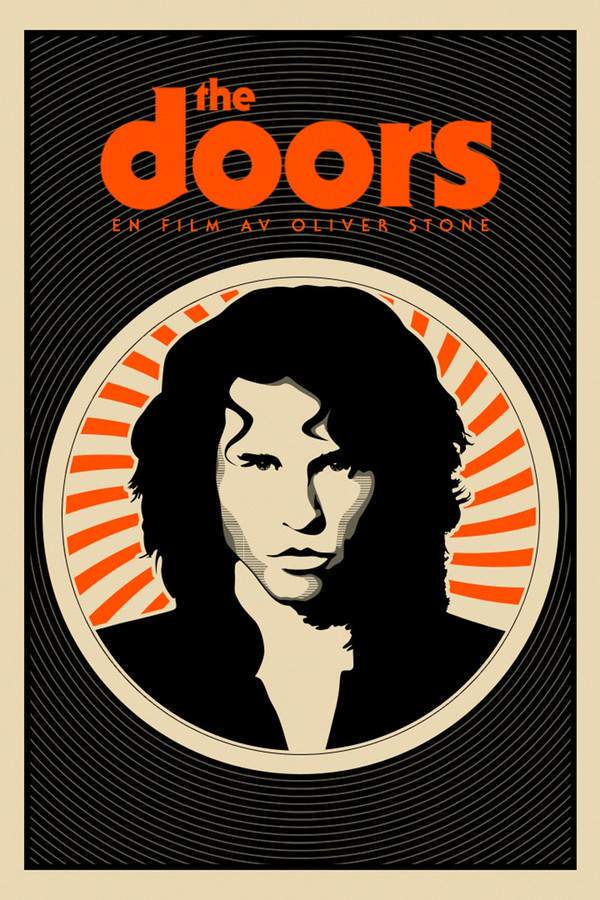
The Doors (1991) movie poster

Timeline

The Doors (1991) Timeline Explained – Every Event in Order

Release, runtime and language
1991 · 140 min · English
JustWatch #23,848
Directed by
Oliver Stone
Starring
Val Kilmer, Meg Ryan

Fueled by Jim Morrison's rebellious nature, The Doors emerge as a defining force on the Los Angeles music scene during the psychedelic era. The film explores Morrison's transformation from a film student into a legendary and charismatic frontman, showcasing the band's rise to fame through their dark and poetic rock and roll. It portrays his tumultuous personal journey, marked by reckless abandon and creative expression, ultimately leading to a tragic end that secured his iconic status in rock history.

On this page (6)
  1. 1 Where to watch
  2. 2 Events in order (15)
  3. 3 Timeline questions answered
  4. 4 Movie threads
  5. 5 Movies like The Doors
  6. 6 Every angle

Where to watch

Where to Watch The Doors (1991)

Where can you watch The Doors? Stream, rent or buy it in the US, including on fuboTV, MGM Plus and Paramount Plus Essential: current JustWatch availability with up-to-date prices.

Streaming availability powered by JustWatch

15 events in order · contains spoilers

The Doors Timeline: Events in Chronological Order

Every key event of The Doors (1991) in order, scene by scene, with when and where it takes place. Use it to untangle flashbacks, time jumps and parallel storylines, to refresh your memory before the sequel or to find the exact scene you are thinking of.

  1. Jim Morrison's Birthday Celebration

    On December 8, 1970, Jim Morrison celebrates his 27th birthday in a dimly lit recording studio. He indulges in whiskey while capturing his poetic musings in a unique spoken-word format for 'An American Prayer' against a backdrop of pre-recorded music.

    When
    December 8, 1970
  2. Tragic Car Accident in New Mexico

    In the 1950s, Jim's family drives through the stark New Mexico desert and encounters a tragic car accident involving two families, including an American Indian family. An old Indian man locks eyes with Jim as he lies dying, leaving a lingering connection that Jim feels despite his mother dismissing the event.

    When
    1950s
    Where
    New Mexico
  3. Jim's Journey to California

    In 1965, Jim hitchhikes to California and enrolls at UCLA Film School. He faces harsh criticism for his avant-garde student film but finds support from classmate Ray Manzarek, leading him to boldly declare, 'I quit' when pressed to defend his work.

    When
    1965
    Where
    California
  4. Meeting Pamela Courson

    While in Venice Beach, Jim meets Pamela Courson, who becomes his lifelong partner. Their relationship blossoms through deep conversations about philosophy and poetry, culminating in a passionate evening beneath the stars.

    Where
    Venice Beach
  5. Formation of The Doors

    Jim interrupts Ray’s meditation on the beach to share his poetic creations, which sparks the formation of their band. Together with John Densmore and Robby Krieger, they name the band 'The Doors,' inspired by Aldous Huxley's work.

    Where
    Venice Beach
  6. Practice Sessions

    The Doors hold their initial practice sessions in Ray's apartment, during which they fine-tune songs like 'Break on Through' and 'Light My Fire.' As they gain traction on LA’s Sunset Strip, Jim's confidence begins to grow, attracting attention.

    Where
    Ray's Apartment, Los Angeles
  7. Psychedelic Experience in Death Valley

    In 1966, the band strengthens their bond while trying peyote in Death Valley. Each member experiences profound visions as Jim’s haunting song 'The End' plays in the background, marking a pivotal moment in their artistic journey.

    When
    1966
    Where
    Death Valley
  8. Recording Their First Album

    The Doors get a chance to record their first album in just six days under the guidance of producer Paul Rothschild. This opportunity propels their music career forward, showcasing their unique sound and artistic vision.

  9. Controversial Performance on The Ed Sullivan Show

    The Doors perform 'Light My Fire' on The Ed Sullivan Show, facing censorship when asked to alter a lyric perceived to reference drug use. Jim's defiant decision to stick to the original lyrics leads to their dismissal from the show, marking a bold stand against censorship.

    Where
    Television Studio
  10. Jim's Reckless Lifestyle

    As the band navigates the vibrant yet turbulent music scene, Jim's lifestyle spirals deeper into chaos, characterized by reckless behavior and substance abuse. His relationship with Pamela begins to strain, highlighting the darker side of fame.

  11. Arrest During Concert in New Haven

    During a concert in New Haven, Jim provokes police, leading to his arrest mid-performance. The incident results in a riotous response from the crowd, underlining the intense connection between Jim and his audience.

    Where
    New Haven
  12. Hasty Wedding

    After a tumultuous Thanksgiving gathering filled with tension over infidelity and substance abuse in 1968, Jim and Pamela decide to marry in a hasty ceremony. This decision marks a significant turn in their turbulent relationship.

    When
    1968
  13. Tragic Car Accident After a Party

    Following a wild party, Jim's erratic behavior leads to a car accident that causes further alarm among his friends and bandmates. This incident highlights the destructive consequences of his excesses and troubled lifestyle.

  14. Escape to Paris

    With increasing legal troubles and personal instability, Jim and Pamela flee to Paris in search of peace. It is here that Jim reflects on his life and pens his final thoughts in 'An American Prayer,' capturing the essence of his struggles.

    Where
    Paris
  15. Jim's Death

    In a tragic conclusion, Pamela finds Jim lifeless in their Paris apartment on July 3, 1971, marking the untimely end of his life at age 27. The film concludes with images of his legacy and the toll of fame, including Pamela's demise three years later.

    When
    July 3, 1971
    Where
    Paris

Last updated: November 03, 2024 at 13:36

Was this helpful?

Timeline questions answered

The Doors Timeline Explained: Your Questions Answered

When does it happen, and why in that order? The questions people ask about the chronology of The Doors (1991): time jumps, flashbacks, cause and effect between scenes and the correct order of events, each answered with spoilers.

Q1

Why did Jim quit film school?

Jim quit UCLA film school after his professor (Oliver Stone in a cameo) pressured him to defend his avant-garde student film, which had received harsh criticism. Rather than explain or justify his artistic vision, Jim simply declared "I quit" and walked away, demonstrating his rebellious nature and refusal to conform to institutional expectations.

Foreshadowing: Earlier, Jim's student film was criticized as pretentious, foreshadowing his conflict with authority throughout the film.

  • ucla film school
  • oliver stone
  • student film
  • quit school
Q2

How did The Doors band form?

The band formed when Jim interrupted Ray Manzarek's meditation on Venice Beach to share his poetry. Impressed by Jim's verses, Ray suggested they create a band together. They later joined with John Densmore and Robby Krieger, naming the band 'The Doors' after Aldous Huxley's book 'The Doors of Perception,' which explored psychedelic experiences.

Foreshadowing: The formation scene establishes the collaborative creative spirit that would define the band.

  • ray manzarek
  • robby krieger
  • john densmore
  • doors name origin
  • aldous huxley
Q3

What happened during The Doors' Ed Sullivan Show performance?

During their 1967 appearance on The Ed Sullivan Show, The Doors performed 'Light My Fire.' When producers asked Jim to alter a lyric perceived as referencing drug use, Jim defiantly sang the original lyrics anyway. The show immediately dismissed them, but this act of rebellion made them icons and marked a bold stand against broadcast censorship.

Foreshadowing: This moment set the pattern for Jim's later confrontations with authority and legal troubles.

  • ed sullivan show
  • light my fire
  • censorship
  • performance controversy
Q4

Why was Jim Morrison arrested in New Haven?

During a concert in New Haven in 1969, Jim deliberately provoked the police on stage, leading to his arrest mid-performance. This incident sparked a riotous response from the crowd, demonstrating the intense connection between Jim and his fans as well as his willingness to stir controversy.

Foreshadowing: This arrest foreshadowed Jim's escalating legal troubles that would eventually force him to flee the country.

  • new haven concert
  • arrested
  • police
  • riot
Q5

What was the peyote scene in Death Valley about?

In 1966, The Doors took peyote in Death Valley as part of their creative process. Each band member experienced profound psychedelic visions while Jim performed 'The End' in the background. This intense, spiritually significant experience strengthened their bond and deeply influenced their artistic direction, producing the mystical quality that defined their sound.

Foreshadowing: This shared psychedelic experience contributed to the dark, poetic nature of their music.

  • death valley
  • peyote
  • the end
  • psychedelic
  • vision
Q6

Why did Jim and Pamela get married?

After a tumultuous Thanksgiving gathering in 1968 filled with tension over Jim's infidelity and substance abuse, Jim and Pamela decided to marry in a hasty ceremony. Their relationship was marked by passionate love but also deep instability, and the marriage was an attempt to solidify their connection amid the chaos of Jim's rising fame and personal demons.

Foreshadowing: The marriage could not halt Jim's downward spiral, which only intensified afterward.

  • pamela courson
  • marriage
  • wedding
  • relationship
Q7

How did Jim Morrison die?

Jim Morrison died in Paris on July 3, 1971, at age 27. His girlfriend Pamela Courson found him lifeless in their apartment bathtub. The official cause was listed as heart failure, though the exact circumstances remain somewhat mysterious. He died just weeks after relocating to Paris to escape mounting legal troubles and personal instability.

Foreshadowing: The film earlier showed warnings about the cost of alcohol abuse, including a reference to Janis Joplin's death.

  • paris death
  • heart failure
  • pamela courson
  • age 27
Q8

What was the significance of the New Mexico car accident scene?

In the 1950s, young Jim witnessed a tragic car accident in the New Mexico desert involving two families, including an American Indian family. A dying old Indian man locked eyes with Jim, creating a spiritual connection that Jim felt deeply despite his mother dismissing it as a bad dream. This traumatic childhood moment established the mystical, fatalistic themes that would follow Jim throughout his life.

Foreshadowing: This eerie childhood memory foreshadows Jim's own early death and his lifelong fascination with mortality.

  • new mexico
  • indian man
  • car accident
  • childhood trauma
  • spiritual connection
Q9

Why did Jim and Pamela go to Paris?

Jim and Pamela fled to Paris in 1971 as Jim faced mounting legal charges, including an outstanding warrant related to his New Haven arrest, and severe personal instability from years of substance abuse. They sought peace and a fresh start, but Jim's health had already deteriorated significantly. It was there that he recorded his final spoken-word piece 'An American Prayer.'

Foreshadowing: The escape to Paris was a last desperate attempt to outrun both the law and his declining health.

  • paris escape
  • legal troubles
  • flee country
  • final days
Q10

What happened to Pamela Courson after Jim's death?

Pamela Courson died three years after Jim, in 1974, at age 27. She struggled with substance abuse throughout her life and ultimately died of a drug overdose. The film ends by noting both their deaths at the same young age, symbolizing the tragic toll of the lifestyle they shared.

  • pamela death
  • overdose
  • three years later
  • age 27
Q11

What was 'An American Prayer'?

'An American Prayer' is Jim Morrison's spoken-word poetry recorded on his 27th birthday, December 8, 1970, in a Los Angeles studio. The recording features Jim's poetry set to pre-recorded music by The Doors. This was the final creative project he completed before his death, representing the culmination of his artistic evolution from poet to rock legend.

Foreshadowing: The opening scene showing this recording is actually the chronologically final event in the film, creating a circular narrative structure.

  • spoken word
  • poetry album
  • birthday
  • final recording

Movie threads

More Movies Like The Doors, by Mood & Story

Curated lists built around what makes The Doors tick: the same mood, the same kind of story or the same emotional payoff. Each list explains why these movies belong together.

Artistic rise and self-destructive fall stories like The Doors

Intense chronicles of brilliant talents consumed by their own demons. Explore movies like The Doors that follow the intense, tragic arcs of brilliant but troubled artists. This section features similar biopics and dramas where creative genius is shadowed by addiction and reckless abandon, leading to a heavy emotional conclusion.

  • tragic
  • charismatic
  • melancholic
  • atmospheric
  • reckless
  • cautionary
  • Tone: dark, tragic, melancholic
  • Pacing: steady, chronological
Why these movies?

The story pattern: Stories in this thread follow a clear, often chronological, biographical arc: a meteoric rise fueled by raw talent and charisma, followed by a descent into chaos driven by addiction, psychological deterioration, or reckless behavior, culminating in a tragic or bittersweet end that cements their iconic status.

Why they belong together: Movies are grouped here due to their shared focus on the archetypal 'tortured artist' journey, combining dark tones, high emotional intensity from witnessing a downfall, and a steady pacing that meticulously builds towards an inevitable, sad conclusion.
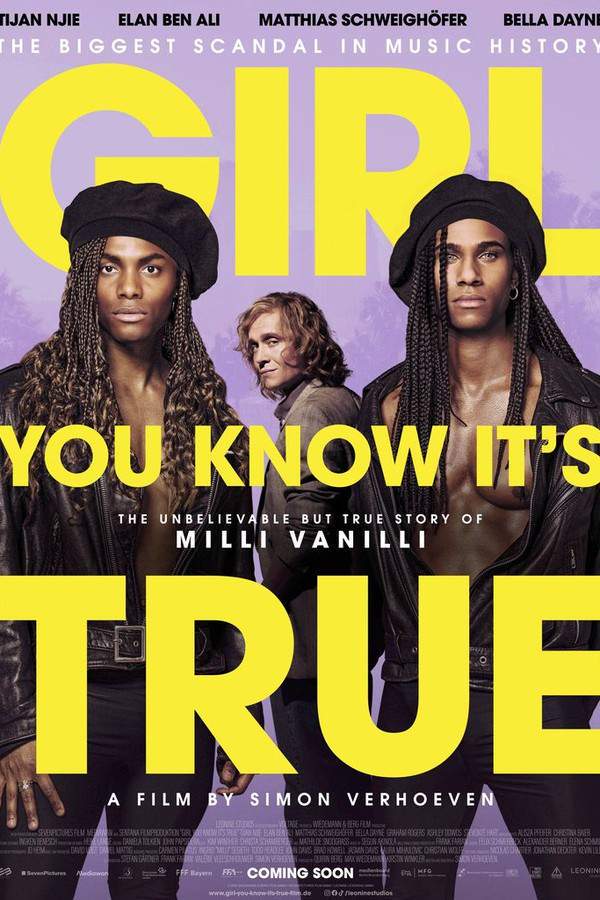
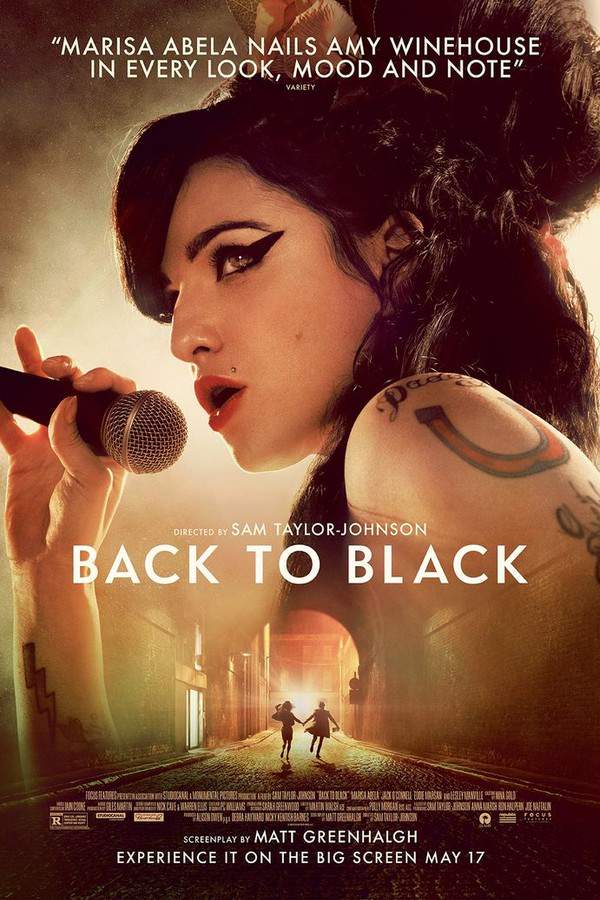
Dark counterculture portraits like The Doors

Atmospheric journeys into the rebellious souls that defined an era. Find movies similar to The Doors that capture the dark, charismatic energy of rebellious icons and the psychedelic counterculture era. If you liked the film's atmospheric portrayal of 1960s rock and roll and tragic fame, explore these stories.

  • rebellious
  • atmospheric
  • charismatic
  • counterculture
  • dreamlike
  • chaotic
  • Tone: dark, rebellious, atmospheric
  • Pacing: steady, immersive
Why these movies?

The story pattern: These narratives often use a straightforward structure to place a charismatic, flawed individual at the center of a cultural revolution. The plot explores their impact on the world and the world's impact on them, highlighting the tension between creative freedom and self-destruction within a vivid historical setting.

Why they belong together: These films are united by a dark yet charismatic tone, a high-intensity portrayal of rebellion, and a deep immersion into a specific countercultural world (e.g., rock music, beat poetry). They share a heavy emotional weight stemming from the clash between iconic status and personal tragedy.

If you liked this

Movies Like The Doors

Similar movies to The Doors: the same genre, themes or kind of story. Each one comes with its own plot summary, timeline and ending explained.

Browse all movie summaries

Every angle

The Doors (1991) Explained: Plot, Timeline & Characters

Everything about The Doors in one place: what happens in the plot summary, the timeline in chronological order, the characters and meaning and a spoiler-free summary. What's After the Movie adds the cast, box office and post-credit scenes.

Coming soon on iOS and Android

The Plot Explained Movie Summary App

Plot summaries, endings explained and timelines on your phone. Catch up on any movie in minutes, save your favorites and never miss a twist again.

Be the first to know when we launch. Your email stays private, always.

Learn more about the app