Plot Explained Spoilers guaranteed!
Plot Explained

Browse by genre

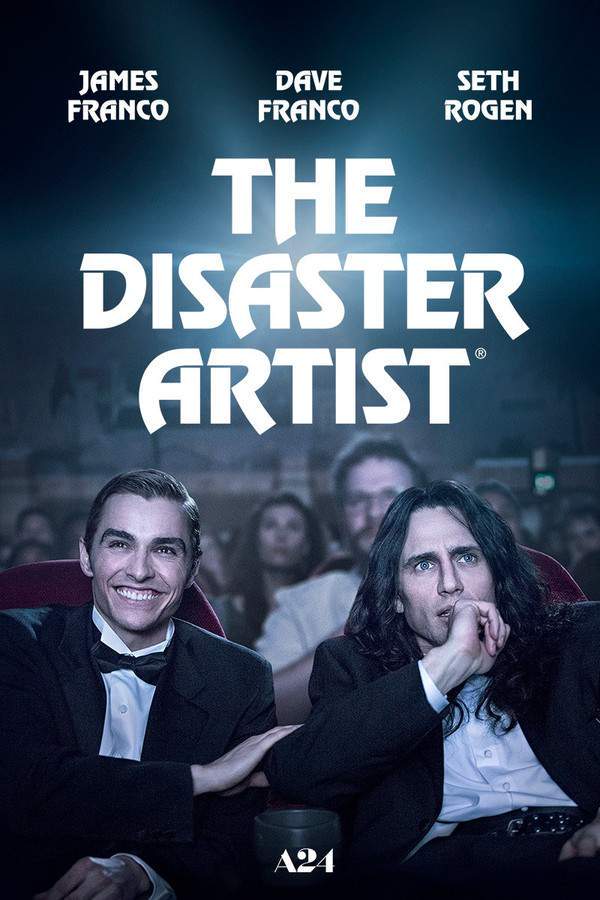
The Disaster Artist (2017) movie poster

Plot Summary

The Disaster Artist (2017) Plot Summary Explained

Release, runtime and language
2017 · 104 min · English
Echo score 80
Loading streaming availability…
Starring
Dave Franco, Alison Brie, Brett Gelman, Adam Scott, Bryan Cranston, Ari Graynor
Budget
$10M

This is the story of Tommy Wiseau, the eccentric filmmaker and the making of his cult classic, The Room. Actor James Franco portrays Wiseau in this biopic, exploring his unwavering ambition and unconventional methods. The film follows Wiseau's journey to create what he believes is art, a process complicated by his unusual approach and the challenges of working with a cast and crew unsure of his vision. Along the way, his friendship with actor Greg Sestero becomes a source of inspiration and support, highlighting the power of pursuing creative dreams.

On this page (7)
  1. 1 Where to watch
  2. 2 What happens: full plot
  3. 3 Plot questions answered
  4. 4 The book behind the movie
  5. 5 Movie threads
  6. 6 Movies like The Disaster Artist
  7. 7 Every angle
Loading streaming availability…

Full plot summary · contains spoilers

What Happens in The Disaster Artist: Full Plot Summary

The whole story of The Disaster Artist (2017) explained, from the opening scene to the final frame: every key event, every twist and what it all adds up to. Read it as a quick recap before the sequel, to check a scene you missed, or to finally understand what really happened.

The film opens with a collection of celebrities, including Adam Scott, discussing an extraordinary film that is truly one-of-a-kind and perhaps even a bit astounding—"The Room."

As the narrative unfolds in San Francisco, July 1998, we meet Greg Sestero, portrayed by Dave Franco, attending an acting class where he struggles with shyness while performing a scene from Waiting for Godot. His instructor, Jean Shelton (played by Melanie Griffith), criticizes Greg and his partner for lacking the courage to show their true selves. When she calls for someone brave, a mysterious figure named Tommy Wiseau (played by James Franco) takes the stage, delivering an absurd rendition of the “STELLA!” scene from A Streetcar Named Desire. Greg is the only one captivated by Tommy's eccentricity, leading him to approach Tommy post-class with admiration, prompting the two to read a scene together.

Tommy picks up Greg, who can't help but marvel at Tommy’s unique vehicle, but Tommy firmly warns him not to inquire about his background or finances. They share a meal, where Tommy encourages Greg to perform confidently, making an impression on everyone in the eatery. As their friendship flourishes, Tommy shares his acting aspirations and the duo decides to pursue their dreams in Los Angeles, moving into one of Tommy’s apartments.

By November 1998, Greg signs with an agency run by Iris Burton (Sharon Stone), while Tommy continues to face rejection in auditions. They celebrate Greg’s success at a nightclub, where Greg connects with bartender Amber (Alison Brie), igniting Tommy's jealousy as he abruptly interrupts their moment. Greg and Amber soon begin dating, aggravating Tommy’s frustration over his own stagnant career. At a restaurant, Tommy attempts to impress a well-known producer by performing an outlandish "Hamlet" monologue, only to be dismissed.

During a rooftop conversation, both men lament their lack of opportunities. Greg wishes they could create their own film, an idea Tommy eagerly endorses. Consequently, Tommy begins writing a script which ultimately becomes "The Room". He reveals it to Greg during a diner rendezvous, where Greg, despite the script's ludicrous dialogue, reassures Tommy of its merits. The two excitedly commit to producing the film together, with Tommy adopting the role of Johnny and Greg cast as Mark.

They procure equipment from a local rental shop, though the staff—Peter Anway (Jason Mantzoukas) and Bill Meurer (Hannibal Buress)—remain wary when Tommy insists on shooting in both 35mm film and digital formats. A casting session for Lisa, Johnny's girlfriend, ensues, yielding bizarre auditions until they encounter actress Juliette Danielle (Ari Graynor), whom they cast.

As filming begins, Tommy attempts to rally the crew with a motivational speech. However, complications arise during notable scenes, such as the infamous “Oh hi Mark” moment, which requires over 60 takes due to Tommy forgetting his own lines. Tensions mount further during an awkward sex scene, wherein Tommy’s demanding nature causes strife between him and the cast, illustrating the chaotic nature of the production.

A defining order, when Greg and Amber disclose their intent to have Tommy move in with her, results in Tommy's explosive rage outdoors. Despite their initial smooth start, filming faces numerous delays. An incident emerges involving Johnny's suicide scene, which Tommy dramatically distorts, leading to a strained atmosphere on set.

Cast dynamics further weaken as Tommy dismisses key crew members. In the midst of it all, Greg makes an important connection with Bryan Cranston, who intriguingly offers him a role on Malcolm in the Middle, leading to conflicts with Tommy who views this as a betrayal.

The filming process ultimately stretches over twelve days, marked by chaotic and emotional scenes, culminating in Greg and Tommy's fallout. In the following months, Greg moves on with a steady theater gig, but when he sees a billboard for The Room, he's drawn back into Tommy's orbit.

Eight months later, Tommy seeks Greg's presence at the premiere of The Room. Despite hesitations, Greg joins him in celebrating the film that enthralls the audience in hilarity, despite its flawed execution. The premiere unfolds to a lively atmosphere, with laughter and chants echoing throughout the theater, showcasing the unintentional comedy of the film.

As the credits roll, it notes the minuscule box office earnings and the enigmatic legacy of The Room, leaving audiences puzzled about Tommy's roots. Remarkably, he and Greg remain firm friends, continuously creating together, well-remembered for their cult classic. The credits showcase side-by-side comparisons of The Room and its cinematic retelling, humorously encapsulating its iconic moments, ultimately leading to a surreal encounter between Tommy and a stranger at a party—a quirky nod to their bizarre yet lasting impact on film history.
Last updated: November 07, 2024 at 23:45

Was this helpful?

Plot questions answered

The Disaster Artist Plot Explained: Your Questions Answered

The questions people ask most about The Disaster Artist (2017): what happens in the confusing scenes, why the characters do what they do, the twists, hidden details and what the ending means. Each answer contains spoilers.

Q1

Why does Tommy get so jealous of Greg dating Amber?

Tommy becomes jealous because he feels left behind as Greg's career starts taking off. While Greg signs with an agency and finds success, Tommy faces constant rejection in auditions. When Greg meets Amber and they begin dating, Tommy sees it as another example of Greg moving forward while he remains stuck, which triggers his explosive reaction.

  • tommy wiseau
  • greg sestero
  • amber
  • jealousy
  • acting career
Q2

Why does Tommy explode in rage when Greg and Amber ask him to move in?

Tommy's violent reaction stems from feeling abandoned and replaced. Even though Greg and Amber's offer seems generous, Tommy interprets it as Greg trying to push him out of their friendship and start a new life without him. His temper flare-up reveals his deep insecurity about his place in Greg's life and fear of losing his only close friend.

Foreshadowing: Earlier, Tommy warns Greg not to inquire about his background, hinting at his unstable emotional foundation.

  • tommy wiseau
  • greg sestero
  • fight
  • apartment
  • moving in
Q3

How does Tommy afford to make The Room?

The movie never reveals Tommy's financial background. He owns multiple apartments, drives a strange car, and funds an entire film production, yet he explicitly tells Greg never to ask about his money or past. This mystery becomes one of the enduring unanswered questions about Tommy Wiseau.

  • tommy wiseau
  • money
  • funding
  • the room budget
  • mystery
Q4

Why does Greg remain friends with Tommy despite his erratic behavior?

Greg sees past Tommy's flaws because he recognizes Tommy's genuine passion and unique vision. Throughout their friendship, Tommy is the one who believes in Greg when no one else does, and Greg comes to appreciate Tommy's unwavering loyalty and creativity, even when it manifests chaotically.

  • greg sestero
  • tommy wiseau
  • friendship
  • loyalty
  • support
Q5

What causes the fallout between Greg and Tommy during filming?

The friendship fractures due to multiple factors: Tommy's controlling behavior on set creates constant tension, Greg's growing career opportunities (like the Malcolm in the Middle role) make Tommy feel betrayed, and the stress of the chaotic production environment. When Greg takes the Malcolm in the Middle role, Tommy sees it as Greg choosing a mainstream career over their shared dream.

Foreshadowing: Their earlier argument about Amber foreshadows Tommy's pattern of reacting badly when Greg's life advances.

  • greg sestero
  • tommy wiseau
  • malcolm in the middle
  • breakup
  • filming conflict
Q6

Why does Tommy insist on shooting The Room in both 35mm and digital formats?

Tommy's insistence on dual formats reflects his eccentric desire for the film to be technically perfect and his unconventional approach to filmmaking. The rental shop staff are baffled by this unusual request, which exemplifies Tommy's mysterious artistic vision and willingness to spend money on unconventional methods.

  • the room
  • 35mm
  • digital format
  • tommy wiseau
  • filmmaking
Q7

What happens at the premiere of The Room?

Despite their expectations of failure, the premiere turns into an unexpected success. The audience laughs throughout, treating the film as unintentional comedy. People chant phrases from the movie and respond enthusiastically, creating a unique cult experience. Greg is initially embarrassed but eventually embraces the bizarre reception.

  • the room premiere
  • cult classic
  • audience reaction
  • laughing
Q8

Why does Greg reconcile with Tommy after their fight?

Greg reconciles because he sees Tommy at his lowest point after the premiere's strange success and realizes their connection transcends the filmmaking conflict. When Tommy reaches out eight months later asking Greg to attend the premiere, Greg recognizes that despite everything, Tommy remains his closest friend and the person who believed in him when no one else did.

  • greg sestero
  • tommy wiseau
  • reconciliation
  • premiere
  • friendship
Q9

Why does the 'Oh hi Mark' scene require so many takes?

The scene requires over 60 takes because Tommy keeps forgetting his own lines. Despite directing and starring in the film, Tommy struggles to memorize his dialogue, causing the infamous scene to become one of many production delays. This moment exemplifies the chaotic nature of the entire filmmaking process.

  • oh hi mark
  • the room
  • filming
  • takes
  • tommy wiseau
Q10

Why does Tommy fire crew members during production?

Tommy fires key crew members due to his erratic decision-making and the mounting pressure of production. As tensions rise and filming becomes more chaotic, Tommy makes impulsive choices, removing people who challenge his vision or simply because he feels threatened. This further destabilizes the already troubled set.

  • tommy wiseau
  • crew fired
  • production
  • the room
  • conflict
Q11

How does The Room become a cult classic despite being a critical failure?

The Room gains cult status because its flaws, poor dialogue, awkward acting, nonsensical plot, become sources of entertainment rather than criticism. Audiences find unintentional humor in the earnestness of Tommy's vision, leading to midnight movie screenings where viewers throw spoons and quote lines. The film's failure transforms into a unique kind of success through audience participation.

  • the room
  • cult classic
  • box office failure
  • audience
  • movie nights
Q12

What is Tommy Wiseau's background and where does his money come from?

The movie deliberately keeps Tommy's origins mysterious. He explicitly forbids Greg from asking about his past or finances, and no concrete details about his age, birthplace, or wealth source are ever revealed. This ambiguity remains one of the great enigmas of The Disaster Artist.

Foreshadowing: Tommy's warning to Greg about not asking questions about his background establishes this mystery from their first meeting.

  • tommy wiseau
  • background
  • mystery
  • origins
  • age
Q13

Why does Tommy cast himself as Johnny in The Room?

Tommy casts himself as Johnny because he wrote the character as an idealized version of himself, a good, innocent man betrayed by everyone. Tommy sees Johnny as the heroic lead of his story and cannot imagine anyone else portraying his self-insert character, despite having no prior leading role experience.

  • tommy wiseau
  • johnny
  • the room
  • casting
  • lead role
Q14

What triggers Tommy and Greg to decide to make their own film?

During a rooftop conversation where both lament their lack of opportunities in Hollywood, Greg jokes that they should create their own film. Tommy takes this seriously and begins writing a script, which eventually becomes The Room. The rooftop moment represents the birth of their shared creative dream.

  • rooftop
  • the room
  • script
  • writing
  • tommy wiseau
  • greg sestero

Movie threads

More Movies Like The Disaster Artist, by Mood & Story

Curated lists built around what makes The Disaster Artist tick: the same mood, the same kind of story or the same emotional payoff. Each list explains why these movies belong together.

Movies about eccentric artists like in The Disaster Artist

Stories celebrating unconventional artists and the bizarre paths to their unexpected legacies. Discover movies like The Disaster Artist that explore the worlds of unconventional creators. These films celebrate artistic ambition, chronicling the often awkward and hilarious journeys of passionate individuals determined to make their mark, no matter how bizarre their methods or how their work is ultimately received.

  • quirky
  • eccentric
  • celebratory
  • awkward
  • inspiring
  • bittersweet
  • Tone: whimsical, celebratory, awkward
  • Pacing: steady, character-driven
Why these movies?

The story pattern: These narratives follow passionate but unconventional individuals as they pursue their artistic ambitions against all odds. The journey is typically filled with comedy derived from their eccentricity and the friction with 'normal' processes, culminating in a final product that is either a spectacular failure or a misunderstood cult classic, leaving a bittersweet but inspiring legacy.

Why they belong together: Movies are grouped here for their shared focus on quirky creators, their tumultuous creative processes, and the tone that mixes cringe comedy with genuine affection for its subjects. They share a heartwarming, if awkward, celebration of passion over polish.

Movies about creative partnerships like the friendship in The Disaster Artist

Films about the complex dynamics of artistic collaborations tested by ambition and ego. If you liked the dynamic between Tommy and Greg in The Disaster Artist, explore these movies about creative partnerships. These stories dive into the complex friendships and collaborations behind artistic projects, where ambition, friction, and mutual support create a compelling emotional core.

  • frustrated
  • bittersweet
  • inspiring
  • awkward
  • heartfelt
  • collaborative
  • Tone: bittersweet, heartfelt, frustrated
  • Pacing: steady, chronological
Why these movies?

The story pattern: The plot follows two or more collaborators through the lifecycle of a creative endeavor. The central conflict arises from the stress of the project, often testing the relationship with issues like clashing visions, jealousy, or personal flaws. The narrative arc explores whether the partnership can survive the creative process, resulting in an ending that is rarely simple.

Why they belong together: These films are linked by their core focus on a collaborative relationship, a steady pacing that unfolds the creative process, and a medium emotional weight derived from interpersonal drama. They balance humor with the genuine stakes of a friendship or partnership on the line.

If you liked this

Movies Like The Disaster Artist

Similar movies to The Disaster Artist: the same genre, themes or kind of story. Each one comes with its own plot summary, timeline and ending explained.

Browse all movie summaries

Every angle

The Disaster Artist (2017) Explained: Plot, Timeline & Characters

Everything about The Disaster Artist in one place: what happens in the plot summary, the timeline in chronological order, the characters and meaning and a spoiler-free summary. What's After the Movie adds the cast, box office and post-credit scenes.

Coming soon on iOS and Android

The Plot Explained Movie Summary App

Plot summaries, endings explained and timelines on your phone. Catch up on any movie in minutes, save your favorites and never miss a twist again.

Be the first to know when we launch. Your email stays private, always.

Learn more about the app