Plot Explained Spoilers guaranteed!
Plot Explained

Browse by genre

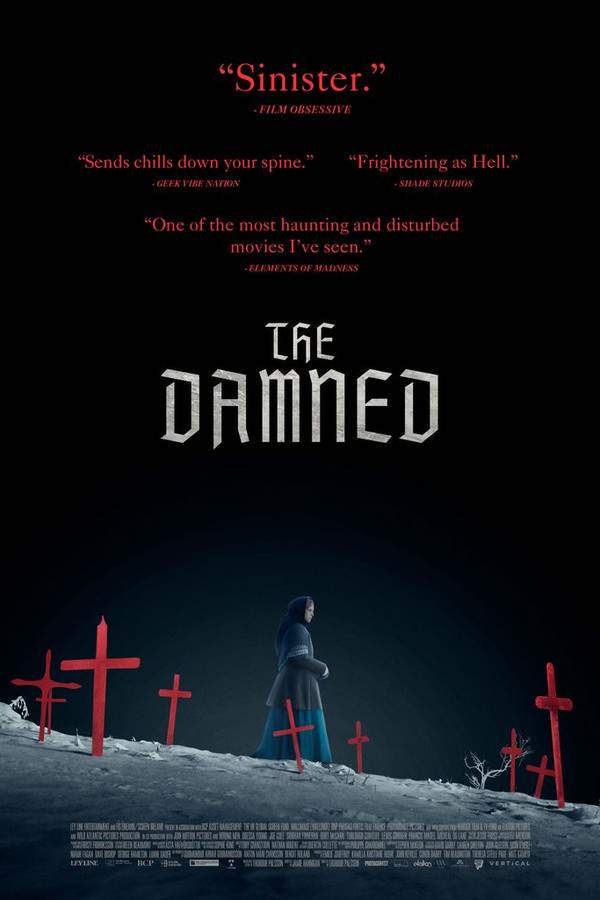
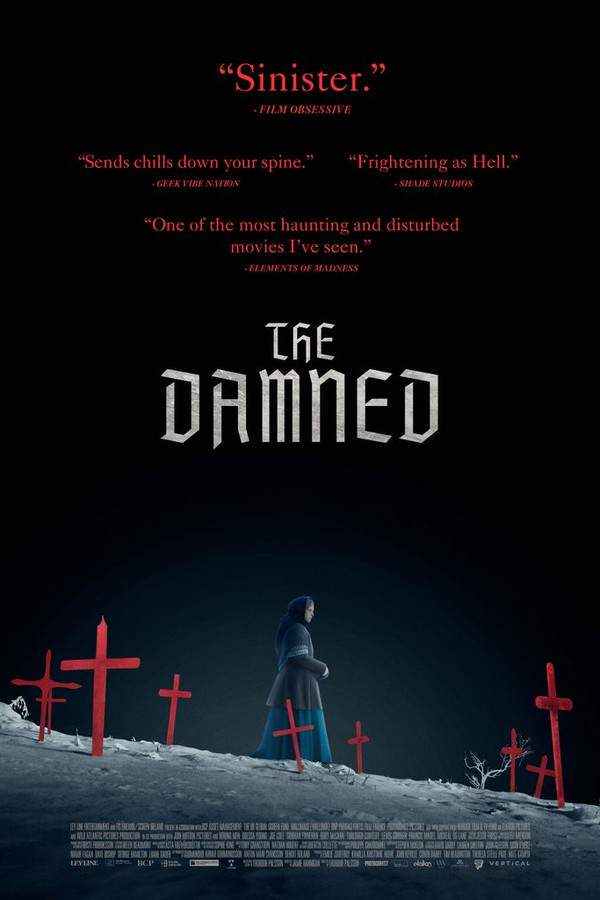
The Damned (2025) movie poster

Plot Summary

The Damned (2025) Plot Summary & Ending Explained

Release, runtime and language
2025 · 1 h 29 m · English
Echo score 69
Directed by
Roberto Minervini
Starring
Duncan Vezain, Jeremiah Knupp, Chris Hoffert, Noah Carlson, René W. Solomon, Timothy Carlson

During the winter of 1862, a company of volunteer soldiers is dispatched by the US Army to patrol the uncharted borderlands of the western territories amidst the Civil War. As their mission evolves, the purpose of their engagement becomes increasingly unclear.

On this page (6)
  1. 1 What happens: full plot
  2. 2 Plot questions answered
  3. 3 How it ends
  4. 4 Movie threads
  5. 5 Movies like The Damned
  6. 6 Every angle

Full plot summary · contains spoilers

What Happens in The Damned: Full Plot Summary

The whole story of The Damned (2025) explained, from the opening scene to the final frame: every key event, every twist and what it all adds up to. Read it as a quick recap before the sequel, to check a scene you missed, or to finally understand what really happened.

Eva, a young widow living in the 19th century, finds herself in charge of a remote winter fishing outpost situated in an icy Arctic bay. This outpost was inherited after her husband, Magnus, tragically lost his life in a shipwreck on the jagged rocks known as the Teeth. Isolated and cut off from the nearest village by a treacherous snowbound mountain path, Eva’s crew faces the brutal challenges of the harsh winter, with dwindling supplies adding to their mounting difficulties. The crew consists of several members, including soldier Duncan Vezain, helmsman Ragnar, and crewmen Daníel, Hákon, Jónas, Skúli, and Aron, all working together to survive in the unforgiving environment.

As their resources diminish, the crew resorts to eating bait to sustain themselves. One morning, they witness a shipwreck at the Teeth, a disaster that intensifies their bleak situation. However, with their supplies limited, Eva is reluctantly forced to make the difficult decision to leave the shipwreck survivors behind, deeming them too desperate and dangerous to rescue with their current resources. This moment marks a turning point, highlighting Eva’s dilemma between compassion and survival.

Later, a barrel of salt pork from the wreck washes ashore, offering a glimmer of hope. Driven by desperation, Eva leads the crew on a risky night-time expedition along the icy shores to scavenge more supplies. Their efforts pay off—among the recovered items are a crate filled with lamp oil and brandy. But their relief is short-lived as they encounter a group of survivors desperately clinging to the rocks, fighting to get to their boat. Chaos erupts as the survivors scramble for safety. The crew fights to defend themselves, resulting in Daníel killing one of the desperate castaways. During the chaos, Ragnar is pulled into the frigid sea, forcing the crew to make a heartbreaking decision to leave him behind and escape with their meager gains.

The following day, the crew finds bodies from the wreck scattered along the shore, and strange, unsettling events begin to unfold. One corpse is discovered with live eels inside its stomach—a disturbing omen. Helga, the cautious cook, expresses concern about the possibility of draugr, folklore creatures from Nordic legend known as revenants driven by hatred and vengeance. She takes precautions to prevent the dead from rising. However, Eva begins experiencing vivid dreams and visions of a dark, ominous figure haunting her mind, deepening the sense of dread. Helga warns that to put an end to the curse, the draugr must be burned.

After a brief period of relative calm and a successful fishing catch, disaster strikes again. The fish stores mysteriously vanish overnight, creating panic among the crew. Then, Helga goes missing, and her trail leads to the burial site where the crew discovers one coffin is empty. Paranoia spreads as suspicion and madness take hold. The crew’s mental state deteriorates, leading to violent conflicts. In a tragic turn, Hákon, overwhelmed by paranoia, attempts to strangle Daníel, only to be killed by Aron in self-defense. Later, Daníel retaliates violently, attacking Jónas before ultimately slitting his own throat, further illustrating the chaos consuming the team.

Determined to confront the evil, Eva ventures out to face the draugr herself. Her journey is perilous, culminating in Skúli falling to his death at the fog-shrouded burial site. Eva discovers Helga’s frozen corpse, an ominous sign of the mounting horror. When she returns to the cabin, she is ambushed by the terrifying draugr. In a desperate act of survival, Eva shoots the creature, burns the cabin to eradicate it, and escapes with her life. She believes she has ended the nightmare, but the truth is far darker. It is revealed that she had killed a shipwreck survivor who, speaking in Basque, offered her a gold pocket watch in exchange for her boat. Unsure of his intentions and unable to understand him, Eva shot him and set his body ablaze, adding a layer of moral ambiguity to her actions.

Throughout this harrowing ordeal, themes of desperation, folklore, and mental unraveling intertwine in a chilling story of survival against supernatural evil and human frailty. Eva's harrowing experience reveals not only the physical dangers of the Arctic but also the darker fears that lurk within the human mind when pushed to the brink in the face of incomprehensible darkness.

Last updated: August 19, 2025 at 05:15

Was this helpful?

Plot questions answered

The Damned Plot Explained: Your Questions Answered

The questions people ask most about The Damned (2025): what happens in the confusing scenes, why the characters do what they do, the twists, hidden details and what the ending means. Each answer contains spoilers.

Q1

Why does Eva decide not to rescue the shipwreck survivors?

Eva refuses to help the survivors clinging to the Teeth rocks because her crew has barely enough supplies to survive the harsh winter. With dwindling resources and a treacherous mountain path isolating them from the nearest village, she views the desperate survivors as too dangerous to attempt rescuing. This decision reflects the brutal calculus of survival in their isolated Arctic outpost where compassion must be weighed against preservation of the remaining crew.

Foreshadowing: Earlier, the crew had already resorted to eating bait due to severe food shortages, establishing the desperate conditions that would lead to this impossible choice.

  • eva
  • shipwreck survivors
  • teeth rocks
  • rescue
  • supplies
  • desertion
Q2

Why does the crew abandon Ragnar in the freezing sea?

During the chaotic struggle with desperate shipwreck survivors attempting to board their boat, Ragnar is pulled into the icy sea. The crew is overwhelmed, frightened, and must make a quick decision to escape with the supplies they've recovered. Despite their efforts to help him, the brutal cold and the chaos forces them to abandon Ragnar to save themselves, a heartbreaking decision that highlights the moral degradation caused by desperation.

Foreshadowing: The crew's earlier choice to leave the shipwreck survivors behind establishes their willingness to make ruthless survival decisions.

  • ragnar
  • sea
  • abandoned
  • shipwreck
  • icy water
  • survival
Q3

What causes the strange occurrences at the outpost after the shipwreck?

After the shipwreck, unsettling events begin plaguing the crew: a corpse washes ashore with live eels in its stomach, fish stores vanish overnight, and Helga disappears. While the crew attributes these to draugr, Nordic folklore revenants, the narrative suggests these phenomena may have psychological origins. The isolated, starving crew succumbs to paranoia and madness, with the 'supernatural' events potentially being manifestations of their deteriorating mental state or deliberate acts committed in states of delusion.

Foreshadowing: Helga warns about draugr and advises burning the bodies, planting the idea of supernatural threat before the strange events occur.

  • draugr
  • supernatural
  • corpse
  • eels
  • burial site
  • phenomena
Q4

What happens to Helga at the burial site?

Helga goes missing after the crew discovers their fish stores have been stolen overnight. Following her trail, the crew finds her body frozen at the burial site, near an empty coffin. The circumstances suggest she either succumbed to the harsh elements while investigating the disturbances or was killed during the chaos of the crew's deteriorating mental state. Her death remains ambiguous, whether caused by the elements, by someone in the crew, or by something else entirely.

Foreshadowing: Helga had been warned about the dangers of draugr and insisted the bodies be burned to prevent their rising, foreshadowing her connection to the burial site.

  • helga
  • burial site
  • missing
  • frozen
  • coffin
  • death
Q5

Why do the crew members start killing each other?

The crew's descent into violence stems from extreme isolation, starvation, and psychological torment. As supplies dwindle and strange events unfold, paranoia spreads throughout the group. Hákon attempts to strangle Daníel in a delusional fit, prompting Aron to kill Hákon in self-defense. Later, Daníel attacks Jónas before committing suicide. The relentless pressure of the harsh Arctic winter, combined with fear of the supernatural and guilt over their moral compromises, shatters their mental stability and turns them against one another.

Foreshadowing: The crew's earlier decisions to abandon survivors and leave Ragnar behind establish their moral erosion and growing desperation.

  • crew
  • madness
  • paranoia
  • violence
  • death
  • suicide
  • hákon
  • daníel
Q6

What is the draugr in the story and what does the ending reveal?

The draugr appears to be a supernatural creature haunting the crew, Eva experiences vivid dreams of a dark figure, encounters the creature at the cabin, and must shoot and burn it to survive. However, the ending reveals a crucial twist: Eva actually killed a shipwreck survivor who approached her speaking Basque and offering a gold pocket watch in exchange for her boat. Unable to understand him and perceiving him as a threat, she shot him and burned his body. This revelation suggests the 'draugr' may have been a misinterpreted human encounter, not a true supernatural entity, adding profound moral ambiguity to Eva's actions.

Foreshadowing: Earlier, Helga warns that draugr are revenants driven by hatred and vengeance, concepts that parallel Eva's own fear-driven killing of a helpless survivor.

  • draugr
  • supernatural
  • basque survivor
  • gold watch
  • misunderstanding
  • killing
Q7

Why does Eva kill the Basque-speaking survivor at the end?

Eva encounters a desperate shipwreck survivor who approaches her speaking Basque and offers a gold pocket watch in exchange for her boat. Unable to understand his language and perceiving him as a dangerous threat in her traumatized state, Eva shoots him and sets his body on fire. This act represents the culmination of her moral deterioration, she has become capable of killing a helpless person based solely on fear and incomprehension, reflecting how the ordeal has fundamentally corrupted her judgment and humanity.

Foreshadowing: Earlier decisions to abandon survivors and leave people behind establish Eva's pattern of choosing survival over compassion, making this killing a logical endpoint of her moral decline.

  • eva
  • basque survivor
  • killed
  • gold pocket watch
  • misunderstanding
  • language barrier
Q8

Why do the fish stores disappear overnight?

After a successful fishing catch provides temporary relief, the crew wakes to find their fish stores have vanished completely overnight. This mysterious theft terrifies the already paranoid crew and intensifies their belief that supernatural forces are at work. Whether caused by the draugr, someone from within the crew acting in a delusional state, or some other explanation, the incident marks another turning point that accelerates the crew's descent into madness and violence.

Foreshadowing: The earlier warnings about draugr and the discovery of the empty coffin establish the supernatural threat before the fish theft occurs.

  • fish stores
  • stolen
  • disappeared
  • overnight
  • supernatural
  • paranoia
Q9

What does Eva's visions of the dark figure represent?

Eva begins experiencing vivid dreams and visions of a dark, ominous figure haunting her mind as the supernatural threat intensifies. These visions represent her growing psychological terror and guilt over the moral compromises she's made, leaving survivors to die, abandoning Ragnar, and the mounting pressure of survival. The dark figure can be interpreted as either a genuine supernatural entity (the draugr) or a manifestation of her own conscience and psychological breakdown under extreme duress.

Foreshadowing: The dark visions begin after the crew encounters the shipwreck and witnesses disturbing phenomena, linking them to the traumatic events they've experienced.

  • eva
  • dreams
  • visions
  • dark figure
  • psychological
  • guilt
  • supernatural
Q10

Why does Eva burn the cabin to kill the draugr?

After confronting the draugr at the cabin where it ambushes her, Eva shoots and wounds the creature. Realizing that conventional means may not stop it, she sets the cabin on fire to destroy the draugr, believing this will end the supernatural threat. This desperate act reflects her determination to eliminate the evil whatever the cost, even destroying her own shelter and means of survival in the harsh Arctic environment. She escapes the burning cabin, believing the nightmare is over.

Foreshadowing: Helga had warned that to end the draugr curse, the bodies must be burned, providing the method Eva ultimately uses.

  • eva
  • cabin
  • burn
  • draugr
  • fire
  • escape
  • supernatural

Ending explained

What Happens at the End of The Damned?

How The Damned (2025) ends, in short: the final scene, the last twist and what it means for the characters. The full ending explained, with every spoiler, lives on its own page.

Read the full ending explained

At the end of The Damned, Eva manages to confront and burn the supposed draugur — the undead creature believed to haunt the fishermen after their shipwreck. As she escapes the burning cabin, she experiences a flashback that questions the supernatural explanation altogether. Instead of the undead, Eva sees a man who claims to be a fisherman, revealing he lost everything in the wreck and that his motivation was vengeance. This suggests that the terrifying presence might not have been a real supernatural spirit, but rather a human who manipulated the events for his own gain. The man’s intentions seem suspicious; he had been watching Eva, aiming to attack her and escape with the boat, indicating that the horrifying hallucinations and the violence among the fishermen could have been caused by a disturbed, deceitful individual rather than an actual ghost. The film leaves us with a lingering ambiguity—was it truly the supernatural draugur causing all the torment, or was it a human impostor, exploiting the fishermen’s guilt, fear, and superstition? This uncertain conclusion invites viewers to reconsider what was real, suggesting that the true horror might have been the deception and madness rooted in human nature, rather than any supernatural evil. The ending’s open-endedness emphasizes that the line between reality and hallucination is blurred, and in this cold, isolated place, the greatest danger may have been the human capacity for cruelty and treachery.

The Damned ending explained in full

Movie threads

More Movies Like The Damned, by Mood & Story

Curated lists built around what makes The Damned tick: the same mood, the same kind of story or the same emotional payoff. Each list explains why these movies belong together.

Claustrophobic Folk Horror Movies like The Damned

Where isolation and ancient folklore twist into a desperate fight for survival. If you liked the oppressive atmosphere and folkloric dread of The Damned, explore more movies where isolated communities or groups confront ancient, unsettling horrors. These stories often feature a slow descent into madness, moral ambiguity, and a bleak, unforgiving tone.

  • folk horror
  • claustrophobic
  • paranoid
  • unsettling
  • desperate
  • somber
  • Tone: dark, oppressive, unsettling
  • Pacing: steady, dread-building
Why these movies?

The story pattern: These narratives often begin with a group entering an isolated setting, where they encounter strange phenomena tied to local legends or folklore. The central conflict shifts from external survival to an internal battle against paranoia, as characters turn on each other, convinced a supernatural force is at work. The truth is often ambiguous, leaving audiences questioning what was real and what was human madness.

Why they belong together: They are grouped by their shared atmosphere of oppressive isolation, the use of folklore as a source of horror, and a focus on psychological decay. The experience is defined by a building sense of dread and a bleak outlook on human nature under extreme duress.

Psychological Survival Thrillers like The Damned

Stories where the real enemy is the mind breaking under the strain of survival. Fans of The Damned's portrayal of a crew's mental collapse under extreme conditions will find similar tension in these movies. Explore stories about survival where the battle is as much psychological as it is physical, often leading to bleak outcomes and heavy moral choices.

  • survival
  • descent into madness
  • moral ambiguity
  • desperate
  • grief
  • paranoid
  • Tone: bleak, desperate, morally ambiguous
  • Pacing: steady, escalating tension
Why these movies?

The story pattern: The plot follows a cohesive unit facing a relentless survival scenario. As conditions worsen, trust erodes, and characters are forced into increasingly immoral acts for self-preservation. The narrative structure is a linear descent, where each event chips away at the group's sanity, culminating in a tragic outcome that highlights the fragility of human decency.

Why they belong together: They share a core theme: the psychological cost of survival. The similarity lies in the high intensity, heavy emotional weight, and a steady pacing that meticulously charts a group's fall from grace. The experience is defined by its bleak tone and focus on moral ambiguity under pressure.

If you liked this

Movies Like The Damned

Similar movies to The Damned: the same genre, themes or kind of story. Each one comes with its own plot summary, timeline and ending explained.

Browse all movie summaries

Every angle

The Damned (2025) Explained: Plot, Ending, Timeline & Characters

Everything about The Damned in one place: what happens in the plot summary, the timeline in chronological order, the characters and meaning, the ending explained and a spoiler-free summary. What's After the Movie adds the cast, box office and post-credit scenes.

Coming soon on iOS and Android

The Plot Explained Movie Summary App

Plot summaries, endings explained and timelines on your phone. Catch up on any movie in minutes, save your favorites and never miss a twist again.

Be the first to know when we launch. Your email stays private, always.

Learn more about the app