


Plot Explained Spoilers guaranteed!
Plot Explained

Browse by genre

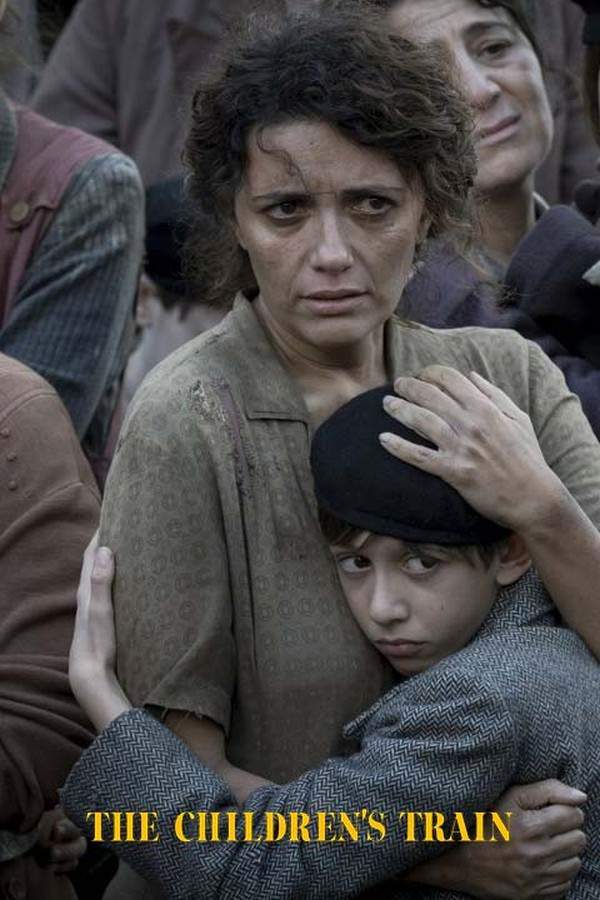
The Children's Train (2024) movie poster

Ending Explained

The Children's Train (2024) Ending Explained – Final Scene & Meaning

Release, runtime and language
2024 · 1 h 46 m · Italian
JustWatch #13,722 14
Directed by
Cristina Comencini
Starring
Stefano Accorsi, Antonia Truppo, Monica Nappo, Francesco Di Leva, Barbara Ronchi, Dora Romano

In 1946, seven-year-old Amerigo lives with his mother Antonietta in Naples, experiencing a life defined by streets and poverty. His world is transformed when he boards one of the "happiness trains" that will take him north for the winter. There, he is welcomed and cared for by a young woman named Derna. Through this experience, Amerigo gains a new understanding and awareness.

On this page (7)
  1. 1 Where to watch
  2. 2 What happens at the end
  3. 3 Final events in order
  4. 4 Ending questions answered
  5. 5 The book behind the movie
  6. 6 Movie threads
  7. 7 Every angle

Where to watch

Where to Watch The Children's Train (2024)

Where can you watch The Children's Train? Stream, rent or buy it in the US, including on Netflix and Netflix Standard: current JustWatch availability with up-to-date prices.

Streaming availability powered by JustWatch

Ending explained · contains spoilers

What Happens at the End of The Children's Train?

How The Children's Train (2024) ends, what the final scene means, which earlier moments set it up and how to read the ending if the film leaves it open. The full ending explained, with every spoiler.

The movie concludes with Amerigo returning to Naples and visiting his mother’s old home after her death. Throughout the story, we see how their relationship was strained by her constant harshness and focus on survival, which left little room for emotional connection. When Amerigo finds her belongings, he discovers that she had pawned his specially made violin—an act that symbolized her survival struggles but also deeply hurt him. The receipt inside the pawned item suggests she managed to buy it back later, hinting that she may have done so out of guilt or love, even if she never expressed it openly. That moment of discovery brings Amerigo to tears, serving as a poignant end to their troubled relationship, signifying that despite her flaws, her actions were driven by a desire to sustain their lives.

Meanwhile, the final scenes reveal Amerigo reflecting on his childhood, marked by hardship, loss, and fleeting moments of kindness. The film’s epilogue shows footage of the real historical program that sent children to northern Italy—a touching tribute to the efforts made to save vulnerable children after the war. The story ultimately highlights the resilience of young boys like Amerigo and the complex, often indirect ways in which love and sacrifice are expressed amidst hardship. The ending emphasizes that even amidst pain and misunderstanding, acts of care—like the mother’s attempt to keep her son alive—can leave a lasting impact, shaping the boy’s future and his understanding of family and belonging.

Last updated: June 25, 2025 at 09:03

Was this helpful?

The last 4 events

How The Children's Train Ends: The Final Events in Order

The last events of The Children's Train (2024) in chronological order, the run-up to the ending explained above. The complete timeline has all 17 events, scene by scene.

Open the full timeline
  1. Running Away

    Heartbroken by further revelations, Amerigo decides to run away. He takes a train back to Modena, desperately seeking the warmth and acceptance he found with Derna.

    When
    1946
    Where
    Train Station
  2. Reunion with Derna

    Amerigo arrives in Modena and is tearfully reunited with Derna. This reunion underscores the powerful bond they forged during his stay, signifying love and acceptance that had been missing in his life.

    When
    1946
    Where
    Modena
  3. Adult Amerigo's Loss

    In 1994, Amerigo, now a successful violinist, learns of his mother Antonietta's death. Driven by emotions, he returns to Naples, uncovering his old violin that she had redeemed, leading him to reflect on his past.

    When
    1994
    Where
    Naples
  4. Realization of Love

    A voiceover reveals a poignant truth: Antonietta had allowed Amerigo to leave, demonstrating that love often means letting go. This realization casts a different light on their complicated relationship.

Ending questions answered

The Children's Train Ending: Your Questions Answered

The questions people ask most about the ending of The Children's Train (2024): what the final scene means, how the twist works, what happens to each character and how to read the ending. Each answer contains spoilers.

Q1

Why does Amerigo cry when he finds the violin?

Amerigo breaks down in tears when he discovers that his mother had pawned his specially made violin. The discovery is emotional because it reveals that despite her harshness and apparent detachment, she later bought it back, suggesting she felt guilt or love for him but never expressed it openly. The moment represents his realization that her survival-driven actions were motivated by a deeper, unexpressed care for him.

Foreshadowing: Earlier scenes show Antonietta prioritizing basic survival over emotional warmth, making this late discovery a reinterpretation of her character.

  • amerigo
  • violin
  • antonietta
  • tears
  • pawn shop
  • mother love
Q2

What did Antonietta pawn to survive?

Antonietta pawned Amerigo's specially made violin, a possession that represented his dreams and childhood joy. The violin was a cherished item given to him during his time with Derna in northern Italy. By pawning it, she chose immediate survival needs over holding onto this meaningful object, though she later managed to buy it back.

Foreshadowing: The film establishes early on that Antonietta struggles to provide basic necessities, creating tension around material possessions.

  • antonietta
  • violin
  • pawn
  • survival
  • poverty
  • Naples
Q3

Did Antonietta really love Amerigo despite her harshness?

Yes, the ending suggests Antonietta did love Amerigo, though she couldn't express it openly due to the pressures of poverty and survival. Her act of buying back the violin after pawning it reveals guilt and underlying affection. The harshness viewers witness is portrayed as a byproduct of her desperate circumstances rather than a lack of maternal love.

Foreshadowing: Her constant focus on survival leaves little room for emotional connection, but the ending recontextualizes this as protective rather than dismissive.

  • antonietta
  • love
  • mother
  • amerigo
  • sacrifice
  • harshness
Q4

What does the violin symbolize in the story?

The violin symbolizes both Amerigo's dreams and the connection to his happier childhood memories in northern Italy. It also represents the conflict between survival and emotional fulfillment. By pawning it, Antonietta made a painful pragmatic choice; by buying it back, she acknowledged its emotional value, showing her internal struggle between necessity and love.

Foreshadowing: The violin is introduced as a precious gift during Amerigo's time with his foster family, representing joy beyond his Naples life.

  • violin
  • symbolism
  • dreams
  • foster care
  • northern Italy
  • childhood
Q5

What is the significance of the pawn receipt Amerigo finds?

The pawn receipt inside the violin case reveals that Antonietta eventually bought back the item she had pawned. This discovery is crucial because it transforms her character from seemingly indifferent to someone who felt remorse and took action to correct her mistake, albeit silently and after her death was discovered.

Foreshadowing: The film never shows Antonietta expressing regret directly, making this receipt a hidden revelation.

  • pawn receipt
  • violin
  • discovery
  • secret
  • guilt
  • redemption
Q6

What happens to Amerigo at the end of the movie?

At the end, adult Amerigo returns to Naples after his mother Antonietta has died. He visits her old home and discovers the truth about the violin. The epilogue shows him reflecting on his childhood marked by hardship, loss, and fleeting kindness, implying he now understands and has closure about his mother's complicated love.

Foreshadowing: The film opens with Amerigo's difficult childhood in Naples, making this return a full circle moment.

  • amerigo
  • naples
  • return
  • mother death
  • closure
  • reflection
Q7

Are the happiness trains in the movie based on real events?

Yes, the film explicitly shows that the "happiness trains" program was a real historical effort after World War II. The epilogue features actual footage of the real program that sent children from southern Italy to northern families for the winter, highlighting the genuine efforts made to save vulnerable children during the post-war period.

Foreshadowing: The film presents this as an educational element, connecting fictional narrative to documented history.

  • happiness trains
  • real events
  • post-war
  • children program
  • Italy
  • historical
Q8

What is the message of the ending about love and sacrifice?

The ending conveys that love and sacrifice are often expressed in complex, indirect ways, especially in times of hardship. Antonietta's harsh exterior masked a desire to keep her son alive through desperate means. The story suggests that acts of care, even when misunderstood or poorly expressed, can leave lasting impacts on children's futures and their understanding of family.

Foreshadowing: Throughout the film, Amerigo fails to recognize his mother's sacrifices, and the ending provides this revelation.

  • sacrifice
  • love
  • message
  • understanding
  • family
  • hardship
  • mother son
Q9

Why was Antonietta so harsh and distant with Amerigo?

Antonietta's harshness stems from the extreme poverty and survival pressure she faced as a single mother in post-war Naples. The film portrays her harshness as a protective mechanism, her focus on basic survival left no emotional bandwidth for warmth. Rather than being indifferent, she was overwhelmed by the daily struggle to keep them alive.

Foreshadowing: Early scenes establish the harsh living conditions and her single-handed struggle to provide.

  • antonietta
  • harsh
  • distant
  • poverty
  • survival
  • single mother
  • Naples
Q10

Is the ending of The Children's Train bitter or sweet?

The ending is bittersweet. Amerigo finally understands his mother's painful sacrifice and gains closure, but this revelation comes after her death, meaning they lost years of connection. The sadness of her passing is balanced by his new understanding and the resilience he gained from both his biological mother and foster family.

Foreshadowing: The film's steady pacing builds toward this emotional resolution.

  • bittersweet
  • ending
  • closure
  • resolution
  • sadness
  • understanding
  • mother son

Movie threads

More Movies Like The Children's Train, by Mood & Story

Curated lists built around what makes The Children's Train tick: the same mood, the same kind of story or the same emotional payoff. Each list explains why these movies belong together.

Wartime Childhood Journeys like in The Children's Train

Stories of children displaced by war, finding resilience and new homes. If you were moved by the story of Amerigo in The Children's Train, explore other movies like it about children's lives during and after war. These similar dramas focus on personal growth, found family, and the bittersweet resilience of youth facing historical hardship.

  • nostalgic
  • heart-wrenching
  • hopeful
  • reflective
  • historical
  • tender
  • Tone: bittersweet, hopeful, melancholic
  • Pacing: steady, chronological
Why these movies?

The story pattern: Films in this thread typically follow a linear, chronological journey from a place of safety or normalcy into the chaos of war and displacement. The narrative focuses on the child's point of view, highlighting their confusion, adaptation, and emotional growth. The climax often involves a choice between their old life and a new one, leading to a reflective, bittersweet understanding of their experience.

Why they belong together: These movies are grouped together by their shared focus on a child's-eye view of historical conflict, the theme of displacement, and the emotional journey of finding stability and love in a fractured world. They balance the sadness of loss with the hopefulness of human connection.


Bittersweet Found Family Stories like in The Children's Train

Heartwarming connections forged from loss, leading to complex emotional resolutions. Discover more movies like The Children's Train that explore the complex emotions of found family. These similar dramas feature characters who build deep, healing connections outside their original homes, leading to endings that are both heartwarming and heartrending.

  • heartwarming
  • melancholic
  • tender
  • hopeful
  • nostalgic
  • emotional
  • Tone: bittersweet, tender, reflective
  • Pacing: steady, character-driven
Why these movies?

The story pattern: The narrative pattern involves a protagonist entering a new environment or community where they are initially an outsider. Through shared experiences and care, they form a powerful, familial bond with their hosts or new friends. The central conflict arises from the tension between this newfound happiness and their loyalty to their past, culminating in an ending that acknowledges the beauty of the new family while mourning the loss or sacrifice of the old.

Why they belong together: These films share a specific emotional mix: the warmth and safety of being welcomed and cared for, contrasted with the grief of separation or the complexity of divided loyalties. The pacing is often steady and character-driven, allowing the audience to fully feel the weight of the protagonist's emotional dilemma.

Every angle

The Children's Train (2024) Explained: Plot, Ending, Timeline & Characters

Everything about The Children's Train in one place: what happens in the plot summary, the timeline in chronological order, the characters and meaning, the ending explained and a spoiler-free summary. What's After the Movie adds the cast, box office and post-credit scenes.

Coming soon on iOS and Android

The Plot Explained Movie Summary App

Plot summaries, endings explained and timelines on your phone. Catch up on any movie in minutes, save your favorites and never miss a twist again.

Be the first to know when we launch. Your email stays private, always.

Learn more about the app