


Plot Explained Spoilers guaranteed!
Plot Explained

Browse by genre

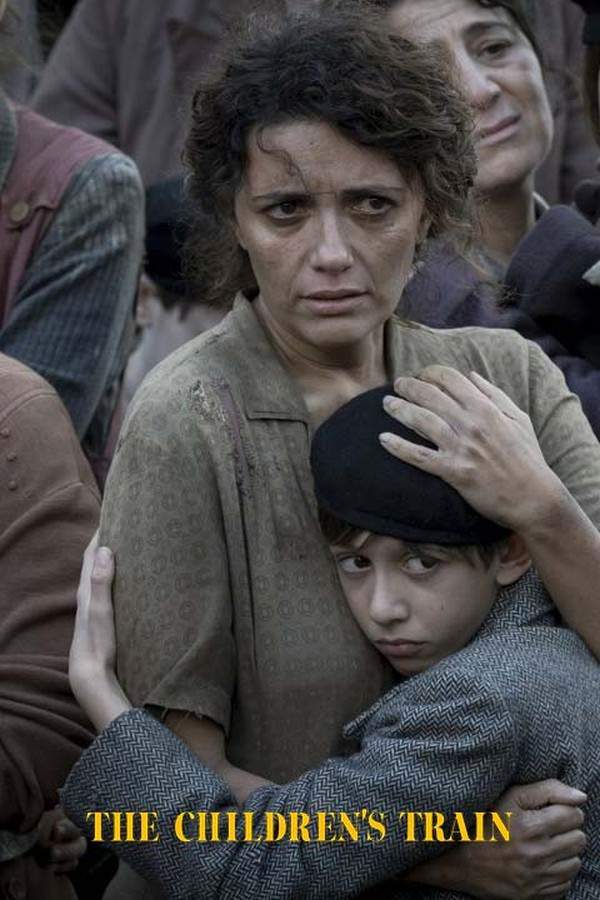
The Children's Train (2024) movie poster

Timeline

The Children's Train (2024) Timeline Explained – Every Event in Order

Release, runtime and language
2024 · 1 h 46 m · Italian
JustWatch #13,713 19
Directed by
Cristina Comencini
Starring
Stefano Accorsi, Antonia Truppo, Monica Nappo, Francesco Di Leva, Barbara Ronchi, Dora Romano

In 1946, seven-year-old Amerigo lives with his mother Antonietta in Naples, experiencing a life defined by streets and poverty. His world is transformed when he boards one of the "happiness trains" that will take him north for the winter. There, he is welcomed and cared for by a young woman named Derna. Through this experience, Amerigo gains a new understanding and awareness.

On this page (6)
  1. 1 Where to watch
  2. 2 Events in order (17)
  3. 3 Timeline questions answered
  4. 4 The book behind the movie
  5. 5 Movie threads
  6. 6 Every angle

Where to watch

Where to Watch The Children's Train (2024)

Where can you watch The Children's Train? Stream, rent or buy it in the US, including on Netflix and Netflix Standard: current JustWatch availability with up-to-date prices.

Streaming availability powered by JustWatch

17 events in order · contains spoilers

The Children's Train Timeline: Events in Chronological Order

Every key event of The Children's Train (2024) in order, scene by scene, with when and where it takes place. Use it to untangle flashbacks, time jumps and parallel storylines, to refresh your memory before the sequel or to find the exact scene you are thinking of.

  1. Antonietta's Decision

    In 1946, Antonietta, an impoverished single mother, decides to send her son Amerigo away to northern Italy. She hopes to provide him with a better life through the treni della felicità initiative despite the challenges they face after World War II.

    When
    1946
    Where
    Naples
  2. Amerigo's Reluctance

    Initially, Amerigo refuses to leave Naples but changes his mind after being caught selling white-painted rats for furs. His mother's boyfriend's actions force him to reconsider his escape from their difficult life.

    When
    1946
    Where
    Naples
  3. The Scare at the Station

    At the train station, an elderly woman instills fear in the children and their parents, claiming they will be sent to Siberia and eaten by cannibals. However, PCI representatives counter her claims, emphasizing the dire situations the children face in the south.

    When
    1946
    Where
    Train Station
  4. Arrival in Modena

    Upon arriving in Modena, the children are quickly picked up by their foster families. Amerigo is the last to be taken in, reluctantly accepted by Derna, a former partisan who lives alone after losing her boyfriend.

    When
    1946
    Where
    Modena
  5. Learning at Derna's

    Derna introduces Amerigo to her brother Alcide and his three sons, who begin teaching him various skills. Notably, Alcide introduces him to the violin, which ignites a newfound passion in Amerigo.

    When
    1946
    Where
    Derna's Home
  6. Conflict with Lucio

    As Amerigo adapts to his new life, he faces jealousy from Lucio, Alcide's son, who resents the attention Amerigo receives. This conflict creates tension within the household and complicates Amerigo's adjustment.

    When
    1946
    Where
    Derna's Home
  7. The Bread Baking Experience

    When invited to bake bread with Alcide's family, Amerigo is frightened by the old woman's warning and hides in the woods. Only after Derna promises he can go home after the wheat harvest does he begin to open up to her.

    When
    1946
    Where
    Woods
  8. School Bullying

    At school, Amerigo faces bullying from classmates who disparage him for being a southerner. Despite the hostility, Lucio reluctantly defends him, leading to an evolving friendship between the two.

    When
    1946
    Where
    School
  9. May Day Festival Conflict

    During a May Day festival, Lucio provokes Amerigo by taunting him about his mother. In a moment of anger, Amerigo retaliates, resulting in a fight before he runs away, further complicating their relationship.

    When
    1946
    Where
    Festival Grounds
  10. Empathy for Derna

    After witnessing Derna being mistreated by a chauvinist colleague, Amerigo draws parallels between her and his mother. This emotional moment strengthens their bond as he comforts her in her time of need.

    When
    1946
    Where
    Derna's Workplace
  11. Finding Rossana

    Lucio seeks Amerigo's help to locate Rossana, a homesick girl who has run away. They find her by the railway tracks and resolve her situation, leading to a newfound camaraderie among the boys.

    When
    1946
    Where
    Railway Tracks
  12. Return to Naples

    As the harvest ends, Amerigo and the other children are sent home. Amerigo’s reunion with his mother is cold, and she cynically tells him he is destined for a life of poverty, hinting at her unresolved feelings.

    When
    1946
    Where
    Naples
  13. Discovering Secrets

    Feeling abandoned, Amerigo learns that his mother has hidden gifts and messages from Derna. This revelation about his mother's actions fuels a growing resentment between mother and son.

    When
    1946
    Where
    Home
  14. Running Away

    Heartbroken by further revelations, Amerigo decides to run away. He takes a train back to Modena, desperately seeking the warmth and acceptance he found with Derna.

    When
    1946
    Where
    Train Station
  15. Reunion with Derna

    Amerigo arrives in Modena and is tearfully reunited with Derna. This reunion underscores the powerful bond they forged during his stay, signifying love and acceptance that had been missing in his life.

    When
    1946
    Where
    Modena
  16. Adult Amerigo's Loss

    In 1994, Amerigo, now a successful violinist, learns of his mother Antonietta's death. Driven by emotions, he returns to Naples, uncovering his old violin that she had redeemed, leading him to reflect on his past.

    When
    1994
    Where
    Naples
  17. Realization of Love

    A voiceover reveals a poignant truth: Antonietta had allowed Amerigo to leave, demonstrating that love often means letting go. This realization casts a different light on their complicated relationship.

Last updated: January 27, 2025 at 22:39

Was this helpful?

Timeline questions answered

The Children's Train Timeline Explained: Your Questions Answered

When does it happen, and why in that order? The questions people ask about the chronology of The Children's Train (2024): time jumps, flashbacks, cause and effect between scenes and the correct order of events, each answered with spoilers.

Q1

Why does Antonietta decide to send Amerigo away?

Antonietta, a poor single mother in post-war Naples, decides to send Amerigo north through the treni della felicità program because she cannot provide him with a better life in their current circumstances. She hopes that living with a host family in northern Italy will give him opportunities for education, food, and a healthier environment than poverty-stricken Naples can offer.

Foreshadowing: Earlier, we see the family struggling with poverty, setting up Antonietta's difficult decision.

  • antonietta
  • amerigo
  • poverty
  • treni della felicita
  • 1946
  • mother
  • child separation
Q2

Why does Amerigo agree to go after initially refusing?

Amerigo initially refuses to leave Naples but changes his mind after witnessing his mother's boyfriend fraudulently selling white-painted rats as fake furs. This event, combined with the difficult life they share in Naples, convinces him that leaving might actually offer a better future.

Foreshadowing: The earlier scenes of poverty and struggle in Naples establish why this revelation pushes him to reconsider.

  • amerigo
  • naples
  • white painted rats
  • leaving
  • decision
Q3

Why does Derna take in Amerigo when no one else does?

Derna reluctantly accepts Amerigo as a foster child because he is the last child remaining at the station and she feels she cannot leave him there. As a former partisan who lost her boyfriend during the war, she lives alone and initially struggles with the responsibility, but her compassionate nature compels her to take him in.

Foreshadowing: Derna's history as a partisan suggests she has a strong sense of duty and moral responsibility.

  • derna
  • amerigo
  • foster care
  • modena
  • host family
Q4

Why does Lucio become jealous of Amerigo?

Lucio, one of Alcide's sons, becomes jealous because his father shows Amerigo special attention, particularly when teaching him to play the violin. Lucio feels overshadowed by the new foster child and resents the affection and skills that Amerigo receives from Alcide.

Foreshadowing: The violin lessons early in Amerigo's stay establish the bond between Alcide and Amerigo that triggers Lucio's jealousy.

  • lucio
  • amerigo
  • alcide
  • violin
  • jealousy
  • family tension
Q5

Why does Antonietta hide the gifts and letters from Derna?

Antonietta hides the care packages and letters that Derna sent for Amerigo because she feels ashamed of her own poverty and inability to provide for her son. Rather than facing the reality that another woman was caring for her child, she keeps these gifts hidden, which deeply hurts Amerigo when he discovers the truth.

Foreshadowing: Antonietta's cold reception when Amerigo returns hints at her feelings of inadequacy and guilt.

  • antonietta
  • amerigo
  • derna
  • gifts
  • hidden
  • letter
  • pawned violin
Q6

Why does Antonietta pawn the violin Alcide gave Amerigo?

Antonietta pawns the violin that Alcide gifted to Amerigo because she is desperately poor and likely needed money to survive. Despite her pride and resentment, she makes this difficult choice, though it deeply hurts Amerigo when he discovers what happened to his cherished possession.

Foreshadowing: The theme of poverty runs throughout the film, making this action understandable within the story's context.

  • violin
  • alcide
  • amerigo
  • antonietta
  • pawned
  • poverty
Q7

Why does Amerigo run away back to Modena?

Amerigo runs away to Modena after discovering that his mother hid Derna's gifts and pawned his violin. Feeling rejected and unloved by Antonietta, he seeks the warmth and acceptance he found with Derna and her family, desperately needing the emotional security they provided.

Foreshadowing: The earlier tension between Amerigo and Antonietta, combined with his growing bond with Derna, makes this escape feel inevitable.

  • amerigo
  • run away
  • modena
  • derna
  • reunion
  • 1946
Q8

Why does Derna take care of Amerigo despite her initial reluctance?

Despite initially resisting taking in Amerigo, Derna grows to care for him deeply. She comforts him when he's frightened by the old woman's tales, defends him when needed, and eventually becomes a maternal figure. Her own loss during the war makes her understand the importance of providing love and stability to a child in need.

Foreshadowing: Derna's mourning for her lost boyfriend establishes her capacity for deep emotional connection.

  • derna
  • amerigo
  • maternal bond
  • care
  • adoption
  • partisаn
Q9

Why does Lucio defend Amerigo against the bullies?

Although Lucio is initially jealous of Amerigo, he eventually defends him against school bullies who mock Amerigo for being from the south. This marks a turning point in their relationship, showing that despite their conflicts, Lucio has developed a genuine friendship and loyalty to Amerigo.

Foreshadowing: The tension between them at the May Day festival shows their complicated relationship is evolving.

  • lucio
  • amerigo
  • bullies
  • defend
  • school
  • southern
Q10

Why does Amerigo return to Naples in 1994?

In 1994, Amerigo returns to Naples after learning of his mother Antonietta's death. As a successful violinist, he comes back to his childhood home and discovers that his mother had redeemed and kept his old violin, a poignant discovery that brings unresolved emotions to the surface.

Foreshadowing: The 1946 timeline establishes the violin as a symbol of both connection and conflict between mother and son.

  • 1994
  • amerigo
  • naples
  • return
  • death
  • violin
  • adult
Q11

What does the final revelation about Antonietta's letter reveal about her motives?

The final voiceover reveals that Antonietta had actually written to Derna, asking her to either accept Amerigo into her heart or send him back. This shows that Antonietta's painful decision to send her son away was motivated by genuine love - she wanted him to find happiness even if it meant losing him, demonstrating that true love sometimes means letting go.

Foreshadowing: The entire film builds toward this understanding of Antonietta's sacrifice and her complicated love for her son.

  • antonietta
  • letter
  • derna
  • love
  • sacrifice
  • let go
  • understanding
Q12

Why does Amerigo comfort Derna after seeing her mistreated?

After witnessing Derna being humiliated by a chauvinist colleague at her workplace, Amerigo comforts her that night. He draws a parallel between Derna and his own mother, saying that Antonietta would never allow herself to be treated that way. This moment strengthens their bond as Amerigo sees strength in both women.

Foreshadowing: Earlier scenes establish Antonietta as a strong, proud woman, making this comparison meaningful.

  • amerigo
  • derna
  • mistreated
  • comfort
  • mother
  • strength
  • women

Movie threads

More Movies Like The Children's Train, by Mood & Story

Curated lists built around what makes The Children's Train tick: the same mood, the same kind of story or the same emotional payoff. Each list explains why these movies belong together.

Wartime Childhood Journeys like in The Children's Train

Stories of children displaced by war, finding resilience and new homes. If you were moved by the story of Amerigo in The Children's Train, explore other movies like it about children's lives during and after war. These similar dramas focus on personal growth, found family, and the bittersweet resilience of youth facing historical hardship.

  • nostalgic
  • heart-wrenching
  • hopeful
  • reflective
  • historical
  • tender
  • Tone: bittersweet, hopeful, melancholic
  • Pacing: steady, chronological
Why these movies?

The story pattern: Films in this thread typically follow a linear, chronological journey from a place of safety or normalcy into the chaos of war and displacement. The narrative focuses on the child's point of view, highlighting their confusion, adaptation, and emotional growth. The climax often involves a choice between their old life and a new one, leading to a reflective, bittersweet understanding of their experience.

Why they belong together: These movies are grouped together by their shared focus on a child's-eye view of historical conflict, the theme of displacement, and the emotional journey of finding stability and love in a fractured world. They balance the sadness of loss with the hopefulness of human connection.


Bittersweet Found Family Stories like in The Children's Train

Heartwarming connections forged from loss, leading to complex emotional resolutions. Discover more movies like The Children's Train that explore the complex emotions of found family. These similar dramas feature characters who build deep, healing connections outside their original homes, leading to endings that are both heartwarming and heartrending.

  • heartwarming
  • melancholic
  • tender
  • hopeful
  • nostalgic
  • emotional
  • Tone: bittersweet, tender, reflective
  • Pacing: steady, character-driven
Why these movies?

The story pattern: The narrative pattern involves a protagonist entering a new environment or community where they are initially an outsider. Through shared experiences and care, they form a powerful, familial bond with their hosts or new friends. The central conflict arises from the tension between this newfound happiness and their loyalty to their past, culminating in an ending that acknowledges the beauty of the new family while mourning the loss or sacrifice of the old.

Why they belong together: These films share a specific emotional mix: the warmth and safety of being welcomed and cared for, contrasted with the grief of separation or the complexity of divided loyalties. The pacing is often steady and character-driven, allowing the audience to fully feel the weight of the protagonist's emotional dilemma.

Every angle

The Children's Train (2024) Explained: Plot, Ending, Timeline & Characters

Everything about The Children's Train in one place: what happens in the plot summary, the timeline in chronological order, the characters and meaning, the ending explained and a spoiler-free summary. What's After the Movie adds the cast, box office and post-credit scenes.

Coming soon on iOS and Android

The Plot Explained Movie Summary App

Plot summaries, endings explained and timelines on your phone. Catch up on any movie in minutes, save your favorites and never miss a twist again.

Be the first to know when we launch. Your email stays private, always.

Learn more about the app