













Plot Explained Spoilers guaranteed!
Plot Explained

Browse by genre

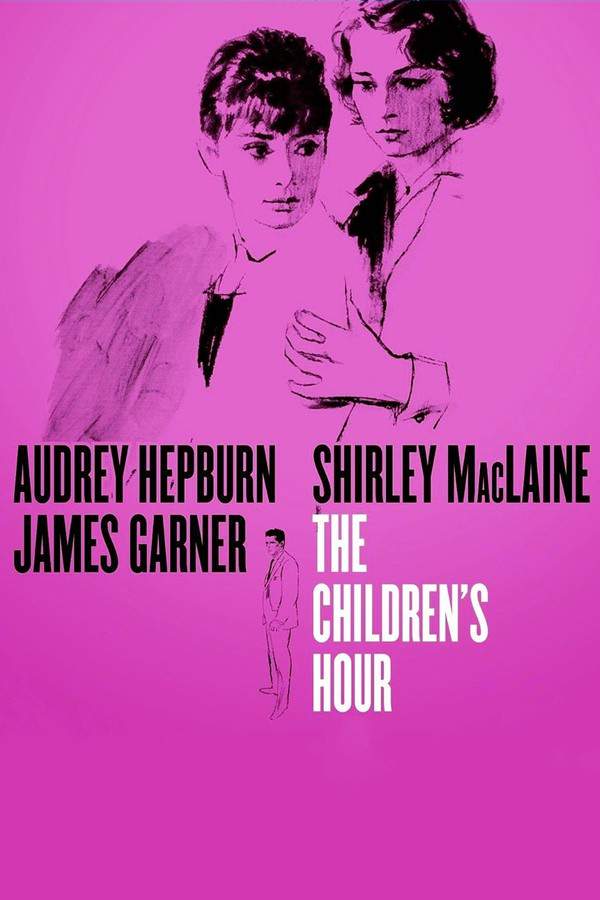
The Children's Hour (1961) movie poster

Timeline

The Children's Hour (1961) Timeline Explained – Every Event in Order

Release, runtime and language
1961 · 108 min · Spanish
JustWatch #11,045 15
Directed by
William Wyler
Starring
Veronica Cartwright, Shirley MacLaine, James Garner, Audrey Hepburn, Debbie Moldow, Diane Mountford

A sorrowful clown arrives in a small town and is unexpectedly tasked with looking after a young boy. As evening falls, the clown shares unsettling stories that captivate his charge, blurring the distinction between childlike fascination and the darker aspects of the adult world, and potentially jeopardizing the town's sense of innocence and decorum.

On this page (7)
  1. 1 Where to watch
  2. 2 Events in order (15)
  3. 3 Timeline questions answered
  4. 4 The book behind the movie
  5. 5 Movie threads
  6. 6 Movies like The Children's Hour
  7. 7 Every angle

Where to watch

Where to Watch The Children's Hour (1961)

Where can you watch The Children's Hour? Stream, rent or buy it in the US, including on fuboTV, MGM Plus and Philo: current JustWatch availability with up-to-date prices.

Streaming availability powered by JustWatch

15 events in order · contains spoilers

The Children's Hour Timeline: Events in Chronological Order

Every key event of The Children's Hour (1961) in order, scene by scene, with when and where it takes place. Use it to untangle flashbacks, time jumps and parallel storylines, to refresh your memory before the sequel or to find the exact scene you are thinking of.

  1. Martha and Karen's Initiative

    Martha Dobie and her former college roommate Karen Wright decide to open a private boarding school for young girls. This ambitious project symbolizes their dreams and aspirations for education and empowerment.

  2. Karen's Engagement

    As Karen celebrates her relationship with Dr. Joe Cardin, they acknowledge their two-year anniversary. This milestone leads Karen to finally consider setting a date for their upcoming wedding, showcasing her commitment to their future together.

  3. Mary's Jealousy

    Mary Tilford, the spoiled granddaughter of Amelia Tilford, grows envious of Martha and Karen. Her jealousy fuels a destructive desire to sabotage their efforts, stirring trouble within the school.

  4. The Careless Lie

    A careless lie by Mary leads to a heated argument between Martha and her Aunt Lily, which is overheard by her roommate. This moment ignites a scandal, with implications that threaten to ruin their reputations.

  5. Rumors Erupt

    Lily's accusation that Martha has 'unnatural' feelings toward Karen spreads like wildfire among the school’s parents. The damaging rumor escalates, capturing the attention of Amelia Tilford, who decides to take action.

  6. Confronting Amelia

    Determined to protect her friend, Karen confronts Amelia about the damaging rumors. However, despite her passionate defense, Amelia dismisses her, leading to further complications in their fight for justice.

  7. Mary's Manipulation

    Mary coerces Rosalie, a student with a troubled past, to support her false narrative against Martha and Karen. This betrayal adds weight to the already harmful rumors and seals Martha and Karen's fate.

  8. Legal Battle Begins

    Martha and Karen vow to stand up for themselves by filing a libel and slander lawsuit against Mrs. Tilford. They seek to reclaim their dignity and name amidst a growing storm of disgrace and betrayal.

  9. Loss in Court

    After months of proceedings, Martha and Karen face an embarrassing defeat in court, leading to the dissolution of their once-thriving school. The ruling shatters their dreams, leaving them isolated and heartbroken.

  10. End of Engagement

    Joe, rattled by the rumors surrounding Martha, calls off his engagement to Karen. The revelation sends Karen into turmoil as she grapples with the fallout from the allegations damaging both their lives.

  11. Heartfelt Confession

    In a moment of vulnerability, Martha confesses to Karen that she has loved her for years. This profound admission complicates their already strained relationship but reveals a deeper emotional connection.

  12. Unraveling the Lies

    As evidence of Rosalie's theft comes to light, the tangled web of lies spun by Mary starts to unravel. Their case is re-evaluated, providing a glimmer of hope for Martha and Karen amid despair.

  13. Judgment and Compensation

    The judge overturns the previous verdict, leading to a public announcement and compensation for the suffering Martha and Karen endured. This development offers them a semblance of justice and validation.

  14. Martha's Tragic Fate

    Amidst rebuilding their lives, an alarming discovery leads to the shocking revelation of Martha's lifeless body. The tragedy casts a long shadow over Karen, who is left grappling with profound loss and unanswered questions.

  15. The Funeral

    At Martha's funeral, Karen stands out in a sea of mourners, wrestling with her emotions. As she slips away unnoticed, a sense of mystery surrounds her departure, leaving others to ponder her true feelings and state of mind.

Last updated: November 22, 2024 at 16:18

Was this helpful?

Timeline questions answered

The Children's Hour Timeline Explained: Your Questions Answered

When does it happen, and why in that order? The questions people ask about the chronology of The Children's Hour (1961): time jumps, flashbacks, cause and effect between scenes and the correct order of events, each answered with spoilers.

Q1

Why did Mary Tilford start rumors about Martha and Karen?

Mary Tilford was a spoiled, manipulative child who grew jealous of Martha and Karen's authority and success with the school. After being disciplined and overhearing a heated argument between Martha and her Aunt Lily, Mary twisted the situation to destroy their reputation, deliberately spreading lies about Martha having 'unnatural' feelings for Karen to satisfy her vengeful nature.

Foreshadowing: Earlier scenes show Mary's tendency to cause discord among the students, establishing her capacity for cruelty.

  • mary tilford
  • jealousy
  • rumors
  • school
  • revenge
Q2

What did the rumors about Martha's 'unnatural' feelings mean?

The accusations suggested that Martha harbored romantic or sexual feelings toward Karen, which was considered scandalous and socially unacceptable in the early 20th century setting. This implied homosexuality, a topic that was taboo and deeply shameful in that era, which is why the rumors spread so quickly among the conservative parent community.

Foreshadowing: Lily's accusation during the argument plant the seed that Mary exploits.

  • rumors
  • unnatural feelings
  • accusation
  • homosexuality
  • scandal
Q3

Why did Martha confess her love to Karen after the lawsuit?

Martha confessed because she had kept her feelings hidden for years, and the court loss combined with Joe's departure left her emotionally devastated. With nothing left to lose, she revealed her true feelings to Karen, hoping for honesty at last despite knowing her feelings were unreciprocated and had contributed to their downfall.

Foreshadowing: The tension between Martha and Karen is evident throughout, with Martha often watching Karen with unspoken emotion.

  • martha confession
  • love
  • unreciprocated feelings
  • emotional breakdown
Q4

How did Martha die?

Martha committed suicide by hanging herself. Karen discovers her body in a heart-rending tableau behind a locked door, with the candleholder used to force the lock, revealing Martha's lifeless body positioned in a tragic scene that represents the ultimate consequence of the social ostracization she endured.

Foreshadowing: The locked door and Lily's concern about Martha's whereabouts create mounting dread before the discovery.

  • martha death
  • suicide
  • hanging
  • body discovery
  • tragedy
Q5

Why did Joe Cardin call off his engagement to Karen?

Joe was overwhelmed by the damaging rumors about Martha that had spread throughout the town. Though he initially supported Karen, the social pressure and whispers proved too much for him to bear, leading him to question Karen's loyalty and ultimately abandon their engagement out of fear of being tainted by the scandal.

Foreshadowing: Joe's wavering support appears after the court verdict, when he begins doubting Karen.

  • joe cardin
  • engagement ended
  • rumors
  • social pressure
  • abandonment
Q6

Why did Karen leave Martha's funeral secretly?

Karen slips away unnoticed from the funeral, leaving the mourners confused about her emotional state and motivations. While the film leaves this ambiguous, her mysterious departure suggests she was either unable to publicly display grief, felt guilty about her role in Martha's despair, or was grappling with the complexity of losing someone who had confessed love for her.

Foreshadowing: Karen's unusual composure throughout the funeral contrasts with the other mourners, signaling internal turmoil.

  • karen
  • funeral
  • departure
  • mystery
  • grief
Q7

How did the truth about Mary's lies come out?

The truth emerged when Rosalie's mother discovered her daughter's hidden cache of stolen items, exposing Rosalie as a thief and discrediting her testimony. This evidence allowed a judge to re-evaluate the case, overturn the original verdict, and order a public announcement clearing Martha and Karen's names while providing compensation for their suffering.

Foreshadowing: Rosalie's troubled history of theft is mentioned early, making her eventual exposure credible.

  • truth revealed
  • lawsuit overturned
  • rosalie theft
  • evidence
  • justice
Q8

What started the chain of events against Martha and Karen?

The chain of events began when Mary spread a careless lie that was overheard by her roommate, leading to a heated argument between Martha and her Aunt Lily. During this argument, Lily accused Martha of having 'unnatural' feelings toward Karen, providing Mary with the ammunition she needed to spread malicious rumors that would destroy their lives.

Foreshadowing: Mary's behavior throughout the film establishes her as a manipulator from the start.

  • aunt lily
  • argument
  • accusation
  • chain reaction
  • scandal beginning
Q9

How did Mary manipulate Rosalie into supporting her false story?

Mary coerced Rosalie, a student with a troubled past involving theft, to back her false narrative about Martha and Karen. Knowing Rosalie's history made her vulnerable and believable to authorities, Mary used this to strengthen their case against the teachers and ensure the rumors would gain traction among the parents and in court.

Foreshadowing: Rosalie's theft history is revealed early, making her cooperation with Mary believable.

  • mary tilford
  • rosalie
  • manipulation
  • false testimony
  • coercion
Q10

What happened to Martha and Karen's school after the lawsuit?

After losing the libel and slander lawsuit against Mrs. Tilford, Martha and Karen's boarding school became empty as parents withdrew their daughters in fear of the scandal. The once-thriving institution closed down, symbolizing the complete destruction of their dreams, reputation, and livelihood due to the false accusations.

Foreshadowing: The gradual withdrawal of students is shown following the rumors' spread.

  • school closed
  • lawsuit loss
  • reputation destroyed
  • dreams shattered
  • fallout
Q11

How did Karen respond to Martha's confession of love?

Despite Martha revealing her deep romantic feelings, Karen responded with compassion rather than rejection. She remained loyal to Martha even after learning the truth, standing by her friend during the darkest moments and showing unwavering support as they faced the aftermath of the scandal together.

Foreshadowing: Karen's defensive nature toward Martha is evident throughout the film.

  • karen loyalty
  • friendship
  • compassion
  • support
  • unconditional

Movie threads

More Movies Like The Children's Hour, by Mood & Story

Curated lists built around what makes The Children's Hour tick: the same mood, the same kind of story or the same emotional payoff. Each list explains why these movies belong together.

Movies about false accusations and social ruin like The Children's Hour

Stories where a single lie unravels lives and destroys reputations. If you were captivated by the destructive lie in The Children's Hour, this thread collects movies with similar themes of false accusations and social downfall. These dramas and thrillers focus on characters fighting against malicious rumors, public shame, and irreversible damage to their reputations.

  • tragic
  • anxious
  • oppressive
  • unjust
  • claustrophobic
  • somber
  • Tone: dark, tragic, oppressive
  • Pacing: steady, methodical
Why these movies?

The story pattern: These narratives typically begin with a single, often small, untruth that gains catastrophic momentum. The plot follows the accused as they are isolated, vilified, and face a legal or social battle they cannot win. The focus is on the psychological toll of being wrongly condemned and the tragic consequences that follow, often ending in profound loss.

Why they belong together: Movies are grouped here for their central theme of a life-altering falsehood and its tragic fallout. They share a heavy emotional weight, a steady, methodical pacing that builds dread, and a dark, oppressive tone centered on injustice and the cruelty of gossip.

Slow burn tragic melodramas similar to The Children's Hour

Character-driven dramas where sorrow accumulates with devastating finality. For fans of the methodical, heartbreaking build of The Children's Hour, this thread features movies with a similar slow burn approach to tragedy. These character-focused dramas use a steady pace to explore weighty themes, creating an oppressive atmosphere that culminates in a deeply sad or bleak ending.

  • melancholic
  • somber
  • tragic
  • heavy
  • oppressive
  • anxious
  • Tone: melancholic, somber, dark
  • Pacing: steady, deliberate slow burn
Why these movies?

The story pattern: The narrative pattern involves a central conflict that intensifies gradually rather than explosively. The story spends time developing its characters and their relationships, making their ultimate downfall feel both tragic and inevitable. There are few moments of relief, as the plot relentlessly moves toward a conclusion defined by grief and loss.

Why they belong together: These films are united by their specific combination of a steady, deliberate pace, a dark and somber tone, and an overwhelmingly heavy emotional payload. They prioritize a sustained mood of melancholy and anxiety over plot twists, resulting in a powerful, cumulative emotional impact.

If you liked this

Movies Like The Children's Hour

Similar movies to The Children's Hour: the same genre, themes or kind of story. Each one comes with its own plot summary, timeline and ending explained.

Browse all movie summaries

Every angle

The Children's Hour (1961) Explained: Plot, Timeline & Characters

Everything about The Children's Hour in one place: what happens in the plot summary, the timeline in chronological order, the characters and meaning and a spoiler-free summary. What's After the Movie adds the cast, box office and post-credit scenes.

Coming soon on iOS and Android

The Plot Explained Movie Summary App

Plot summaries, endings explained and timelines on your phone. Catch up on any movie in minutes, save your favorites and never miss a twist again.

Be the first to know when we launch. Your email stays private, always.

Learn more about the app