













Plot Explained Spoilers guaranteed!
Plot Explained

Browse by genre

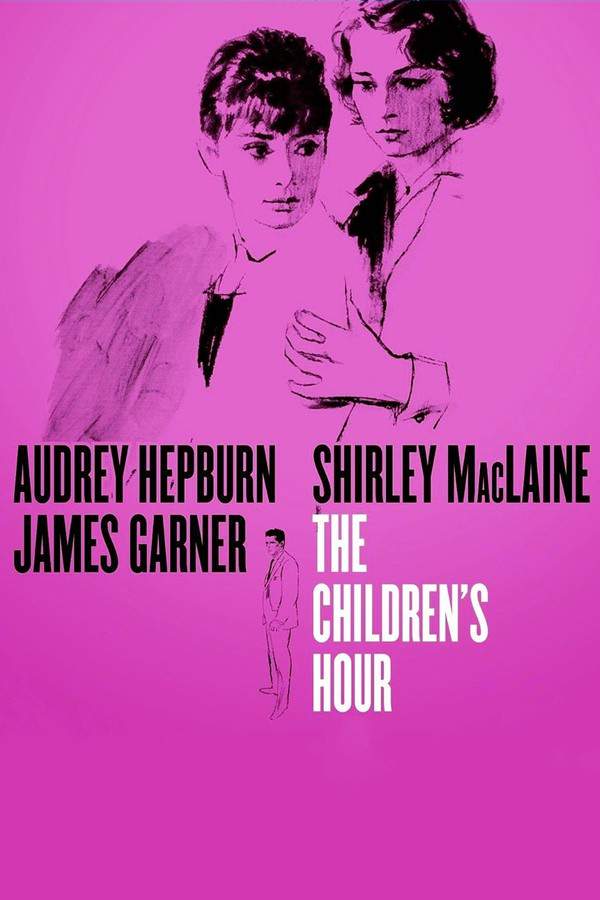
The Children's Hour (1961) movie poster

Characters & Themes

The Children's Hour (1961) Characters, Setting & Themes Explained

Release, runtime and language
1961 · 108 min · Spanish
JustWatch #11,045 15
Directed by
William Wyler
Starring
Veronica Cartwright, Shirley MacLaine, James Garner, Audrey Hepburn, Debbie Moldow, Diane Mountford

A sorrowful clown arrives in a small town and is unexpectedly tasked with looking after a young boy. As evening falls, the clown shares unsettling stories that captivate his charge, blurring the distinction between childlike fascination and the darker aspects of the adult world, and potentially jeopardizing the town's sense of innocence and decorum.

On this page (9)
  1. 1 Where to watch
  2. 2 Characters explained (4)
  3. 3 Where & when it takes place
  4. 4 Themes & meaning (3)
  5. 5 Character & meaning questions
  6. 6 The book behind the movie
  7. 7 Movie threads
  8. 8 Movies like The Children's Hour
  9. 9 Every angle

Where to watch

Where to Watch The Children's Hour (1961)

Where can you watch The Children's Hour? Stream, rent or buy it in the US, including on fuboTV, MGM Plus and Philo: current JustWatch availability with up-to-date prices.

Streaming availability powered by JustWatch

4 main characters · contains spoilers

The Children's Hour Characters Explained: Who Is Who

The main characters of The Children's Hour (1961), heroes and villains: what drives them, how they change over the course of the story and what each of them reveals about the film's bigger ideas.

  • Martha Dobie

    played by Audrey Hepburn

    Portrayed by Audrey Hepburn, Martha is a dedicated and compassionate teacher who harbors complex feelings for her best friend, Karen. Beneath her composed exterior lies a deep vulnerability, especially as she grapples with the devastating impact of the lies spread against her. Martha's journey from hope to despair illustrates the profound effects of societal judgment and personal loss.

    • 👩‍🏫 Teacher
    • 💔 Heartbroken
  • Karen Wright

    played by Shirley MacLaine

    Shirley MacLaine's Karen is an ambitious and strong-willed woman who seeks to make a difference in the lives of her students. Her romantic relationship with Joe significantly shapes her decisions, emphasizing her struggle between love and loyalty to Martha. The emotional turmoil she faces after the court's decision adds layers to her character, revealing her resilience amidst tragedy.

    • 👰‍♀️ Bride
    • 💪 Strong-willed
  • Mary Tilford

    Mary is a manipulative and spoiled student whose jealousy towards Martha and Karen drives the storyline's conflict. Her actions demonstrate the destructive power of falsehoods, as she exploits trust and friendship for her gain. The character highlights the darker aspects of youth, exposing how vulnerability can lead to vindictiveness.

    • 😈 Manipulator
    • 👧 Troubled Youth
  • Dr. Joe Cardin

    played by James Garner

    Characterized by James Garner, Joe is a well-meaning doctor torn between his love for Karen and the troubling rumors surrounding Martha. His internal conflict represents the societal pressures that can affect personal relationships. The unraveling of his engagement to Karen underscores the devastating impact of gossip on love.

    • 💔 Jilted Lover
    • 💼 Professional

Last updated: October 22, 2024 at 22:10

Was this helpful?

Setting

Where and When Does The Children's Hour Take Place?

The setting of The Children's Hour (1961): the year and time period, the places and locations, and how they shape the characters, the mood and the tension of the story.

Time period

The story unfolds in a period marked by shifting social norms about gender and sexuality. During this time, societal expectations heavily influenced personal relationships, often leading to misunderstandings and prejudice. The tension between traditional values and emerging modern views sets the stage for the personal dramas that erupt within the boarding school.

Location

Private Boarding School

The private boarding school serves as the central setting for Martha and Karen's ambitions, envisioned as a safe haven for young girls. It symbolizes hope and progress but ultimately becomes a place of conflict and despair due to the malicious lies spread by Mary Tilford. The environment reflects both the innocence of childhood and the harsh reality of adult deception.

  • 🏫 School
  • 🏡 Home

Last updated: October 22, 2024 at 22:10

Was this helpful?

3 major themes

The Children's Hour Meaning: Themes & Message Explained

What is The Children's Hour (1961) really about? The emotional, social and philosophical themes the film keeps returning to, its symbolism and the message beneath the surface.

  • Love and Betrayal

    The theme of love is intricately woven into the narrative, not only in the romantic relationship between Karen and Joe but also in Martha's complex feelings for Karen. Betrayal underscores the deceit that emerges from jealousy, leading to tragic outcomes and the unraveling of bonds. The devastation caused by falsehoods illustrates how love can be weaponized against those who cherish it.

  • Truth and Lies

    The tension between truth and deception is a driving force in the film, as Mary's manipulations create a catastrophic ripple effect on the lives of Martha and Karen. The struggle for the characters to reclaim their truth highlights the damaging power of lies, revealing how societal perceptions can distort reality. Ultimately, the pursuit of justice against slander reflects the importance of honesty in safeguarding one's identity.

  • Consequences

    The far-reaching consequences of a single lie demonstrate how swiftly lives can be upended. The characters navigate through public shame, loss, and the fragility of their dreams. These repercussions serve as a cautionary tale about the potential devastation that can arise from unchecked gossip and the need for accountability in interpersonal relationships.

Last updated: October 22, 2024 at 22:10

Was this helpful?

Character & theme questions

The Children's Hour Characters & Meaning: Your Questions Answered

The questions people ask about The Children's Hour (1961): who the characters really are, their relationships, what the symbols mean, where it takes place and what the movie is really about. Each answer contains spoilers.

Q1

Where does the story take place?

The story centers on a private boarding school for girls, which serves as both Martha and Karen's home and professional workspace. This setting was meant to represent a safe haven and progressive educational environment, but it becomes a place of conflict when Mary Tilford's lies spread through the school community.

  • boarding school
  • setting
  • private school
  • girls school
Q2

What time period does the film depict?

The film takes place during an era of shifting social norms about gender and sexuality, when traditional values were being challenged by emerging modern views. This historical context is essential, as the societal expectations of the time heavily influenced how personal relationships were perceived and judged.

  • time period
  • era
  • historical context
  • 1960s
  • social norms
Q3

What are the main themes explored in the film?

The film explores three interconnected themes: Love and Betrayal, which examines romantic relationships and the devastating effect of jealousy; Truth and Lies, focusing on how Mary's manipulations create catastrophic consequences; and Consequences, showing how a single lie can unravel lives and destroy dreams.

  • themes
  • love
  • betrayal
  • truth
  • lies
  • consequences
Q4

How does the film explore truth and lies?

The tension between truth and deception drives the entire narrative. Mary's false accusation about Martha and Karen creates a ripple effect that destroys their reputations, their school, and their futures. The characters' struggle to reclaim their truth highlights how lies, especially when combined with societal prejudice, can distort reality and devastate innocent lives.

  • truth
  • lies
  • deception
  • slander
  • gossip
  • accusation
Q5

Who is Martha Dobie?

Martha Dobie is a dedicated and compassionate teacher at the boarding school who secretly harbors romantic feelings for her best friend and co-teacher, Karen Wright. Portrayed by Audrey Hepburn, she is composed on the surface but deeply vulnerable. Her life unravels after Mary Tilford's false accusation leads to her suicide, making her the tragic victim of the film's central lie.

  • Martha Dobie
  • teacher
  • character
  • Audrey Hepburn
Q6

Who is Karen Wright?

Karen Wright is an ambitious and strong-willed teacher who co-founds the boarding school with Martha. She is romantically involved with Dr. Joe Cardin, and her relationship with him creates tension when the false rumors about her and Martha spread. She must choose between her loyalty to Martha and her love for Joe, ultimately facing emotional devastation when the court's decision goes against them.

  • Karen Wright
  • teacher
  • character
  • Shirley MacLaine
  • Joe Cardin
Q7

Who is Mary Tilford and what is her role?

Mary Tilford is a spoiled and manipulative student at the boarding school whose jealousy of Martha and Karen triggers the film's central conflict. She spreads the malicious lie that the two teachers are having a lesbian affair, exploiting the trust placed in her. Her character demonstrates how youthful vulnerability can curdle into vindictiveness and illustrates the destructive power of falsehoods.

  • Mary Tilford
  • student
  • antagonist
  • character
  • liar
Q8

Who is Dr. Joe Cardin?

Dr. Joe Cardin is a well-meaning doctor engaged to Karen, portrayed by James Garner. He represents the external societal pressure that affects personal relationships. While he cares for Karen, he is troubled by the rumors surrounding Martha, and his inability to fully support Karen despite his doubts ultimately contributes to the breakdown of their engagement when the gossip proves devastating.

  • Joe Cardin
  • doctor
  • character
  • James Garner
  • Karen's fiancé
Q9

Why is the boarding school important to the story?

The boarding school represents hope and progress, it was envisioned as a safe haven for young girls and as a progressive professional achievement for Martha and Karen. However, it becomes the site of their destruction when Mary's lies spread through this intimate community. The setting underscores the irony that a place meant for innocence and education becomes ground zero for devastating deception.

  • boarding school
  • setting
  • symbol
  • girls school
  • innocence
Q10

What does the film say about the consequences of lies?

The film serves as a cautionary tale about the far-reaching devastation of unchecked gossip and falsehoods. A single lie from Mary Tilford leads to public shame, the loss of the school, destroyed relationships, and ultimately Martha's suicide. The narrative illustrates how quickly lives can be upended and emphasizes the need for accountability in how words can harm others.

  • consequences
  • gossip
  • devastation
  • lie
  • accountability
Q11

How does the film explore love and betrayal?

Love and betrayal are intertwined throughout the narrative. Karen experiences both romantic love with Joe and the deep bond of friendship with Martha, while Martha's unrequited love for Karen adds complexity. The betrayal comes not only from Mary's lie but also from Joe's inability to fully stand by Karen during the crisis, showing how love can be weaponized and destroyed by external circumstances and prejudice.

  • love
  • betrayal
  • relationships
  • friendship
  • jealousy

Movie threads

More Movies Like The Children's Hour, by Mood & Story

Curated lists built around what makes The Children's Hour tick: the same mood, the same kind of story or the same emotional payoff. Each list explains why these movies belong together.

Movies about false accusations and social ruin like The Children's Hour

Stories where a single lie unravels lives and destroys reputations. If you were captivated by the destructive lie in The Children's Hour, this thread collects movies with similar themes of false accusations and social downfall. These dramas and thrillers focus on characters fighting against malicious rumors, public shame, and irreversible damage to their reputations.

  • tragic
  • anxious
  • oppressive
  • unjust
  • claustrophobic
  • somber
  • Tone: dark, tragic, oppressive
  • Pacing: steady, methodical
Why these movies?

The story pattern: These narratives typically begin with a single, often small, untruth that gains catastrophic momentum. The plot follows the accused as they are isolated, vilified, and face a legal or social battle they cannot win. The focus is on the psychological toll of being wrongly condemned and the tragic consequences that follow, often ending in profound loss.

Why they belong together: Movies are grouped here for their central theme of a life-altering falsehood and its tragic fallout. They share a heavy emotional weight, a steady, methodical pacing that builds dread, and a dark, oppressive tone centered on injustice and the cruelty of gossip.

Slow burn tragic melodramas similar to The Children's Hour

Character-driven dramas where sorrow accumulates with devastating finality. For fans of the methodical, heartbreaking build of The Children's Hour, this thread features movies with a similar slow burn approach to tragedy. These character-focused dramas use a steady pace to explore weighty themes, creating an oppressive atmosphere that culminates in a deeply sad or bleak ending.

  • melancholic
  • somber
  • tragic
  • heavy
  • oppressive
  • anxious
  • Tone: melancholic, somber, dark
  • Pacing: steady, deliberate slow burn
Why these movies?

The story pattern: The narrative pattern involves a central conflict that intensifies gradually rather than explosively. The story spends time developing its characters and their relationships, making their ultimate downfall feel both tragic and inevitable. There are few moments of relief, as the plot relentlessly moves toward a conclusion defined by grief and loss.

Why they belong together: These films are united by their specific combination of a steady, deliberate pace, a dark and somber tone, and an overwhelmingly heavy emotional payload. They prioritize a sustained mood of melancholy and anxiety over plot twists, resulting in a powerful, cumulative emotional impact.

If you liked this

Movies Like The Children's Hour

Similar movies to The Children's Hour: the same genre, themes or kind of story. Each one comes with its own plot summary, timeline and ending explained.

Browse all movie summaries

Every angle

The Children's Hour (1961) Explained: Plot, Timeline & Characters

Everything about The Children's Hour in one place: what happens in the plot summary, the timeline in chronological order, the characters and meaning and a spoiler-free summary. What's After the Movie adds the cast, box office and post-credit scenes.

Coming soon on iOS and Android

The Plot Explained Movie Summary App

Plot summaries, endings explained and timelines on your phone. Catch up on any movie in minutes, save your favorites and never miss a twist again.

Be the first to know when we launch. Your email stays private, always.

Learn more about the app