Year: 2006
Runtime: 93 min
Language: Mongolian
Director: Byambasuren Davaa
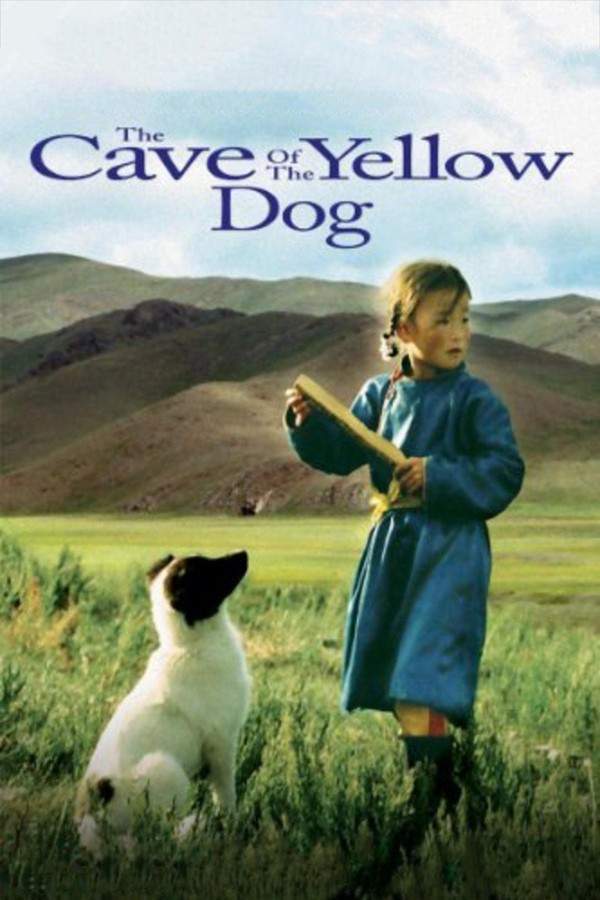
A Mongolian nomad family’s peaceful life is challenged when a young girl brings a stray dog into their home. The unexpected arrival sparks a conflict rooted in tradition and differing beliefs about the animal's place within the family. As the debate intensifies, the eldest daughter grapples with questions of loyalty and the profound connection between humans and animals, ultimately confronting the cultural values that shape her community. The film explores themes of compassion and the importance of understanding in a remote, traditional setting.
Find where to stream, rent, or buy The Cave of the Yellow Dog (2006) in the US with current JustWatch availability, up-to-date pricing, and platform listings for subscription, rental, and digital purchase options.
Warning: spoilers below!
Haven’t seen The Cave of the Yellow Dog yet? This summary contains major spoilers. Bookmark the page, watch the movie, and come back for the full breakdown. If you're ready, scroll on and relive the story!
Trace every key event in The Cave of the Yellow Dog (2006) with our detailed, chronological timeline. Perfect for unpacking nonlinear stories, spotting hidden connections, and understanding how each scene builds toward the film’s climax. Whether you're revisiting or decoding for the first time, this timeline gives you the full picture.
Last updated: November 16, 2024 at 11:18
Find frequently asked questions about the The Cave of the Yellow Dog (2006) timeline, including chronological order, nonlinear jumps, cause-and-effect links, and scene sequence clarifications. This timeline FAQ helps explain when key events happen, how moments connect, and why the story unfolds in that specific order.
Nansal's father fears that Zochor will attract wolves to their livestock. Since he found the dog near a cave, he knows wolves often inhabit caves, and a dog could lead wolves directly to their herd. With their sheep already being killed by wolves, this represents a real threat to the family's survival.
The father's anxiety about wolves is introduced at the beginning of the film, establishing why he sees Zochor as a danger rather than a pet.
The elderly woman tells Nansal about a yellow dog that became trapped inside a cave while a man tried to treat his daughter's illness. The legend explains how dogs and humans came to have a special bond, and it deeply moves Nansal. This tale strengthens her emotional connection to Zochor and gives her the courage to defend keeping the dog.
The legend foreshadows the film's theme that dogs are protective companions who deserve compassion, not rejection.
After returning home and finding Zochor still there despite his instructions, the father attempts to solve the problem by selling the dog to wolf hunters. This represents his final attempt to remove the perceived threat to his livestock without directly harming the animal himself.
The father's willingness to sell Zochor shows how seriously he takes the wolf threat, making his later change of heart more meaningful.
During the family's migration, Nansal's younger brother wanders away toward a flock of vultures near a stream. Zochor, though tethered, manages to break free and chases the vultures away just as the father races back on horseback to find his son. This act of bravery convinces the father that Zochor is protective rather than dangerous.
Nansal's assigned role to watch her brother creates the tension that allows this rescue scene to occur.
After witnessing Zochor bravely chase away vultures that were threatening his son, the father realizes the dog is protective rather than a liability. He understands that Zochor's presence could actually safeguard his family, not endanger them. This pivotal moment transforms his opinion completely.
The father's initial fear of wolves being attracted by the dog contrasts sharply with his witnessing Zochor protecting his child from another threat.
While grazing the herd, Nansal becomes distracted from her duties and wanders away. This leads her to seek shelter in the elderly woman's yurt during the fierce storm. Her wandering is portrayed as a moment of childhood curiosity and distraction, not intentional disobedience.
Her wandering causes her to miss the family confrontation about Zochor and leads her to hear the important legend.
When Nansal's father takes Zochor to sell to wolf hunters, Nansal runs after them and explains that she found Zochor inside a cave. This detail reframes the dog's origin in the father's mind, connecting to the legend he may have heard, and stops the sale.
The legend Nansal heard about the Cave of the Yellow Dog gives her the precise words to change her father's mind.
The family is following the traditional nomadic lifestyle, loading their yurt and belongings onto carts drawn by cattle to move to new grazing grounds. This seasonal migration is part of their pastoral way of life, essential for their livestock's access to fresh grass and resources.
The migration creates the dangerous situation where the brother can wander away and Zochor must prove his worth.
As the family's wagons roll down the road, a passing truck blares announcements about upcoming elections. This detail situates the story in a specific historical moment, suggesting Mongolia's transition toward modern political systems while the family continues their ancient nomadic way of life.
Discover curated groups of movies connected by mood, themes, and story style. Browse collections built around emotion, atmosphere, and narrative focus to easily find films that match what you feel like watching right now.
Stories that quietly explore family and tradition within peaceful, rural settings.If you liked the serene and reflective pace of The Cave of the Yellow Dog, you'll appreciate these movies. They feature families navigating small-scale, heartfelt conflicts rooted in their culture. Expect gentle storytelling, stunning natural landscapes, and hopeful resolutions in these similar drama movies.
The narrative pattern typically involves a simple, domestic conflict—often between tradition and a child's innocent perspective—that tests but ultimately strengthens family bonds. The journey is low-intensity and character-driven, resolving in a way that reaffirms understanding and compassion without major trauma or upheaval.
These films are grouped together because they share a specific combination of a gentle tone, slow pacing, and low intensity, all set against a backdrop of rich cultural tradition. They provide a quiet, observational look at family life that is both specific in its setting and universal in its emotional themes.
Heartwarming tales where a child's bond with an animal brings healing and growth.Movies like The Cave of the Yellow Dog that feature a deep bond between a child and an animal. These films are perfect if you enjoyed the story of a loyal dog helping a girl bridge a gap with her family. Expect light emotional weight, straightforward plots, and happy endings in these similar feel-good dramas.
The narrative follows a clear arc: a child forms a deep, loyal bond with an animal, which is initially met with resistance from adults. Through this relationship and often a key event where the animal proves its worth, skepticism is overcome, leading to reconciliation and a happy ending that celebrates the human-animal connection.
These movies are linked by their core focus on the innocent, pure relationship between a child and an animal as a source of narrative conflict and emotional resolution. They share a light emotional weight, a hopeful tone, and a straightforward plot structure that makes them accessible and uplifting.
Don't stop at just watching - explore The Cave of the Yellow Dog in full detail. From the complete plot summary and scene-by-scene timeline to character breakdowns, thematic analysis, and a deep dive into the ending - every page helps you truly understand what The Cave of the Yellow Dog is all about. Plus, discover what's next after the movie.
Read a complete plot summary of The Cave of the Yellow Dog, including all key story points, character arcs, and turning points. This in-depth recap is ideal for understanding the narrative structure or reviewing what happened in the movie.
Discover the characters, locations, and core themes that shape The Cave of the Yellow Dog. Get insights into symbolic elements, setting significance, and deeper narrative meaning - ideal for thematic analysis and movie breakdowns.