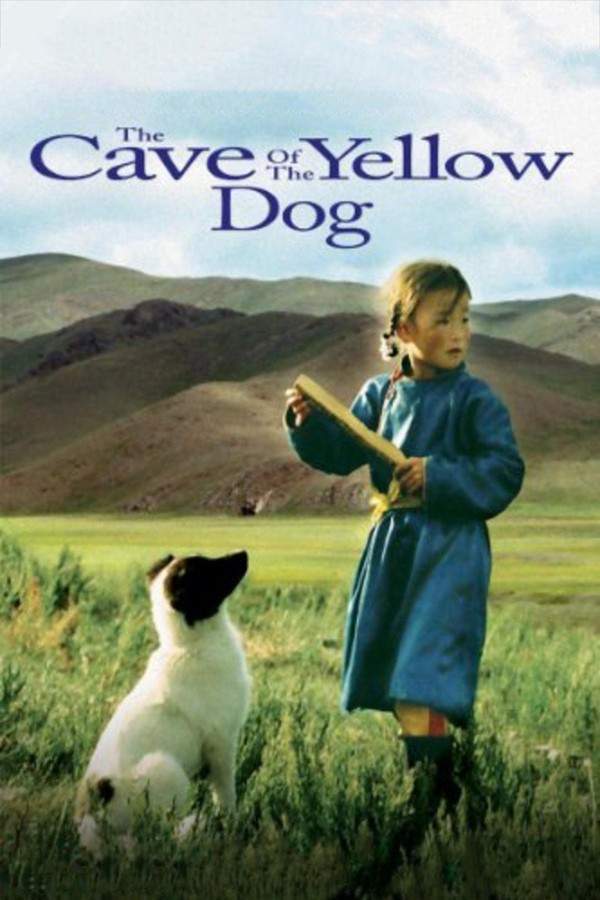
Year: 2006
Runtime: 93 min
Language: Mongolian
Director: Byambasuren Davaa
A Mongolian nomad family’s peaceful life is challenged when a young girl brings a stray dog into their home. The unexpected arrival sparks a conflict rooted in tradition and differing beliefs about the animal's place within the family. As the debate intensifies, the eldest daughter grapples with questions of loyalty and the profound connection between humans and animals, ultimately confronting the cultural values that shape her community. The film explores themes of compassion and the importance of understanding in a remote, traditional setting.
Find where to stream, rent, or buy The Cave of the Yellow Dog (2006) in the US with current JustWatch availability, up-to-date pricing, and platform listings for subscription, rental, and digital purchase options.
Warning: spoilers below!
Haven’t seen The Cave of the Yellow Dog yet? This summary contains major spoilers. Bookmark the page, watch the movie, and come back for the full breakdown. If you're ready, scroll on and relive the story!
Explore the full timeline and setting of The Cave of the Yellow Dog (2006). Follow every major event in chronological order and see how the environment shapes the story, characters, and dramatic tension.
Last updated: October 22, 2024 at 21:39
Meet the key characters of The Cave of the Yellow Dog (2006), with detailed profiles, motivations, and roles in the plot. Understand their emotional journeys and what they reveal about the film’s deeper themes.
Last updated: October 22, 2024 at 21:39
Explore the central themes of The Cave of the Yellow Dog (2006), from psychological, social, and emotional dimensions to philosophical messages. Understand what the film is really saying beneath the surface.
Last updated: October 22, 2024 at 21:39
Browse frequently asked questions about The Cave of the Yellow Dog (2006) focused on characters, relationships, themes, symbols, setting, and story context. This movie info FAQ gives spoiler-aware explanations for character arcs, world details, and thematic interpretation so readers can better understand what the film is really about.
The movie is set on the Mongolian Steppe, a vast expanse of grassland where traditional nomadic families live in yurts. This remote landscape features rolling hills, open skies, and a close connection to nature, forming the backdrop for the family's daily life and struggles.
A yurt is a traditional Mongolian portable dwelling made of a wooden frame covered with felt and canvas. These round, collapsible tents have been used by nomadic herders for centuries and provide shelter suited to the harsh Mongolian climate and mobile lifestyle.
The story takes place in contemporary times but portrays traditional Mongolian pastoral life. While modern technology is minimal, the film reflects a way of life that has remained largely unchanged for generations, blending present-day reality with ancient customs.
Families on the Mongolian Steppe face challenges including harsh weather, isolation from urban centers, and constant threats from predators like wolves that target their livestock. Survival depends on livestock such as sheep, goats, and cattle, making the family's livelihood directly tied to nature's unpredictable conditions.
The theme of companionship centers on the bond between Nansal and Zochor, the stray dog she brings home. This relationship demonstrates how love and loyalty can emerge from unexpected places, ultimately uniting the family and teaching them to look beyond traditional fears and prejudices.
Survival is explored through the family's dependence on livestock and their constant vigilance against wolf attacks. The father's anxiety about protecting his family and animals reflects the fragile balance between human life and nature's dangers in rural Mongolia.
Family bonds drive the narrative, with each member's love and concern motivating their decisions. Nansal's determination to keep Zochor, her parents' protective instincts, and the family's unified response to danger all highlight the importance of unity in overcoming fear and adversity.
Nansal is the young daughter in a Mongolian nomadic family. She is curious, compassionate, and demonstrates a strong sense of responsibility. Her determination to rescue and protect Zochor, the stray dog, showcases her courage in standing up to her father's disapproval to follow her heart.
Zochor is a black and white stray dog that Nansal brings to the family yurt. Initially viewed as a potential threat by her father, Zochor ultimately proves his loyalty and bravery by protecting Nansal's brother from danger, earning his place in the family.
Nansal's father is a hardworking shepherd who prioritizes his family's safety and livestock above all else. His fear of wolf attacks creates tension around Zochor's presence, but his character arc shows growth as he learns to recognize love and loyalty over fear.
Nansal's mother is the nurturing matriarch of the family who balances practical family needs with emotional support. She shows concern for everyone's safety during crises and represents the vital role women play in traditional Mongolian communities.
The film explores the profound bond between humans and animals through Zochor's journey from stray to family protector. It illustrates how animals can transcend fear and become loyal companions who actively protect and serve their human families, challenging traditional prejudices.
Discover curated groups of movies connected by mood, themes, and story style. Browse collections built around emotion, atmosphere, and narrative focus to easily find films that match what you feel like watching right now.
Stories that quietly explore family and tradition within peaceful, rural settings.If you liked the serene and reflective pace of The Cave of the Yellow Dog, you'll appreciate these movies. They feature families navigating small-scale, heartfelt conflicts rooted in their culture. Expect gentle storytelling, stunning natural landscapes, and hopeful resolutions in these similar drama movies.
The narrative pattern typically involves a simple, domestic conflict—often between tradition and a child's innocent perspective—that tests but ultimately strengthens family bonds. The journey is low-intensity and character-driven, resolving in a way that reaffirms understanding and compassion without major trauma or upheaval.
These films are grouped together because they share a specific combination of a gentle tone, slow pacing, and low intensity, all set against a backdrop of rich cultural tradition. They provide a quiet, observational look at family life that is both specific in its setting and universal in its emotional themes.
Heartwarming tales where a child's bond with an animal brings healing and growth.Movies like The Cave of the Yellow Dog that feature a deep bond between a child and an animal. These films are perfect if you enjoyed the story of a loyal dog helping a girl bridge a gap with her family. Expect light emotional weight, straightforward plots, and happy endings in these similar feel-good dramas.
The narrative follows a clear arc: a child forms a deep, loyal bond with an animal, which is initially met with resistance from adults. Through this relationship and often a key event where the animal proves its worth, skepticism is overcome, leading to reconciliation and a happy ending that celebrates the human-animal connection.
These movies are linked by their core focus on the innocent, pure relationship between a child and an animal as a source of narrative conflict and emotional resolution. They share a light emotional weight, a hopeful tone, and a straightforward plot structure that makes them accessible and uplifting.
Don't stop at just watching - explore The Cave of the Yellow Dog in full detail. From the complete plot summary and scene-by-scene timeline to character breakdowns, thematic analysis, and a deep dive into the ending - every page helps you truly understand what The Cave of the Yellow Dog is all about. Plus, discover what's next after the movie.
Read a complete plot summary of The Cave of the Yellow Dog, including all key story points, character arcs, and turning points. This in-depth recap is ideal for understanding the narrative structure or reviewing what happened in the movie.
Track the full timeline of The Cave of the Yellow Dog with every major event arranged chronologically. Perfect for decoding non-linear storytelling, flashbacks, or parallel narratives with a clear scene-by-scene breakdown.