The Cars That Ate Paris

The Cars That Ate Paris

JustWatch#8,14510

Year: 1974

Runtime: 87 mins

Language: English

Director: Peter Weir

HorrorComedy

In the remote Australian settlement of Paris, 148 residents are all murderers. After his brother dies in a crash, drifter Arthur Waldo is taken in by the mayor, who hopes he’ll stay. Arthur soon discovers the town engineers fatal accidents, robs victims, and sends survivors to a hospital where a doctor lobotomises them for his experiments.

Where to Watch The Cars That Ate Paris?

Find where to stream, rent, or buy The Cars That Ate Paris (1974) in the US with current JustWatch availability, up-to-date pricing, and platform listings for subscription, rental, and digital purchase options.

Warning: spoilers below!

Haven’t seen The Cars That Ate Paris yet? This summary contains major spoilers. Bookmark the page, watch the movie, and come back for the full breakdown. If you're ready, scroll on and relive the story!

Timeline & Setting – The Cars That Ate Paris (1974)

Explore the full timeline and setting of The Cars That Ate Paris (1974). Follow every major event in chronological order and see how the environment shapes the story, characters, and dramatic tension.

Time period

Location

Paris, rural Australia

Paris is a small rural town in Australia that wears a postcard-perfect façade while concealing a brutal underbelly. The community orchestrates fatal accidents to harvest belongings from visitors and subjects survivors to lobotomies and other medical experiments. Beneath the bucolic landscape, a fierce pride in modified cars clashes with a controlling older generation.

🏞️ Rural town 🚗 Car culture 🧪 Medical experiments

Last updated: October 04, 2025 at 16:17

Was this helpful?

Main Characters – The Cars That Ate Paris (1974)

Meet the key characters of The Cars That Ate Paris (1974), with detailed profiles, motivations, and roles in the plot. Understand their emotional journeys and what they reveal about the film’s deeper themes.

Arthur Waldo (Terry Camilleri)

A cautious driver who loses confidence after a previous fatal incident. He is taken in by Mayor Len Kelly's family and becomes a hospital orderly, then the town's parking inspector. He gradually regains his nerve by driving the Mayor's car into his former supervisor, and ultimately leaves Paris with the town's residents.

🚗 Driver 🧠 Resilient 🧭 Adaptive

Len Kelly (John Meillon)

The Mayor of Paris, who presents a friendly mask to the outside world while maintaining a harsh, factional town underbelly. He sponsors Arthur as a member of his family and enforces authority through social cohesion and selective benevolence, including the town's adopted daughters. His leadership is a flashpoint for the town's escalating feud between generations.

🏛️ Mayor 🗝️ Power 🧭 Authority

George Waldo (Rick Scully)

Arthur's older brother, who accompanies him into Paris but is killed in an early accident that reveals the town's dangerous undercurrents. His death sets off Arthur's fragile confidence and pulls him into the Mayor's orbit.

⚰️ Death 👨‍👦 Family 🚗 Catalyst

Last updated: October 04, 2025 at 16:17

Was this helpful?

Major Themes – The Cars That Ate Paris (1974)

Explore the central themes of The Cars That Ate Paris (1974), from psychological, social, and emotional dimensions to philosophical messages. Understand what the film is really saying beneath the surface.

🗺️ Hidden Cruelty

Paris wears a picturesque surface while a brutal social order operates beneath. The town's car hoon culture and public hospital terrors show how communities rationalize cruelty. The Pioneers Ball acts as a catalyst where fear and violence erupt into open conflict. The film critiques conformity and the ease with which ordinary people enable harm.

🚗 Car Culture

Modified cars are not mere toys but weapons that define power in Paris. The younger generation's hooning escalates into communal violence, threatening the town's fragile stability. Cars symbolize freedom and danger, blurring lines between thrill and harm. The clash between car culture and authority drives the plot and exposes the fragility of a tight-knit community.

⚖️ Power & Control

Authority in Paris is personal and precarious, shaped by the Mayor's protective network. Leadership allows harm to flourish while presenting a façade of order. The hospital, lobotomies, and public spectacles reveal how power can corrupt and normalise cruelty. Arthur's struggle to resist exposes the cost of dissent in a fracturing town.

Last updated: October 04, 2025 at 16:17

Was this helpful?

The Cars That Ate Paris (1974) Character & Theme Questions Answered – Info FAQ

Browse frequently asked questions about The Cars That Ate Paris (1974) focused on characters, relationships, themes, symbols, setting, and story context. This movie info FAQ gives spoiler-aware explanations for character arcs, world details, and thematic interpretation so readers can better understand what the film is really about.

Q1

Where is the movie set?

A.

The film takes place in Paris, a small rural town in rural Australia. Despite its picturesque postcard-perfect appearance, the town conceals a brutal underbelly where residents engineer fatal car accidents to rob visitors and subject survivors to lobotomies and medical experiments.

paris australiarural townsettinglocation
Q2

What is Paris secretly known for?

A.

Paris is a town where all 148 residents are involved in orchestrating fatal accidents targeting visitors. Survivors are sent to a local hospital where a doctor performs lobotomies and other experiments. The community harvests belongings from victims while maintaining a façade of normalcy.

paris townfatal accidentslobotomiesmedical experiments
Q3

Who is Arthur Waldo?

A.

Arthur Waldo is a cautious driver who arrives in Paris after his brother George is killed in one of the town's engineered accidents. Taken in by Mayor Len Kelly, he works as a hospital orderly and later becomes the town's parking inspector. He gradually regains his confidence by driving the Mayor's car into his former supervisor.

arthur waldocharacterterry camilleridrifter
Q4

Who is Mayor Len Kelly?

A.

Mayor Len Kelly is the leader of Paris who presents a friendly mask to the outside world while maintaining control over the town's harsh, factional operations. He sponsors Arthur as a member of his family and enforces authority through social cohesion and selective benevolence, including caring for adopted daughters.

len kellymayorauthorityjohn meillonleadership
Q5

What role does car culture play in the movie?

A.

Modified cars in Paris are not merely toys but weapons that define power and status within the community. The younger generation's reckless driving (hooning) escalates into communal violence, threatening the town's fragile stability. Cars symbolize both freedom and danger, blurring lines between thrill-seeking and harm.

car culturehooningcars as weaponsmodified carspower
Q6

What does the Hidden Cruelty theme explore?

A.

The theme of Hidden Cruelty examines how communities rationalize harm while maintaining a picturesque surface. The town's car hoon culture and hospital terrors demonstrate how ordinary people enable systemic cruelty. The film critiques conformity and the ease with which residents participate in exploitation.

hidden crueltyconformitycommunity crueltysocial order
Q7

How does power corrupt in Paris?

A.

Authority in Paris is personal and precarious, shaped by Mayor Kelly's protective network. Leadership allows harm to flourish while presenting a façade of order. The hospital, lobotomies, and public spectacles reveal how power corrupts and normalizes cruelty, with Arthur's struggle to resist exposing the cost of dissent.

powercontrolcorruptionauthoritylobotomies
Q8

What happens to Arthur's brother George?

A.

George Waldo, Arthur's older brother, accompanies him into Paris but is killed in an early accident that reveals the town's dangerous undercurrents. His death sets off Arthur's fragile psychological state and inadvertently pulls him into Mayor Kelly's orbit, beginning his transformation.

george waldobrother deatharthur transformation
Q9

How does the car modification culture shape the town?

A.

Beneath Paris's bucolic landscape, a fierce pride in modified cars drives social hierarchy and power dynamics. The younger generation's hooning creates tension with the controlling older generation, leading to generational conflict that becomes a flashpoint in the town's escalating feud.

car modificationshooninggenerational conflicttown society
Q10

What is the Pioneers Ball?

A.

The Pioneers Ball serves as a catalyst in the film where fear and violence erupt into open conflict within the community. This event highlights how public gatherings can trigger the town's underlying tensions and expose the fragile stability maintained through careful social control.

pioneers ballcommunity eventconflictviolence
Q11

Does the movie offer redemption for its characters?

A.

The film explores themes of collective guilt and moral decay without offering redemption. The ending is ambiguous, Arthur regains his nerve but departs with the remaining residents, leaving his own moral standing unresolved. The tone remains bleak, focusing on exploitation and psychological manipulation.

moral decayredemptionambiguous endingcollective guilt
Mobile App Preview

Coming soon on iOS and Android

The Plot Explained Mobile App

From blockbusters to hidden gems - dive into movie stories anytime, anywhere. Save your favorites, discover plots faster, and never miss a twist again.

Sign up to be the first to know when we launch. Your email stays private, always.

Explore Movie Threads

Discover curated groups of movies connected by mood, themes, and story style. Browse collections built around emotion, atmosphere, and narrative focus to easily find films that match what you feel like watching right now.

Movies about dangerous towns like The Cars That Ate Paris

Placid communities hide a festering core of violence and conspiracy.If you liked the unsettling discovery of a town's dark economy in The Cars That Ate Paris, explore more movies about communities with deadly secrets. These films feature isolated settings, pervasive conspiracies, and a palpable sense of paranoia.
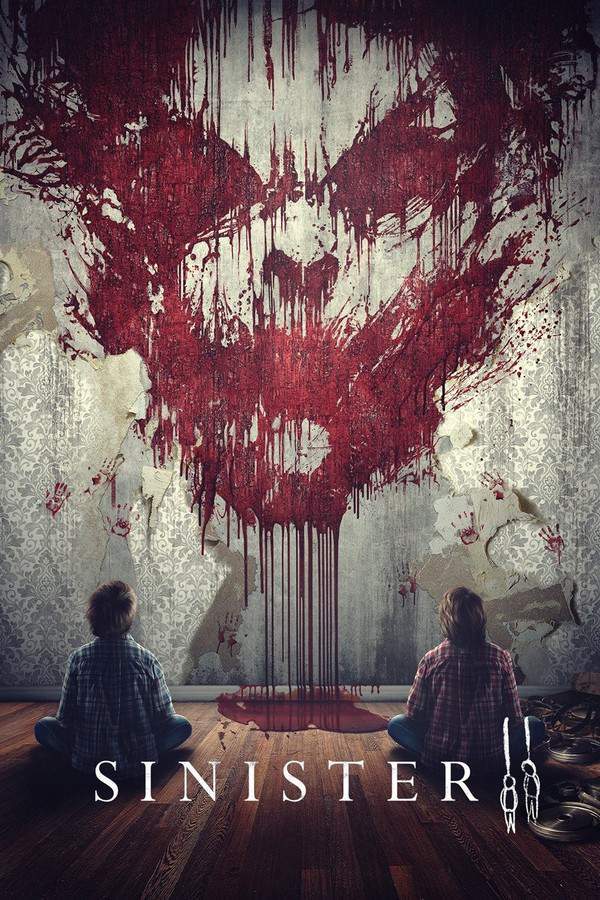
claustrophobicsinisterparanoidunsettlinganxiousoppressive

Narrative Summary

A protagonist, often an outsider or newcomer, arrives in a remote or seemingly peaceful community. They gradually uncover a deeply ingrained and horrifying secret that the entire town protects, leading to a conflict where they must fight against a unified, malevolent force.

Why These Movies?

These films are grouped by their shared setting archetype and narrative structure. They create a powerful sense of claustrophobia and paranoia, exploring themes of mob mentality, moral decay, and the horrific rituals that can fester beneath a veneer of normalcy.

Movies about social decay like The Cars That Ate Paris

Stories where society's fabric unravels into violence and exploitation.For viewers who appreciated the themes of moral corruption in The Cars That Ate Paris, this list highlights movies about societal collapse and communities built on exploitation. These stories are dark, heavy, and explore the grim consequences of a broken social contract.
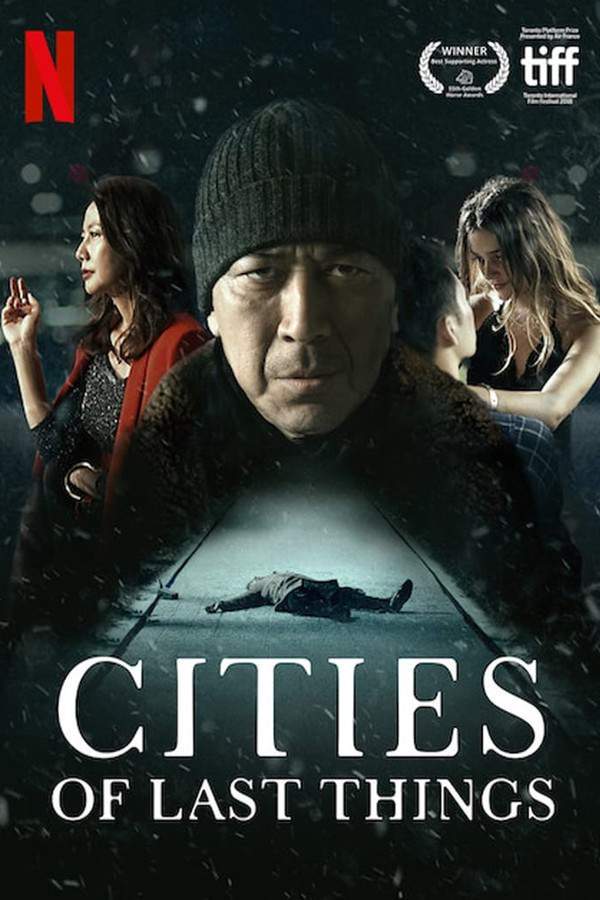
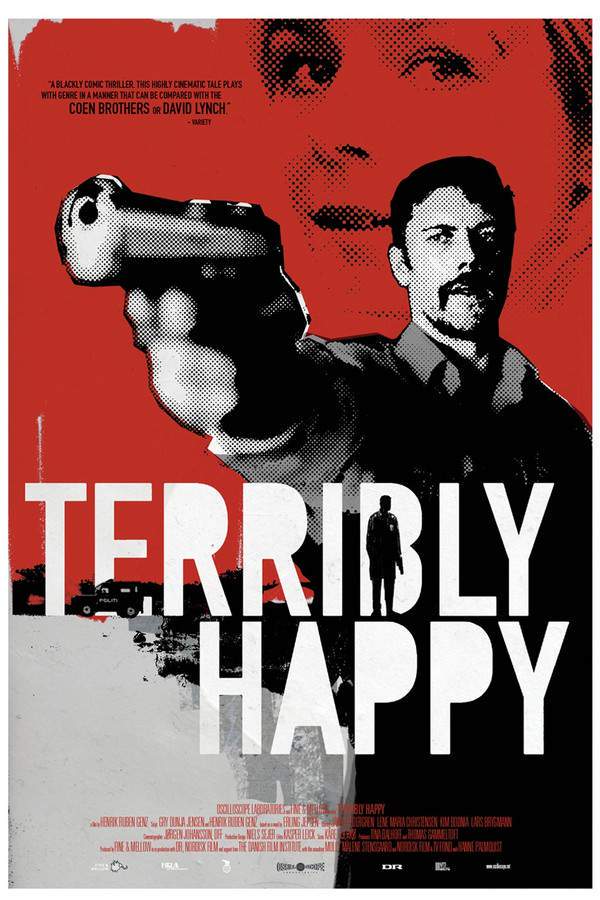
bleakdisturbingcynicalbrutalanxiousunsettling

Narrative Summary

The narrative follows a society, community, or group that has abandoned conventional morality, constructing a new, brutal order based on survival, power, or perverse logic. The story often critiques this system through the eyes of a character who is either corrupted by it or attempts to resist it.

Why These Movies?

These films are united by their bleak thematic focus on the fragility of civilization and the darkness that emerges when social structures fail. They share a heavy emotional weight and a dark tone, prioritizing a disturbing examination of human nature over hope or redemption.

Unlock the Full Story of The Cars That Ate Paris

Don't stop at just watching - explore The Cars That Ate Paris in full detail. From the complete plot summary and scene-by-scene timeline to character breakdowns, thematic analysis, and a deep dive into the ending - every page helps you truly understand what The Cars That Ate Paris is all about. Plus, discover what's next after the movie.

The Cars That Ate Paris Summary

Read a complete plot summary of The Cars That Ate Paris, including all key story points, character arcs, and turning points. This in-depth recap is ideal for understanding the narrative structure or reviewing what happened in the movie.

The Cars That Ate Paris Summary

The Cars That Ate Paris Timeline

Track the full timeline of The Cars That Ate Paris with every major event arranged chronologically. Perfect for decoding non-linear storytelling, flashbacks, or parallel narratives with a clear scene-by-scene breakdown.


The Cars That Ate Paris Timeline

The Cars That Ate Paris Spoiler-Free Summary

Get a quick, spoiler-free overview of The Cars That Ate Paris that covers the main plot points and key details without revealing any major twists or spoilers. Perfect for those who want to know what to expect before diving in.

The Cars That Ate Paris Spoiler-Free Summary

More About The Cars That Ate Paris

Visit What's After the Movie to explore more about The Cars That Ate Paris: box office results, cast and crew info, production details, post-credit scenes, and external links - all in one place for movie fans and researchers.

More About The Cars That Ate Paris

Similar Movies to The Cars That Ate Paris

Discover movies like The Cars That Ate Paris that share similar genres, themes, and storytelling elements. Whether you’re drawn to the atmosphere, character arcs, or plot structure, these curated recommendations will help you explore more films you’ll love.