The Cabinet of Caligari

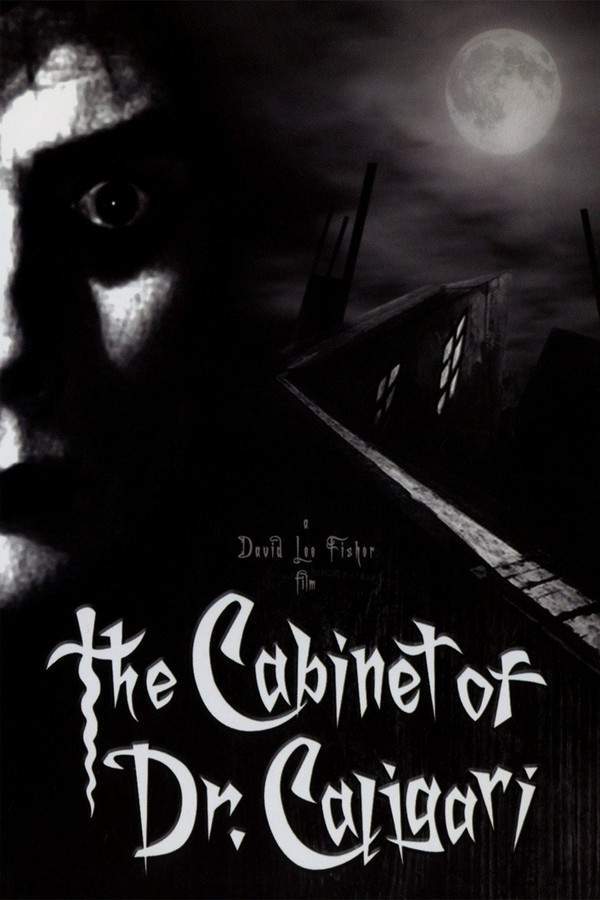
The Cabinet of Caligari

Year: 1962

Runtime: 106 mins

Language: English

Director: Roger Kay

HorrorThriller

A delirious young woman finds herself imprisoned within a remote, labyrinthine mansion, at the mercy of a deranged mastermind who manipulates her perception of reality. The sinister atmosphere, distorted sets, and relentless psychological terror create a nightmarish struggle for escape, as her frantic attempts to uncover the truth are thwarted by eerie shadows and the madman's cruel games, turning every corridor into a trap.

Where to Watch The Cabinet of Caligari?

Find where to stream, rent, or buy The Cabinet of Caligari (1962) in the US with current JustWatch availability, up-to-date pricing, and platform listings for subscription, rental, and digital purchase options.

Streaming availability powered by JustWatch

Warning: spoilers below!

Haven’t seen The Cabinet of Caligari yet? This summary contains major spoilers. Bookmark the page, watch the movie, and come back for the full breakdown. If you're ready, scroll on and relive the story!

Timeline & Setting – The Cabinet of Caligari (1962)

Explore the full timeline and setting of The Cabinet of Caligari (1962). Follow every major event in chronological order and see how the environment shapes the story, characters, and dramatic tension.

Time period

Early 20th century

The events unfold in a contemporary early-20th-century German setting, juxtaposing a polished manor with a clinical asylum. This period's preoccupation with psychology and medical authority shapes how characters are questioned and restrained. The stark visuals and shifting spaces mirror the era's interest in perception and control.

Location

Caligari's estate, the asylum

The primary locations are an elegant, remote estate owned by Caligari and a surrounding psychiatric asylum where guests cannot leave. The estate functions as a trap, full of guarded rooms and a palpable sense of psychological control. The asylum atmosphere emphasizes confinement of the mind as well as the body.

🏰 Manor 🇩🇪 German setting 🪞 Expressionist atmosphere

Last updated: March 05, 2026 at 18:24

Was this helpful?

Main Characters – The Cabinet of Caligari (1962)

Meet the key characters of The Cabinet of Caligari (1962), with detailed profiles, motivations, and roles in the plot. Understand their emotional journeys and what they reveal about the film’s deeper themes.

Jane Lindstrom (Glynis Johns)

A motorist who becomes suspicious of Caligari’s hospitality. Her fear and curiosity drive her to confront the host, culminating in the film’s mind-bending twist. Her experiences reveal how perceptions can be manipulated by a controlled environment.

🌟 Protagonist 🫶 Romantic interest 🧭 Suspicious

Caligari / Paul

A polite, enigmatic host whose charm hides a controlling, manipulative agenda. He reveals himself as a dual personality, blurring the line between host and captive. He embodies the film’s authority and its manipulation of reality.

🕴️ Antagonist 🗜️ Control 🌀 Deception

Mark Lindstrom

A younger man who catches Jane's romantic interest but is later revealed to be her son. He becomes a focal point that complicates the relationships among guests and adds a dramatic twist to the narrative.

💫 Romantic interest 👨 Family ties 🕊️ Revelation

Ruth

An elderly, lively guest who becomes a target of abuse under the asylum's power. Her torture demonstrates the film’s critique of psychiatric coercion and the vulnerability of those under control.

🔒 Captivity 🧓 Age and experience 🧪 Experimentation

Jane as a Child

A younger version connected to the protagonist, representing the past and the roots of the patient’s psyche. This character underscores the theme of memories shaping perception.

👶 Childhood 🧠 Memory 🔎 Roots

Last updated: March 05, 2026 at 18:24

Was this helpful?

Major Themes – The Cabinet of Caligari (1962)

Explore the central themes of The Cabinet of Caligari (1962), from psychological, social, and emotional dimensions to philosophical messages. Understand what the film is really saying beneath the surface.

🗝️ Power and Control

Authority figures wield confinement and manipulation to bend others to their will. Caligari's estate serves as a staged trap where guests are monitored and restrained, revealing how power distorts perception. The twist reframes control as a psychological trap.

🪞 Reality vs Illusion

appearances masquerade as reality, with signs, images, and symbols representing truth. What seems to be happening is reframed as a distortion within the asylum's patient mind. The revelation forces viewers to reconsider what counts as 'real' in the story.

🧠 Psychoanalysis and Mental Health

Psychoanalytic questioning, shock treatment, and Rorschach-like imagery structure the plot. The film critiques how psychiatric practices can construct narratives to control individuals. The twist reveals the protagonist's distorted perspective as the 'truth'.

Last updated: March 05, 2026 at 18:24

Was this helpful?

The Cabinet of Caligari (1962) Character & Theme Questions Answered – Info FAQ

Browse frequently asked questions about The Cabinet of Caligari (1962) focused on characters, relationships, themes, symbols, setting, and story context. This movie info FAQ gives spoiler-aware explanations for character arcs, world details, and thematic interpretation so readers can better understand what the film is really about.

Q1

Where is the movie set?

A.

The story takes place in two main locations: a remote, elegant estate owned by the mysterious Caligari and a surrounding psychiatric asylum. The estate functions as a psychological trap, with guarded rooms and an atmosphere of control, while the asylum emphasizes confinement of both mind and body in a German setting.

caligari estateasylumsettinggerman mansionlocation
Q2

What time period does it take place in?

A.

The film is set in the early 20th century, during a period when psychology and medical authority were rapidly developing. This historical context shapes how characters are questioned and restrained, with the era's fascination with perception and control reflected in both the polished manor and clinical asylum settings.

time periodearly 20th centuryhistorical settinggerman era
Q3

What are the main themes?

A.

The film explores three interconnected themes: Power and Control, where authority figures manipulate and confine others; Reality vs Illusion, where appearances deceive and the twist forces viewers to reconsider what is real; and Psychoanalysis and Mental Health, critiquing how psychiatric practices can construct narratives to control individuals.

themespower controlreality illusionpsychoanalysismental health
Q4

Who is Caligari and what does he represent?

A.

Caligari is a polite, enigmatic host who appears charming but harbors a controlling, manipulative agenda. He reveals himself as a dual personality, blurring the line between captor and captive. He embodies the film's exploration of authority and its ability to manipulate reality, representing how power distorts perception.

caligarihostmanipulationauthoritydual personality
Q5

Who is the main character Jane Lindstrom?

A.

Jane Lindstrom is the protagonist, a motorist who becomes suspicious of Caligari's hospitality and seeks to uncover the truth. Her fear and curiosity drive her confrontations with the host, and her experiences reveal how perceptions can be manipulated within a controlled environment.

jane lindstromprotagonistmain characterglynis johns
Q6

What does the reality vs illusion theme mean?

A.

The theme examines how appearances masquerade as reality, with signs and symbols representing truth that is actually distorted. The film's twist reframes everything that happened as a distortion within the asylum patient's mind, forcing viewers to reconsider what counts as real in the story.

realityillusionperceptiontwisttruth
Q7

Why is the asylum setting important?

A.

The asylum setting is central to the film's critique of psychiatric authority. It represents not just physical confinement but mental confinement as well. The stark visuals and shifting spaces mirror the era's interest in perception and control, while the twist reveals the protagonist's distorted perspective as the supposed truth.

asylumpsychiatricconfinementinstitutionsetting meaning
Q8

What is the film's visual style?

A.

The film employs German Expressionist aesthetics, featuring distorted sets, stark contrasts, and unsettling imagery that mirrors the psychological state of characters. This visual approach creates a nightmarish, labyrinthine atmosphere where every corridor feels like a trap, reinforcing themes of perception and control.

expressionismvisual stylegerman expressionismcinematographydistorted sets
Q9

Who are Ruth and Mark in the story?

A.

Ruth is an elderly, lively guest who becomes a target of abuse under the asylum's power, demonstrating the film's critique of psychiatric coercion. Mark is a younger man who catches Jane's romantic interest but is later revealed to be her son, adding a dramatic twist that complicates relationships among the characters.

ruthmark lindstromsecondary charactersrelationships
Q10

What does the film say about mental health treatment?

A.

The film critiques how psychiatric practices of the era, particularly shock treatment, psychoanalytic questioning, and Rorschach-like imagery, can construct narratives to control individuals. The twist reveals the protagonist's distorted perception as the 'truth,' raising questions about whether the cure is truly liberation or another form of manipulation.

psychiatrymental health treatmentshock therapycritiqueinstitutional control
Q11

What is the film's twist?

A.

The twist reveals that the entire harrowing ordeal was a mental patient's distorted perception of her own therapeutic treatment. While the protagonist is ostensibly 'cured' and freed, this resolution comes with a somber aftertaste, leaving viewers to question whether the 'cure' is genuine liberation or another layer of psychological control.

twistendingrevelationplot twistrecontextualization
Mobile App Preview

Coming soon on iOS and Android

The Plot Explained Mobile App

From blockbusters to hidden gems - dive into movie stories anytime, anywhere. Save your favorites, discover plots faster, and never miss a twist again.

Sign up to be the first to know when we launch. Your email stays private, always.

Explore Movie Threads

Discover curated groups of movies connected by mood, themes, and story style. Browse collections built around emotion, atmosphere, and narrative focus to easily find films that match what you feel like watching right now.

Mind-Bending Captivity Thrillers like The Cabinet of Caligari

Characters trapped in distorted realities and manipulated by unseen forces.A collection of movies like The Cabinet of Caligari where characters grapple with psychological imprisonment and distorted realities. If you enjoyed the claustrophobic tension and mind games, you'll find similar disorienting and unsettling thrillers here.

claustrophobicdisorientingpsychological tortureunreliable narratorgaslightingparanoidnightmarishcaptivity

Narrative Summary

Stories in this thread typically follow a protagonist held captive, not just physically but psychologically, by an antagonist who controls their perception. The narrative unfolds as a desperate struggle for escape and truth, often culminating in a twist that recontextualizes the entire ordeal.

Why These Movies?

These films are grouped by their core experience: the visceral fear of losing one's grip on reality while being systematically gaslit. They share a high-intensity, tense tone, heavy emotional weight, and a focus on the trauma of psychological manipulation.

Bittersweet Psychological Journeys like The Cabinet of Caligari

Stories where freedom comes with the heavy cost of traumatic realization.Discover films with endings similar to The Cabinet of Caligari, where liberation is tinged with somber truth. If you were moved by its heavy emotional weight and complex, bittersweet resolution, these character-driven dramas and thrillers will resonate.

bittersweetpsychological traumaheavymental healthsomberemotional journeymelancholiccathartic

Narrative Summary

The narrative pattern involves a character undergoing a profound psychological ordeal, often related to trauma or mental illness. The climax reveals a painful truth or achieves a fragile stability, resulting in an ending that is neither purely tragic nor fully victorious, but profoundly bittersweet.

Why These Movies?

These movies are linked by their shared exploration of mental fragility and their emotionally heavy, complex conclusions. They balance high tension with deep sadness, leaving the viewer with a contemplative, somber feeling rather than a clean resolution.

Unlock the Full Story of The Cabinet of Caligari

Don't stop at just watching - explore The Cabinet of Caligari in full detail. From the complete plot summary and scene-by-scene timeline to character breakdowns, thematic analysis, and a deep dive into the ending - every page helps you truly understand what The Cabinet of Caligari is all about. Plus, discover what's next after the movie.

The Cabinet of Caligari Summary

Read a complete plot summary of The Cabinet of Caligari, including all key story points, character arcs, and turning points. This in-depth recap is ideal for understanding the narrative structure or reviewing what happened in the movie.

The Cabinet of Caligari Summary

The Cabinet of Caligari Timeline

Track the full timeline of The Cabinet of Caligari with every major event arranged chronologically. Perfect for decoding non-linear storytelling, flashbacks, or parallel narratives with a clear scene-by-scene breakdown.

The Cabinet of Caligari Timeline

The Cabinet of Caligari Spoiler-Free Summary

Get a quick, spoiler-free overview of The Cabinet of Caligari that covers the main plot points and key details without revealing any major twists or spoilers. Perfect for those who want to know what to expect before diving in.

The Cabinet of Caligari Spoiler-Free Summary

More About The Cabinet of Caligari

Visit What's After the Movie to explore more about The Cabinet of Caligari: box office results, cast and crew info, production details, post-credit scenes, and external links - all in one place for movie fans and researchers.

More About The Cabinet of Caligari

Similar Movies to The Cabinet of Caligari

Discover movies like The Cabinet of Caligari that share similar genres, themes, and storytelling elements. Whether you’re drawn to the atmosphere, character arcs, or plot structure, these curated recommendations will help you explore more films you’ll love.