Plot Explained Spoilers guaranteed!
Plot Explained

Browse by genre

The Big Bus (1976) movie poster

Characters & Themes

The Big Bus (1976) Characters, Setting & Themes Explained

Release, runtime and language
1976 · 88 mins · English
Directed by
James Frawley
Starring
Lynn Redgrave, John Beck, Walter Brooke, Ned Beatty, Larry Hagman, Stockard Channing

Finally, a disaster comedy that embraces its own demise. The film follows a nuclear‑powered bus on its inaugural nonstop run from New York to Denver, only to be sabotaged by a shadowy group backed by the oil lobby. The down‑on‑his‑luck driver—infamous for devouring his passengers—must battle relentless catastrophes to see the journey through.

On this page (7)
  1. 1 Characters explained (7)
  2. 2 Where & when it takes place
  3. 3 Themes & meaning (3)
  4. 4 Character & meaning questions
  5. 5 Movie threads
  6. 6 Movies like The Big Bus
  7. 7 Every angle

7 main characters · contains spoilers

The Big Bus Characters Explained: Who Is Who

The main characters of The Big Bus (1976), heroes and villains: what drives them, how they change over the course of the story and what each of them reveals about the film's bigger ideas.

  • Camille Levy — Lynn Redgrave

    Camille Levy is the Cyclops designer and the daughter of Professor Baxter. She embodies technical prowess and personal motivation tied to the Mount Diablo incident. Her presence anchors the human stakes of the project as she navigates pressure, danger, and familial memory.

    • 🧰 Inventor
    • 🎨 Designer
  • Dan Torrance — Joseph Bologna

    Dan Torrance is a former bus driver recruited to pilot Cyclops. He carries scars from a past crash and demonstrates leadership, courage, and resourcefulness under mounting peril. His drive to prove himself propels the rescue efforts as the journey unfolds.

    • 🧑‍✈️ Driver
    • 💪 Resilient
  • Alex — Stuart Margolin

    Alex is Ironman's scheming co-conspirator who favors drastic sabotage methods. He brings calculating risk-taking and a willingness to derail public progress for personal or corporate gain. His actions escalate the crisis and reveal the film's critique of greed-driven schemes.

    • 🧠 Cunning
    • ⚖️ Manipulator
  • Shoulders O'Brien — John Beck

    Shoulders is a battle-hardened veteran and former driver who helps recruit Torrance and supports the Cyclops mission. He provides practical expertise and steadfast companionship in the face of danger. His loyalty helps sustain the team when plans go awry.

    • 🛡️ Loyal
    • 🚗 Veteran
  • Ironman — José Ferrer

    Ironman is a tycoon encased in an iron lung, orchestrating the attempt to wreck Cyclops. He embodies the anti-progress faction, driven by a desire to undermine the project and shape outcomes to his advantage. His influence drives the broader conflict within the narrative.

    • 🏭 Villain
    • 💣 Threat
  • Professor Baxter — Harold Gould

    Professor Baxter is the scientist in charge whose injury early in the story catalyzes the crisis. He is a father figure to Camille and a symbol of scientific ambition and responsibility. His presence provides the emotional throughline for the stakes of the Cyclops program.

    • 🧬 Scientist
    • 🧠 Authority
  • Father Kudos — René Auberjonois

    Father Kudos is a priest who has lost his way, present among the characters as the journey unfolds. His arc intersects with the film's satirical treatment of faith, doubt, and purpose amidst a chaotic, high-stakes event. He represents a spiritual counterpoint to the technocratic zeal around Cyclops.

    • 🙏 Faith
    • 🕊️ Redemption

Last updated: October 04, 2025 at 16:05

Was this helpful?

Setting

Where and When Does The Big Bus Take Place?

The setting of The Big Bus (1976): the year and time period, the places and locations, and how they shape the characters, the mood and the tension of the story.

Time period

Location

New York City, Mount Diablo, Denver

New York City serves as the launchpad for Cyclops, highlighting the era's infrastructure and public enthusiasm for breakthrough transport. The voyage traces a cross-country route toward Denver, offering a backdrop of varied American landscapes and highway culture. Mount Diablo is referenced as the site of the prior crash that shapes the characters and the mission. The film uses these locations to contrast high-tech ambition with the real-world risks of a high-stakes test ride.

  • 🗽 Urban setting
  • 🛣️ Cross-country journey
  • 🗺️ American road trip
  • 🗼 Public spectacle

Last updated: October 04, 2025 at 16:05

Was this helpful?

3 major themes

The Big Bus Meaning: Themes & Message Explained

What is The Big Bus (1976) really about? The emotional, social and philosophical themes the film keeps returning to, its symbolism and the message beneath the surface.

  • Techno Hubris

    The Big Bus satirizes unbridled technological ambition, using Cyclops as a flashy symbol of progress that promises to redefine transit. The narrative places the cutting-edge bus at the center of public attention, inviting scrutiny of what dangers lurk behind a showcase project. Sabotage and disaster then test whether innovation can outpace responsibility. The film treats technological marvels as double-edged, capable of extraordinary feats and spectacular ruin.

  • Survival & Teamwork

    As danger escalates, Torrance, Shoulders, and the passengers must improvise to stay alive. The crew deploys quick thinking, improvisation, and cooperative problem-solving to keep the Cyclops on the road. Passengers with disparate motives and fears are united by a common goal: reaching Denver safely. The sequence of make-shift solutions showcases resilience and collective action under extreme pressure.

  • Sabotage & Greed

    Ironman engineers a plot to destroy Cyclops to discredit modern transport and celebrate a personal victory over progress. Alex embodies ruthless pragmatism, preferring drastic measures like earthquakes to achieve his aims. The sabotage arc exposes how greed and sensationalism can weaponize technology against its creators and the public. The culmination ties the villainy to the broader satire of disaster cinema.

Last updated: October 04, 2025 at 16:05

Was this helpful?

Character & theme questions

The Big Bus Characters & Meaning: Your Questions Answered

The questions people ask about The Big Bus (1976): who the characters really are, their relationships, what the symbols mean, where it takes place and what the movie is really about. Each answer contains spoilers.

Q1

Where does the story take place?

The film follows the nuclear-powered bus Cyclops on its inaugural nonstop run from New York City to Denver. The cross-country journey showcases varied American landscapes and highway culture, with Mount Diablo serving as a key location tied to a prior crash that shapes the characters' motivations.

Foreshadowing: Mount Diablo is referenced as the site of the previous crash that directly influences the mission's stakes and character backgrounds.

  • new york city
  • denver
  • mount diablo
  • cyclops bus
  • cross-country journey
Q2

What is the Cyclops bus?

Cyclops is a nuclear-powered bus, a flashy symbol of technological ambition designed to redefine mass transit. It serves as the centerpiece of the film's satire on unbridled technological progress, representing both extraordinary potential and the dangers of showcasing untested innovation.

Foreshadowing: The name 'Cyclops' evokes a one-eyed giant, hinting at the bus's singular, eye-like design and the hubris behind its creation.

  • cyclops bus
  • nuclear powered
  • technology
  • innovation
Q3

What are the main themes explored in the film?

The movie explores three interconnected themes: techno hubris, which critiques blind faith in technological progress; survival and teamwork, showing how disparate characters unite under crisis; and sabotage and greed, where villainous forces weaponize technology for personal gain.

Foreshadowing: The contrast between the bus's cutting-edge design and the crude sabotage methods underscores the thematic clash between innovation and exploitation.

  • techno hubris
  • teamwork
  • sabotage
  • greed
  • technology
Q4

Who is Dan Torrance?

Dan Torrance is the driver recruited to pilot Cyclops on its maiden voyage. A former bus driver with a troubled past involving a crash, he carries emotional scars that drive his determination to prove himself. His leadership and resourcefulness become central to the survival narrative.

Foreshadowing: His reputation for 'devouring passengers' hints at his reckless driving history, setting up his redemption arc.

  • dan torrance
  • driver
  • protagonist
  • redemption
Q5

Who is Camille Levy?

Camille Levy is the designer of Cyclops and the daughter of Professor Baxter. She embodies technical expertise and personal stakes, as her work is tied to her father's legacy and the Mount Diablo incident. Her presence grounds the high-concept story in human drama.

Foreshadowing: Her connection to Professor Baxter and Mount Diablo suggests her personal investment goes beyond professional achievement.

  • camille levy
  • designer
  • cyclops
  • professor baxter
Q6

Who is Ironman in the film?

Ironman is a tycoon who orchestrations the sabotage attempt against Cyclops from within an iron lung. He represents the anti-progress faction, driven by a desire to discredit modern transport and protect his own interests. His influence drives the central conflict.

Foreshadowing: His physical confinement in an iron lung while controlling the sabotage mirrors the film's theme of outdated forces opposing technological advancement.

  • ironman
  • villain
  • sabotage
  • tycoon
Q7

What does the film say about technology?

The Big Bus treats technology as a double-edged sword, capable of extraordinary achievements but also catastrophic failure when placed in the wrong hands. Cyclops represents progress that invites scrutiny, and the film questions whether innovation can outpace responsibility.

Foreshadowing: The bus's flashy debut and the public spectacle surrounding it set up the irony of technology becoming a target for those threatened by change.

  • technology
  • innovation
  • progress
  • nuclear power
Q8

When is the movie set?

The film is set in 1976, reflecting a contemporary era of American optimism about technological breakthroughs. The time period captures the cultural moment when public enthusiasm for innovative transit solutions collided with emerging concerns about energy dependency and corporate interests.

  • 1976
  • era
  • 1970s
  • contemporary
Q9

Who is Shoulders O'Brien?

Shoulders O'Brien is a battle-hardened veteran bus driver who helps recruit Dan Torrance for the Cyclops mission. He provides practical expertise and steady companionship throughout the journey, serving as a grounding force when plans go awry.

Foreshadowing: His veteran status suggests experience with past disasters, making him a logical ally in navigating Cyclops's crises.

  • shoulders obrien
  • veteran driver
  • support character
Q10

Who is Father Kudos?

Father Kudos is a priest who has lost his way, appearing among the passengers during the journey. His character serves as a spiritual counterpoint to the technocratic zeal surrounding Cyclops, adding a layer of satirical commentary on faith and purpose amid chaos.

  • father kudos
  • priest
  • faith
  • spiritual theme
Q11

Who is Alex in the film?

Alex is Ironman's scheming co-conspirator who favors drastic sabotage methods. He represents calculating greed and a willingness to derail public progress for personal or corporate gain, escalating the crisis through ruthless tactics.

  • alex
  • villain
  • saboteur
  • antagonist
Q12

What is the central conflict about?

The central conflict pits the ambitious, experimental Cyclops project against sabotage forces backed by oil interests seeking to discredit modern transport. The film frames this as a battle between technological progress and entrenched greed, with the fate of the bus symbolizing broader societal choices.

Foreshadowing: The villainy is tied to the oil lobby, positioning the conflict as a commentary on energy politics and technological disruption.

  • conflict
  • sabotage
  • oil lobby
  • progress vs greed

Movie threads

More Movies Like The Big Bus, by Mood & Story

Curated lists built around what makes The Big Bus tick: the same mood, the same kind of story or the same emotional payoff. Each list explains why these movies belong together.

Absurd disaster comedies like The Big Bus

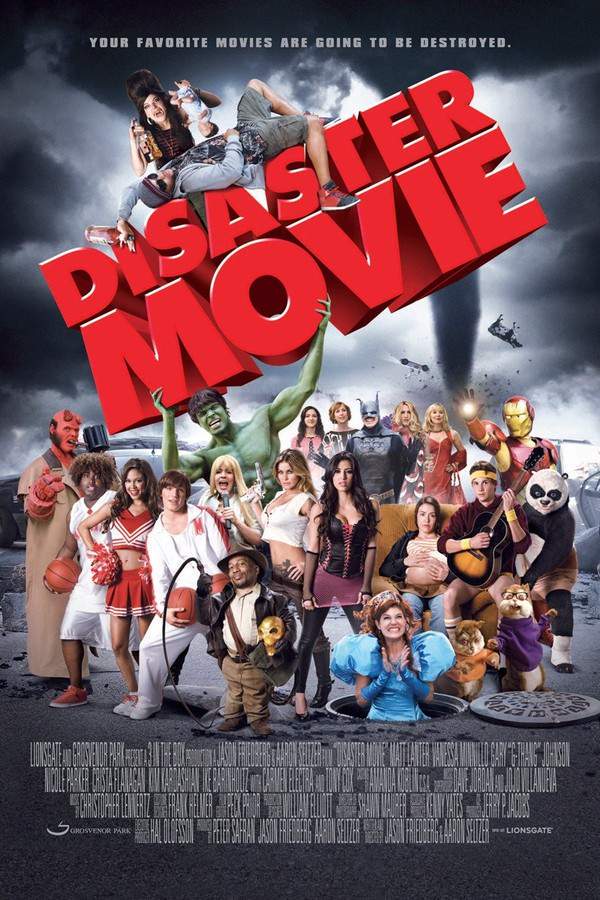
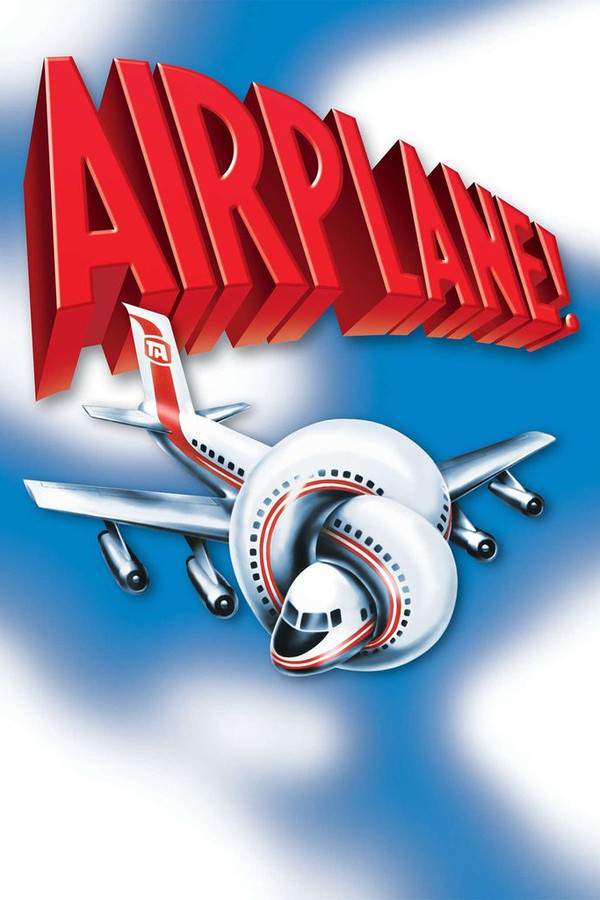
Catastrophic events played for high-stakes, high-concept laughs. If you liked the chaotic, satirical take on disaster films in The Big Bus, you'll enjoy these movies. This list features comedies that use high-stakes scenarios—like sabotage or technological failure—as a backdrop for hilarious, absurd antics and witty social commentary.

  • satirical
  • absurd
  • chaotic
  • suspenseful
  • playful
  • lighthearted
  • Tone: light, satirical
  • Pacing: fast, chaotic
Why these movies?

The story pattern: Stories in this thread follow a linear, often race-against-time structure where a group faces a series of escalating, ridiculous catastrophes. Character arcs, like redemption, are often present but secondary to the comedic spectacle of the unfolding disaster.

Why they belong together: These films are grouped by their shared commitment to satirizing serious genres through a lighthearted lens, blending suspenseful situations with consistent humor and an overall feeling of playful absurdity.
Chaotic road trip redemption stories like The Big Bus

A flawed hero finds purpose on a journey plagued by constant, ridiculous obstacles. For fans of The Big Bus's journey of a disgraced driver battling sabotage, this list finds similar movies. These stories combine a road trip structure with a character's quest for redemption, all set against a backdrop of fast-paced, humorous obstacles.

  • redemptive
  • chaotic
  • suspenseful
  • humorous
  • journey
  • playful
  • Tone: lighthearted, suspenseful
  • Pacing: fast, relentless
Why these movies?

The story pattern: The narrative pattern involves a linear journey serving as a proving ground for a protagonist seeking to overcome a past failure. The path is never smooth, filled with external antagonists and comedic mishaps that test the hero's resolve and facilitate their personal growth.

Why they belong together: This thread connects movies that share a specific blend of a road trip plot, a central redemption arc, and a tone where serious character development is constantly interrupted by fast-paced, lighthearted chaos.

If you liked this

Movies Like The Big Bus

Similar movies to The Big Bus: the same genre, themes or kind of story. Each one comes with its own plot summary, timeline and ending explained.

Browse all movie summaries

Every angle

The Big Bus (1976) Explained: Plot, Timeline & Characters

Everything about The Big Bus in one place: what happens in the plot summary, the timeline in chronological order, the characters and meaning and a spoiler-free summary. What's After the Movie adds the cast, box office and post-credit scenes.

Coming soon on iOS and Android

The Plot Explained Movie Summary App

Plot summaries, endings explained and timelines on your phone. Catch up on any movie in minutes, save your favorites and never miss a twist again.

Be the first to know when we launch. Your email stays private, always.

Learn more about the app