Plot Explained Spoilers guaranteed!
Plot Explained

Browse by genre

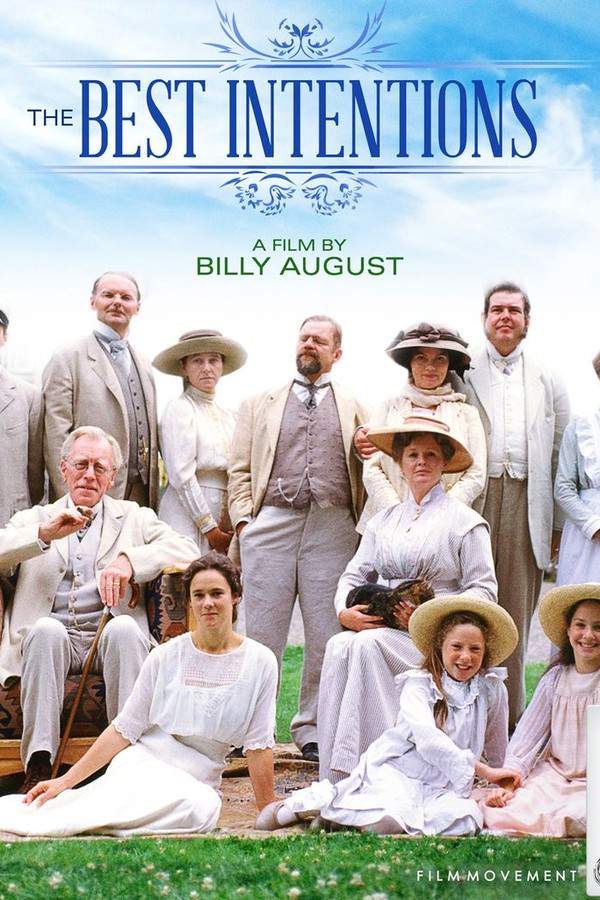
The Best Intentions (1992) movie poster

Characters & Themes

The Best Intentions (1992) Characters, Setting & Themes Explained

Release, runtime and language
1992 · 180 min · Swedish
Loading streaming availability…
Directed by
Bille August
Starring
Max von Sydow, Lennart Hjulström, Lena Endre, Börje Ahlstedt, Ghita Nørby, Björn Kjellman

In this drama, a couple's unusual romance unfolds as their son, Henrik, grapples with conflicting desires for a priestly vocation and a life of love and comfort. They leave the city for a peaceful rural setting alongside the wealthy Anna, but the differences in their social backgrounds create tension and challenge the foundations of their marriage, ultimately questioning the true nature of their intentions.

On this page (7)
  1. 1 Where to watch
  2. 2 Characters explained (4)
  3. 3 Where & when it takes place
  4. 4 Themes & meaning (3)
  5. 5 Character & meaning questions
  6. 6 Movie threads
  7. 7 Every angle
Loading streaming availability…

4 main characters · contains spoilers

The Best Intentions Characters Explained: Who Is Who

The main characters of The Best Intentions (1992), heroes and villains: what drives them, how they change over the course of the story and what each of them reveals about the film's bigger ideas.

  • Henrik Bergman

    played by Max von Sydow

    Henrik is a passionate and conflicted character whose journey to become a parish minister is marked by personal and ethical dilemmas. His initial charm becomes overshadowed by his involvement in a love triangle and his quest for social justice. Despite his good intentions, Henrik often finds himself at odds with societal norms and familial expectations.

    • 👨‍🎓 Minister
    • ❤️ Romantic
    • ⚖️ Advocate
  • Anna Åkerblom

    played by Lena Endre

    Anna is a complex figure, initially portrayed as vain and elitist but reveals depth and vulnerability as her story unfolds. Her relationship with Henrik highlights her struggles with societal expectations and personal desire. Anna’s character evolves as she faces the consequences of her choices and the pressures of motherhood.

    • 💋 Seductress
    • 💔 Vulnerable
    • 🤰 Mother
  • Frida

    Frida is a waitress who becomes involved with Henrik, embodying simplicity and earnestness in contrast to Anna's complexity. Her genuine love for Henrik is tested as she navigates the pain of infidelity and societal judgments. Frida's character provides insight into the struggles faced by women of the time.

    • 💔 Lover
    • 👩‍🍳 Waitress
    • 😞 Misunderstood
  • Petrus

    Petrus is a troubled orphan taken in by the Bergmans, representing the impact of abandonment and societal neglect. His actions stem from feelings of rejection, showcasing the raw emotions of a child in turmoil. His character serves as a catalyst for conflict within the Bergman family.

    • 👦 Orphan
    • 😢 Troubled
    • 🏃‍♂️ Runaway

Last updated: October 22, 2024 at 21:39

Was this helpful?

Setting

Where and When Does The Best Intentions Take Place?

The setting of The Best Intentions (1992): the year and time period, the places and locations, and how they shape the characters, the mood and the tension of the story.

Time period

Early 20th century

The early 20th century was a time of social change and upheaval, particularly in Europe. The period saw movements advocating for workers' rights, suffrage, and significant shifts in societal norms. This backdrop heavily influences Henrik's struggles as a progressive figure within the Church of Sweden, as well as his challenges in personal relationships.

Location

Forsboda, Sweden, Switzerland, Stockholm

Forsboda is a secluded village in northern Sweden, known for its quiet, pastoral setting. The village becomes the backdrop for the lives of Henrik and Anna as they navigate their evolving relationship. Their journey also takes them to Switzerland, highlighting the contrasting landscapes and challenges faced, and ultimately ends in the bustling urbanity of Stockholm, where they encounter royal expectations.

  • 🏡 Village
  • 🌄 Mountains
  • 🏙 City

Last updated: October 22, 2024 at 21:39

Was this helpful?

3 major themes

The Best Intentions Meaning: Themes & Message Explained

What is The Best Intentions (1992) really about? The emotional, social and philosophical themes the film keeps returning to, its symbolism and the message beneath the surface.

  • Love & Betrayal

    The intricate web of love and betrayal is a central theme, as Henrik is torn between his affection for Anna and his relationship with Frida. The dynamics of social class create tension, illuminating the sacrifices made for love. This theme explores the impact of societal expectations on personal relationships.

  • Social Justice

    Henrik’s involvement in local labor disputes emphasizes the theme of social justice. His willingness to advocate for the poor illustrates a clash between progressive ideals and traditional values. The church's role in social issues reflects the broader societal debates of the time.

  • Family Dynamics

    Family relationships and the concept of belonging are significant themes; Anna's maternal instincts are challenged by her feelings towards Petrus, an orphan taken in by the Bergmans. This struggle illustrates the complexities of motherhood and the tensions within family structures during times of change.

Last updated: October 22, 2024 at 21:39

Was this helpful?

Character & theme questions

The Best Intentions Characters & Meaning: Your Questions Answered

The questions people ask about The Best Intentions (1992): who the characters really are, their relationships, what the symbols mean, where it takes place and what the movie is really about. Each answer contains spoilers.

Q1

Where does the story primarily take place?

The Best Intentions is primarily set in Forsboda, a secluded village in northern Sweden with a quiet, pastoral atmosphere. The narrative also moves to Switzerland and concludes in Stockholm, creating contrasts between rural tranquility and urban bustling life. These locations reflect the social and emotional journey of Henrik and Anna.

Foreshadowing: The opening scenes establish Forsboda's isolation, hinting at the couple's eventual displacement.

  • forsboda
  • sweden
  • stockholm
  • setting
  • locations
Q2

What time period is the story set in?

The story takes place in the early 20th century, a time of significant social change and upheaval across Europe. This era saw movements for workers' rights, suffrage, and shifting societal norms that directly influence Henrik's progressive stance within the Church of Sweden. The historical context shapes the conflicts between tradition and modernity throughout The Best Intentions.

  • early 20th century
  • historical context
  • social change
  • era
Q3

What are the main themes explored in the film?

The Best Intentions explores love and betrayal, social justice, and family dynamics as its central themes. Henrik's internal conflict between affection and duty illustrates the tension between personal desire and societal expectations. The film also examines class differences, motherhood complexities, and the church's role in social issues during a time of cultural transformation.

  • love
  • betrayal
  • social justice
  • family dynamics
  • themes
Q4

Who is Henrik Bergman in the story?

Henrik Bergman is a passionate and conflicted man whose journey centers on becoming a parish minister while grappling with ethical and personal dilemmas. His character embodies the struggle between faith, duty, and love, often finding himself at odds with societal norms and familial expectations. Henrik's involvement in social justice causes further complicates his relationships.

Foreshadowing: Early scenes show Henrik's charm masking deeper internal conflicts.

  • henrik bergman
  • protagonist
  • priest
  • character role
Q5

What role does Anna Åkerblom play?

Anna Åkerblom is a complex figure who initially appears vain and elitist but reveals vulnerability as her story unfolds. Her relationship with Henrik highlights struggles with societal expectations, personal desire, and the pressures of motherhood. Anna's character evolves through facing the consequences of her choices and navigating class tensions in The Best Intentions.

  • anna akerblom
  • motherhood
  • social expectations
  • character
Q6

How do social class differences affect the central relationship?

Social class differences create significant tension between Henrik and Anna, challenging the foundations of their marriage throughout The Best Intentions. Anna's wealthy background contrasts with Henrik's more modest origins, illuminating the sacrifices made for love and the impact of societal expectations. These differences ultimately question the true nature of their intentions and compatibility.

Foreshadowing: Early interactions hint at underlying class friction between the couple.

  • social class
  • marriage tension
  • wealth difference
  • societal expectations
Q7

What is the film saying about love and betrayal?

The Best Intentions presents love as an intricate web intertwined with betrayal, as Henrik is torn between his affection for Anna and his relationship with Frida. The dynamics reveal how societal expectations shape personal relationships and the sacrifices demanded by love. This theme explores the emotional cost of divided loyalties and conflicting desires.

  • love
  • betrayal
  • frida
  • emotional conflict
  • relationships
Q8

Why is social justice an important theme in the story?

Henrik's involvement in local labor disputes emphasizes social justice as a core theme, illustrating his willingness to advocate for the poor. This creates a clash between progressive ideals and traditional values, reflecting broader societal debates of the early 20th century. The church's role in social issues mirrors the cultural transformation happening during this period in The Best Intentions.

  • social justice
  • labor disputes
  • church
  • progressive ideals
Q9

What does the film explore about family dynamics?

Family relationships and belonging are significant themes, particularly through Anna's maternal instincts being challenged by her feelings towards Petrus, an orphan taken in by the Bergmans. This struggle illustrates the complexities of motherhood and tensions within family structures during times of change. The film examines how abandonment and societal neglect impact family bonds.

Foreshadowing: Early family scenes establish the tension around belonging and acceptance.

  • family dynamics
  • motherhood
  • petrus
  • belonging
  • orphan
Q10

Who is Frida and what does she represent?

Frida is a waitress who becomes involved with Henrik, embodying simplicity and earnestness in contrast to Anna's complexity. Her genuine love for Henrik is tested as she navigates the pain of infidelity and societal judgments. Frida's character provides insight into the struggles faced by women of the early 20th century in The Best Intentions.

  • frida
  • waitress
  • love triangle
  • women's struggles
Q11

What is the significance of Petrus in the story?

Petrus is a troubled orphan taken in by the Bergmans, representing the impact of abandonment and societal neglect. His actions stem from feelings of rejection, showcasing the raw emotions of a child in turmoil. Petrus serves as a catalyst for conflict within the Bergman family, highlighting themes of belonging and family dysfunction.

  • petrus
  • orphan
  • abandonment
  • family conflict
  • catalyst
Q12

What is the overall tone of the film?

The Best Intentions maintains a melancholic tone driven by the constant undercurrent of struggle in the central relationship and Henrik's internal conflict between faith, duty, and love. The pacing is slow, focusing on character development over plot, with events unfolding deliberately across years. The emotional weight is medium, dealing with serious themes without being overwhelmingly heavy.

  • melancholic
  • tone
  • pacing
  • emotional weight
  • mood
Q13

How does the setting shape the story's conflicts?

The contrasting landscapes from Forsboda's quiet village to Stockholm's bustling urbanity reflect the emotional and social journey of the characters. The rural setting emphasizes isolation and tradition, while the city represents modernity and royal expectations. These environmental shifts in The Best Intentions mirror the internal tensions between peace and upheaval.

Foreshadowing: The opening pastoral scenes contrast sharply with later urban settings.

  • setting
  • forsbo
  • stockholm
  • contrast
  • conflict
Q14

What conflict does Henrik face regarding his vocation?

Henrik grapples with conflicting desires for a priestly vocation and a life of love and comfort, creating central tension throughout The Best Intentions. His journey to become a parish minister is marked by personal and ethical dilemmas that pit faith against personal fulfillment. This internal struggle defines his character arc and influences all his major decisions.

Foreshadowing: Early discussions about faith hint at his later vocational doubts.

  • vocation
  • priest
  • faith
  • internal conflict
  • henrik
Q15

What does the couple's relocation to Stockholm represent?

The move to Stockholm represents a compromise that resolves immediate separation but does not erase the fundamental tensions of the marriage and social differences. This bittersweet conclusion shows the couple reuniting for a new life while acknowledging ongoing challenges. The urban setting contrasts with their rural past, symbolizing change and adaptation in The Best Intentions.

  • stockholm
  • relocation
  • compromise
  • bittersweet
  • resolution

Movie threads

More Movies Like The Best Intentions, by Mood & Story

Curated lists built around what makes The Best Intentions tick: the same mood, the same kind of story or the same emotional payoff. Each list explains why these movies belong together.

Slow Burn Marital Dramas with Class Conflict like The Best Intentions

Intimate stories of love strained by the pressures of social inequality. If you liked The Best Intentions for its portrayal of a marriage strained by class differences, you'll find similar movies here. These dramas share a focus on slow-paced, character-driven narratives where love is tested by social and economic pressures, resulting in a bittersweet and reflective viewing experience.

  • melancholic
  • reflective
  • strained
  • socially conscious
  • dramatic
  • romantic
  • Tone: melancholic, reflective, strained
  • Pacing: slow, deliberate, character-driven
Why these movies?

The story pattern: These narratives typically follow a couple from different social spheres whose initial attraction is gradually eroded by the practical and psychological weight of their divergent backgrounds. The plot unfolds slowly, charting the accumulation of small slights, misunderstandings, and external pressures that challenge the foundation of their relationship, often leading to a resolution that acknowledges love but also the permanence of societal divides.

Why they belong together: Movies in this thread are grouped by their shared focus on the intersection of romance and social class, their deliberate pacing that allows for deep character study, and their melancholic, often bittersweet tone. They prioritize emotional authenticity and social realism over dramatic spectacle.


Bittersweet Journeys of Faith and Personal Conflict like The Best Intentions

Character-driven stories of individuals torn between duty, faith, and earthly love. Find movies similar to The Best Intentions that explore the tension between spiritual vocation and human love. These character-driven dramas feature protagonists making difficult choices between duty and desire, resulting in emotionally complex and bittersweet narratives that are reflective and poignant.

  • bittersweet
  • melancholic
  • reflective
  • dramatic
  • psychological
  • tender
  • Tone: melancholic, bittersweet, dramatic
  • Pacing: slow, contemplative
Why these movies?

The story pattern: The narrative pattern follows a central character, often in a period or socially restrictive setting, as they struggle to reconcile two incompatible paths. The external world often amplifies this internal conflict, forcing a choice that rarely offers complete satisfaction. The story arc is defined by sacrifice and the bittersweet acceptance of a life shaped by compromise.

Why they belong together: These films are united by their focus on a specific type of moral and emotional dilemma, their moderate complexity in weaving personal struggle with broader themes, and their consistent bittersweet emotional payoff. They appeal to viewers who enjoy thoughtful, character-centered dramas about difficult life choices.

Every angle

The Best Intentions (1992) Explained: Plot, Timeline & Characters

Everything about The Best Intentions in one place: what happens in the plot summary, the timeline in chronological order, the characters and meaning and a spoiler-free summary. What's After the Movie adds the cast, box office and post-credit scenes.

Coming soon on iOS and Android

The Plot Explained Movie Summary App

Plot summaries, endings explained and timelines on your phone. Catch up on any movie in minutes, save your favorites and never miss a twist again.

Be the first to know when we launch. Your email stays private, always.

Learn more about the app