Plot Explained Spoilers guaranteed!
Plot Explained

Browse by genre

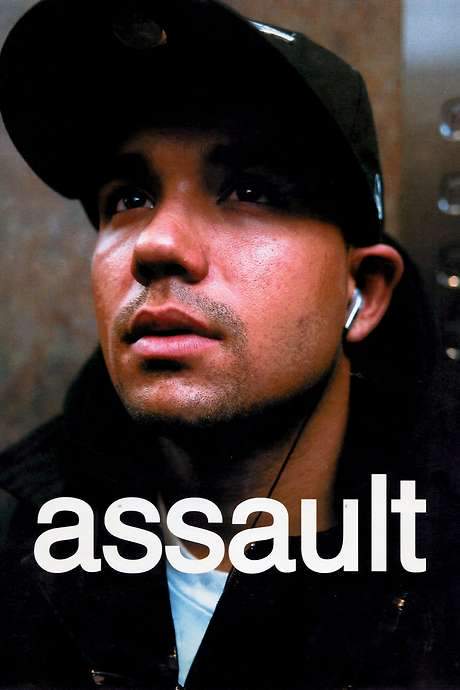
The Assault (2012) movie poster

Timeline

The Assault (2012) Timeline Explained – Every Event in Order

Release, runtime and language
2012 · 91 min · English
Directed by
Julien Leclercq
Starring
Vincent Elbaz, Mélanie Bernier, Grégori Derangère, Philippe Bas

As Christmas Eve turns deadly, a hijacked Air France plane becomes a dangerous situation. A tense standoff develops between the terrorists and the passengers on board, while outside, authorities engage in a high-stakes pursuit. The events intertwine the lives of a resolute SWAT officer, a young man drawn to extremism, and a driven government agent, creating a gripping drama filled with violence, fear, and the possibility of redemption.

On this page (5)
  1. 1 Events in order (14)
  2. 2 Timeline questions answered
  3. 3 Movie threads
  4. 4 Movies like The Assault
  5. 5 Every angle

14 events in order · contains spoilers

The Assault Timeline: Events in Chronological Order

Every key event of The Assault (2012) in order, scene by scene, with when and where it takes place. Use it to untangle flashbacks, time jumps and parallel storylines, to refresh your memory before the sequel or to find the exact scene you are thinking of.

  1. The Beginning

    In January 1945, twelve-year-old Anton Steenwijk lives in Haarlem under the oppressive rule of Nazi Occupation. His childhood is abruptly shattered when a violent incident leads to the death of a notorious Dutch collaborator, Fake Ploeg.

    When
    January 1945
    Where
    Haarlem
  2. The Chaos Unfolds

    Following the assassination of Fake Ploeg, Anton's next-door neighbors, the Kortewegs, hide his body in the Steenwijks' yard. This reckless act triggers a horrific sequence of events that culminates in the murder of Anton's family.

    Where
    Steenwijk home, Haarlem
  3. Imprisonment

    After the tragedy, Anton finds himself imprisoned at the local police station. In the darkness of his cell, he receives a moment of comfort from an unseen young woman who shares his confinement, hinting at the resilience of the human spirit amidst despair.

    Where
    Police Station, Haarlem
  4. A Soldier's Sacrifice

    As the Nazi authorities transfer Anton to Amsterdam, a German soldier intervenes during an ambush to save him. This brave act of defiance becomes a pivotal moment in Anton's life, linking his fate to those who chose to protect rather than persecute.

    Where
    Road to Amsterdam
  5. A New Home

    Now an orphan, Anton moves in with his aunt and uncle in Amsterdam. The shadows of his traumatic past loom large as he grapples with his new reality, determined to forge a future while haunted by memories of his lost family.

    Where
    Amsterdam
  6. Life as an Anesthesiologist

    Over the years, Anton pursues a career as an anesthesiologist, initially finding solace in his profession. As he marries twice and has children, he struggles to maintain a facade of normalcy while wrestling with the ghosts of his childhood.

  7. Fragmented Memories

    Throughout his life, Anton deals with fragmented recollections of the traumatic events from 1945. His yearning for clarity drives him to unexpectedly uncover truths about that fateful night, often through chance encounters rather than direct inquiries.

  8. Return to Haarlem

    In 1981, Anton returns to Haarlem for the first time since fleeing the city. At a monument honoring his parents and others who died for Ploeg’s assassination, he confronts a haunting blend of nostalgia and historical burden.

    When
    1981
    Where
    Haarlem
  9. Meeting Fake

    During his visit, Anton encounters Fake, the son of a former schoolmate, who shares his name with Ploeg. As they discuss their vastly different paths, Anton confronts Fake's denial about his father's complicated legacy as a collaborator.

    Where
    Haarlem
  10. Empathy and Guilt

    As Anton and Fake delve deeper into their pasts, Fake reveals his own feelings of guilt and his awareness of Anton’s losses. This emotional dialogue serves as a powerful reminder of the shared humanity that exists even in the aftermath of tragedy.

  11. Whispers of the Past

    At a funeral in 1966, Anton listens to old resistance members recount tales of their fight against fascism. A whispered account of Ploeg's assassination reignites Anton's memories, sending him on a quest for clarity regarding that chaotic night.

    When
    1966
  12. Conversations with Cor Takes

    Cor Takes, a fellow veteran of the resistance, becomes Anton's confidant, discussing themes of justice and morality. Their shared recollections blur lines between fact and fiction, shedding light on the complexity of Ploeg’s assassination.

  13. Facing Moral Dilemmas

    Years later, Anton encounters a neighbor connected to the aftermath of Ploeg's death. This meeting challenges Anton to confront difficult moral dilemmas and the choices people made during times of chaos, highlighting the weight of history.

  14. The Quest for Justice

    As Anton reflects on the enduring impact of memory, he acknowledges the unending quest for justice that continues to shape his life. Each revelation brings him closer to understanding the personal and collective traumas stemming from that tumultuous era.

Last updated: November 18, 2024 at 21:25

Was this helpful?

Timeline questions answered

The Assault Timeline Explained: Your Questions Answered

When does it happen, and why in that order? The questions people ask about the chronology of The Assault (2012): time jumps, flashbacks, cause and effect between scenes and the correct order of events, each answered with spoilers.

Q1

Why were Anton's family killed in the movie?

Anton's family was murdered because the Korteweg neighbors secretly moved the body of the assassinated collaborator Fake Ploeg into the Steenwijks' yard. When the Nazis investigated Ploeg's death, they discovered the body on the Steenwijk property and retaliated by killing Anton's parents and brother and burning down their house. Anton survived because he was not home when the massacre occurred.

  • anton steenwijk
  • family killed
  • fake ploeg
  • nazi retaliation
  • haarlem
Q2

Why did the Kortewegs hide Ploeg's body in the Steenwijks' yard?

After Fake Ploeg was assassinated, the Korteweg family, who were collaborators, desperately needed to conceal the body to avoid Nazi punishment. They chose to move the corpse to their neighbors' yard, presumably hoping the Steenwijks would be blamed or that it would divert suspicion from themselves. This act of cowardice directly led to the tragedy that destroyed Anton's family.

  • korteweg family
  • fake ploeg
  • body hidden
  • collaborator
  • haarlem
Q3

Who was Fake Ploeg?

Fake Ploeg was a notorious Dutch collaborator who worked with the Nazi occupation forces during WWII. He was assassinated in January 1945 in Haarlem by resistance fighters. His death triggered the violent chain of events that resulted in the deaths of Anton's family, as the Nazis conducted brutal reprisals against civilians in the area.

  • fake ploeg
  • dutch collaborator
  • wwii
  • resistance
  • assassination
Q4

Why did the German soldier save Anton during the transfer to Amsterdam?

When Nazi authorities transported Anton to Amsterdam after his family's murder, their convoy was ambushed. A German soldier chose to protect the orphaned boy, sacrificing himself in the process. This act of defiance and humanity from a German soldier demonstrated that not all occupying forces were complicit in the Nazis' crimes, and it marked a pivotal moment that allowed Anton to survive.

  • german soldier
  • convoy ambush
  • amsterdam
  • sacrifice
  • anton survival
Q5

Who was the young woman who comforted Anton in prison?

After the massacre, Anton was imprisoned at a local police station where he spent time in a dark cell. An unseen young woman prisoner offered him comfort during his trauma. Later in life, Anton gradually pieces together memories and works with Cor Takes to uncover her identity, though the summary leaves this somewhat ambiguous due to the fragmented nature of his recollections.

Foreshadowing: Early in the film, Anton receives comfort from an unseen presence in his cell, a moment that hints at his psychological resilience.

  • prison cell
  • young woman
  • comfort
  • trauma
  • memory
Q6

Who is the adult Fake that Anton meets in 1981?

Anton encounters Fake (played by Grégori Derangère), the son of one of his former schoolmates who coincidentally shares the same name as the collaborator Fake Ploeg. Unlike Anton, who was orphaned by the war, Fake's family, despite being collaborators, managed to rebuild their lives after the war. Fake initially denies his father's role in the tragedy and blames communist resistance fighters instead, though he eventually acknowledges his guilt.

  • fake
  • son
  • schoolmate
  • haarlem
  • guilt
  • collaboration
Q7

Why does Anton become an anesthesiologist?

After moving to Amsterdam to live with his aunt and uncle, Anton grows up to become an anesthesiologist. The profession may hold symbolic significance, working with unconsciousness and pain control could reflect his psychological need to manage and suppress his traumatic memories. The summary notes he finds initial solace in his work while still struggling with the ghosts of his childhood.

  • anesthesiologist
  • career
  • amsterdam
  • trauma
  • memory
Q8

What is the monument Anton visits in Haarlem?

In 1981, Anton returns to Haarlem for the first time since 1952 and visits a monument honoring his parents and 29 others who were killed in retaliation for Fake Ploeg's assassination. The monument serves as a stark reminder of the brutal reprisals that targeted civilians during the Nazi occupation and represents the heavy burden of history Anton carries.

  • monument
  • haarlem
  • parents
  • memorial
  • 1945
Q9

Who is Cor Takes and what role does he play in Anton's quest?

Cor Takes is a veteran of the Dutch resistance movement against fascism. At a 1966 funeral, he becomes Anton's confidant, engaging in discussions about justice, morality, and the truth behind Ploeg's assassination. Their conversations blur the lines between fact and fiction, as Takes' recollections are themselves unclear. Cor helps Anton grapple with the moral complexity of wartime actions and the ambiguity surrounding his past.

  • cor takes
  • resistance
  • veteran
  • wwii
  • truth
  • justice
Q10

What is the Provo movement mentioned in the film?

The Provo movement was a Dutch anti-establishment movement that emerged in the 1960s. The film uses this historical context to show how post-war Dutch society was transformed by various political tensions, including the Cold War, anti-nuclear protests, and radical counterculture movements. These cultural shifts provide the backdrop against which Anton continues his personal journey of uncovering the truth.

  • provo movement
  • 1960s
  • dutch
  • counterculture
  • cold war
Q11

What does Anton's quest for justice represent in the film?

Anton's decades-long struggle to uncover the truth about his family's murder represents the broader theme of how trauma reverberates through generations. His passive method of discovering facts, through serendipitous encounters rather than active investigation, reflects how the past often resurfaces unexpectedly. The film suggests that while Anton gains some understanding and empathy through his final conversations, true closure remains elusive, highlighting the complex and often unjust nature of history.

  • justice
  • truth
  • trauma
  • memory
  • closure
  • history

Movie threads

More Movies Like The Assault, by Mood & Story

Curated lists built around what makes The Assault tick: the same mood, the same kind of story or the same emotional payoff. Each list explains why these movies belong together.

Movies about lifelong trauma like The Assault

Stories where a single traumatic event casts a shadow over an entire life. If you were captivated by the way The Assault explores a lifetime shaped by a single childhood tragedy, you'll find similar stories here. These movies delve into the lingering effects of trauma, featuring protagonists who spend years piecing together fragmented memories and searching for meaning in the aftermath of loss.

  • traumatic
  • reflective
  • somber
  • morally complex
  • nostalgic
  • investigative
  • Tone: melancholic, reflective, somber
  • Pacing: slow, deliberate, spanning decades
Why these movies?

The story pattern: These narratives often use a nonlinear or episodic structure, jumping through key moments in a character's life to show how a core traumatic event continues to reverberate. The protagonist's journey is typically passive and introspective, driven by chance encounters and poignant reflections rather than active investigation, leading to a bittersweet understanding rather than a clean resolution.

Why they belong together: They are grouped together by their shared focus on the persistence of memory, the slow, heavy process of coping with profound loss, and a melancholic, reflective mood that prioritizes emotional weight over action-driven plots.
Historical dramas with moral ambiguity like The Assault

Dramas that explore the complex and often painful legacy of war. For viewers who appreciated The Assault's nuanced look at the Dutch resistance and its aftermath, this section features similar films. These stories explore the gray areas of history, where heroism and culpability are intertwined, and characters must navigate the heavy burden of the past.

  • investigative
  • historically complex
  • morally ambiguous
  • somber
  • thought-provoking
  • traumatic
  • Tone: somber, investigative, morally complex
  • Pacing: steady, thoughtful
Why these movies?

The story pattern: The narrative pattern often involves a character, sometimes an outsider or a descendant, uncovering uncomfortable truths about actions taken during a conflict. The story confronts the audience with difficult questions about justice, survival, and the price of resistance, typically unfolding in a sober, investigative manner rather than as a straightforward thriller.

Why they belong together: They share a common interest in the psychological and moral aftermath of war, a somber and investigative tone, and a focus on how history's complexities continue to shape individual lives and collective memory long after the conflict has ended.

If you liked this

Movies Like The Assault

Similar movies to The Assault: the same genre, themes or kind of story. Each one comes with its own plot summary, timeline and ending explained.

Browse all movie summaries

Every angle

The Assault (2012) Explained: Plot, Timeline & Characters

Everything about The Assault in one place: what happens in the plot summary, the timeline in chronological order, the characters and meaning and a spoiler-free summary. What's After the Movie adds the cast, box office and post-credit scenes.

Coming soon on iOS and Android

The Plot Explained Movie Summary App

Plot summaries, endings explained and timelines on your phone. Catch up on any movie in minutes, save your favorites and never miss a twist again.

Be the first to know when we launch. Your email stays private, always.

Learn more about the app